
Most budget overruns and schedule failures on large remodels trace back to one root cause: communication that starts strong and then breaks down. Knowing how to ensure clear communication and weekly updates from a contractor during a large remodel often separates a project that finishes on time from one that drags on for months beyond its original scope and timeline.
This article covers what to lock in before work starts, how to structure weekly check-ins, which tools document decisions, and how steady communication protects both budget clarity and the closeout process.
What Should You Set Upfront To Guarantee Consistent Updates?
Lock In the Scope of Work and Budget Before Day One
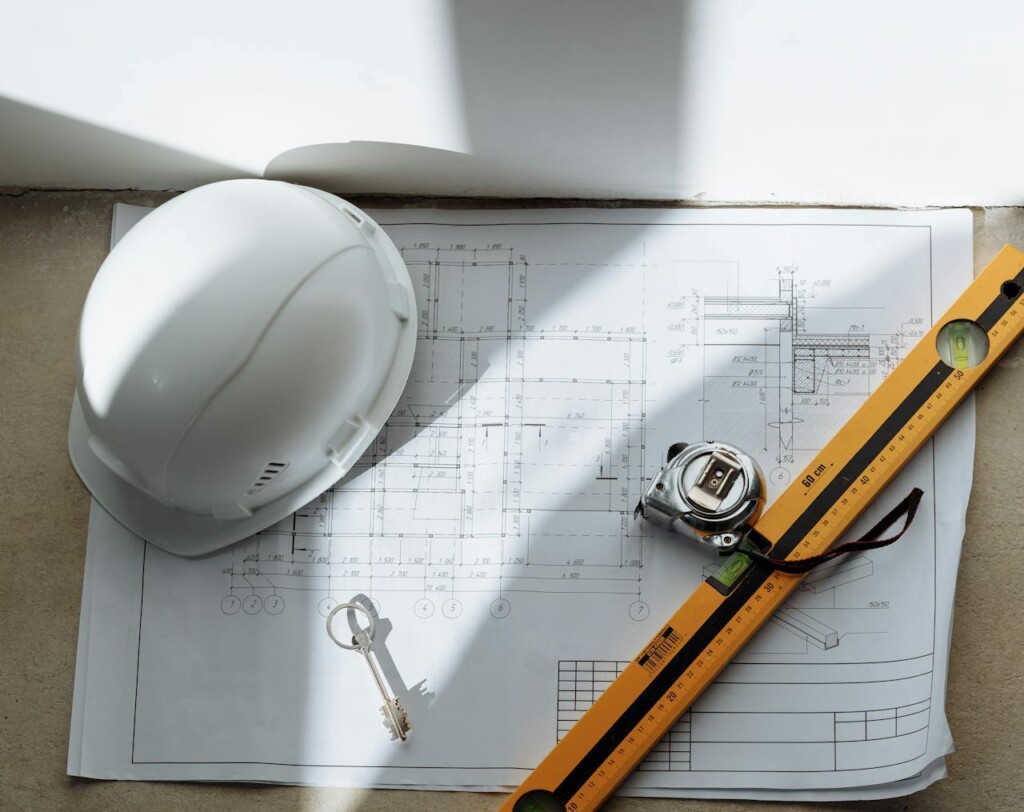
Before a single tool touches your property, the scope of work needs to be defined in writing. We document every task, material, finish, and design element so there are no gaps between what you expect and what gets built. Vague agreements produce vague results, and a detailed scope of work closes that gap from the start. For additional planning context, see this pre-construction checklist for Texas.
Budget constraints belong in that same conversation. We establish clear cost limits and tie them directly to the project scope so both sides understand what is funded and what requires a change order. Sharing reference images or a mood board at this stage also helps us align on design intent before decisions are locked into the build.
Put the Update Schedule in the Contract
An update cadence agreed upon verbally is easy to forget. We write the reporting frequency directly into the contract, whether that means daily field notes, weekly summaries, or biweekly formal reviews, so it carries the same weight as any other project obligation. This protects both parties and removes any ambiguity about how often communication should flow.
The contract should also name a single point person on each side. On our end, that contact manages the flow of information from subcontractors up to the owner, keeping the chain of command clean. When owners know exactly who to reach and we know who has authority to make decisions, updates move faster and with fewer misunderstandings.
Agree on Communication Channels and Response-Time Norms
Not every issue requires the same channel. We use face-to-face or on-site conversations for complex coordination decisions, phone calls for urgent field matters, and email for anything that needs a written record. Establishing these norms upfront prevents confusion when critical information gets buried in a text thread or missed entirely.
Response-time expectations matter just as much as the channels themselves. We set realistic turnaround windows for replies so neither side is left waiting on a decision that could affect the schedule. According to industry guidance on construction client communication, maintaining detailed records of all communications and decisions helps resolve disputes and provides a clear history of the project’s evolution.
Treat Timelines as Working Targets, Not Fixed Guarantees
Remodel schedules shift. Unforeseen conditions, material lead times, and approved change orders can move dates. We set milestones as working targets and communicate any adjustments as soon as they become apparent, rather than waiting until a deadline has already passed.
This framing keeps the project honest. Owners who understand that dates reflect current best estimates, not unconditional promises, are better positioned to make informed decisions when conditions change. The goal is a schedule that reflects reality—updated consistently—rather than one that looks clean on paper but diverges from what is actually happening on site.
How Do You Run Effective Weekly Check-Ins (And Daily Touchpoints)?
With communication channels and a point person already locked in from the start, the next step is putting those agreements into action. A fixed weekly meeting, scheduled from day one, gives the project a reliable pulse. Without that consistency, small issues accumulate between conversations and surface at the worst possible time.
Build a Repeatable Meeting Agenda
A structured agenda keeps each weekly check-in focused and keeps the meeting from drifting into unproductive territory. We organize our check-ins around five core items: progress since the last meeting, current schedule status and upcoming milestones, any open budget or materials decisions, outstanding questions, and active risks on the project.
This order matters. Starting with progress grounds the conversation in what has actually happened on site, which makes the discussion of risks and decisions more specific and concrete. Covering milestones and schedule adjustments before jumping into open questions ensures the most time-sensitive items get proper attention first.
Keeping the agenda consistent from week to week also reduces preparation time for both parties. When the format is predictable, owners and developers come prepared with the right information rather than scrambling to recall details mid-meeting.
Match the Format to the Decision
Not every conversation belongs in the same format. On-site meetings work best for decisions that require a visual reference, such as reviewing framing progress, confirming material placements, or walking through a space before a finish is applied. Seeing the actual conditions eliminates the ambiguity that phone calls or emails can create around spatial and visual details.
Phone calls serve a different purpose. They work well for quick clarifications, urgent schedule questions, or situations where a fast answer prevents a crew from stalling. Email, on the other hand, is the right tool for recording decisions made verbally, confirming change order approvals, and creating a written trail that both parties can reference later.
We use all three formats deliberately, choosing based on what the situation requires rather than defaulting to one channel for everything.
Daily Touchpoints Between Weekly Meetings
A weekly check-in covers the big picture, but a large remodel generates activity every single day. At EB3 Construction, we provide regular updates on project status so that owners and developers are never left guessing about what happened on site. These touchpoints are brief by design, focused on what moved forward, what was completed, and whether anything needs a decision before the next formal meeting.
Daily updates also reduce the pressure that tends to build when clients feel out of the loop. When someone knows they will hear from us that day, they are less likely to reach out with anxious questions and more likely to stay focused on the decisions that actually require their input.
Establish an Escalation Path for Issues Between Meetings
Even with a solid weekly rhythm and daily updates, unexpected conditions arise on construction sites. A utility conflict, a material delivery delay, or a structural discovery can require an immediate decision that cannot wait until the next scheduled meeting. Defining an escalation protocol before work begins means that when something urgent surfaces, everyone already knows how to respond.
We address concerns promptly and directly. The goal is to bring the relevant information to the right person as quickly as possible, present the options clearly, and move forward without letting the issue stall the crew. Staying calm and factual during these conversations keeps the problem-solving process productive, even when the news is not what anyone hoped to hear.
Two-way feedback matters throughout this process. Owners and developers often notice things or have questions that the field team has not considered. Keeping those lines open and genuinely welcoming that input produces better outcomes on site.
Which Tools And Records Keep Everyone Aligned Each Week?

Written Records After Every Interaction
Every call, site walkthrough, and decision point needs a written follow-up. When something is discussed verbally and left undocumented, it leaves room for conflicting recollections later. We send written summaries after meetings and calls so both parties have a clear, shared reference point.
This practice extends to change orders, material selections, and budget updates. A change order log, for example, captures every scope adjustment in sequence—what changed, why it changed, and the cost impact. Without that log, a remodel can accumulate undocumented decisions that quietly push a project over budget or behind schedule.
Project Management Apps As A Central Hub
Centralizing project information in a single platform eliminates the problem of scattered updates across email threads, text messages, and informal notes. Some tools are purpose-built for construction teams, allowing project managers to consolidate agendas, document meeting minutes, assign follow-up tasks, and keep all team members aligned in one place. The ability to capture decisions and assign action items in real time means nothing gets lost between meetings.
We use project management platforms to centralize plans, progress photos, schedules, and communication threads. When a developer or property owner needs to review what was decided two weeks ago, the record is in one place rather than buried in an inbox. That kind of organized access supports faster decisions and fewer repeated conversations.
Shared Folders And Visual Documentation
Shared drives give everyone on the project consistent access to the same set of files. We maintain organized folders for images, sketches, selection schedules, and site photos so the current version of any document is always accessible. Naming conventions and folder structure matter here; a disorganized shared drive can create almost as much confusion as having no shared drive at all.
Progress photos serve a specific purpose beyond record-keeping. They document site conditions at key milestones, provide visual confirmation that work matches the approved scope, and give property owners a reliable way to track field progress without requiring a site visit for every update. When questions arise about what was completed and when, the photo record provides a factual baseline.
3D Models And Visual Alignment Tools
For complex remodels, 3D models and interactive visuals help close the gap between what a property owner imagines and what gets built. Reviewing a three-dimensional representation of a space before work begins surfaces conflicts in layout, material choices, or design intent that written descriptions alone often miss. We use these tools during the planning phase to align expectations before any work starts, which reduces costly revisions.
Visual documentation also supports selection schedules, which track finishes, fixtures, and materials tied to specific rooms or phases. Keeping that schedule current and accessible ensures that field teams are working from accurate, approved specifications rather than relying on memory or outdated notes.
How Does Steady Communication Prevent Delays, Control Costs, And Ensure A Smooth Closeout?
Catching Problems Before They Compound
When updates flow consistently during a remodel, issues surface while they are still manageable. A material delivery running three days late, a subcontractor schedule conflict, or an inspection hold can be absorbed without derailing the broader timeline, provided the right people know about them immediately. Without that steady flow of information, small friction points stack up and push milestones back in ways that are difficult to recover from.
Proactive communication also protects the budget. According to industry surveys, about 32% of homeowners report that communication problems caused delays in their projects, and many of those delays carry direct cost consequences. Identifying a scope conflict or material substitution early allows corrections before labor hours are wasted and before the owner faces an unexpected invoice.
Keeping Material Choices And Budget Aligned
Clear, early conversations about material preferences and spending limits give us the information needed to source the right products without guesswork. When client preferences are defined upfront, the selection process moves faster and the risk of costly substitutions mid-build drops significantly. Waiting until a phase is underway to discuss finishes or allowances almost always results in change orders that affect both cost and schedule.
Budget control through communication works in both directions. We share cost implications before decisions are finalized, and owners weigh in before purchases are committed. That back-and-forth keeps the project scope clear and prevents the kind of financial surprises that erode trust and slow momentum. Regular budget check-ins, even brief ones, catch discrepancies before they compound into larger overruns.
Reducing Stress Across A Whole-House Remodel
A whole-house remodel involves overlapping trades, shifting schedules, and decisions that feel relentless. Frequent touchpoints give owners a clear picture of where the project stands at any point, which reduces the anxiety that builds when people feel out of the loop. Knowing what phase is active, what decisions are coming, and what milestones have been cleared replaces uncertainty with confidence.
When owners feel informed, they are also better positioned to provide timely input. That input directly shapes the choices we make on their behalf, from finish selections to sequencing decisions. A client who understands the current project status can respond to questions faster, which keeps work moving rather than stalling while we wait for direction.
Executing A Clean Closeout With A Punch List
The final phase of a remodel demands the same communication discipline as the first. As construction wraps up, we conduct a thorough final walkthrough with the owner to identify any remaining items before the project is formally closed. Every outstanding detail, whether a paint touch-up, a fixture adjustment, or a trim piece that needs resetting, gets captured in a punch list.
The punch list serves as the closeout roadmap. Each item is documented, assigned, and resolved before the project is signed off. Clear communication during this stage ensures that nothing falls through the cracks and that the owner’s expectations are fully met. A well-executed closeout reflects the same standards that guided the build from day one and leaves owners with a finished product that matches the vision they brought to the table at the start.
Conclusion And Next Steps

A large remodel becomes manageable when the communication protocol is locked in before the first tool hits the jobsite. The update cadence belongs in the contract, the point person is identified on day one, and the channels for routine versus urgent matters are agreed upon in advance. Those upfront decisions carry the project through every phase without confusion about who owes an answer.
From there, the work is about consistency. Weekly check-ins with a structured agenda keep decisions moving, written follow-ups prevent verbal agreements from getting lost, and project documentation gives everyone a single source of truth for plans, selections, and photos. When an issue surfaces between meetings, addressing it quickly and calmly keeps a minor problem from becoming a schedule disruption.
The final inspection and punch list are the last test of how well communication held up throughout the project. A thorough walkthrough, clearly documented touch-ups, and a shared record of resolved items bring the remodel to a clean close. At EB3 Construction, we build that communication structure into every project from preconstruction through final handover.