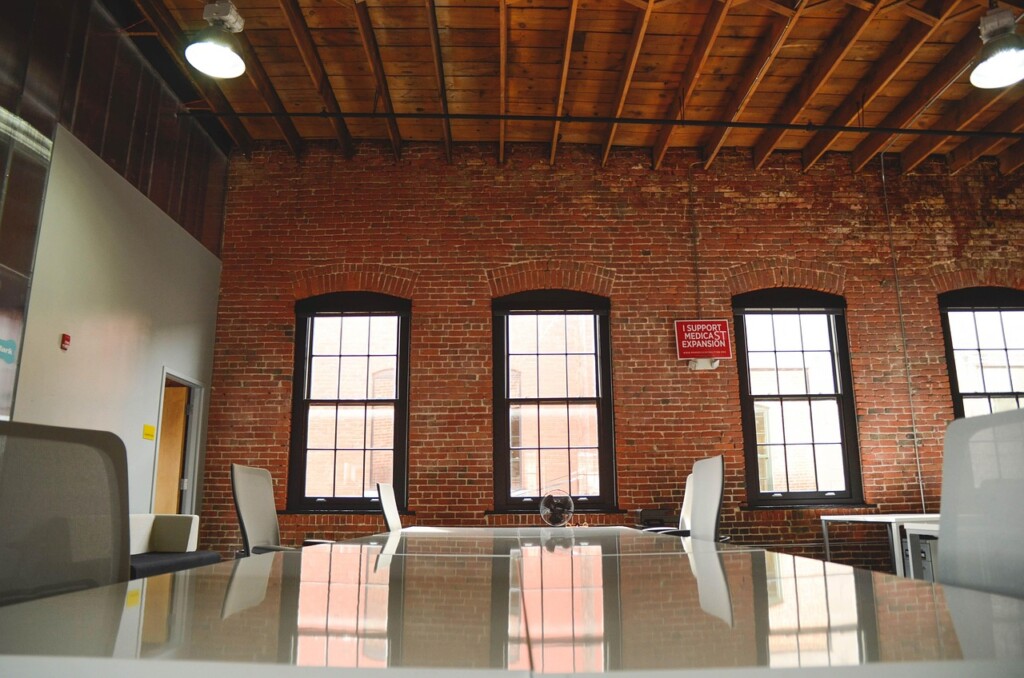
Renovation costs for industrial-to-office conversions tend to be lower than ground-up construction, yet the technical demands are anything but simple. Exposed concrete columns, raw steel trusses, and open industrial volumes require a contractor who can preserve structural character while meeting modern occupancy standards.
Contractor selection for converting a warehouse into creative office space with exposed concrete and steel shapes every outcome that follows, from structural safety and schedule reliability to the quality of the finished environment. The sections ahead cover the technical capabilities, sustainability criteria, and delivery processes that separate a well-matched team from one that will cost you time and budget mid-project.
What Technical Capabilities Should A Contractor Show For Exposed Concrete And Steel Conversions?
Structural Preservation And Modification
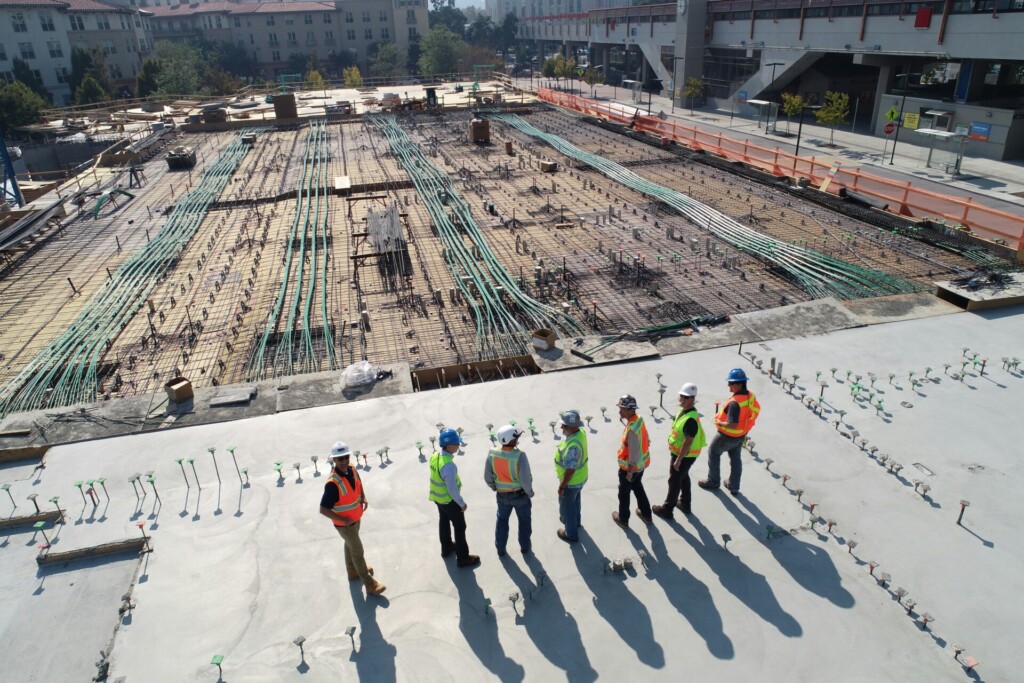
A contractor working on an exposed concrete and steel conversion must demonstrate the ability to assess existing structural members before a single cut is made. Concrete columns, beams, and steel trusses carry loads that were designed for industrial use, not open office occupancy, so understanding how those loads shift during renovation is fundamental. We evaluate each member’s capacity and determine where supplemental structural support is needed to accommodate the new program.
Opening up a warehouse envelope for large window walls requires careful coordination between the structural engineer of record and the field crew. Adding new steel framing around window openings while keeping trusses exposed for architectural character demands precise sequencing. The connection design at each new opening must account for both gravity loads and lateral forces, which is why structural steel erection on commercial renovation projects requires close coordination with the engineer regarding shoring during construction.
Garage doors fabricated from black metal and glass are a common feature in creative office conversions, linking interior café areas to exterior terraces. Installing these elements within an existing structural bay means verifying the header capacity and, in many cases, adding a steel lintel or moment connection to carry the load above the opening. We handle that structural work within the fit-out scope, not as a separate trade handoff.
Vertical Circulation And Space Planning
Adding an elevator and a communicating stair to a single-story or low-rise industrial shell transforms how occupants move through the building. Both elements introduce new concentrated loads into the existing floor slab and foundation system, requiring groundworks coordination and, in some cases, localized slab thickening or new pile caps beneath the elevator pit.
A communicating stair between levels also defines the zoning logic for the open office plan. Meeting rooms, flex spaces, and collaborative areas typically cluster around the vertical circulation core, which means the stair location influences everything from acoustic insulation placement to mechanical routing. We plan that relationship during design coordination so the fit-out reflects how the space will actually function.
Former loading docks present a specific opportunity in these conversions. The recessed slab, wide structural bays, and direct exterior access make them well-suited for main lobby entries. Converting a loading dock to a lobby involves floor slab repairs to bring the dock level up to grade, drainage rerouting, and often a new canopy or glazed entry system that reads as a deliberate architectural gesture, not an afterthought.
Mezzanine Construction And Fit-Out
Mezzanine office blocks are one of the most effective tools for adding usable area within a tall industrial shell without touching the primary structure. A properly engineered freestanding steel mezzanine, designed in accordance with AISC specifications and ANSI MH28.3 for industrial steel work platforms, can carry kitchens, toilets, and meeting rooms on the upper level while leaving the ground floor open for collaborative work. Column base plates must be sized to distribute loads across the existing slab, and the concrete beneath each column placement must be verified to handle the specified bearing pressure.
The fit-out within a mezzanine block requires acoustic insulation between levels and around meeting rooms to prevent sound transfer through the open warehouse volume. We use acoustically insulated partition systems that can be reconfigured as tenant needs change, which protects the owner’s long-term flexibility. Movable wall systems within the mezzanine envelope allow the same floor plate to serve as a single large conference room or divide into several smaller meeting spaces depending on the day.
Guard railing on mezzanine perimeters must meet code, and stair handrails must meet ADA-compliant horizontal rail requirements; stair treads must conform to applicable code dimensions for rise and run. These details are coordinated during the design phase so the permit set reflects the actual installation, not a generic specification that gets resolved in the field.
Civil Works And Building Systems
Civil engineering works on a warehouse conversion extend well beyond the building footprint. Floor slab repairs address decades of forklift traffic, chemical spills, and settlement that leave an industrial slab unacceptable for office occupancy. We assess the full slab condition early, identify areas requiring full-depth replacement versus surface grinding and patching, and sequence that work before interior partitioning begins.
Groundworks and drainage upgrades are often underestimated in conversion budgets. Rerouting existing site drainage, adding new catch basins, and tying into municipal storm systems require coordination with civil drawings and local utility authorities. We manage that scope directly rather than leaving it as a gap between the sitework contractor and the building contractor.
Electrical and building systems in an industrial shell are sized for manufacturing loads, not office density. Upgrading the distribution panel, adding data and power infrastructure across an open floor plate, and installing HVAC zoned for occupancy rather than process loads are all part of the building systems scope we coordinate. Relocating roller shutters, installing new partition doors, and integrating access control into the entry sequence round out the fit-out package and bring the building to a standard that supports modern office operations.
Operational Phasing
Many warehouse conversions happen on sites where portions of the building remain in active use throughout construction. Phased delivery keeps operations running by sequencing work zone by zone, establishing temporary partitions and egress routes, and scheduling noisy or disruptive activities outside of core business hours when necessary.
We develop a phasing plan during preconstruction that maps each construction zone against the owner’s operational requirements. That plan identifies which structural modifications, slab repairs, and fit-out scopes can proceed concurrently and which must wait for adjacent zones to reach a defined milestone. Phasing adds coordination complexity, but it protects the owner’s revenue stream and avoids the cost of relocating an entire operation during construction.
How Should Sustainability And Daylight Strategy Guide Contractor Selection?
LEED Certification As A Baseline Filter
LEED certification from the U.S. Green Building Council sets a measurable, third-party-verified standard for sustainable construction. Texas-specific requirements provide additional context for regional projects.
A contractor with a track record with LEED-certified industrial renovations brings documented experience in sustainable site development, water efficiency, energy performance, and indoor environmental quality. That history matters when evaluating whether a team can deliver certification outcomes, not simply claim familiarity with the framework.
When we assess a conversion project’s sustainability potential, LEED serves as the organizing framework that connects system decisions to measurable performance targets. Contractors without that experience tend to treat green features as add-ons rather than integrated design commitments. The difference shows up in both the certification scorecard and the long-term operating costs of the finished building.
Daylight Harvesting And Window Wall Strategy
Daylight harvesting reduces artificial lighting loads by using natural light as the primary source during occupied hours. In warehouse conversions, this typically means introducing large window walls along perimeter facades or above existing structural openings to bring controlled natural light to lobbies, open office areas, and meeting rooms. A contractor experienced in this approach understands how glazing placement interacts with the building’s existing structural grid.
Window walls in industrial conversions serve functional and aesthetic purposes. They preserve the raw character of exposed concrete and steel while significantly improving interior environmental quality. Contractors should demonstrate how they coordinate glazing specifications with structural reinforcement, shading strategies, and building orientation to avoid glare and heat gain without sacrificing light.
Energy Systems: From LED Fixtures To Renewable Integration
LED lighting and energy-efficient fixtures form the baseline of any credible energy strategy for a creative office conversion. Beyond lighting, a capable contractor should have experience integrating photovoltaic solar panels, solar thermal hot water systems, and EV charging infrastructure into the site plan. Some high-performance industrial projects have incorporated wind turbines and rooftop greenhouses alongside renewable energy systems, demonstrating that ambitious sustainability targets are achievable within an adaptive reuse scope.
EV support infrastructure requires early coordination between the electrical engineer, the civil team, and the general contractor. Conduit routing, panel capacity, and parking layout all need to align before concrete is poured. Contractors who have managed this coordination on prior projects bring a practical understanding of sequencing that helps prevent costly rework during fit-out.
Low-Emitting Materials And Indoor Environmental Quality
Low-emitting materials directly affect LEED scores under the Indoor Environmental Quality category. Adhesives, sealants, paints, flooring, and composite wood products all carry VOC thresholds that must be documented and verified during construction. A contractor with LEED project experience maintains the submittals and product data sheets needed to support third-party review.
Indoor water reduction strategies, including low-flow fixtures and sensor-activated systems, contribute to both LEED credits and long-term operating efficiency. Contractors should be able to specify and install these systems as part of a coordinated plumbing scope rather than as afterthoughts added during punch-list review.
Site Work: Permeable Surfaces, Stormwater, And Active Transportation
Sustainable site work extends the project’s environmental performance beyond the building envelope. Permeable parking surfaces and detention ponds manage stormwater on-site, reducing runoff volume and supporting LEED Sustainable Sites credits. Native landscaping reduces irrigation demand and supports local ecology without requiring maintenance-intensive plantings.
Pedestrian connections and bike racks address the transportation credits within LEED and respond to the preferences of the creative office tenant market. Contractors coordinating civil works alongside the building scope need to integrate these elements into the overall site logistics plan from the start. Treating site sustainability as a separate scope handled late in the project typically results in missed credits and value engineering that undermines the original design intent.
What Process And Delivery Strengths Indicate A Good Fit?

How a Structured Process Sets Strong Contractors Apart
A reliable contractor enters a warehouse conversion project with a defined sequence, not a loose plan. The engagement typically begins with a thorough consultation to gather your program requirements, growth projections, and operational constraints. That early conversation shapes everything from structural scope to phasing.
From there, the design phase should focus on productivity and safety rather than aesthetics alone. We coordinate layout decisions with code compliance and schedule realities so the build phase follows a clear, agreed-upon timeline. Minimizing disruption to active portions of the site is a core delivery expectation, not an afterthought.
Sign-off and aftercare close the loop. A contractor who hands over a completed space and disappears has only done half the job. Walkthroughs, documentation, and post-construction support give owners the confidence to operate their new space from day one.
Project Management and Phased Delivery in Operating Facilities
Consistent stakeholder communication is a measurable indicator of project management strength. We keep owners and their teams informed at every milestone, especially when structural or fit-out decisions require real-time input. A project manager who goes quiet between phases creates risk.
Phased construction is especially relevant in warehouse conversions where portions of a facility remain in use. We sequence work to protect active zones, maintain safe access routes, and limit noise or dust migrating into occupied areas. This level of schedule control requires detailed pre-construction planning and subcontractor coordination that not every team can execute.
Design-build delivery adds another layer of efficiency for complex scopes. When design and construction responsibility sits with a single entity, structural modifications, fit-out sequencing, and systems integration move faster. There is no gap between what the drawings show and what the field team builds, which matters on projects involving exposed structure and custom detailing.
Due Diligence: Licensing, Bids, and Industry Standing
Verifying licensing before signing any contract is non-negotiable. A licensed contractor has met state standards to operate, and that baseline matters when your project involves structural modifications, electrical upgrades, and civil works across a complex site.
Speaking with past clients provides context that a portfolio alone cannot. Ask specifically about schedule adherence, how the team handled unexpected site conditions, and whether the delivered scope matched what was proposed. Those conversations reveal how a contractor performs under pressure, not just on paper.
Collecting at least three competitive bids with complete, matching scopes gives you a reliable basis for comparison. A bid that appears significantly lower than the others often excludes demolition, permits, hauling, or post-construction cleanup. Scope completeness matters as much as the bottom-line number.
Industry affiliations such as membership in the Associated Subcontractors of America (ASA), the Associated General Contractors of America (AGC), or the Associated Builders and Contractors (ABC) signal a commitment to professional standards, safety practices, and ongoing education. A contractor’s safety record, including metrics like their Experience Modification Rate (EMR), offers an objective measure of how seriously they manage risk on active job sites.
Conclusion And Next Steps
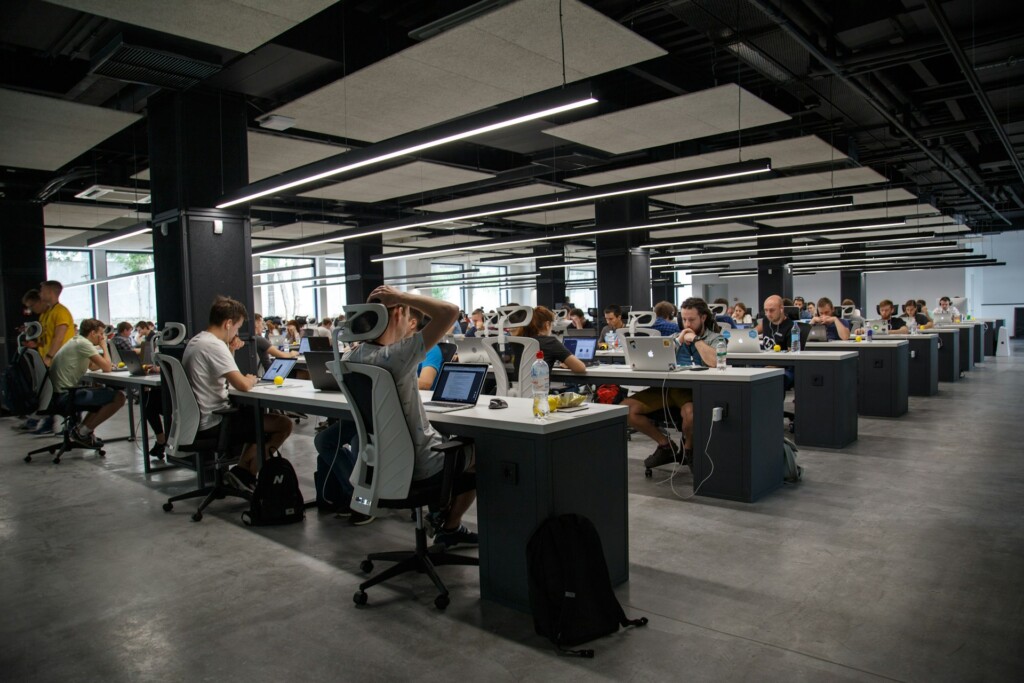
A successful warehouse-to-office conversion starts with a clear program definition. Before shortlisting firms, document the square footage you need, the level of exposed concrete and steel you want to preserve, and how the space will function across departments. That clarity shapes every decision that follows, from structural scope to fit-out sequencing.
From there, focus your shortlist on contractors with direct warehouse refurbishment and office fit-out experience. Look specifically for teams that have handled structural modifications, mezzanine construction, and flexible partitioning within existing industrial shells. Ask for case studies that show preserved structure; large window openings cut into existing facades; lobby conversions from former loading docks; and phased delivery in facilities that remained operational during construction. Those examples reveal whether a contractor can manage complexity without disrupting your timeline or your tenants.
Sustainability credentials deserve the same scrutiny as structural capability. Confirm that each candidate has a working approach to LEED certification, not just familiarity with the term. Ask how they have handled daylighting strategy, low-emitting materials selection, and energy-system integration on past industrial renovation projects. A contractor who has navigated those requirements before will move through the certification process with far less friction.
Finally, conduct the due diligence that protects your investment. Verify current licensing, speak directly with past clients about schedule adherence and communication quality, and collect at least three full-scope bids before making a decision. Bids without detailed breakdowns make fair comparison impossible and often signal gaps that surface as change orders later. The team that aligns on technical capability, sustainability approach, and delivery process gives your creative office conversion the strongest foundation for success.
At EB3 Construction, we bring the structural expertise, fit-out experience, and project management discipline that warehouse-to-office conversions demand. Reach out to our team to discuss your program and start building a plan that works for your space.