
Auto dealership retrofits demand precise coordination between construction execution and ongoing business operations. Unlike traditional commercial projects, these renovations must balance code compliance updates with the reality that sales floors and service bays generate revenue every day they remain operational. The challenge lies in modernizing customer-facing showrooms, upgrading service facilities, and enhancing site circulation—all while maintaining the daily throughput that keeps dealerships profitable.
Strategic planning separates successful retrofits from disruptive failures. The key involves identifying which zones deliver the highest return on investment, then sequencing construction phases to minimize operational impact. From occupancy classification requirements that shape scope decisions to lighting upgrades that enhance vehicle presentation, each element connects to create a comprehensive modernization plan.
Understanding these priorities helps dealership operators and construction teams align on realistic timelines, phasing strategies, and compliance requirements before breaking ground.
Which Dealership Zones Should Be Prioritized During Retrofit Planning?

Strategic zone selection drives immediate impact and long-term value in dealership retrofits. We organize priorities around areas that directly influence revenue generation, operational efficiency, and customer satisfaction. The key lies in balancing high-visibility spaces with behind-the-scenes functions that support smooth daily operations.
Customer-Facing Zones That Drive Sales Performance
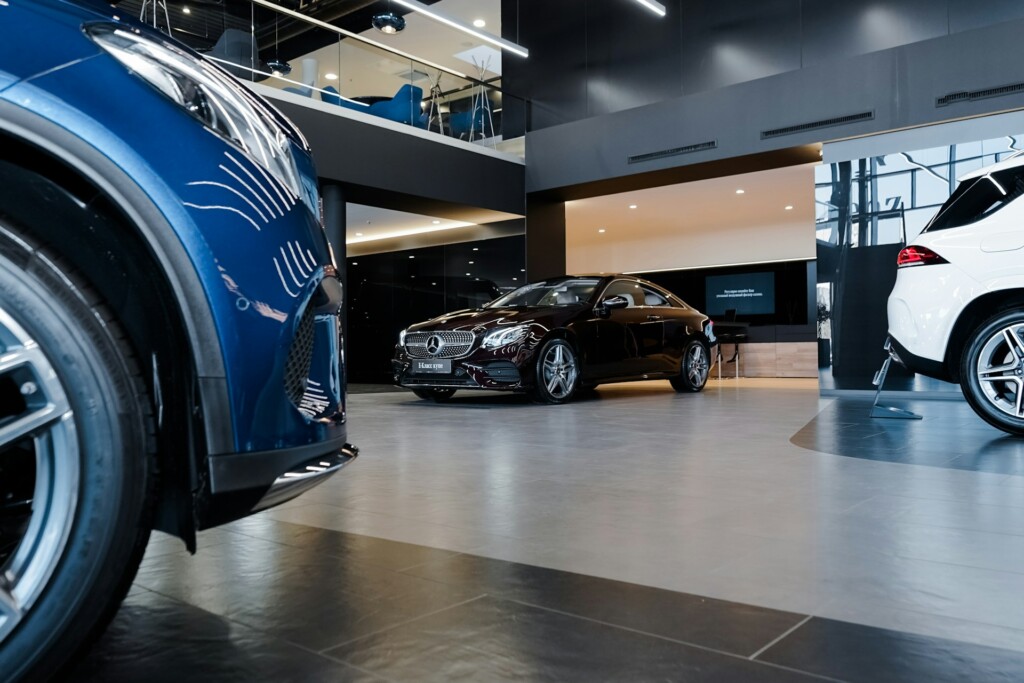
Showroom and galleria spaces require the most attention because they shape first impressions and purchase decisions. Modern displays, expansive glass, and comfortable lounge areas create the environment customers expect. Sales offices and conference rooms within these spaces need updates that support individual consultations and group presentations.
Customer waiting areas deserve equal priority because they influence service satisfaction scores. Clear sightlines into service bays reassure customers about work progress, while comfortable seating and amenities reduce perceived wait times. These spaces often connect directly to service circulation, making them critical transition zones that affect overall flow.
Service Operations That Support Efficiency
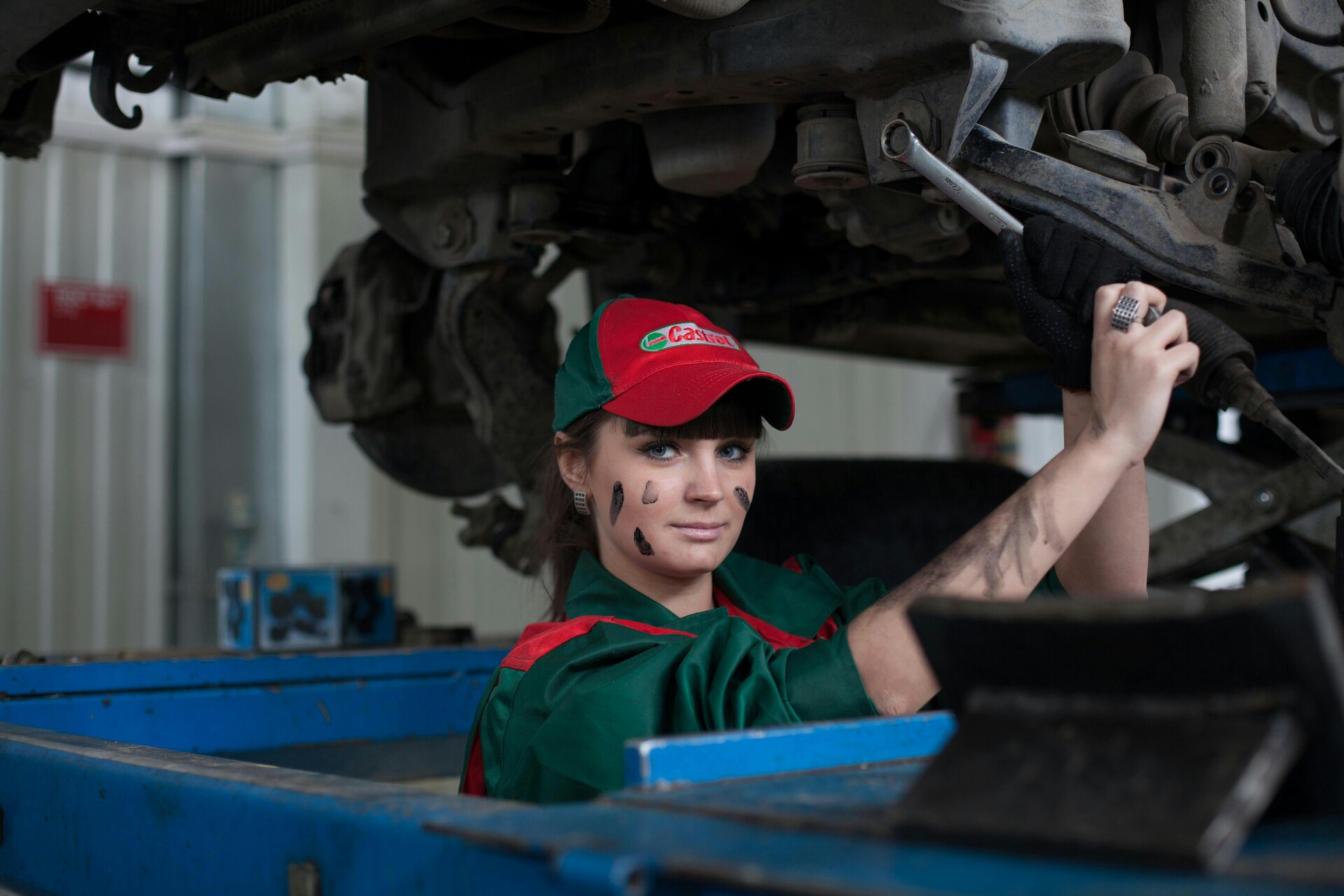
Service bays and lube shops directly affect turn times and capacity. Efficient layouts reduce vehicle movement between stations, while improved lighting enhances work quality and safety. These areas often require coordination with parts storage systems to minimize technician walking distances and streamline workflow.
Parts storage benefits significantly from a two-level planning approach. Vertical solutions can double capacity within the same footprint, supporting a larger inventory without expanding the building. Smart organization systems in these areas reduce order fulfillment time and improve accuracy.
Car wash bays integrate with service circulation patterns and should align with overall traffic flow. Proper planning ensures these facilities meet accessibility requirements while maintaining operational efficiency.
Support Areas That Enable Operations
Second-floor office finish-out supports administrative and finance operations that drive dealership profitability. These spaces often house F&I offices, management suites, and training rooms that require professional environments separate from service activity. Updates typically focus on technology infrastructure, meeting spaces, and employee amenities.
Site elements, including paving and ADA parking, create the foundation for all other activities. Clear access routes between sales and service areas prevent bottlenecks during peak periods. Proper circulation design accommodates delivery trucks, customer vehicles, and employee parking without conflicts.
How Do Occupancy And Code Compliance Guide Scope And Design?
Auto dealership retrofits require careful attention to occupancy classifications because these facilities typically combine different use types under one roof. The International Building Code treats dealership areas differently based on their function, which directly shapes retrofit scope and compliance requirements.
Business Group B occupancy covers customer-facing areas like sales offices, conference rooms, and administrative spaces. These zones focus on professional transactions and storage of records. Meanwhile, service bays, parts storage, lube shops, and car wash facilities fall under Storage Group S-1 occupancy due to their moderate-hazard storage and repair functions.
Mixed-Use Classification Requirements
We verify occupancy classifications early in retrofit planning because each type carries distinct code requirements. B occupancy areas must meet business facility standards for egress, fire protection, and accessibility. S-1 zones require enhanced ventilation, fire suppression measures, and specialized plumbing systems to handle automotive fluids and waste.
The combination of these occupancies in a single facility means compliance work must address both classifications simultaneously. This affects everything from fire-rated assemblies between zones to emergency egress planning across the entire facility.
Plumbing System Upgrades
Service areas demand specialized plumbing improvements that go beyond typical business facility requirements. Car wash bays need drainage systems capable of handling high-volume water flow and chemical runoff. Lube shops require oil-water separators and proper disposal connections for automotive fluids.
Parts storage areas may need floor drains and spill containment systems, especially if they house hazardous materials like batteries, oils, or cleaning solvents. We coordinate these plumbing upgrades with local environmental regulations and fire code requirements specific to automotive service facilities.
ADA Compliance and Accessible Routes
Accessibility updates must create compliant paths from parking areas through both B and S-1 zones. ADA parking requirements specify minimum accessible spaces based on total parking count, with van-accessible spaces distributed appropriately across the site.
Customer routes must provide a minimum width of 48 inches with compliant slopes and landing areas at doors. Service areas accessible to customers, such as waiting lounges with views into service bays, need compliant routes and turning spaces. Office finish-out on upper levels requires an accessible means of egress and elevator access where applicable.
Life Safety Enhancements
Multi-level dealerships present unique life safety challenges because occupants may be unfamiliar with the facility layout. Emergency egress systems must account for both transient customers in B occupancy areas and workers in S-1 service zones who are more familiar with the building.
Fire suppression systems require coordination between different occupancy requirements. Business areas may need standard sprinkler coverage, while service bays often require specialized suppression systems designed for automotive fires and flammable liquid hazards.
We design emergency lighting and exit signage to guide occupants safely from both levels, ensuring compliance with current life safety codes. This includes proper illumination of exit routes, stairwells, and assembly areas outside the building.
How Can Phasing Keep Sales And Service Running During Construction?
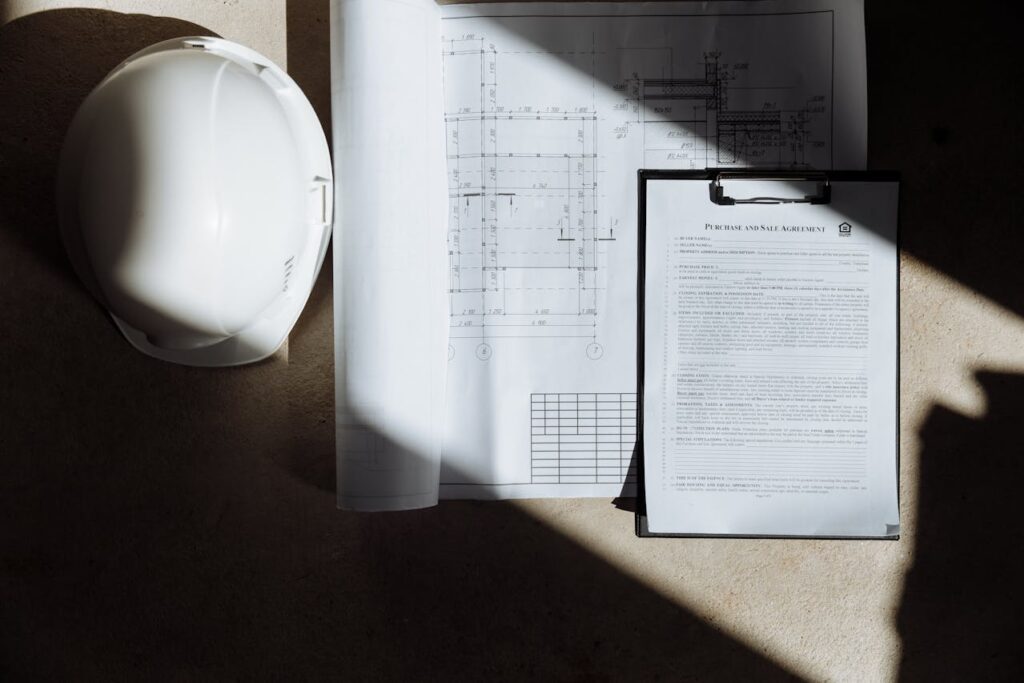
Multi-phase renovation allows dealerships to maintain revenue streams while upgrading facilities systematically. We coordinate construction schedules around peak business hours and service demand to minimize disruptions.
Strategic phasing typically begins with less visible areas, such as parts storage or second-floor offices, before moving to customer-facing zones. This approach preserves usable square footage during each phase while establishing temporary pathways for service operations.
Sequencing Work by Operational Zones
We organize phased construction around dealership functions rather than arbitrary timelines. Service bay work typically occurs during overnight hours when maintenance schedules allow downtime. Showroom renovations progress in sections, maintaining display space for inventory throughout the project.
Two-level sequencing addresses ground-floor customer access first, then transitions to administrative areas above. This method protects daily sales operations while allowing office finish-out work to proceed without disrupting customers.
Maintaining Customer and Service Access
Clear pathways between sales, service, and parts departments remain essential during construction phases. We establish temporary barriers that direct foot traffic while protecting customers from construction zones. Service drive-through access stays functional through coordinated scheduling with construction activities.
Alternative entry points often become necessary when main entrances require upgrades. We coordinate with dealership managers to identify secondary access routes that maintain a professional appearance and meet customer safety standards.
Coordinating Construction Windows with Service Operations
Service center coordination requires detailed scheduling around peak repair times and customer appointments. We align construction activities with service bay availability, typically during early morning hours or planned maintenance downtime.
Customer scheduling becomes more predictable when construction phases follow clear patterns. Sales staff can inform customers about temporary layout changes and expected completion dates for each renovation section.
Single-Vendor Streamlining for Vehicle Readiness
Auto reconditioning workflows must continue during renovation to maintain inventory readiness for sales. We coordinate with reconditioning vendors to establish temporary work areas that keep vehicles market-ready throughout each phase.
Inventory readiness depends on maintaining wash bay access and detailing capabilities during construction. Single-vendor partnerships simplify logistics by consolidating reconditioning services under one coordinated schedule aligned with our construction phases.
What Lighting, Exterior, And Service-Area Upgrades Align With Modern Dealerships?
Modern dealership design relies on strategic lighting and exterior improvements to create compelling customer experiences while supporting operational efficiency. We treat these upgrades as integrated systems that work together to enhance vehicle presentation, improve safety, and strengthen brand identity throughout the facility.
Dealerships perform best when lighting design serves aesthetic and functional goals. The right illumination makes vehicles look their best while creating safe, comfortable environments for customers and staff across the property.
Showroom Lighting That Showcases Inventory
Showroom environments require bright, uniform illumination that brings out the true colors and details of vehicles on display. We specify high-CRI LED fixtures that render paint finishes accurately and eliminate harsh shadows that hide design elements. Color temperatures between 4000K and 5000K provide crisp, daylight-quality illumination that helps each vehicle look its best.
Even light distribution prevents hot spots and dark areas that create uneven vehicle presentation. Track lighting systems offer flexibility to highlight featured models or seasonal promotions. Recessed downlights provide general illumination, while accent fixtures draw attention to specific displays or brand messaging areas.
Exterior Lot Lighting for Security and Visibility
High-output LED pole fixtures transform dealership lots into well-lit showcases that remain inviting after dark. These systems provide the consistent illumination needed for security and vehicle presentation. Modern LED technology delivers superior color rendering that keeps inventory visible and appealing after dark.
Area lighting design balances coverage with glare control to avoid disturbing neighboring properties. We position fixtures to minimize light spillover while ensuring comprehensive lot coverage. Motion sensors can provide additional security lighting in remote areas while reducing energy consumption during low-activity periods.
High-Bay Service Shop Illumination
Service areas demand specialized lighting that supports detailed work while maintaining safety standards. High-bay LED fixtures deliver the foot-candle levels technicians need for accurate diagnostics and repairs. Wide beam distributions eliminate shadows under vehicle hoods and around lift areas.
Linear LED systems perform well in service bays because they provide continuous illumination across work zones. These fixtures resist vibration from equipment operation and maintain consistent output in demanding environments. Integration of emergency lighting ensures evacuation routes remain visible during power outages.
Floor-to-Ceiling Glass and Brand Signage
Extensive glazing provides the transparency dealerships need for strong street presence. Floor-to-ceiling glass systems flood interior spaces with natural light while allowing 24-hour visibility of inventory from public roads. These installations require careful coordination with HVAC systems to manage solar heat gain and maintain comfortable interior conditions.
Clear brand signage integrated with architectural lighting reinforces dealership identity and improves wayfinding. Illuminated channel letters and cabinet signs maintain visibility during all hours of operation. LED retrofits of existing signage reduce maintenance while improving brightness and consistency.
Site Circulation and Paving Improvements
Paving and circulation upgrades connect different facility zones while supporting smooth traffic flow. We design pathways that guide customers naturally from parking areas to showroom entrances and service drop-off zones. Clear sight lines between areas help customers navigate the property confidently.
Service drive layouts optimize efficiency for quick oil changes and maintenance appointments. Dedicated circulation routes separate customer and service traffic to reduce congestion. ADA-compliant pathways and parking spaces ensure accessibility throughout the facility while meeting current code requirements.
Conclusion And Next Steps
A successful auto dealership retrofit project in Houston starts with systematic zone planning and clear occupancy verification. We document square footage by function across showrooms, service areas, parts storage, and office spaces to establish baseline conditions before construction begins. This approach lets us define targeted upgrades for service bays, lube shops, and car wash areas while maintaining service continuity throughout the project.
The phased construction plan is your roadmap for protecting sales and service revenue during renovation. We coordinate multi-level sequencing that keeps customer access clear, aligns construction windows with service center schedules, and integrates reconditioning workflows so inventory stays market-ready. Code compliance review covers plumbing upgrades, ADA updates across parking and circulation paths, and life-safety enhancements that meet current standards for both B-occupancy sales areas and S-1 service facilities. Dealership lighting upgrades and site circulation improvements complete the modernization while supporting long-term operational efficiency.
Ready to plan your dealership retrofit with a construction partner who understands automotive operations? Contact EB3 Construction to discuss phasing strategies and project coordination that keep your Houston dealership running smoothly during construction.