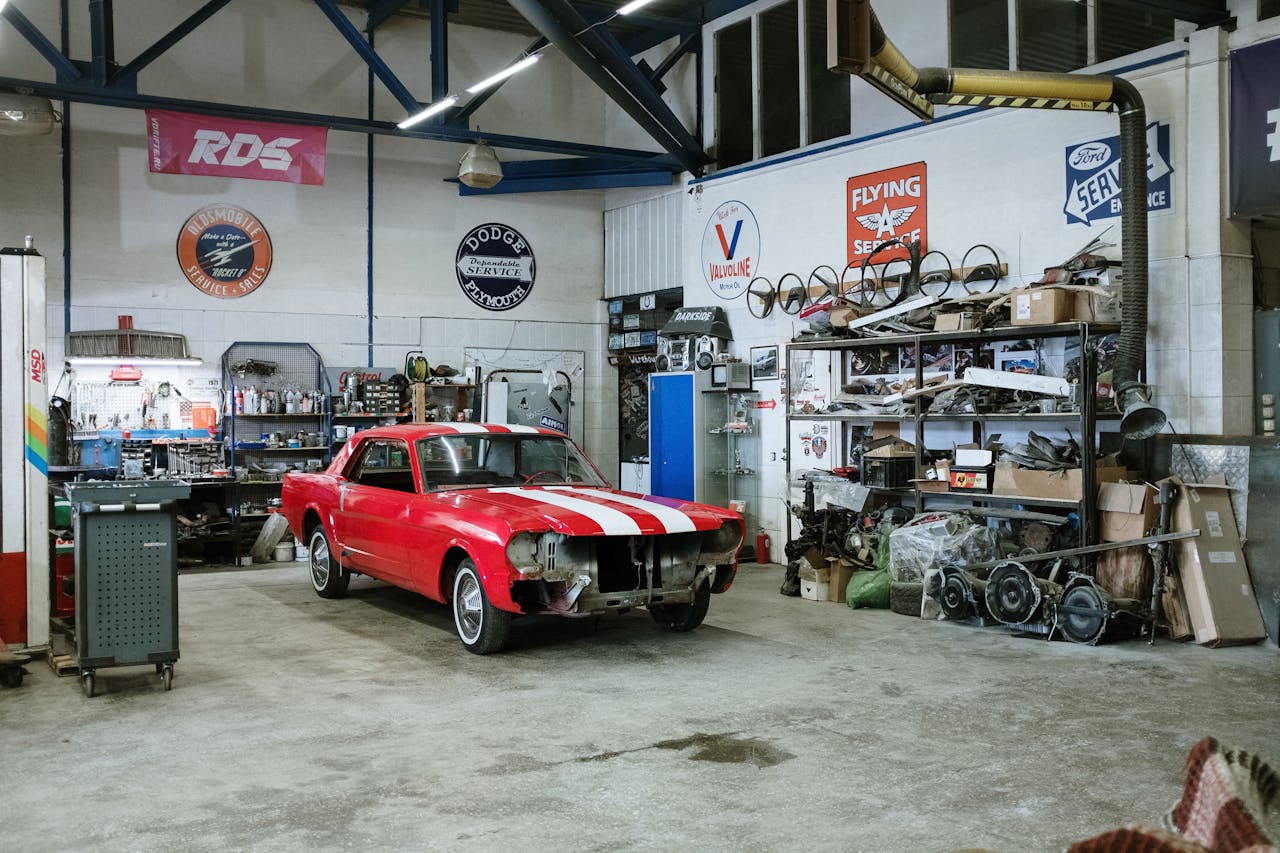
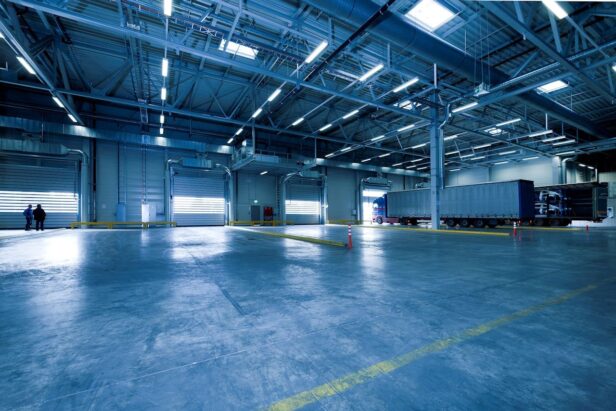
Auto parts distribution centers serve as critical nodes where automotive components move from manufacturers to retailers, mechanics, and consumers nationwide. These facilities receive shipments from hundreds of suppliers, organize inventory across thousands of SKUs, and fulfill orders within hours to maintain supply chain velocity.
Auto parts distribution center construction encompasses the specialized design and build process for facilities that handle automotive components at scale. We coordinate site preparation and foundations, structural framing and roofing systems, electrical and HVAC infrastructure, plus interior systems including lighting, pallet racking, conveyors, and safety equipment. Each decision during construction affects long-term operational costs, throughput capacity, worker safety, and the facility’s ability to adapt to changing logistics demands.
How Should Site Selection And Preconstruction Be Handled For Auto Parts DCs?
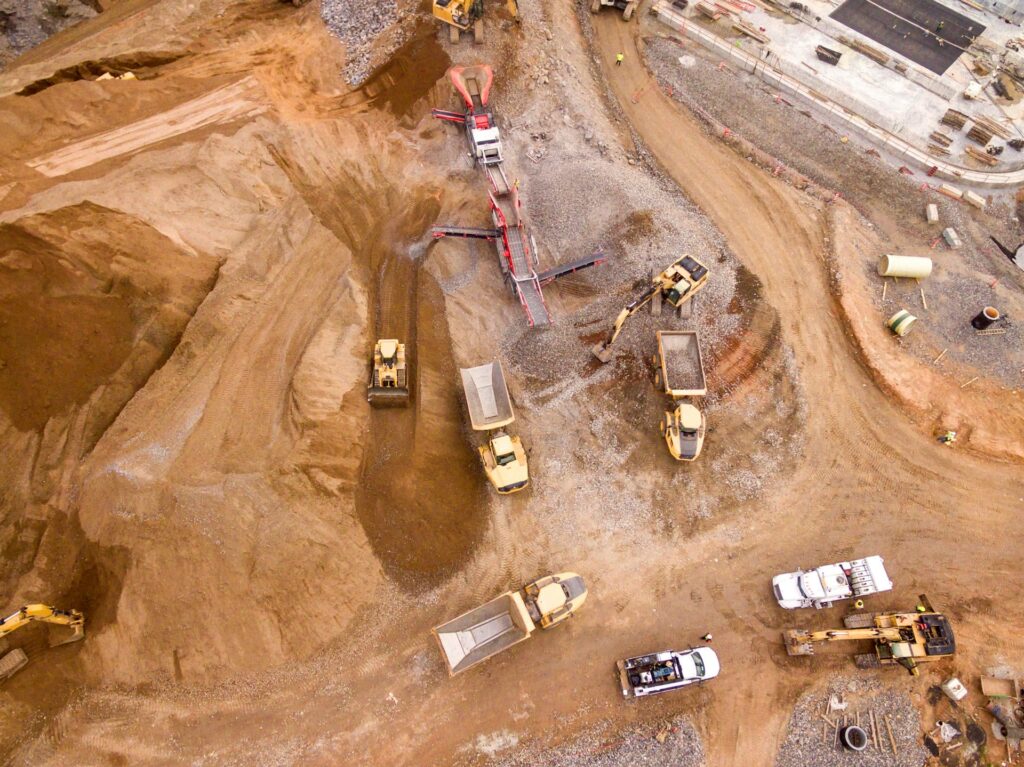
Location decisions set the foundation for everything that follows. We examine land costs, proximity to major highways and freight networks, labor availability, and utility capacity when evaluating potential sites. These factors directly influence both project budgets and construction timelines.
Site Selection Criteria For Parts Distribution Centers
Highway access drives distribution efficiency. We prioritize sites within easy reach of interstate corridors and freight routes that serve automotive assembly plants and parts suppliers. Direct rail access can reduce transportation costs for high-volume, bulk shipments, particularly when dealing with heavy components like engines or transmissions.
Labor markets matter as much as transportation networks. We analyze regional workforce availability, skill levels, and wage rates during site evaluation. Areas with existing automotive manufacturing often provide trained workers familiar with parts handling and quality requirements.
Utility infrastructure requires careful verification. We confirm electrical capacity for material handling equipment, adequate water supply for fire protection systems, and telecommunications readiness for inventory management systems. Power grid capacity becomes critical when planning for automated storage and retrieval systems.
Essential Preconstruction Tasks
Permits and approvals launch the preconstruction phase. We secure building permits, zoning approvals, and environmental clearances early to prevent project delays. Construction cannot legally begin without proper permits in place, and permit fees must be paid in full before issuance.
Feasibility studies identify potential site challenges before breaking ground. Stormwater permits under the Clean Water Act become mandatory for projects disturbing one acre or more of land. We conduct soil testing, environmental assessments, and utility mapping to uncover issues that could impact foundation design or construction costs.
Conceptual drawings establish project scope and prevent costly redesign. We develop initial layouts that reflect building codes, end-user operational needs, and material handling requirements. These drawings guide permit applications and help define construction specifications.
Site Preparation Planning
Site preparation requires systematic planning for clearing, grading, and drainage. We establish temporary utilities, secure perimeter fencing, and address erosion control measures before earth-moving begins. Proper drainage design prevents water pooling around foundations and protects against future structural issues.
Foundation requirements depend on soil conditions and structural loads. We specify foundation depth, reinforcement, and concrete strength based on geotechnical analysis and anticipated racking loads. Heavy-duty floors for very narrow aisle equipment and high-bay storage systems require specialized foundation design.
Early scope definition reduces change orders during construction. We establish clear specifications for site work, foundation systems, and utility connections before finalizing contracts. This approach keeps projects on schedule and within budget by minimizing mid-construction modifications.
How Should The Building Be Designed For Storage Density, Safety, And Automation?
We design auto parts distribution centers from the inside out. Start with operational throughput requirements, inventory volumes, and projected growth patterns. These parameters drive every structural and mechanical decision that follows.
Building column spacing requires precise alignment with rack configurations. We position columns to align with back-to-back rack flue spaces, burying structural elements where they won’t interfere with storage density. Speed bay areas near dock doors need clear spans for staging operations and dock leveler installations.
Floor Specifications For High-Density Operations
DC floors must meet stringent flatness and levelness standards. Very Narrow Aisle (VNA) rack configurations and high-bay crane solutions require special floor design considerations beyond standard concrete specifications. We specify floors capable of supporting mobile equipment reaching extreme storage heights.
Floor thickness and reinforcing must account for concentrated loads from pick modules and automated storage systems. Point loads from rack uprights and material handling equipment determine concrete depth and steel reinforcement patterns. These specifications prevent settling that would compromise equipment operation over time.
Fire Protection Systems
ESFR sprinklers form the backbone of fire protection in high-density storage. These systems deliver early suppression through larger water droplets that penetrate fire plumes effectively. ESFR sprinklers require maximum coverage areas not exceeding 100 square feet per head and spacing between 10 and 12 feet apart depending on ceiling height.
In-rack sprinklers become necessary when storing hazardous or highly flammable commodities. These systems require separate control valves and dedicated risers running through rack structures. We coordinate sprinkler placement with rack manufacturers early to avoid conflicts during installation.
Ceiling-Hung Systems And Material Flow
Ceiling-supported conveyors keep floor areas clear for forklift traffic and maintenance access. These systems require additional structural capacity in roof framing and strategic placement to avoid interference with sprinkler coverage. We design conveyor supports to accommodate future reconfiguration as operational needs change.
Egress routes must maintain code-required distances throughout the facility. OSHA and local codes limit personnel travel distances to exits. We integrate egress planning with rack layouts to ensure compliance without sacrificing storage density.
Electrical Infrastructure
Electrical service sizing accounts for material handling equipment loads and automation systems. We calculate power requirements for conveyor motors, automated guided vehicles, and robotic systems during design development. Strategic panel placement reduces conduit runs and supports future expansion.
Power distribution panels require accessibility for maintenance while staying clear of operational areas. We locate panels in designated electrical rooms or along perimeter walls where they won’t interfere with storage or material flow.
IT Infrastructure For Automation
Reliable IT infrastructure supports AGVs, AMRs, and goods-to-person systems. WiFi surveys determine access point density needed for consistent coverage throughout storage areas. Storage racks can create signal interference, requiring additional access points in high-density zones.
MDF/IDF rooms house servers and network equipment supporting warehouse management systems. These spaces require environmental controls, backup power, and fiber optic connectivity to support real-time inventory tracking and automated material handling systems.
| Specification | Details |
| Floor Specifications | Very Narrow Aisle (VNA) configurations and high-bay crane solutions; require special floor designs capable of supporting mobile equipment at extreme storage heights. |
| Fire Protection | ESFR sprinklers deliver early suppression; in-rack sprinklers necessary for hazardous commodities; spacing between 10 and 12 feet apart based on ceiling height. |
| Automation Systems | Includes AGVs and AMRs; requires reliable IT infrastructure with adequate WiFi access points; early planning needed for power distribution and data infrastructure. |
| Racking Systems | Designed to match specific load requirements; ANSI MH16.1 guidelines for tolerances and anchoring. |
| Safety Standards | OSHA 1910 Subpart N guidelines; regular inspections and installation of impact guardrails; back-of-rack protection barriers. |
We coordinate all building systems during design to prevent conflicts during construction. Early integration of structural, mechanical, electrical, and IT systems ensures optimal performance and reduces change orders that can delay project completion.
What Are The Major Cost Components In Auto Parts Distribution Center Construction?

Construction budgets organize into distinct cost categories that require careful balance. We structure project expenses to capture all necessary components while identifying where strategic decisions create the greatest impact on both initial investment and operational performance.
Preconstruction Planning And Engineering Expenses
Preconstruction costs include permits, feasibility studies, design development, and engineering services. Permit fees vary by jurisdiction but typically range from 0.5% to 3% of total project value. Feasibility studies assess site conditions, utility capacity, and zoning compliance to prevent costly surprises during construction.
Design and engineering fees account for 4% to 6% of hard construction costs. We engage architects and engineers early to develop conceptual drawings that reflect operational requirements and building codes. This upfront investment prevents change orders and ensures the facility meets both current needs and future expansion plans.
Building And Installation Infrastructure
Building and installation costs represent the largest expense category, covering site preparation, foundations, structural systems, and all building envelope components. Site preparation includes clearing, grading, and drainage systems that support heavy vehicle traffic and proper water management.
Foundation construction must accommodate concentrated loads from racking systems and material handling equipment. We specify reinforced concrete foundations with appropriate thickness and reinforcement patterns to support high-density storage operations. Steel framing provides clear spans necessary for flexible rack configurations while supporting roof loads and building systems.
Roofing systems protect operations and equipment while accommodating HVAC units, sprinkler systems, and potential future solar installations. Electrical infrastructure includes service sizing for current operations plus capacity for automation upgrades. Plumbing systems serve facilities and safety equipment, while HVAC installation maintains proper environmental conditions for equipment operation and worker comfort.
Interior Fit-Out And Operational Systems
Interior setup transforms the building shell into a functional distribution facility. Durable flooring systems must withstand forklift traffic, resist chemical exposure, and maintain flatness tolerances for material handling equipment. We specify concrete sealing and protective coatings that extend floor life and reduce maintenance requirements.
Efficient lighting design reduces energy consumption while providing adequate illumination for picking accuracy and safety. LED fixtures with smart controls optimize energy use and can achieve 15% to 30% savings compared to traditional lighting systems. These decisions impact operational costs throughout the facility’s lifecycle.
Storage systems include rack installation, conveyor belts, and material handling equipment integration. Proper installation ensures safe operations and maximizes storage density within the available footprint.
Location-Based Cost Variables
Geographic location significantly affects both land acquisition costs and construction expenses. Proximity to major highways and freight corridors commands premium pricing but reduces transportation costs for ongoing operations. Rural locations offer lower land costs but may require additional investment in utilities and infrastructure.
Off-site infrastructure requirements vary by location and can include utility extensions, road improvements, or environmental mitigation measures. We evaluate these factors during site selection to understand total development costs rather than just land acquisition prices.
Material Selection Impact On Lifecycle Performance
Construction material choices affect both initial costs and long-term operational expenses. Pre-engineered steel building systems typically cost $15 to $20 per square foot for basic shell structure. These systems accelerate construction schedules and provide flexibility for future modifications or expansions.
Energy-efficient materials increase upfront investment but generate savings through reduced utility costs and improved equipment performance. Proper insulation, high-performance roofing, and efficient building envelope design can reduce HVAC operational costs by 20% to 40% over the facility’s lifecycle.
Durable materials minimize maintenance requirements and extend equipment life. We select finishes and systems based on their ability to withstand daily operations while maintaining performance standards that support efficient distribution activities.
How Do Racking, Safety Standards, And Operations Shape Parts DC Performance?
Dense racking configurations and narrow aisles maximize storage capacity in high-volume parts operations. Floor reinforcement becomes critical when supporting heavy rack systems and material handling equipment. We design rack systems to match specific load requirements and coordinate with lift equipment specifications during construction planning.
ANSI MH16.1 provides essential guidelines for rack tolerances and anchoring requirements. This standard addresses column base plates, anchors, and structural integrity maintenance. We ensure rack columns receive proper anchoring to floors with anchor bolts designed to resist all applicable forces.
OSHA 1910 Subpart N governs material handling and storage safety requirements. Regular rack inspections identify damage early and prevent system failures. We implement inspection programs that isolate damaged areas immediately and require storage rack design professional evaluation before returning sections to service.
Operational Layout And Safety Integration
Clear forklift aisles reduce accidents and improve throughput efficiency. Impact guardrails protect rack uprights from equipment damage during daily operations. We install back-of-rack protection barriers and column guards to minimize structural damage from material handling equipment.
Double-deep racking increases storage density while maintaining access for specialized lift equipment. Load capacity plaques display maximum permissible unit loads and total loads per bay. These visual guides prevent overloading and ensure safe operation across all storage levels.
Automation Pathways And Scalability
Automation pathways require early planning during construction to avoid costly retrofits. Power distribution and data infrastructure support future automated guided vehicles and robotics integration. We design electrical service capacity and panel placement to accommodate expanding automation needs.
Security and access control systems integrate with operational workflows without disrupting material flow. Card readers, cameras, and monitoring systems protect inventory while maintaining efficient operations. Network infrastructure supports real-time inventory tracking and warehouse management systems.
Routine maintenance schedules keep racking systems operating at peak performance. Load distribution monitoring prevents uneven weight placement that can compromise structural integrity. We establish inspection protocols that identify potential issues before they impact operations or safety compliance.
Conclusion And Next Steps

Successful auto parts distribution center construction hinges on three foundational elements: thorough preconstruction planning, inside-out facility design, and detailed cost planning. We prioritize column spacing that aligns with racking systems, floor specifications that support heavy equipment loads, ESFR sprinkler coverage for fire protection, electrical capacity sized for automation growth, and robust IT infrastructure. Selecting durable construction materials and integrating racking systems, safety protocols, and automation pathways from the start prevents costly retrofits and operational disruptions.
Moving forward requires executing specific action items in the proper sequence. Confirm site readiness and utility availability before breaking ground. Finalize conceptual drawings against current building codes and operational requirements. Define rack configurations and material handling equipment loads to inform floor design and sprinkler system specifications. Coordinate permits, site preparation, and building system installations to maintain project schedules and avoid delays that compound costs.
Ready to build an auto parts distribution center that delivers operational excellence? Contact EB3 to discuss your project requirements and construction timeline.