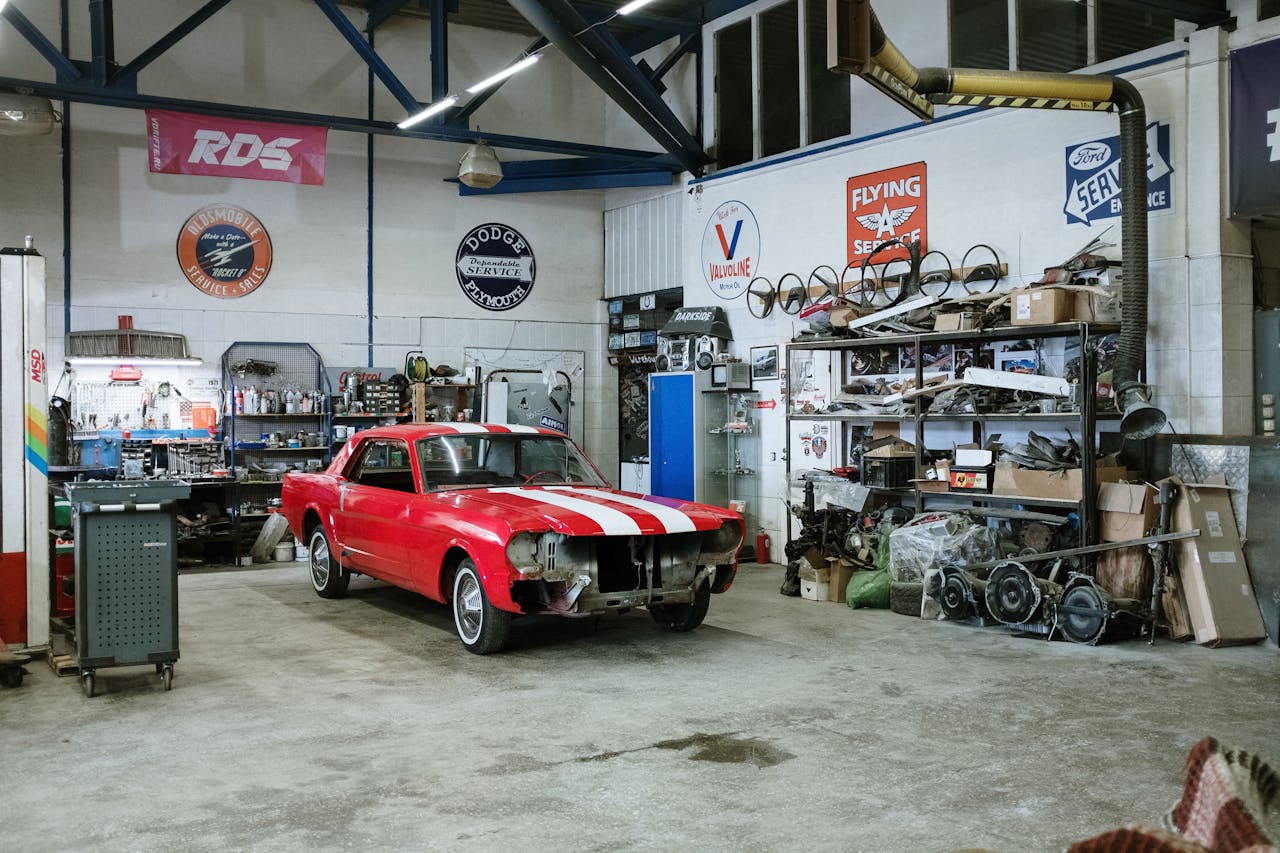

A $110 million facility upgrade in New Braunfels highlights how automotive facility retrofits and expansions across Texas are transforming active plants into centers for next-generation vehicle production. Crane picks set roofing panels while automated material-handling systems take shape beneath open-roof structural work—all as production lines continue running.
These projects reconfigure existing footprints to accommodate radar sensors, automated warehouses, and specialized areas for advanced driver-assistance systems (ADAS) production. Safety cordons mark active work zones where we coordinate crane lifts around operational manufacturing lines, requiring precise sequencing to maintain construction progress and protect production schedules.
What Forces Are Driving Texas Automotive Facility Retrofits And Expansions?
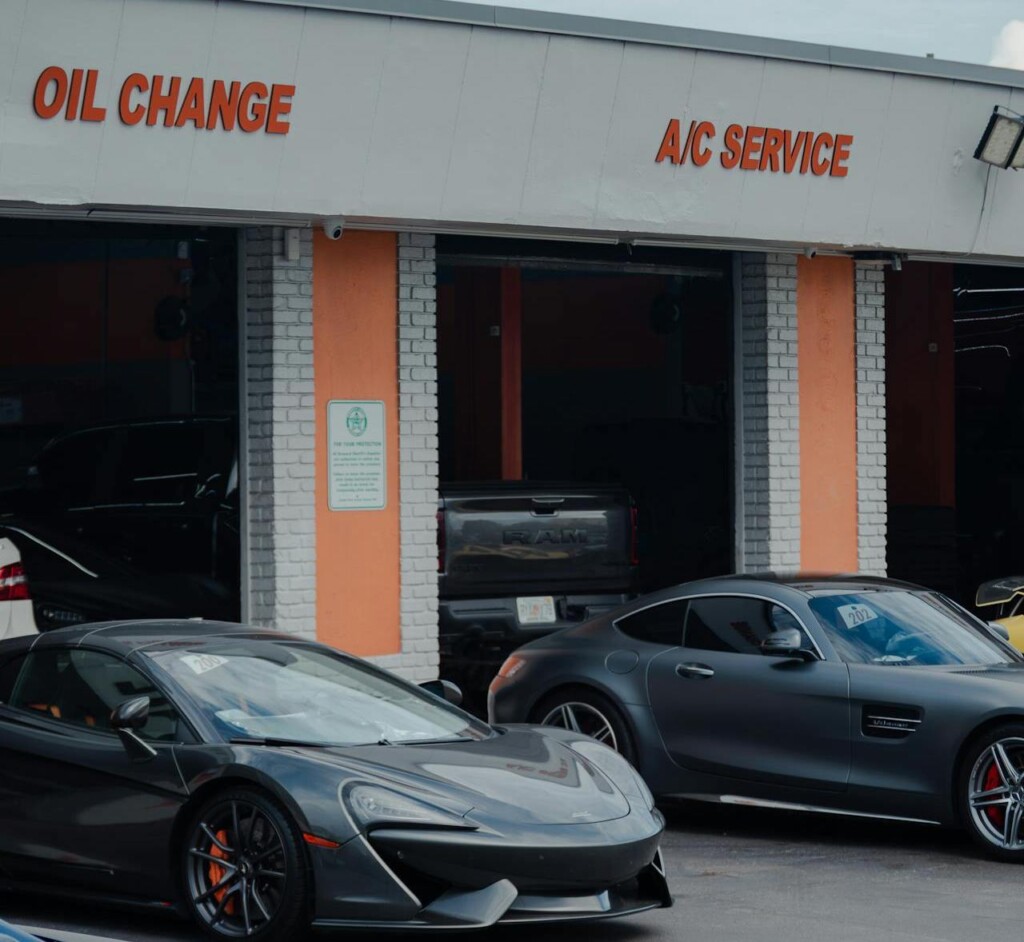
The surge in automotive facility upgrades across Texas stems from specific market demands and coordinated policy support. ADAS technology requirements are pushing manufacturers to create specialized production zones for radar sensors and vehicle electronics. We see this directly in our project portfolio, where facilities need new cleanroom environments and precision assembly areas.
Our New Braunfels expansion exemplifies this shift. The $110 million project adds 65,000 square feet and includes an automated warehouse designed for ADAS component handling. Operations are targeted to begin in August 2027, with approximately 100 new positions. This reflects a broader industry movement toward advanced driver-assistance systems and their complex supply requirements.
State and local policy tools provide crucial project support. The Texas Enterprise Fund offers deal-closing grants for projects competing with out-of-state locations, supporting significant automotive investments statewide. Property tax abatements reduce long-term operating costs and improve project feasibility. Texas also reinstated its R&D tax credit through HB 800, extending benefits through 2026 for process improvements tied to new vehicle technologies.
Supply chain proximity drives facility decisions along the I-35 corridor. This NAFTA corridor connects major manufacturing centers from Laredo to Dallas, reducing transport costs and delivery times. Co-located supplier parks enable just-in-time production models where parts arrive precisely when needed. We coordinate these logistics daily, positioning facilities near key transportation networks.
Workforce growth supports expansion plans across major metro areas. Texas automotive employment has increased steadily, providing skilled labor for complex manufacturing processes. Vehicle registrations remain strong statewide, indicating durable market demand for both production and aftermarket services. These employment and market indicators give manufacturers confidence to make long-term facility investments.
Together, these forces create a cycle in which technology demand drives facility upgrades, policy support improves project economics, and supply chain advantages reduce operational risk. Each factor reinforces the others, making Texas an attractive location for automotive facility expansion and retrofit projects.
What Recent Texas Projects Show Scope, Costs, And Timelines?
Recent automotive facility expansions across Texas reveal clear patterns in investment scale and construction timelines. Major manufacturers are committing significant capital to expand existing facilities while adding advanced production capabilities.
New Braunfels Manufacturing Expansion
Our New Braunfels expansion demonstrates the scale of current Texas automotive projects. A $110 million investment adds 65,000 square feet to the existing 215,000-square-foot facility, which opened in 2022. The project centers on an automated warehouse designed to handle increased production volume and complex material flows.
Construction planning leverages a 10-year, 65% property tax abatement secured from the city. We expect construction to begin in summer 2026, with phased completion allowing continued operations throughout the build. The automated warehouse requires precise MEP coordination and specialized flooring to support robotic systems and high-density storage.
Sealy Advanced Manufacturing Complex
The Sealy project shows how manufacturers are bringing processes in-house to control quality and costs. We broke ground on a $15+ million expansion that more than doubles the facility to over 100,000 square feet on a 143-acre campus. The scope includes composite manufacturing lines and vehicle painting operations previously handled by suppliers.
New production is targeted for spring 2026. The campus expansion requires extensive utility infrastructure and specialized ventilation for painting operations. Composite manufacturing areas need controlled environments and material-handling systems designed for lightweight components used in fuel-efficient vehicles.
Arlington Stamping and Parts Localization
Our Arlington stamping facility investment addresses supply chain localization trends. The 300,000-square-foot facility serves an established SUV complex, bringing parts production closer to final assembly. This approach reduces transportation costs and delivery risks while supporting just-in-time manufacturing.
Stamping operations require heavy-duty foundation work and crane-ready structural systems. We designed the facility with high-bay clearances and reinforced floors to handle large press equipment and raw material storage. The location within the existing complex enables direct material transfer to assembly lines.
San Antonio Truck Plant Integration
The San Antonio truck plant expansion shows how on-site supplier integration works at scale. Our approach involves expanding the main campus footprint to accommodate supplier operations directly adjacent to assembly lines. Earlier capital investments created the infrastructure foundation for this supplier co-location strategy.
Campus expansion includes dedicated access roads, utility loops, and shared logistics areas. We coordinated construction to maintain existing production schedules while adding supplier facilities. The integrated campus design reduces material-handling costs and improves quality control through proximity.
Cedar Park and San Marcos Technology Centers
Smaller-scale projects in Cedar Park and San Marcos reflect the growing technology component of automotive manufacturing. We added a technology center focused on vehicle electronics and ADAS development. The San Marcos site produces thermoformed components for interior and lightweight structural applications.
These facilities require different construction approaches from traditional manufacturing. Technology centers need raised flooring for cable management, specialized HVAC for electronics testing, and flexible layouts to accommodate rapidly changing equipment. The thermoforming site requires precise temperature control and material-handling systems for plastic components.
How Should Teams Plan Construction Methods And Logistics For Live Retrofits?

Phased execution keeps automotive manufacturing lines active during construction. We segment work into discrete phases aligned with production schedules to minimize operational disruptions. Each phase targets specific building sections or systems, allowing manufacturing to continue in adjacent areas while construction progresses in sequence.
Crane lifts require precise coordination during roofing panel installation and open-roof structural work. We establish weather windows for critical picks, accounting for wind speeds and precipitation forecasts that could compromise safety. Rigging plans detail each component’s attachment points and lifting sequences to reduce crane cycle times and limit exposure.
Safety Zoning And Access Control
Clear safety barriers separate active construction from live operations. High-visibility tape and physical barriers create visual boundaries that prevent unauthorized personnel from entering work zones. We maintain dedicated pathways for production workers while restricting construction access to designated routes and time windows.
Safety zones extend beyond immediate work areas to account for equipment swing radii and the risk of dropped objects. Overhead protection systems shield active production areas during rooftop work or structural installations. Regular safety briefings align construction crews and facility operations, maintaining awareness of changing conditions.
Strategic Staging And Material Positioning
Material staging directly impacts crane efficiency and project timelines. We position pre-assembled components and roofing panels within optimal pick radii to minimize boom extensions and reduce cycle times. Staging areas accommodate delivery truck access while avoiding interference with existing facility traffic patterns.
Just-in-time delivery schedules align material arrivals with construction sequences. This approach reduces on-site storage while ensuring components are available when needed. We coordinate with suppliers to establish delivery windows that complement both construction activities and ongoing facility operations.
Specialized Coordination For Automated Systems
Automated warehouse construction requires early coordination of multiple building systems. We verify slab flatness tolerances before steel erection begins, ensuring surfaces meet the stringent requirements for ASRS integration. Power density calculations determine the MEP infrastructure capacity for conveyor systems and automated equipment loads.
Fall protection systems are installed first on rooftop work areas. We verify existing deck capacity before positioning equipment or materials, ensuring structural adequacy for construction loads. Temporary fall protection measures remain in place for the duration of the project, protecting workers during all phases of rooftop work.
Traffic Flow Management
Clean egress routes maintain emergency access and facilitate daily operations. We establish separate circulation patterns for construction personnel, facility workers, forklifts, and delivery trucks. Designated parking areas prevent congestion while maintaining clear sight lines at intersections and loading areas.
Utility tie-ins occur during scheduled off-shifts to minimize production impacts. We sequence electrical, water, and compressed air connections during maintenance windows or planned shutdowns. This approach ensures continuity of critical systems while allowing necessary infrastructure modifications to support facility expansions.
How Do Incentives, Supply Chains, And Workforce Shape Delivery Schedules?
Project schedules hinge on incentive deadlines and regulatory requirements that set the timing of construction milestones. We align construction phases with property tax abatement requirements to maximize client benefits and avoid forfeiture. The Jobs, Energy, Technology, and Innovation (JETI) Act requires that agreements be fully executed before construction begins, with review processes taking up to 180 days, depending on project complexity.
Performance requirements for these incentives create hard deadlines. Tax abatement programs typically include job creation quotas and wage minimums that must be met by specific operational dates. We track these milestones during project planning to ensure construction schedules support compliance timelines rather than jeopardizing incentive benefits.
Strategic Supply Chain Alignment Along the I-35 Corridor
Supply chain proximity drives both material procurement and construction scheduling decisions. The I-35 corridor between San Antonio and Dallas has a concentration of automotive suppliers within manageable transport distances. We leverage this geographic advantage by sourcing structural steel, MEP equipment, and specialized manufacturing components from regional suppliers to reduce lead times and transportation costs.
Supplier parks co-located near automotive facilities create additional procurement advantages. These arrangements allow us to coordinate deliveries more precisely and reduce material staging requirements on-site. When suppliers are within the same industrial complex or nearby zones, we can implement just-in-time delivery schedules that keep construction moving without excessive on-site storage.
Local suppliers also offer better responsiveness for change orders and expedited deliveries. Manufacturing projects often require design modifications during construction as production requirements evolve. Having suppliers within the I-35 logistics network means faster turnaround times for revised specifications or additional materials.
R&D Credit Integration with Construction Planning
Texas R&D tax credits influence both project scope and construction scheduling for technology-focused expansions. The state’s R&D incentive allows businesses to choose between sales tax exemptions and franchise tax credits, creating opportunities to reduce project costs during construction. We coordinate with clients to identify qualifying equipment and processes early in the design phase.
ADAS sensor manufacturing and automated material handling systems often qualify for R&D credits when they represent new or improved processes. We structure construction phases to align equipment installation with credit eligibility requirements. This coordination can affect the sequencing of MEP work, equipment procurement, and commissioning activities.
The current R&D credit program extends through 2026, creating a defined window for project completion. We factor this sunset date into construction schedules to ensure clients capture available benefits before program expiration.
Workforce Training and Commissioning Considerations
Manufacturing workforce availability in Texas metros supports accelerated project delivery, but specialized processes require extended training periods. Projects that bring composites, paint, or stamping operations in-house need additional time for workforce development and commissioning activities. We build these extended startup phases into construction schedules from the beginning.
Training timelines often overlap with final construction activities, requiring careful coordination between trades and operations teams. We establish dedicated training areas within facilities during construction so workforce development can begin before full operational readiness. This parallel approach reduces the gap between construction completion and production startup.
Commissioning for automated systems demands particularly careful scheduling. Automated warehouse systems, conveyor networks, and ASRS equipment require extensive testing and validation before full operation. We coordinate with equipment vendors and training providers to ensure commissioning activities align with construction completion and workforce readiness.
Texas testing and proving grounds provide validation opportunities close to production sites, reducing transportation costs and enabling faster feedback cycles during commissioning. This proximity allows us to schedule validation testing more flexibly and respond quickly to any issues that arise during startup.
Conclusion And Next Steps
Next steps for automotive facility projects focus on comprehensive planning and early coordination. We define project scope based on specific line changes and warehouse automation requirements, then map detailed phasing plans with clearly identified shutdown windows. Confirming incentive timelines ensures construction schedules align with tax abatement periods and R&D credit availability. Securing long-lead equipment tied to ADAS systems and automation platforms prevents delays in critical path activities.
Early coordination with operations teams, safety personnel, and city stakeholders maintains project momentum and prevents costly disruptions. Contact EB3 Construction to discuss your automotive facility retrofit and expansion needs.