The Dallas/Fort Worth International Airport operates one of the nation’s most expansive consolidated rental car facilities, covering approximately 200 acres near the airport’s south entrance. This massive car rental facility construction DFW project serves as a central hub where ten major rental companies coordinate operations under one roof.
The DFW Rental Car Center includes a two-story commons building spanning roughly 130,000 square feet alongside ready/return parking that accommodates more than 5,000 vehicles. A common bus operation connects travelers to all airport terminals at three-minute intervals, while ongoing renovations worth $12 million will upgrade transaction areas and rehabilitate building-wide HVAC systems between September 2025 and May 2026.
What Are The Core Components And Capacities At DFW’s Rental Car Center?
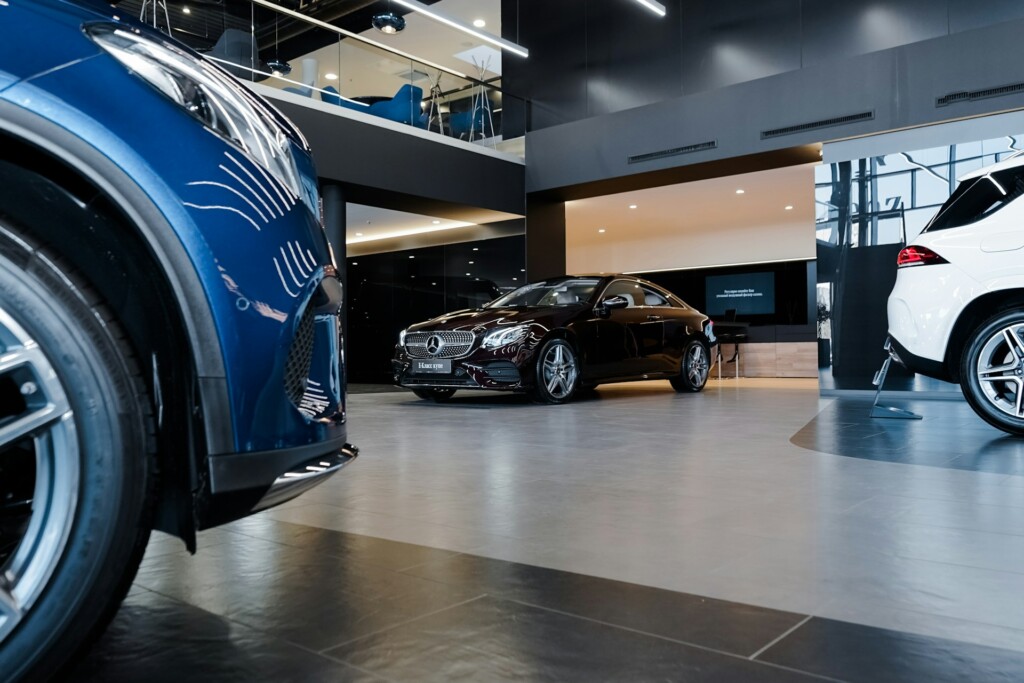
The DFW Rental Car Center operates with significant scale. The facility handles more than 5,000 vehicle parking spaces, supports approximately ten rental car brands, and operates from a two-story terminal building spanning roughly 130,000 square feet.
Terminal Building And Operations
The common terminal building serves as the central hub for rental car transactions. This two-story structure accommodates about ten rental car brands including major operators like Enterprise, Hertz, Avis, and National. The building design focuses on passenger processing efficiency while maintaining operational flexibility for different rental companies.
Service site areas within the terminal support vehicle preparation and maintenance activities. These areas allow rental companies to handle vehicle cleaning, inspections, and minor repairs on-site. The building’s expandable design accommodates future growth in rental operations or additional service providers.
Ready And Return Parking Areas
Ready/return parking represents the facility’s largest physical component. The parking areas accommodate more than 5,000 vehicles across structured and surface lots. Ready parking holds vehicles prepared for rental, while return areas process returned vehicles awaiting cleaning and inspection.
We coordinate parking layouts to optimize vehicle flow and minimize customer walking distances. The design separates ready and return functions to prevent operational conflicts. Surface markings and lighting systems support 24-hour operations regardless of weather conditions.
Passenger Loading And Transportation
Passenger loading/unloading zones connect the terminal building to the bus system. These zones handle continuous passenger flow between rental transactions and airport terminals. Weather protection covers key loading areas to maintain operations during adverse conditions.
The common bus operation provides frequent connectivity to airport terminals at approximately three-minute intervals. The system operates 24 hours daily using clean-fuel buses to meet environmental standards. A dedicated bus maintenance facility supports vehicle reliability and reduces service interruptions.
Support Infrastructure
The bus maintenance facility ensures consistent shuttle service between the rental center and airport terminals. This facility handles routine maintenance, fueling, and emergency repairs for the shuttle fleet. Maintenance scheduling prevents service disruptions during peak travel periods.
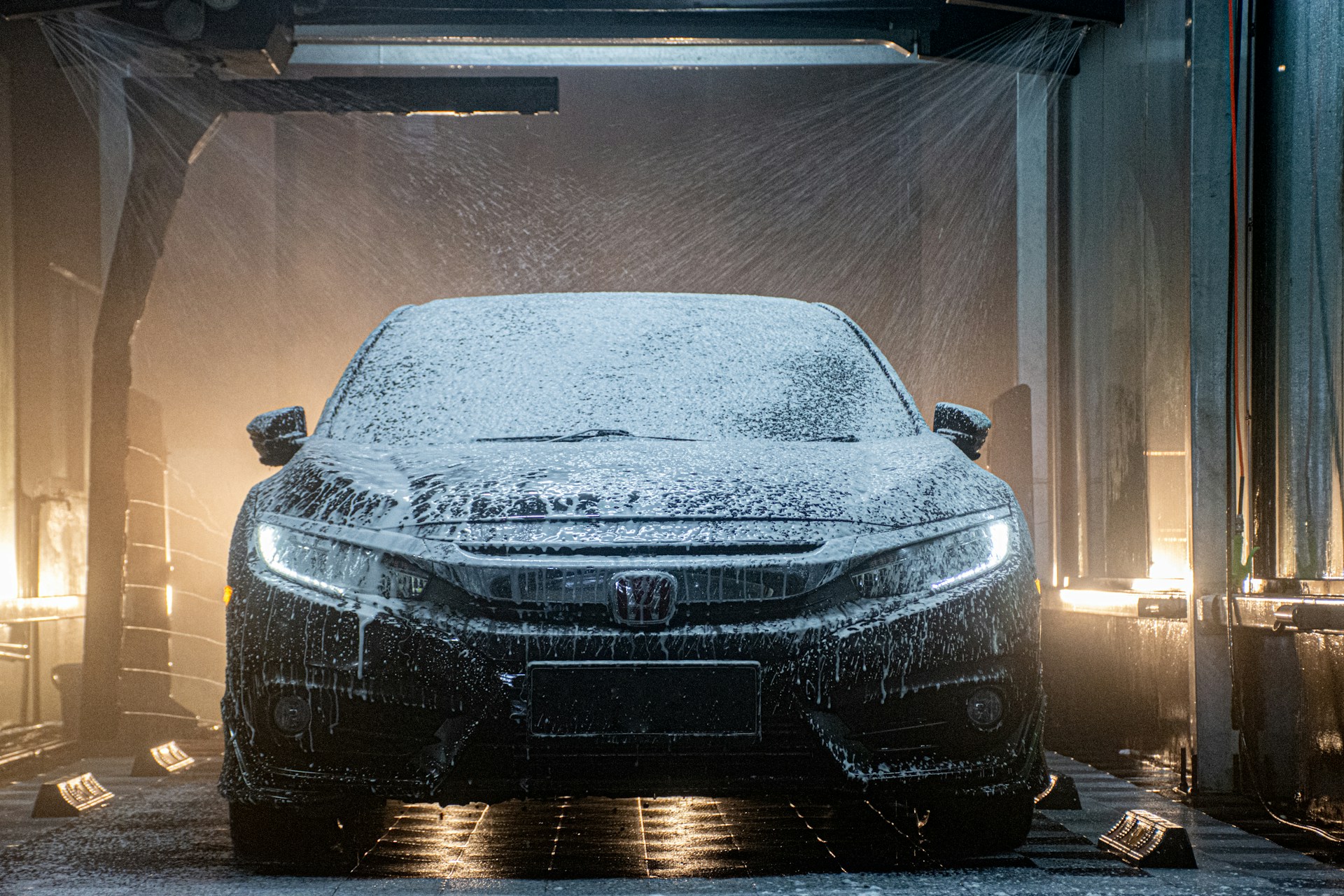
Service site areas support rental car company operations beyond simple parking. These areas include vehicle washing stations, fuel pumps, and minor repair capabilities. The infrastructure allows rental companies to maintain fleet readiness without external dependencies.
How Was The Facility Engineered And Delivered?
We approached this project using the Construction Manager at Risk (CMAR) delivery method. This allowed us to collaborate early with design teams and provide constructability input during development phases.
Foundation Systems And Structural Framework
The major parking areas rely on post-tensioned concrete beam-and-slab construction. This system provides long spans with reduced structural depth, maximizing vehicle clearance while supporting heavy loads from buses and maintenance equipment.
We installed drilled pier foundations for the commons building, paired with slab-on-grade construction. Cast-in-place framing forms the garage structure, while precast façade elements speed installation and provide consistent quality.
Weather Protection And Architectural Identity
Architecturally exposed steel trusses with long-span roof decking create weather-protected areas throughout the facility. These systems serve dual purposes: they shield passengers and vehicles from Dallas weather while establishing the center’s visual identity.
The upper-level return area features a suspended metal canopy system. We used arched pipe trusses supported by wire rope tension members and vertical pipe struts to create coverage without obstructing traffic flow below.
Building Systems Integration
The commons building incorporates precast and curtain wall glazing systems that allow natural light while managing heat gain. We installed a built-up roof system for durability and a chilled water HVAC system for efficient climate control across the large spaces.
A curved tubular steel framework defines the upstairs bus pick-up area. This structural element guides passenger movement while supporting overhead systems.
Wayfinding Through Design
We emphasized wayfinding through architectural form rather than heavy reliance on signage. Strategic placement of structural elements, lighting, and ceiling systems creates intuitive paths that guide customers through rental and return processes naturally.
What Renovations And Related Airport Projects Impact The Rental Car Center?
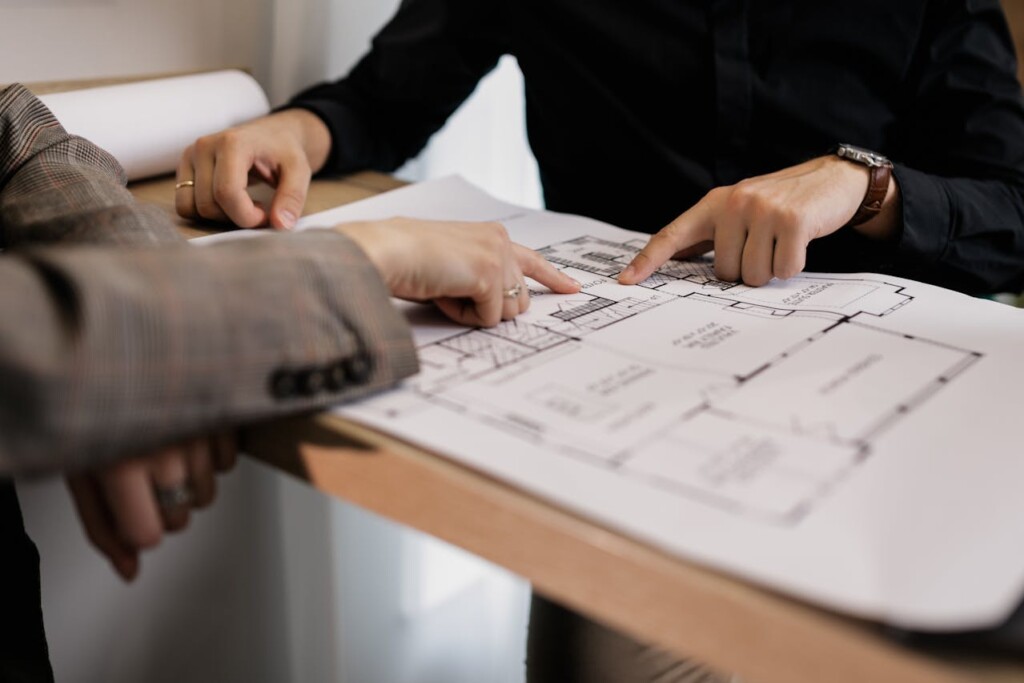
The DFW Rental Car Center faces significant updates through the DFW RCC Master Renovation & BAS/HVAC Rehab project. This registered project carries a value of approximately $12,000,000 and targets critical operational areas throughout the facility. The renovation scope encompasses transaction areas where customers complete rental processes, plus a comprehensive rehabilitation of the building automation system and HVAC infrastructure for the entire building.
Work is scheduled to begin on September 11, 2025, and continue through May 19, 2026. The project timeline spans approximately 35,000 square feet of affected space. Public funds and land are involved in this renovation effort, reflecting the facility’s role as part of DFW’s broader infrastructure program.
Compliance Requirements For The Renovation
The renovation must meet specific accessibility compliance standards through the Texas Department of Licensing and Regulation. An owner must obtain a Registered Accessibility Specialist (RAS) inspection no later than one year after project completion. The inspection request must be submitted within 30 days of completion to maintain compliance with state accessibility requirements.
These inspection timelines create specific coordination requirements for project completion and handover procedures. The RAS inspection ensures that renovated transaction areas meet current accessibility standards for all facility users.
East West Connector Roadway Impact
DFW’s capital program includes construction of the East West Connector Roadway, which directly affects access and logistics near the Rental Car Center. This roadway project will link Rental Car Drive to State Highway 360, creating new traffic patterns and access routes for the facility. The connector represents part of the broader DFW Forward capital plan to improve airport connectivity and regional transportation flow.
Construction of this roadway occurs parallel to the facility renovation timeline. We coordinate these overlapping projects to minimize disruption to rental car operations and customer access. The new roadway connection will ultimately improve long-term access to the center while construction activities require careful staging and traffic management during the renovation period.
How Should Project Teams Plan Operations, Access, And Customer Flow At DFW?
Effective programming with rental car operators and airport staff creates the foundation for successful facility operations. We coordinate directly with each rental brand to understand their specific space requirements, vehicle flow patterns, and staffing needs. This collaborative approach ensures adequate counter space, queue areas, and back-of-house operations align with projected passenger volumes and seasonal fluctuations.
Airport staff input proves essential for integrating rental car operations with broader terminal functions. Their insights help identify potential conflicts between passenger flow, baggage handling, and ground transportation systems. Early coordination prevents operational bottlenecks and ensures compliance with DFW’s operational standards.
Maintaining Reliable Transportation Connections
Short-headway bus service requires careful planning to meet DFW’s three-minute interval standard. We design bus loading zones with adequate queuing space and weather protection for passengers. The system depends on dedicated bus lanes and priority traffic signals to maintain consistent travel times between terminals and the rental car facility.
Bus maintenance facility integration supports operational reliability through strategic positioning near the main bus routes. We plan maintenance bays with direct access to fuel stations and parts storage. The facility includes wash stations, minor repair capabilities, and covered parking for the backup fleet that keeps service running during peak demand periods.
Optimizing Ready/Return Flow Patterns
Separate ready and return functions prevent operational conflicts that slow customer processing. We position return areas closest to the terminal shuttle connections, allowing customers to drop vehicles and reach transportation quickly. Ready areas receive dedicated access from the commons building, with clear sight lines to rental counters.
Covered walkways protect customers during weather events while guiding movement between functions. DFW’s current facility demonstrates how architectural elements can direct passenger flow without extensive signage systems. We design these paths with adequate width for luggage carts and accessibility compliance.
Coordinating Construction Phasing
Staged construction maintains rental car operations during major renovations and system upgrades. We develop phasing plans that preserve essential functions while allowing access to work areas. Temporary facilities often support operations in adjacent zones while permanent spaces undergo renovation.
Roadway coordination becomes critical when projects like the East West Connector Roadway affect access patterns near Rental Car Drive. We adjust construction sequencing to minimize disruptions to customer arrivals and departures. Traffic management plans account for both construction vehicles and rental car customers during overlapping work periods.
Managing System Upgrades And Compliance
BAS/HVAC upgrades require coordination with ongoing operations to prevent service interruptions. We schedule major system work during low-demand periods and maintain backup systems where possible. The building automation system integration allows remote monitoring and adjustment of environmental conditions throughout the construction process.
RAS inspection timelines drive project completion schedules for accessibility compliance. We build inspection requests into project closeout procedures, ensuring the 30-day notification requirement aligns with substantial completion milestones. This proactive approach prevents delays in facility activation and regulatory approval.
Conclusion And Next Steps
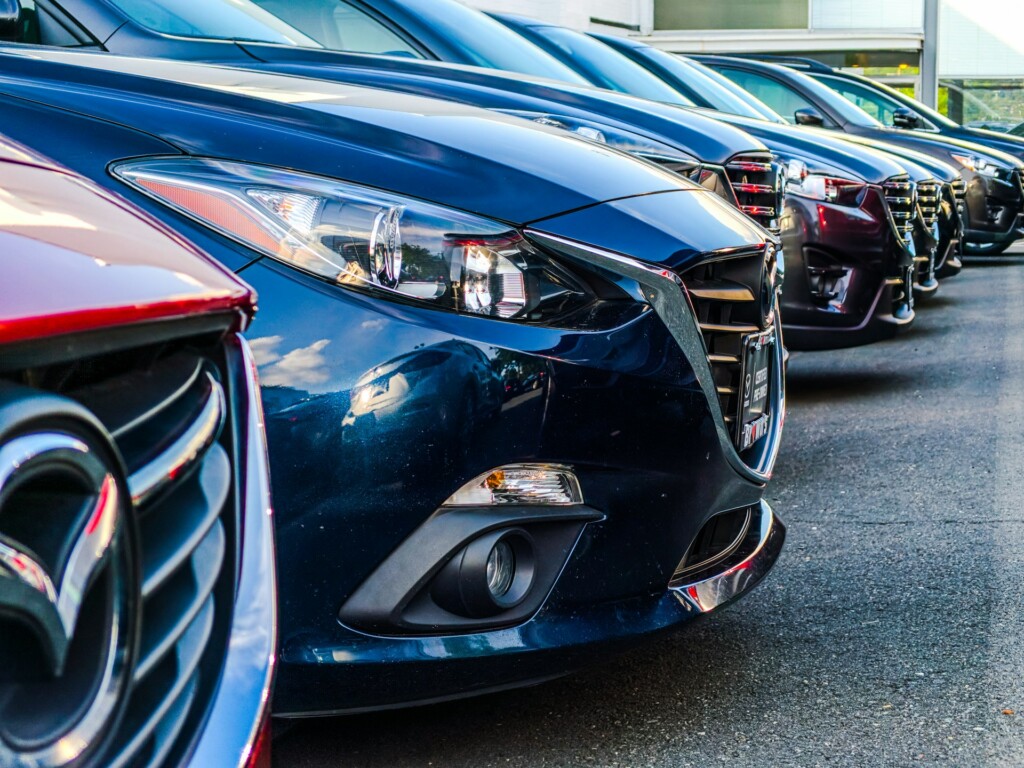
We approach these complex renovation projects by staging construction to maintain operations, coordinating with ongoing infrastructure improvements, and ensuring compliance with accessibility requirements including RAS inspection timelines within one year of completion.
The DFW Forward capital program continues to drive updates across the airport, with construction teams monitoring real-time project information through DFW’s construction updates portal and mobile app. Property owners and developers can leverage these communication tools to stay informed about access changes, project schedules, and coordination opportunities that affect rental car facility operations and broader airport logistics.
Ready to navigate complex airport construction projects with confidence? Contact EB3 Construction to discuss your development needs.