A car rental lot infrastructure contractor plans and builds rental car centers and lots, often called consolidated rental car facilities (CONRACs). These complex projects span far beyond simple parking structures. We handle sitework, roadways, utility corridors, and enabling tasks like demolition and temporary lots.
Facilities typically include ready/return garages where customers pick up and drop off vehicles, quick-turn-around (QTA) areas with fuel, wash, and cleaning bays, and a customer service building with rental counters. At airports, our scope extends to bus wash stations, sky bridges, and clear wayfinding to cut customer time. Project scales range from 21.5 acres to 200 acres and multi-level structures measured in hundreds of thousands to over one million square feet.
Which Facility Components Define Modern Rental Car Lots And CONRACs?
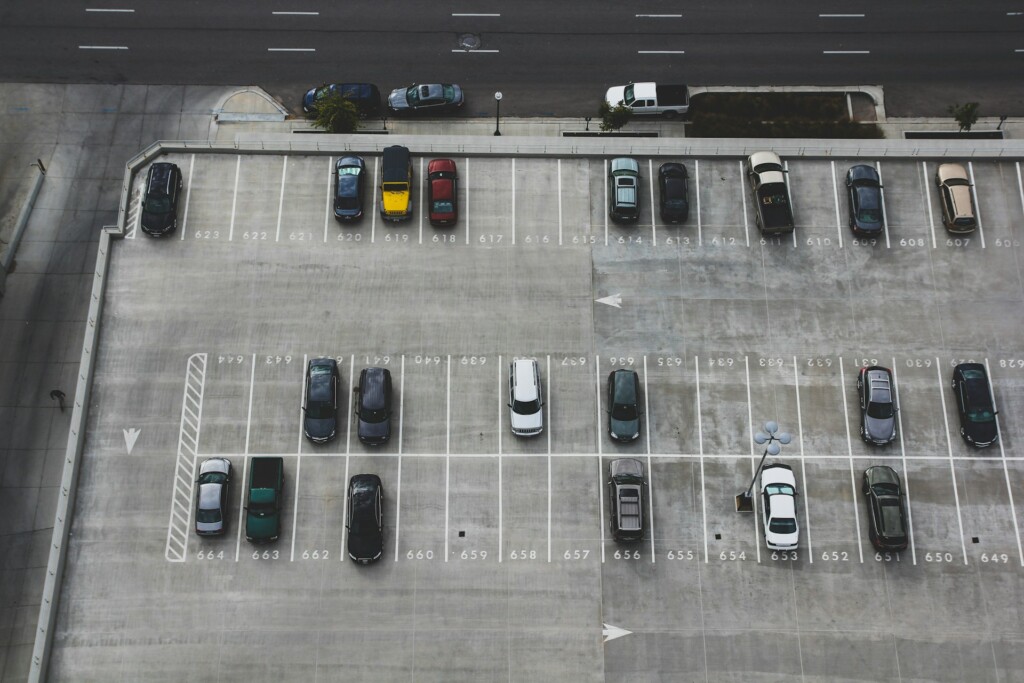
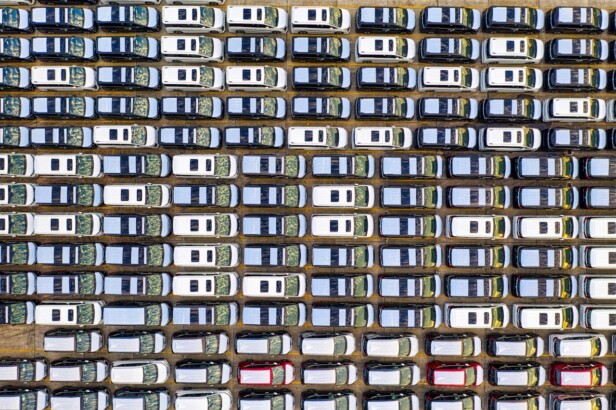
Modern CONRACs operate as complex systems with multiple interconnected components that we coordinate during construction. The ready/return garage serves as the primary customer interface, housing vehicles in organized stalls across multiple levels. We build these structures to accommodate thousands of vehicles, with documented examples reaching 1,800 spaces across multi-level configurations.
The customer service building forms the operational heart where rental transactions occur. We construct these facilities with dedicated counter positions, typically ranging from 57 to 61 positions based on airport capacity requirements. The CSB includes office space, queue areas, and strategically placed elevator access points that connect directly to vehicle pickup areas.
Quick-Turn-Around Areas Drive Operational Efficiency
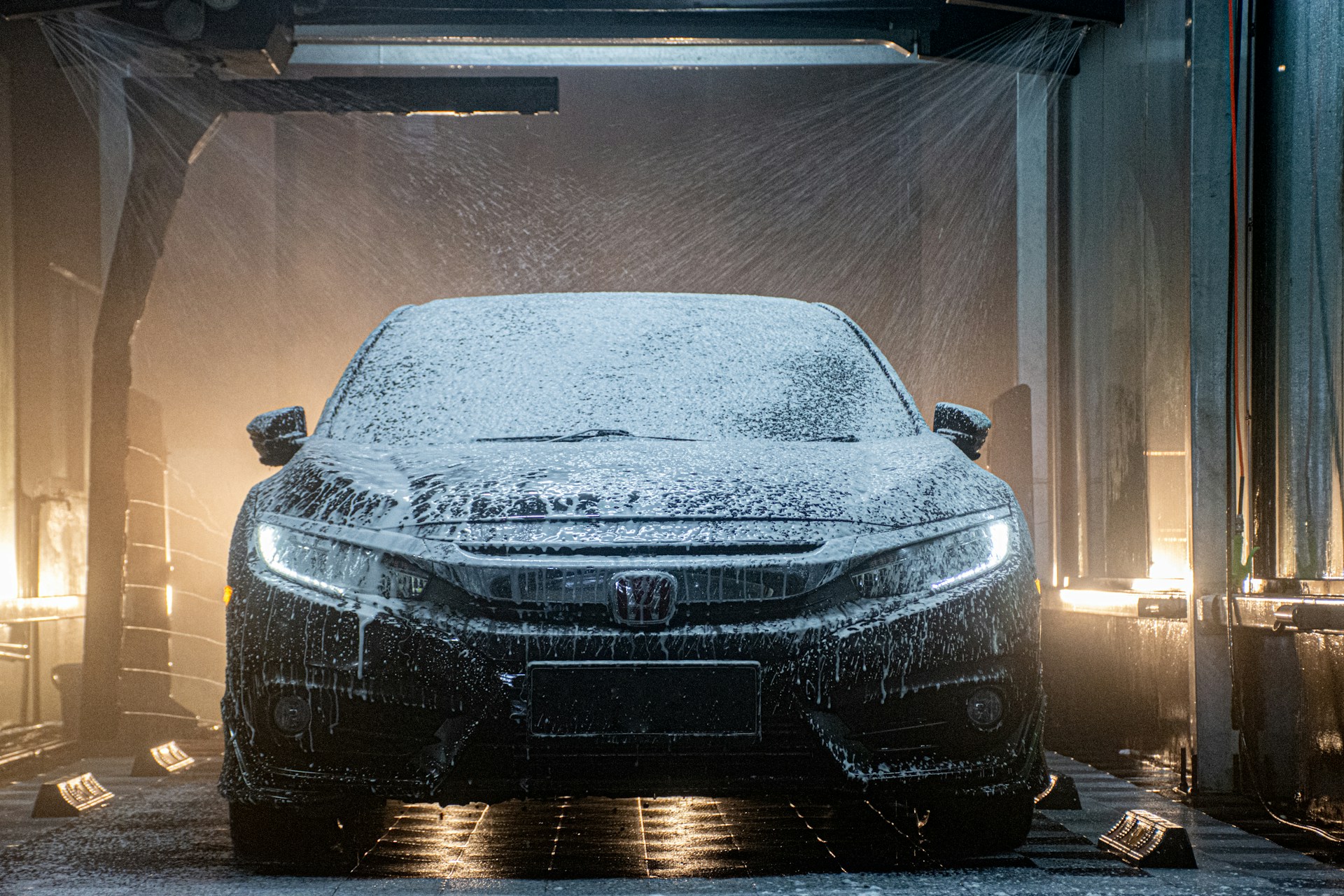
QTA facilities represent the most complex component we build in modern CONRACs. These areas house maintenance stations, car wash bays, cleaning operations, and fuel positions within a single integrated system. We have constructed QTA facilities spanning 292,000 square feet to support comprehensive vehicle servicing operations.
The fuel transfer facility within the QTA requires specialized engineering for safe elevated fueling operations. We install storage tanks, fuel distribution systems, and safety equipment that meets stringent fire codes. Maintenance bays support light vehicle repairs and preparation tasks, with typical configurations including 12 maintenance positions alongside wash and cleaning stations.
Large-Scale Parking Structures And Support Buildings
Primary parking structures anchor the facility footprint with substantial square footage requirements. We build structures measuring over 1.3 million square feet across seven-story configurations to meet capacity demands. These structures use flexible structural grids, typically 36 by 60 feet, that allow rental companies to reconfigure their designated areas as market conditions change.
Satellite buildings support specialized functions including additional maintenance operations and fuel storage. We position these structures to optimize workflow between the main garage, QTA areas, and customer service facilities. The satellite buildings often house employee facilities, equipment storage, and backup systems that support continuous operations.
Access Systems And Circulation Infrastructure
Sky bridge connections eliminate ground-level pedestrian conflicts while providing weather-protected customer access. We engineer these structures to span roadways and connect parking levels directly to terminal facilities or customer service areas. Clear wayfinding systems guide customers through the facility using coordinated signage, lighting, and architectural elements.
Circulation design separates customer traffic from operational vehicle movement. We build dedicated helical ramps and traffic lanes that allow rental cars to move efficiently between ready areas, return zones, and QTA facilities without interfering with customer access routes.
Storage stalls, rental stalls, and return stalls create the operational framework for vehicle inventory management. Documented configurations include 800 rental stalls, 250 return stalls, and 720 storage stalls within a single facility. Fuel positions typically number 54 across multiple QTA levels, while wash bays and maintenance facilities support rapid vehicle turnover rates essential for high-volume operations.
How Do Contractors Phase Construction At Active Airports With Minimal Disruption?
Active airports present unique challenges where construction teams work around ongoing flight operations, passenger traffic, and critical infrastructure. We approach these complex environments with systematic phasing strategies that maintain operational continuity while delivering complex rental car infrastructure projects.
Multiple construction phases become essential when building large-scale facilities near active terminals. We divide projects into distinct work zones that allow airport operations to continue in adjacent areas while construction progresses in secured sections. Each phase targets specific facility components, such as utility reroutes in the first phase, followed by foundation and structural work, then building systems and interior finish-outs.
Schedule coordination drives successful airport construction phasing. We develop detailed timelines that account for peak flight schedules, seasonal travel patterns, and airport-specific operational windows. Night work scheduling reduces conflicts with daytime passenger traffic and flight operations. These restricted work windows require careful planning to maximize productivity during available hours.
Occupied areas around the public demand heightened safety protocols and communication strategies. We establish clear separation barriers between construction zones and public circulation paths. Regular coordination meetings with airport operations ensure that any changes to pedestrian flow, vehicle access, or temporary facilities receive proper advance notice and approval.
Complex tie-ins to existing facilities require precise sequencing to avoid service interruptions. We plan utility reroutes and structural connections during low-activity periods to minimize impacts on critical airport systems. Temporary utility connections often bridge construction phases, ensuring continuous service to existing facilities while new infrastructure comes online.
Public safety considerations shape every aspect of phased construction in airport environments. We implement comprehensive traffic control plans that maintain clear egress routes and emergency access throughout all construction phases. Coordination with airport security and emergency services ensures that construction activities do not compromise safety protocols or response capabilities.
What Performance And User-Experience Targets Guide Design And Construction?
Measurable performance outcomes drive rental car facility design decisions. The most significant documented result shows an average 15-minute savings for both renting and returning vehicles through direct access routes and clear wayfinding systems. This time reduction directly impacts customer satisfaction and facility throughput capacity.
Customer experience improvements center on choice and convenience. Multi-brand counters allow travelers to compare options easily within the same facility footprint. This shopping flexibility becomes particularly valuable for last-minute travelers or those seeking specific vehicle types during peak demand periods.
Capacity Planning For Operational Efficiency
We establish capacity targets based on projected demand and operational flow requirements. Counter positions must align with peak arrival patterns, while rental stalls, return stalls, and storage stalls require careful calculation based on fleet size and turnover rates. Fuel positions support rapid vehicle processing, and wash bays handle cleaning schedules between rentals.
Storage capacity planning extends beyond immediate needs. Facilities require buffer space for maintenance cycles, seasonal demand fluctuations, and fleet rotation schedules. This planning prevents operational bottlenecks during high-volume periods when every stall counts toward revenue generation.
QTA Operations And Vehicle Flow
Quick-turn-around functions determine facility efficiency. QTA operations encompass fuel stations, wash bays, and maintenance positions that process returned vehicles for immediate re-rental. The design must support continuous vehicle movement through these stations without creating delays or safety conflicts.
Operational features like sky bridges connect different facility levels while maintaining pedestrian safety. Bus washing stations serve shuttle operations that transport customers between terminals and rental facilities. These elements support the broader transportation network while keeping vehicle processing on schedule.
Performance targets also address staff productivity and safety. Clear sight lines, efficient traffic patterns, and proper lighting reduce operational risks while maintaining processing speed. We design these facilities to handle peak volumes without compromising safety standards or customer service quality.
Conclusion And Next Steps
Building successful car rental lot infrastructure requires combining heavy sitework capabilities with complex utility coordination and high-throughput operational planning. We approach each CONRAC project by establishing clear capacity targets for ready/return areas, defining QTA functions including fuel positions and maintenance bays, and sizing customer service buildings to handle peak counter demand. These program elements form the foundation for both construction planning and long-term operations.
Early coordination of enabling work sets the stage for efficient project delivery. We prioritize utility corridor development, utility plant rerouting, and demolition tasks in the initial phases. Parallel coordination of permitting, drainage systems, ADA compliance, and wayfinding ensures regulatory approval while maintaining construction momentum. Construction phasing around active airport operations demands detailed scheduling and strategic night work assignments to minimize disruption while delivering complex tie-ins and structural connections.
Ready to plan your next car rental facility? Contact EB3 Construction to discuss your CONRAC development needs.