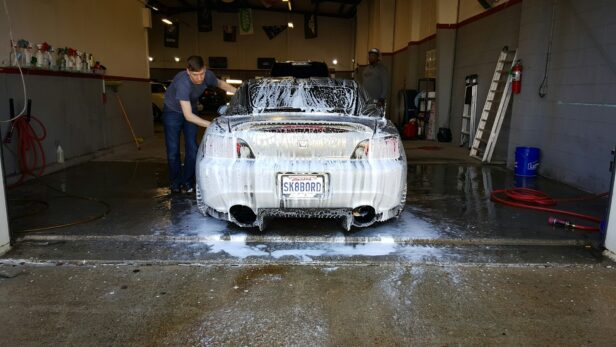
Commercial car wash renovations transform aging facilities into competitive operations that attract modern customers. Aging equipment, outdated layouts, and worn branding push customers to newer competitors, cutting into the revenue property owners depend on.
We rebuild these facilities by updating layouts, installing modern equipment, and refreshing exterior branding to meet evolving market demands. Express tunnels, touchless wash systems, automated payment terminals, and enhanced vacuum stations create efficient operations that today’s customers expect while providing the throughput needed for sustainable profits.
Which Planning And Site Layout Updates Should Come First?
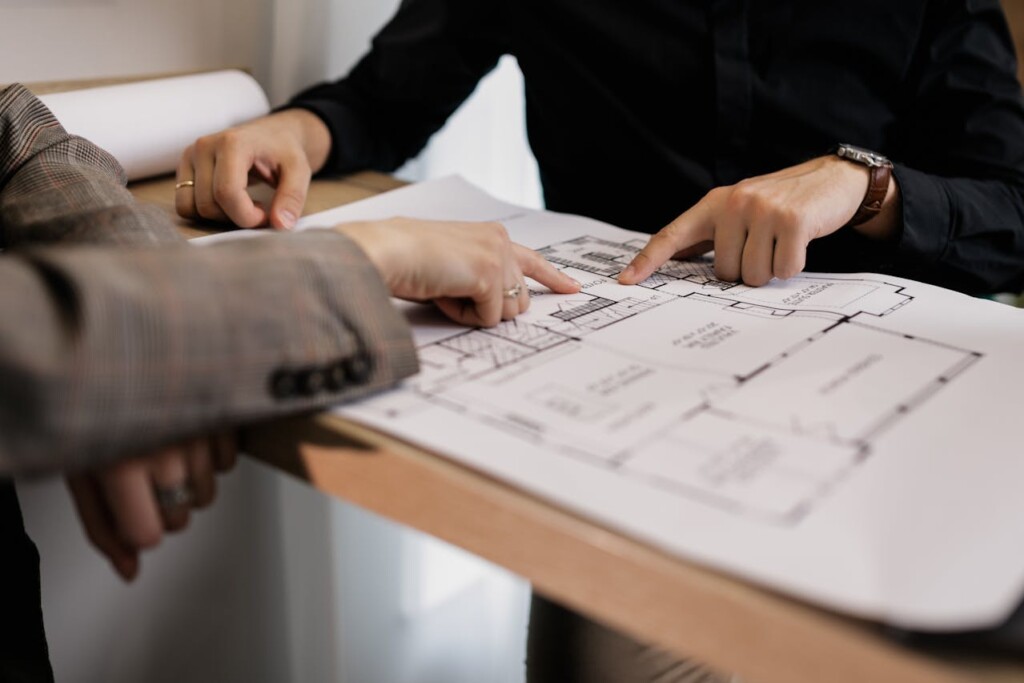
We prioritize location assessment and access planning in every car wash renovation project. High-visibility sites with clear entrance and exit paths generate more consistent traffic flow. Property owners should position their facility entrances approximately 10–15 feet from parking areas to maintain smooth customer movement while reducing operational noise for neighboring properties.
Capacity planning forms the foundation of effective site layout design. We estimate daily vehicle counts by analyzing seasonal patterns and weather-related demand fluctuations. Most renovations require calculating the optimal number of wash bays based on peak-hour demand. Facilities typically experience volume variations of 30–50% between summer and winter months, making flexible capacity essential for consistent operations.
Traffic Flow And Access Optimization
Site access drives customer satisfaction and operational efficiency. We design entrance and exit configurations that accommodate vehicles from both directions without creating bottlenecks. Corner lots offer superior visibility but require careful traffic management to prevent backups during peak periods. Sites in medium-traffic strips provide easier ingress and egress compared to locations with difficult highway access or divided roadways.
ADA compliance ensures universal facility access while meeting regulatory requirements. We install entrance ramps and accessible pathways that integrate seamlessly with the overall site design. Accessible parking spaces must connect directly to wash bay entrances through level surfaces or properly graded walkways. These modifications often improve general customer flow patterns beyond basic compliance needs.
Wayfinding And Signage Strategy
Clear wayfinding reduces customer confusion and speeds service delivery. We implement visible signage systems that direct customers through entrance zones, payment areas, wash bays, and vacuum stations. Strategic sign placement helps customers make purchasing decisions before reaching payment terminals, reducing queue delays during busy periods.
Express tunnel configurations benefit from dedicated signage for automated pay lanes and membership access points. Vacuum canopy areas require directional markers that guide customers to available stations while maintaining efficient traffic circulation. Digital displays can provide real-time wait information and service options, particularly effective for touchless lane operations where customer interaction is minimal.
What Building And MEP Upgrades Drive Performance And Durability?
Effective drainage forms the foundation of any commercial car wash renovation. Water management requires immediate attention because improper drainage leads to structural damage and operational disruptions. We consult with civil engineers to design systems that channel water away from the building foundation and position drains at the site’s lowest points.
Foundation design must accommodate constant water exposure and chemical runoff typical of car wash operations. Proper foundation work prevents water infiltration and structural settling. Civil engineers evaluate soil conditions and recommend appropriate foundation treatments that resist moisture and chemical damage over time.
Ventilation upgrades remove harmful pollutants and control moisture levels throughout the facility. Heat, humidity, and chemical vapors accumulate quickly in enclosed wash bays without adequate air circulation.
Climate control systems extend beyond basic ventilation to regulate temperature and humidity year-round. Advanced HVAC systems protect equipment from extreme temperature fluctuations and reduce energy consumption. Proper climate control also improves working conditions for staff and enhances the customer experience.
Natural light improvements enhance safety and reduce operating costs through daylighting strategies. Transparent roofing systems provide excellent visibility for security monitoring and help staff identify potential safety hazards. Many states recognize transparent roof systems as beneficial for emergency response and facility oversight.
Skylights and large glass walls maximize natural light penetration while reducing reliance on artificial lighting during daylight hours. Aluminum framing systems resist corrosion from moisture and chemical exposure better than traditional steel frames. The durability of aluminum framing also helps maintain structural integrity and aesthetic appeal over time.
Water-recycling systems support both environmental sustainability and operational efficiency. Advanced filtration systems enable facilities to reuse treated water for multiple wash cycles. These systems reduce municipal water consumption and lower utility costs while meeting environmental regulations.
Filtration systems require careful selection based on water quality and local discharge requirements. Multi-stage filtration removes contaminants and chemical residues to protect equipment and meet water quality standards. Regular maintenance of filtration systems preserves performance and extends equipment life over time.
How Do Equipment And Customer-Experience Upgrades Modernize A Renovated Wash?
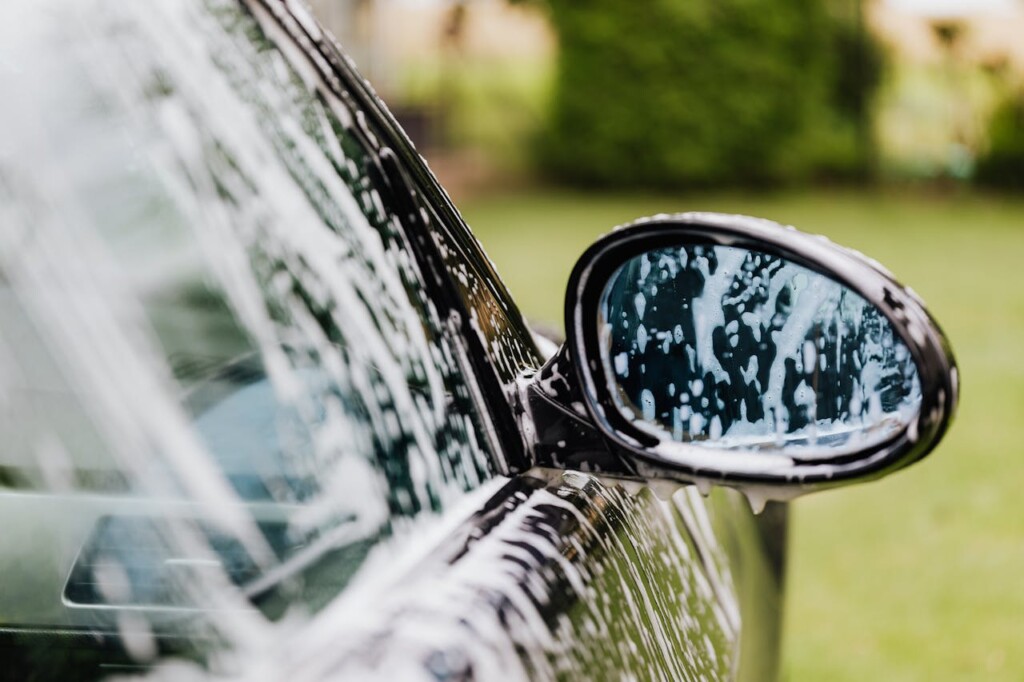
Equipment and customer-experience upgrades transform basic car wash operations into efficient, profitable facilities that attract and retain customers. We focus on systems that reduce operational costs while improving service speed and quality.
Efficient Wash Bay Design
Modern wash bay design centers on reducing chemical consumption and equipment wear. Precise chemical delivery systems apply exact amounts based on vehicle size and soil conditions. Advanced nozzle configurations optimize coverage patterns to minimize waste while maximizing cleaning effectiveness.
High-efficiency pumps and variable-speed motors adjust water pressure automatically. This approach cuts energy costs while extending equipment lifespan. Smart controllers monitor chemical dilution ratios in real time, preventing overuse and ensuring consistent results across all wash cycles.
Centralized Command Areas
A centralized command center allows a minimal staff to monitor tunnel operations, vacuum canopy areas, and the customer lobby simultaneously. Digital displays show real-time equipment status, queue lengths, and revenue metrics. Remote controls enable operators to adjust wash programs without leaving the command station.
Integrated camera systems provide clear sight lines throughout the facility. Staff can quickly identify customer needs, equipment issues, or safety concerns from one location. This setup reduces labor costs while improving response times and operational oversight.
Automated Payment and Express Service
Automated POS systems eliminate transaction delays and reduce staffing requirements. Touchless payment terminals accept credit cards, mobile wallets, and app-based transactions. Express lanes separate service tiers, allowing customers to select and pay for services without staff interaction.
Loyalty and unlimited membership programs integrate directly with automated systems. Monthly subscribers access fast-track lanes with RFID tags or license plate recognition. These programs generate predictable revenue streams while encouraging frequent visits and customer retention.
Water Conservation Systems
Water reclamation systems capture, filter, and reuse wash water to dramatically reduce consumption. Modern systems recycle up to 80% of water used, significantly lowering utility costs and meeting environmental regulations. Biological treatment processes remove contaminants while maintaining water quality standards.
Chemical storage towers position cleaning agents close to application points, reducing waste and improving mixing accuracy. Easy service access allows maintenance teams to refill supplies quickly without disrupting operations. Proper placement prevents contamination and extends chemical shelf life.
Optimized Drying and Throughput
Adequate dryer capacity prevents bottlenecks that slow customer flow and reduce hourly car counts. Variable-speed blowers adjust air volume based on vehicle size and weather conditions. Multiple dryer stages ensure complete water removal while minimizing energy consumption.
Research indicates that a well-designed 150-foot tunnel can process approximately one car per belt foot per hour, with optimal staffing of 1 to 5 employees, depending on service level and automation. This configuration balances throughput with operational efficiency while maintaining service quality standards.
What Budgets, Timelines, And Delivery Steps Should You Expect?
Full turnkey construction for a 150′ x 35′ building footprint typically ranges from $2.5 to $7.5 million, excluding land acquisition and banking fees. These figures serve as planning benchmarks and vary based on location, site conditions, and equipment specifications. Build times generally span 6 to 10 months from groundbreaking to operational handover.
Renovation projects operate under different financial parameters because existing infrastructure reduces some costs. We prioritize budget allocation for modern equipment upgrades, facade refreshes, and branding updates rather than complete structural work. Water conservation systems and automation are significant line items that deliver long-term operational savings.
Construction Timeline
The construction process begins with site analysis and architectural design, typically requiring 1 to 3 months for permit acquisition and final design approval. Pre-construction activities, including resource allocation and site preparation, consume another 1 to 2 months. The primary construction phase spans 3 to 6 months for structural development, followed by 2 to 4 months for interior and exterior finishing.
Final inspections and handover activities require an additional 1 to 2 months. We coordinate these phases to minimize operational disruption for existing facilities undergoing renovation. Equipment installation often occurs alongside finishing work to shorten the overall timeline.
Delivery And Project Management Steps
We begin each project with a comprehensive site analysis to identify existing conditions and renovation requirements. Our architectural design process incorporates functional improvements and branding updates aligned with operational goals. Construction management coordinates all trades and ensures quality control throughout the build process.
Equipment acquisition and installation require careful scheduling to integrate new systems with existing infrastructure. We provide employee training during the final phase to ensure a smooth transition to upgraded operations. Our project delivery includes warranty support and ongoing maintenance guidance to protect the investment long term.
Conclusion and Next Steps
A successful commercial car wash renovation follows a systematic approach, starting with strategic site-flow planning and accurate capacity assessment. Drainage improvements and ventilation upgrades form the foundation, while modern lighting enhances safety and customer appeal. Water reclamation systems, automated POS integration, and updated equipment improve operational efficiency and service quality across the facility.
The branding refresh phase completes the renovation with updated signage and glass-forward exteriors that maximize visibility and attract customers. We coordinate these elements through comprehensive construction management that aligns design decisions with operational schedules and equipment installation timelines. From initial site analysis through final equipment commissioning, our team ensures every renovation component supports long-term performance and profitability.
Ready to discuss your commercial car wash renovation project? Contact EB3 Construction to explore how we can modernize your facility.