Car dealership construction requires specialized coordination among multiple trades and complex systems. As a general contractor for car dealerships in the DFW area, we manage everything from initial site evaluation through final inspections, ensuring showrooms and service departments work seamlessly together.
We coordinate the entire build process, from preconstruction planning through field execution and project closeout. Our scope covers design coordination, site feasibility, cost estimation, and the construction activities required to deliver functional dealership facilities on schedule and within budget.
Which Delivery Methods Work Best For DFW Dealership Projects?
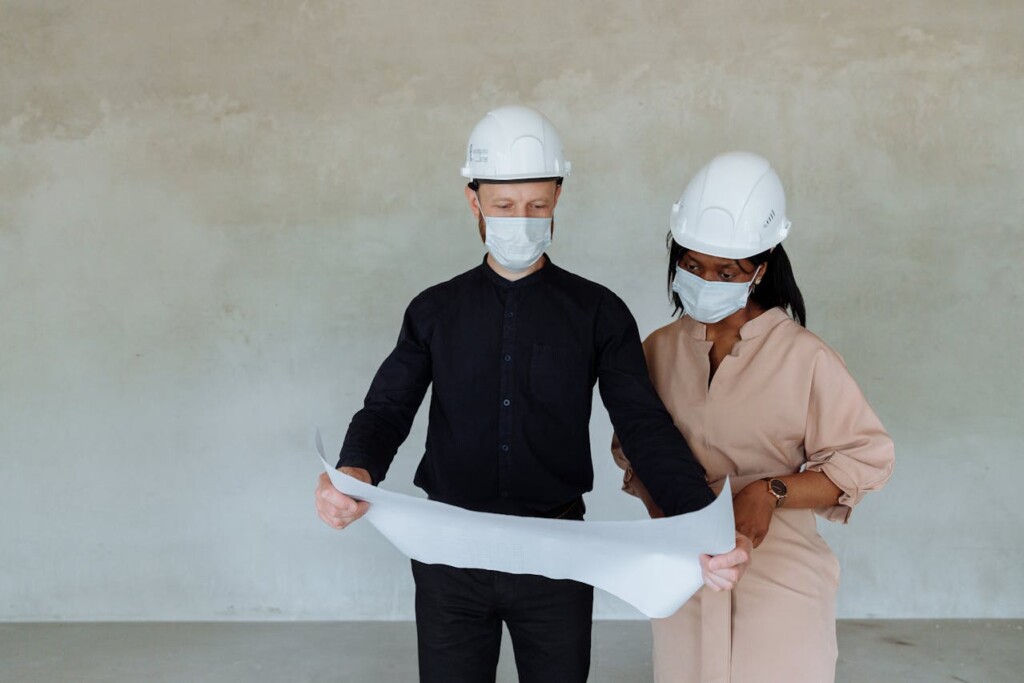
Three delivery methods dominate dealership construction in the DFW market. General construction follows the traditional design-bid-build approach, in which we coordinate separate design and construction contracts. Design-build integrates both phases under a single contract, allowing design and construction activities to overlap. Construction management positions us as the owner’s representative throughout the project, providing cost control through a guaranteed maximum price.
General Construction For Straightforward Builds
General construction works well for dealerships with clearly defined requirements and minimal complexity. We manage the sequential process from completed designs, through competitive bidding, to construction. This method provides cost transparency through the bidding process but can extend the schedule because each phase must finish before the next begins.
The approach suits dealership projects where design changes are unlikely and where budget certainty through competitive bidding takes priority. However, the lack of contractor input during design can lead to change orders if plans don’t account for field conditions or constructability issues.
Design-Build For Accelerated Delivery
Design-build delivers dealership projects faster by combining design and construction under one contract. Research shows design-build projects finish 36% faster during construction and 102% faster over the project lifecycle compared to traditional methods. We coordinate both design and construction teams from project start, allowing construction activities to begin while designs are still being finalized.
This method benefits dealerships seeking quick market entry or facing tight opening deadlines. Single-point accountability reduces communication delays and conflicts between designers and builders. The Design-Build Institute of America reports that design-build projects average 1.9% lower cost per square foot and 3.8% less cost growth compared to traditional delivery.
Construction Management For Complex Projects
Construction Manager at Risk (CMAR) positions us as the owner’s advocate throughout the process. We participate during design development, providing real-time cost feedback and constructability input before construction begins. At around 50% design completion, we establish a guaranteed maximum price that caps project costs unless scope changes occur.
This delivery method works best for complex dealership projects or those requiring specialized systems integration. Early collaboration between design and construction teams identifies potential issues before they become costly problems. We coordinate value engineering during design to optimize materials and methods while maintaining brand standards and operational requirements.
Project Planning And Scheduling Tools
Effective delivery relies on robust project planning and budgeting systems regardless of the approach selected. We use scheduling tools such as critical path and takt planning to identify dependencies and optimize construction sequences. These schedules map out which activities must finish before others can start, helping prevent delays that could impact dealership opening dates.
Value engineering reviews evaluate design decisions against cost and schedule impacts. We analyze materials, systems, and construction methods to identify alternatives that maintain quality while reducing costs or time. These reviews happen early in design-build and construction management approaches, when changes cost less to implement.
How Do Preconstruction Services Reduce Risk For Dealerships?
Preconstruction services address uncertainty before construction begins by validating project fundamentals and establishing clear baselines. The preconstruction phase turns a concept or idea into a fully scoped and compliant construction plan ready for execution, reducing risks that could disrupt dealership construction schedules and budgets.
We coordinate contract negotiations to establish clear terms before work begins. This process defines project scope, payment schedules, and change order procedures. Clear contracts prevent disputes that can delay construction and increase costs during the build phase.
Collaborative design management aligns architectural drawings with dealership operations and brand requirements. We work with design teams to validate space layouts for showroom flow, service bay efficiency, and parts storage needs. Early design coordination prevents costly revisions during construction, when changes are most expensive and disruptive.
Development cost estimation produces accurate project budgets based on current market conditions and site-specific factors. We analyze material costs, labor rates, and equipment requirements to set realistic cost targets. Detailed estimates help dealership owners secure proper financing and avoid budget overruns that can compromise project completion.
Site feasibility analysis evaluates potential locations for zoning compliance, soil conditions, and utility access. We assess environmental factors, traffic patterns, and municipal requirements before site acquisition. Proper site evaluation prevents regulatory delays and unexpected costs that may arise after construction begins.
Environmental services identify potential issues such as contaminated soil, wetlands, or endangered species habitats that could affect construction. We coordinate environmental assessments and remediation plans when necessary. Early environmental review streamlines permit approvals and prevents work stoppages during construction.
Entitlement acquisition secures the permits and approvals required for dealership construction. We navigate municipal review processes, building permits, and special use permits for automotive sales and service operations. Obtaining entitlements before construction reduces the risk of regulatory delays that can extend project timelines and increase holding costs.
These preconstruction steps create a foundation for smoother construction execution. When we validate sites, align budgets with scope, and secure approvals early, construction can proceed with fewer surprises and better cost control. This systematic approach to risk mitigation helps ensure dealership projects stay on schedule and within budget.
What Facility Components And Building Systems Should Be Planned?
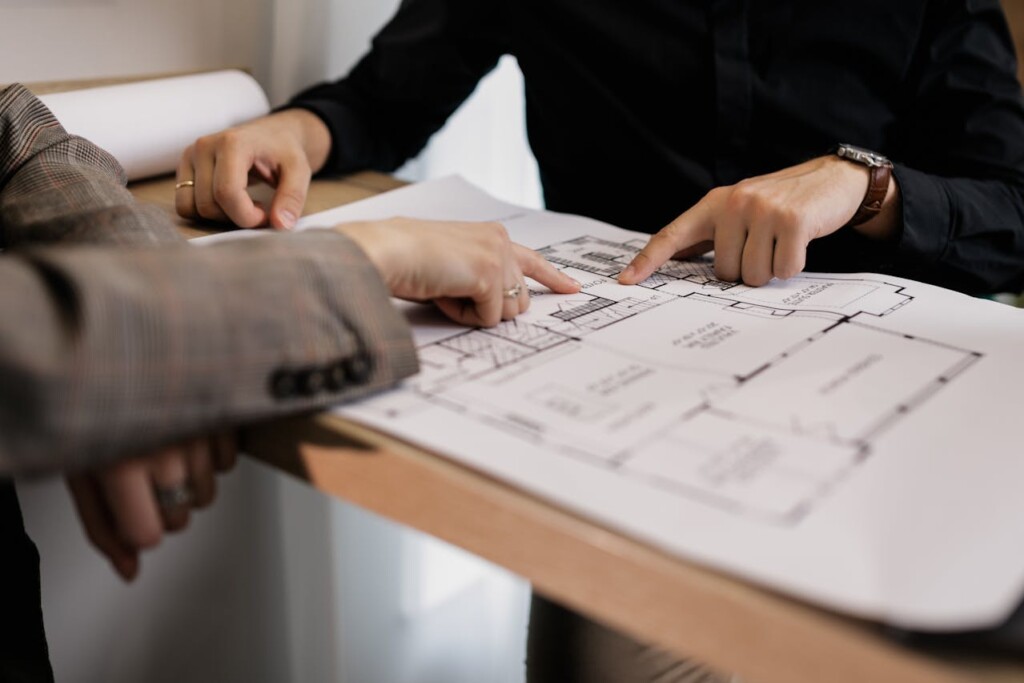
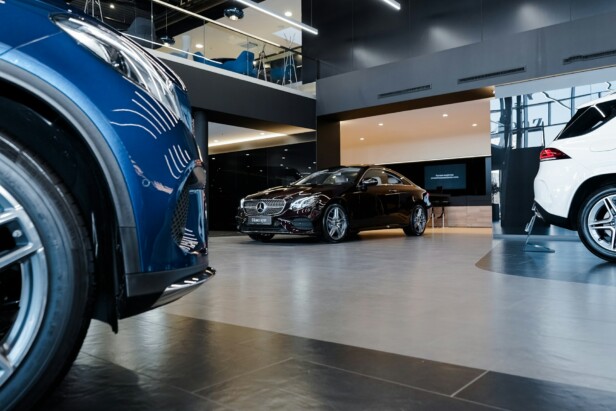
Dealership facilities require careful planning of core functional spaces and structural systems. The showroom build-out centers on bright display areas with extensive glass storefronts to maximize vehicle visibility and natural light. These spaces need open floor plans that accommodate multiple vehicles while maintaining clear sight lines for sales staff and customers.
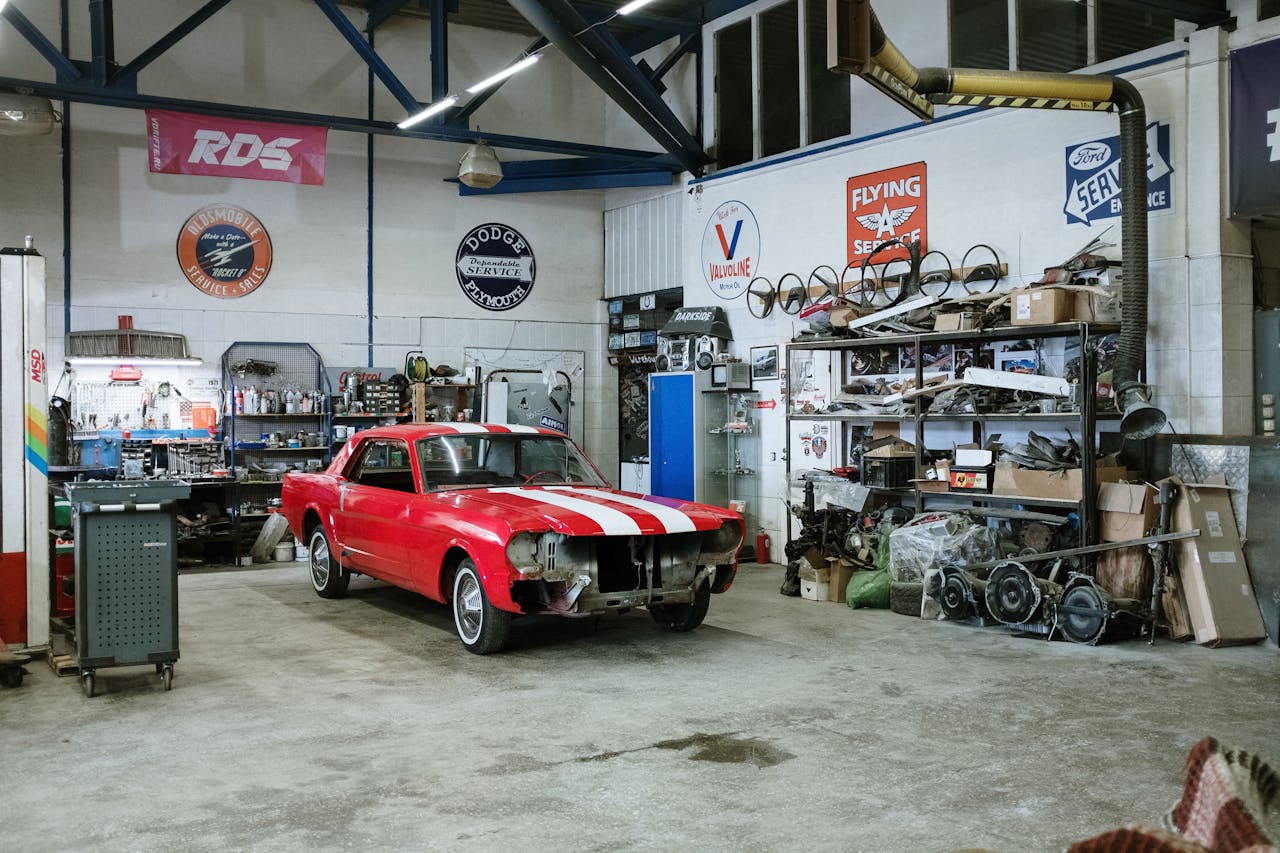
Service bays form the operational backbone of most dealership facilities. These areas require vehicle lifts, workbenches, and tool storage systems positioned for efficient workflow. A certified service department typically includes multiple lift stations configured for different service types, from routine maintenance to major repairs.
The parts department connects directly to service operations through strategic layout planning. Storage areas, counter space, and inventory systems require integration with both customer-facing areas and service bays. Parking and circulation patterns must account for customer drop-off, service vehicle movement, and staff access throughout the facility.
Building System Options For Dealership Construction
Tilt-up wall systems provide cost-effective solutions for large, open spaces, with concrete panels lifted into place on-site. This method works well for showrooms requiring minimal interior columns and clear spans.
Precast concrete offers durability and speed for projects needing consistent quality and weather resistance. The controlled manufacturing environment produces precise components that assemble quickly once delivered to the site.
Wood-framed construction suits smaller facilities or office areas where flexibility and cost control matter most. This approach allows easier modifications during construction and future renovations.
Pre-engineered metal buildings (PEMB) offer efficient solutions for service areas and large showroom spaces. These systems arrive with engineered components ready for assembly, reducing field construction time. Fabric-covered structures provide another option, particularly for auction houses or temporary facilities that need large clear spans with lower initial costs.
Matching Systems To Program Requirements
We align building systems with specific program needs rather than applying standard solutions. Service capacity drives structural requirements, particularly for facilities that include heavy equipment or multiple service bays. The foundation and floor systems must handle vehicle lifts, hydraulic systems, and concentrated loads from service equipment.
Brand image considerations influence material selection and architectural detailing. Premium automotive brands often require specific finishes, lighting systems, and spatial relationships that affect structural planning. Glass storefront systems need structural support for large spans while maintaining clean sight lines.
Future expansion potential shapes initial system selection. Facilities designed for growth benefit from structural systems that accommodate additions without major disruption to ongoing operations. We coordinate building orientation, utility placement, and structural connections to support planned expansion phases while maintaining current operational needs.
What Project Types And Lifecycle Services Support Dealership Growth?
Dealership facilities evolve constantly as brands change, technology advances, and customer expectations shift. We coordinate new construction when dealers need ground-up builds for expanded markets or relocations. These projects require complete infrastructure development from site preparation through final inspections.
Remodels address changing brand standards and operational needs within existing structures. We manage renovations that update aging facilities while maintaining business continuity. Tenant improvements adapt leased spaces to dealership requirements, often on tight timelines to minimize revenue disruption.
Expansion Projects That Scale Operations
Dealership expansions accommodate growth in service capacity, parts inventory, or showroom space. We coordinate additions that integrate seamlessly with existing operations. These projects often involve phased construction to keep service bays and sales areas operational during work.
Expansion planning considers future technology needs like electric vehicle charging infrastructure for OEM dealerships and enhanced diagnostic equipment. We align construction schedules with dealership peak seasons to minimize business impact. Service department expansions typically require specialized ventilation, lift installations, and waste management systems.
Ongoing Facility Maintenance And Support
Building maintenance protects dealership investments and ensures operational continuity. We provide concrete work, including parking lot repairs, sidewalk maintenance, and structural concrete restoration. These services address wear from heavy vehicle traffic and weather exposure common to automotive facilities.
Preventive maintenance programs identify issues before they disrupt operations. We coordinate routine inspections of HVAC systems, electrical infrastructure, and structural components. Regular maintenance scheduling reduces emergency repair costs and extends the facility’s lifespan.
Urgent repairs address critical issues that could halt operations or compromise safety. We maintain response protocols for heating system failures, electrical outages, and structural damage. A quick response protects revenue streams and maintains customer service standards during unexpected facility problems.
Conclusion And Next Steps For DFW Dealership Construction
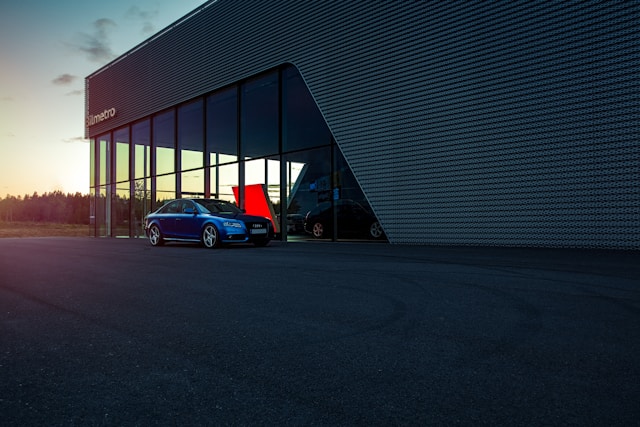
Successful DFW dealership construction requires careful coordination across multiple phases, from initial site evaluation to long-term facility maintenance. We start by defining the project scope, selecting the most suitable delivery method, and establishing clear feasibility parameters early in the process. This foundation enables accurate budgeting and realistic scheduling that account for both brand standards and operational requirements.
Building systems must align with your specific showroom and service department needs, whether it involves tilt-wall construction for durability, precast concrete for speed, or specialized PEMB systems for cost efficiency. We coordinate these technical decisions with ongoing maintenance planning to protect your investment over time. Regular preventive maintenance, concrete work, and urgent repairs help maintain operational continuity while preserving a professional appearance that supports your brand image. Contact EB3 Construction to coordinate your DFW dealership project from preconstruction planning through facility care.