
Building a self-serve car wash requires precise coordination among site design, equipment specifications, and construction logistics. Many developers find that managing these interconnected systems in isolation often leads to costly delays and operational issues that surface after opening.
We coordinate the full construction process to ensure wash bays properly accommodate equipment, traffic flows smoothly, and drainage systems perform reliably. The construction process centers on five critical elements: developing an effective site plan; creating efficient traffic flow and stacking areas; implementing proper water management and containment systems; selecting and placing equipment correctly; and maintaining a structured construction timeline.
How Should Site Selection And Layout Support Traffic Flow And Stacking?

Smart site selection sets the foundation for smooth traffic flow throughout the car wash facility. We look for properties with adequate frontage and enough space for stacking lanes, allowing vehicles to queue without blocking public streets. Commercial zoning helps avoid permitting delays, while proper drainage prevents runoff issues that can complicate construction.
Entry and Exit Lane Configuration
Clear entry and exit paths prevent bottlenecks during peak hours. We design one-way traffic patterns that guide customers through the wash process without confusion. Wide drive aisles accommodate larger vehicles while leaving room to navigate around stopped cars.
Research shows that successful layouts position entry points away from exits to avoid cross-traffic. We mark lanes clearly and provide adequate turning radii so customers can enter wash bays smoothly. Clear signage directs traffic flow and reduces hesitation at decision points.
Strategic Equipment and Service Area Placement
Grouping related services improves operational efficiency and the customer experience. We position vacuum islands near traffic paths so customers can access them easily after washing. This placement allows quick turnover and keeps the main wash areas clear for incoming vehicles.
Service areas should connect logically without forcing customers to backtrack through the facility. We locate payment stations and equipment controls where they are visible and accessible without interfering with vehicle movement. Front parking areas provide space for customers who need extra time or want to prepare their vehicles before washing.
Stacking Lane Design for Peak Demand
Adequate stacking lanes prevent traffic backups onto public roads during busy periods. We calculate stacking capacity based on expected peak volume and service times. Local jurisdictions often require minimum stacking lengths, but we typically exceed these requirements to ensure smooth operations.
Multiple stacking options give customers flexibility when the primary lane fills up. We include escape routes for customers who change their minds or encounter issues with their vehicles. These alternate paths prevent blocked traffic and maintain flow even when problems arise.
Future Expansion Considerations
Flexible site layouts accommodate growth without major reconstruction. We reserve space for additional wash bays, expanded vacuum areas, or complementary services like quick lube services. Utility placement and drainage systems should support future additions without requiring expensive modifications.
Property dimensions affect expansion possibilities, so we evaluate sites with long-term growth in mind. Research indicates that sites under one acre may limit future development. We help property owners understand how their site selection impacts both immediate construction and future business development.
What Goes Into Correct Bay Dimensions, Clearances, And Equipment Placement?
Bay design begins with manufacturer specifications and detailed equipment drawings. We build each bay to accommodate specific equipment clearances while maintaining safe vehicle positioning and user access throughout the wash cycle.
Core Bay Equipment And Mounting Requirements
Foam brush wall booms require specific wall mounting heights and clearance zones for full rotation. These booms typically need an 8-foot minimum clearance from the vehicle centerline to prevent contact during operation. Wall-mounted systems position the boom mechanism at standardized heights that align with most vehicle profiles.
High-pressure hose booms require overhead mounting with sufficient clearance for 360-degree rotation. We position these booms to minimize hose drag while ensuring coverage across the entire vehicle envelope. Proper mounting heights prevent hose tangling and reduce wear on both equipment and facility surfaces.
Payment Systems And Customer Interface Components
Coin and card meters are mounted at accessible heights with protective housings designed for wet environments. We position payment systems where customers can operate them safely while their vehicle remains properly positioned in the bay. These systems require weatherproof electrical connections and clear sight lines to instructional signage.
Instruction signs are mounted at eye level with protective covers and LED backlighting for visibility in all conditions. Clear, simple graphics guide customers through wash sequences without creating confusion or delays. We coordinate sign placement with equipment layout to maintain unobstructed views from the driver’s position.
Bay Configuration And Vehicle Accommodation
Mat holders integrate with wall systems and have specific spacing requirements based on standard floor mat sizes. These holders are positioned at convenient heights for customer access while protecting stored mats from spray and chemical exposure. Mounting locations avoid interference with boom operation and customer movement.
Bay dimensions must accommodate the vehicle envelope plus safety clearances for customer movement around the vehicle. We size bays to provide adequate space for equipment operation, customer access, and emergency egress. Equipment bay layouts follow manufacturer drawings that specify exact positioning for optimal performance.
Overhead boom systems reduce hose drag and improve the customer experience by eliminating tangled equipment on the bay floor. These systems require structural support and precise mounting to handle dynamic loads during operation. We coordinate boom placement with bay lighting and ventilation systems to avoid conflicts.
Self-serve systems can incorporate multiple bay configurations within compact equipment installations. Each bay requires independent plumbing, electrical, and control systems while sharing central equipment rooms and chemical storage. Proper spacing between bays prevents equipment interference and maintains customer privacy during wash operations.
How Do Water Management, Drainage, And The Pump Room Layout Affect Construction?
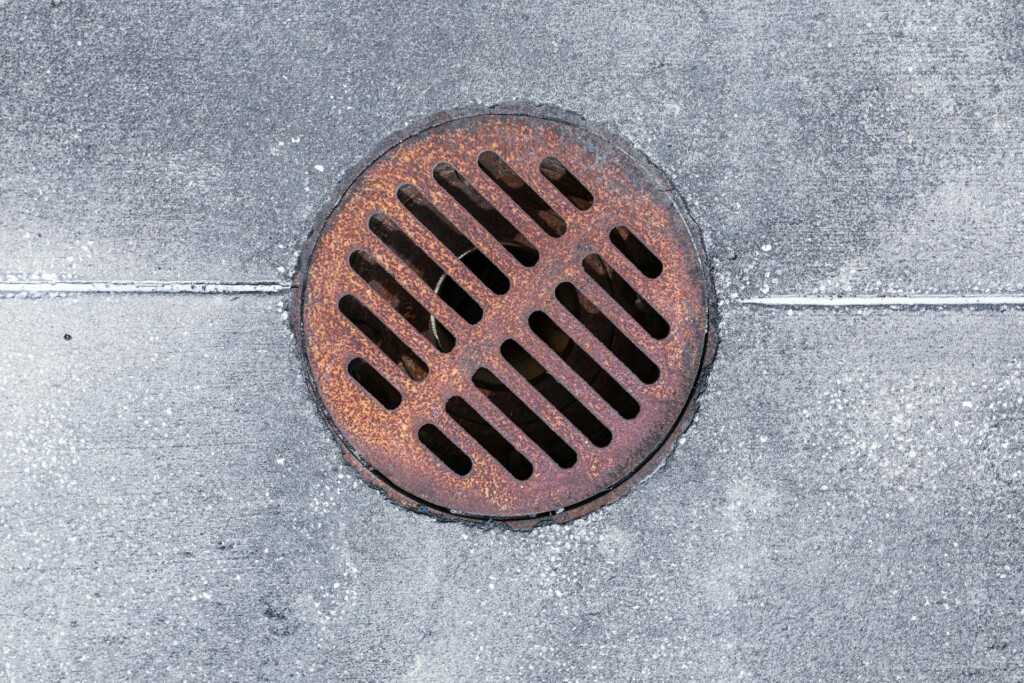
Proper water management underpins every aspect of self-serve car wash construction. We engineer containment systems to capture all wash water within designated bays, preventing runoff from reaching storm drains or groundwater. Each wash bay requires waterproof surfaces with integrated drainage channels that direct used water toward collection points.
Environmental compliance shapes drainage design from the foundation up. We route collected wash water through treatment systems before discharge to meet local regulations for water quality and sediment removal. This design requires careful grading during construction to ensure gravity flow toward treatment equipment while maintaining proper slopes for vehicle access.
Waterproofing Requirements For Equipment Protection
We waterproof wash bay floors and walls using commercial-grade membranes rated for continuous water exposure. The membrane system extends beneath equipment mounting points to prevent water infiltration around anchor bolts and utility penetrations. Wall waterproofing typically extends at least six inches above the floor to handle splash zones.
Climate protection extends beyond basic waterproofing. In regions with freezing conditions, we install heating elements beneath floor slabs and insulate water supply lines within walls. Pump rooms require heated spaces to protect reclaim systems in cold weather, which adds coordination with mechanical systems to the construction timeline.
Pump Room Layout And Infrastructure Planning
A dedicated pump room houses the facility’s water treatment infrastructure in an organized layout. We position tanks, pumps, and manifolds to allow maintenance access while minimizing piping runs. The room typically measures a minimum of 10 by 12 feet, with concrete floors sloped toward floor drains to facilitate equipment service.
Ventilation systems remove moisture and chemical vapors from pump room air. We install exhaust fans sized for the room volume and provide makeup air to prevent negative pressure. Access doors must accommodate equipment replacement, with a minimum width of 36 inches and clear pathways to major components.
Service space planning affects long-term operations. We maintain three-foot clearances around pumps and tanks for maintenance work. Electrical panels are mounted at accessible heights with the working space required by code. Water treatment chemical storage requires ventilation and spill containment, separate from mechanical equipment.
Integration With Site Drainage Systems
Wash bay drainage connects to the broader site drainage through carefully coordinated underground systems. We separate wash water collection from stormwater runoff using dedicated piping networks. This dual system prevents dilution of wash water prior to treatment and keeps rainwater from overloading reclaim systems.
Treatment system discharge requires proper outfall design. We coordinate with municipal authorities on connection points and allowable flow rates. Treated water typically discharges into sanitary sewers rather than storm sewers, which requires different pipe materials and connection methods during construction.
What Permitting And Timeline Steps Does The General Contractor Manage?
The permitting process follows four distinct phases that we coordinate from initial site identification through groundbreaking. Each phase builds on the previous one, requiring careful documentation and timing to maintain project momentum.
We begin by identifying the optimal site location, considering drainage requirements, traffic patterns, and local zoning restrictions. Site plan approval comes next, when city planning departments review the proposed layout for compliance with municipal codes and environmental regulations.
Core Permitting Steps
Site identification involves evaluating multiple factors, including soil conditions, water table depth, and proximity to utility connections. We analyze traffic counts, visibility from main roads, and accessibility for both customers and service vehicles during this initial phase.
City approvals require submitting detailed site plans that show bay positioning, drainage systems, and traffic flow patterns. Planning commissions typically review these submissions over 28–45 days, depending on the municipality and project complexity.
Construction documents and permits represent the most technical phase of the approval process. We prepare comprehensive drawings showing structural details, electrical systems, plumbing connections, and environmental compliance measures, including environmental impact assessments and applicable car wash regulations. Building departments examine these documents for code compliance before issuing construction permits.
Project Timeline Management
Total project duration typically spans 18–24 months from site selection to opening day. This window accounts for permitting delays, seasonal weather, and equipment lead times that can extend delivery schedules.
Construction phase execution runs approximately 180–240 days once permits are secured and groundbreaking begins. We coordinate material deliveries during this period to avoid storage issues and potential theft on active job sites.
Materials logistics require careful scheduling to align concrete pours with equipment installations and utility connections. We track delivery windows for specialized car wash equipment, which often has extended lead times during peak construction seasons.
Operational System Coordination
Payment system integration happens during the final construction phases once electrical rough-in is complete. We coordinate installation of coin mechanisms, credit card readers, and mobile payment interfaces to ensure compatibility with existing utility infrastructure.
Security lighting and camera placement require strategic positioning for maximum coverage while meeting local lighting ordinances. We plan these installations to minimize dark spots around equipment areas and customer pathways without creating light pollution for neighboring properties.
Preventive maintenance planning begins before opening day with equipment manufacturer training and warranty registration. We establish service schedules for high-pressure pumps, chemical injection systems, and water reclaim equipment to maintain optimal performance from day one.
Construction Phase Checklist
- Site identification and feasibility analysis
- City site plan submission and approval (28–45 days)
- Building permits and construction documents (30–60 days)
- Groundbreaking and construction phase (180–240 days)
- Payment system installation and testing
- Security equipment positioning and activation
- Equipment commissioning and staff training
- Final inspections and certificate of occupancy
Conclusion And Next Steps
Successful self-serve car wash construction relies on coordinated planning across four critical areas: strategic site selection with proper traffic stacking, precise bay dimensions aligned to equipment specifications, comprehensive water management and pump room design, and disciplined construction timeline management. We coordinate these elements from site plan approval through system commissioning to ensure operational readiness.
The construction timeline spans 18 to 24 months from initial site evaluation to facility opening, with the active construction phase requiring 180 to 240 days once permits are secured. We manage equipment procurement, drainage installation, and system integration per manufacturer specifications and environmental regulations. Early coordination of pump room layouts, traffic stacking patterns, and bay clearances prevents costly field modifications and schedule delays.
Contact EB3 Construction to coordinate your self-serve car wash project from site planning through operational launch.