Modern motorcycle dealerships generate the highest revenue from service operations, parts sales, and specialty services like collision repair. We build the spaces that make these profit centers work efficiently. A motorcycle dealership construction company plans and builds showrooms with glass-front visibility, reception areas that welcome customers, and sales offices that close deals.
Service drives provide smooth customer flow while repair bays handle maintenance and repairs that drive repeat business. Parts departments stock inventory that keeps bikes running, and specialty areas like body shops and paint shops capture collision work. These projects feature prominent brand signage, metal-roof structures, and transparent facades that attract customers from the street while meeting manufacturer standards for modern dealership operations.
How Should Pre-Construction And Delivery Methods Be Approached?

We approach pre-construction as the foundation for successful motorcycle dealership projects. Early planning establishes clear timelines, verifies site conditions, and aligns the project scope with your operational goals. During this phase, we coordinate architectural design, engineering assessments, and budget development to prevent surprises during construction.
The design-build approach consolidates architecture and construction under one contract. This unified responsibility streamlines decision-making and eliminates the communication gaps that often occur when working with separate design and construction teams. One team manages the entire project from concept through completion.
Single Point Of Accountability
Design-build creates a single chain of responsibility that simplifies project management. Rather than coordinating between independent architects and general contractors, you work directly with one team. This structure reduces conflicts between design intent and construction reality because the same entity handles both phases.
Clear communication flows from this unified approach. Project decisions move faster when the design and construction teams collaborate from day one. Issues get resolved quickly because there’s no finger-pointing between separate contractors about who’s responsible for what.
Timeline And Budget Control
The design-build model allows construction planning to begin during the design phase. While architects develop drawings, we can start securing permits, ordering long-lead materials, and preparing the site. This overlap cuts weeks from the overall schedule compared to traditional methods that require completed designs before construction can begin.
Budget control improves because construction management input shapes design decisions early. We can identify cost-effective alternatives during design rather than discovering expensive problems during construction. This collaborative approach prevents change orders that typically drive up costs in traditional projects.
Minimizing Business Disruption
Phased renovation projects benefit significantly from design-build coordination. We can sequence construction to keep essential dealership operations running while upgrading different areas. The service department might continue operating while we renovate the showroom, then switch phases to minimize downtime.
This approach works particularly well for existing dealerships that need to maintain cash flow during construction. We develop construction schedules that protect your most critical revenue-generating areas while systematically improving the facility.
What Spaces Belong In A Modern Motorcycle Dealership?
A successful motorcycle dealership requires carefully planned spaces that serve distinct functions. Each area must work efficiently while creating a cohesive customer experience.
Customer-Facing Areas
The showroom forms the centerpiece of any dealership operation. Glass-front showrooms maximize street visibility and draw potential buyers inside. We design these spaces with clear sightlines and flexible layouts that accommodate different motorcycle types and seasonal displays.
Reception areas welcome customers and provide essential first impressions. Sales offices need proximity to the showroom while offering privacy for financing discussions and paperwork. These spaces require adequate storage for documentation and comfortable seating for extended negotiations.
Service Operations
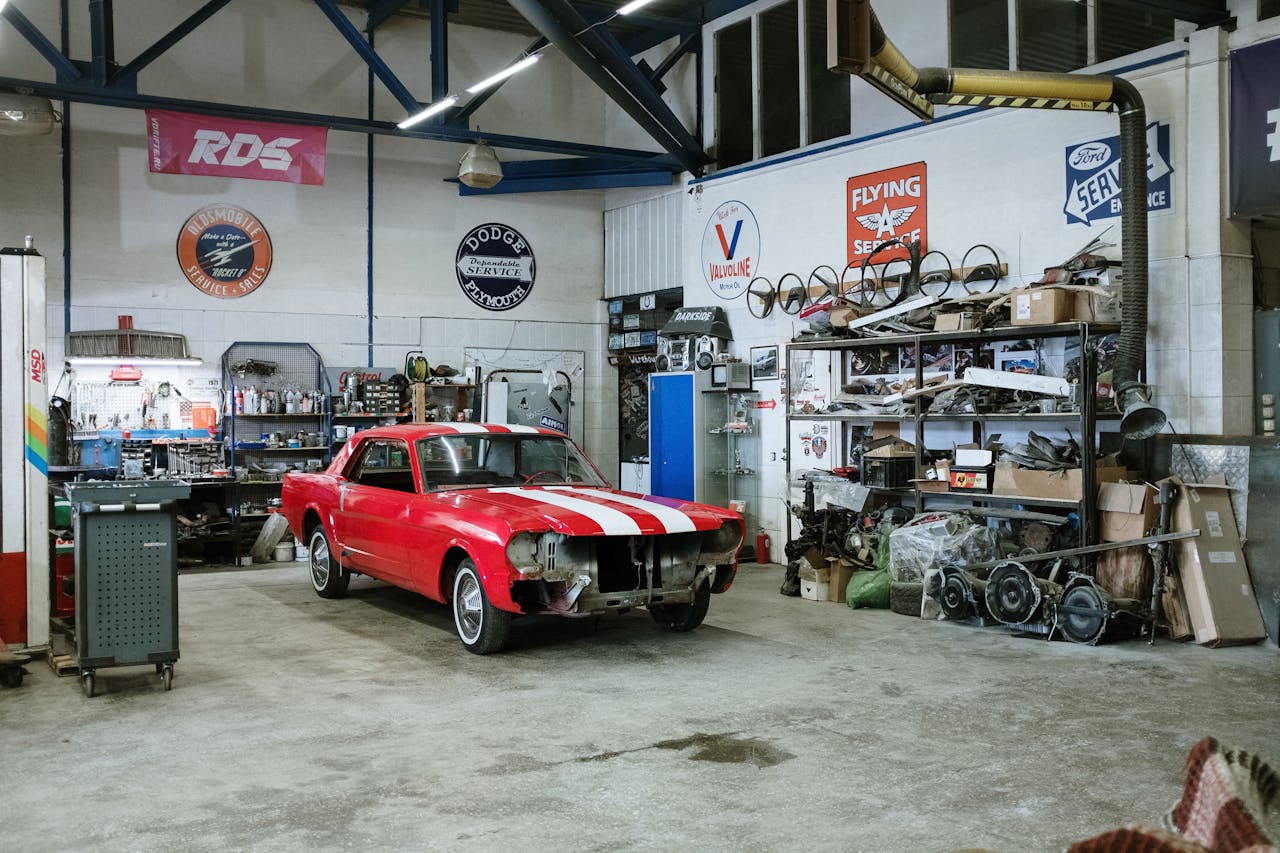
Service drives provide convenient vehicle drop-off and pickup areas. Repair bays house the technical work that generates ongoing revenue streams. We typically plan multiple bay configurations to handle different service types simultaneously.
Tire areas require specialized equipment and storage for various sizes and brands. Parts departments need organized storage systems with easy access for technicians and counter service for walk-in customers. Proper ventilation and lighting support efficient workflows in these spaces.
Specialized Functions
Body shops handle collision repair and restoration work. Paint shops require controlled environments with proper ventilation systems and spray booth installations. These areas often generate significant profit margins but need careful placement away from customer areas.
Collision centers may operate as separate profit centers or integrated services. Storage areas throughout the facility support inventory management and seasonal equipment rotation. We design these spaces with flexibility for changing needs.
Brand Elements And Building Character
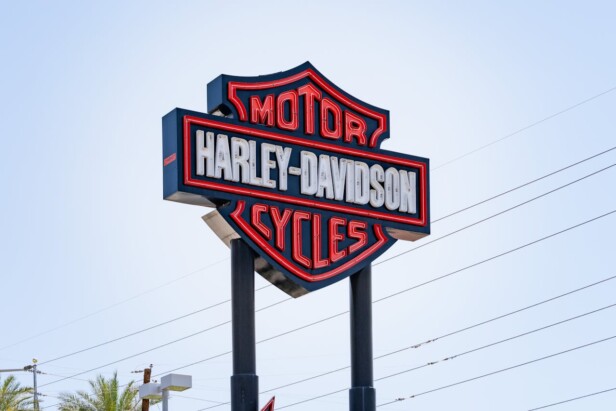
Exterior elements communicate dealership identity before customers enter. Prominent signage ensures visibility from multiple directions and distances. Transparent facades create connection between interior displays and street-level traffic.
Consistent finishes throughout the facility reinforce brand standards. Many OEM manufacturers provide specific guidelines for colors, materials, and layout requirements. We coordinate these elements during design to ensure compliance and avoid costly revisions.
How Do Goals, Site Limits, And Sustainability Shape The Design?
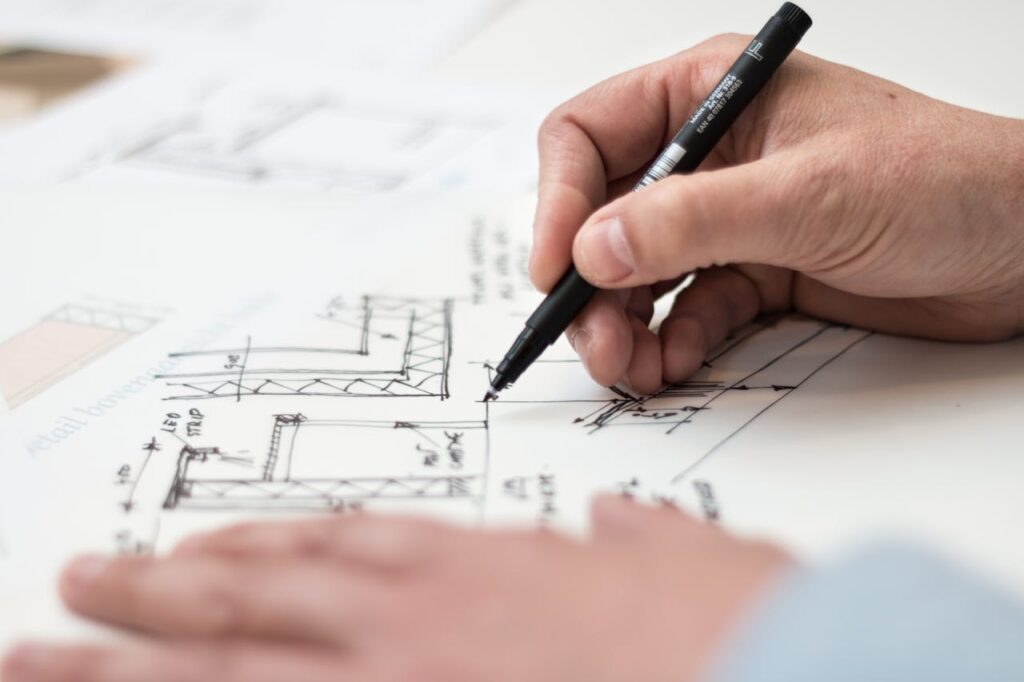
Every motorcycle dealership project starts with unique site constraints. We assess soil conditions, available utilities, and zoning requirements before we begin the design process. Irregular lot shapes require creative solutions to position showrooms, service drives, and storage areas efficiently.
Facility goals drive layout decisions. Revenue-focused dealerships prioritize maximum showroom visibility and customer flow patterns. Service-oriented operations need expanded repair bays and parts storage with direct access routes. We balance these operational priorities against site limitations to create productive workspaces.
Layout efficiency directly impacts daily operations. We position high-traffic areas like reception and sales offices near the main entrance. Service drives connect to repair bays without crossing customer paths. Parts departments link to both service areas and loading zones to support smooth inventory movement.
Sustainable facility design offers measurable benefits beyond environmental responsibility. LED lighting systems reduce energy consumption while providing better color rendering for motorcycle displays. High-performance HVAC systems with zone controls allow different areas to operate at optimal temperatures without waste.
Energy-efficient dealership features appeal to both franchised and independent operations. Modern brands increasingly require environmental compliance from their dealer networks. Solar panels and energy recovery systems can offset utility costs significantly over time, especially in facilities with extended operating hours.
Independent shops often see the most immediate operational savings from sustainable features. Insulated building envelopes reduce heating and cooling loads year-round. Smart building controls automatically adjust lighting and climate systems based on occupancy patterns, cutting unnecessary energy use during off-hours.
Conclusion and Next Steps
Motorcycle dealership construction success depends on aligning program definition with practical site realities and choosing a clear project delivery method. Whether you’re planning a new build or dealership renovation, the foundation starts with defining your spaces precisely, establishing productivity goals, and integrating energy-efficient features from day one. These early decisions shape everything from construction feasibility to long-term operational costs.
We recommend sharing your priorities and constraints early in the process. This allows us to evaluate site conditions, assess design-build planning options, and develop a project scope that matches your timeline and budget. A focused consultation helps identify the most effective approach for your specific needs, whether that involves phased construction to minimize business disruption or sustainable design features that reduce operating expenses.
Contact EB3 Construction to discuss your motorcycle dealership construction company needs and schedule a project consultation.