
An RV dealership construction contractor in Texas plans and builds spaces that match how dealerships operate. Texas RV dealers sell new and pre-owned units including travel trailers, fifth wheels, toy haulers, and off-road campers across diverse regional markets.
We align construction with real dealership functions. Service centers with certified technicians need repair bays sized for different unit types. Parts and accessories areas support both service operations and retail sales. Customer-facing zones handle financing and sales while consignment operations require dedicated intake and staging areas. This construction approach ensures display lots, customer access, and operational flow work together from day one.
Which Dealership Functions Should Shape Site Layout And Building Design?

Inventory display areas form the foundation of any RV dealership site plan. We design these spaces to accommodate the full range of units, from compact travel trailers to massive fifth wheels. Toy haulers require additional clearance for their rear loading capabilities, while off-road campers need accessible positioning for customers examining ground clearance and suspension systems.
The diversity of RV types directly influences lot configuration and concrete slab specifications. Travel trailers demand different spacing than motorhomes, and each category requires specific utility hookups for demonstrations. We position high-turnover models near customer parking and entry points to maximize visibility and accessibility.
Service Center Planning
Service centers require substantial floor space and specialized infrastructure. We plan repair bay layout to handle units up to 45 feet in length with adequate maneuvering room. Each bay needs compressed air lines, electrical service, and drain systems positioned to support certified technicians working on diverse RV systems.
The service center connects directly to parts storage and customer waiting areas. We position service entrances away from sales traffic to prevent operational conflicts. Loading docks for parts deliveries require truck access separate from customer circulation paths.
Parts Department And Accessories Retail
Parts storage demands both warehouse functionality and retail accessibility. We design spaces that support service work with quick access to common components while providing customer-facing areas for accessories retail. Climate control protects sensitive electronics and materials from Texas heat.
Parts counters require sight lines to service bays and staging areas. We position these areas to serve both walk-in customers and technicians efficiently. Inventory management systems integrate with these physical layouts to track parts movement from storage to installation.
Sales And Financing Areas
Customer-facing areas need clear sight lines to inventory display lots while providing privacy for financial discussions. We design sales offices with easy access to both indoor showrooms and outdoor display areas. Financing offices require secure document storage and private meeting spaces that comply with lending regulations.
These spaces connect to customer parking through well-marked pathways. We position reception areas to direct traffic flow efficiently between sales, service, and parts functions without creating bottlenecks during peak hours.
Consignment Intake And Staging
Consignment operations require dedicated intake areas with easy access for customers delivering units. We design staging zones that allow inspection and preparation work separate from new inventory displays. These areas need secure storage and processing space for units awaiting evaluation or reconditioning.
Traffic flow through consignment areas avoids interference with regular sales operations. We position these functions with direct access to service facilities when units require repairs or preparation for resale.
How Does Texas Location And Market Variety Guide Planning?
Texas RV dealerships serve distinct regional markets, each with specific customer preferences and inventory needs. In Denton, dealerships often emphasize family-friendly travel trailers and full-service operations, while Athens locations may focus heavily on off-road campers and specialty accessories. Rice and Granbury markets show strong demand for pre-owned units alongside new inventory, creating different space allocation requirements for each location.
We account for these regional differences when sizing display areas and service capacity. A Denton dealership might require larger family RV display zones and expanded parts storage to support high-volume service operations. An Athens location focusing on off-road campers needs specialized display areas that handle heavier, more rugged units and dedicated space for off-road accessories and modification services.
Market variety within Texas creates opportunities for dealerships to shift focus as demand changes. We design flexible display zones that can accommodate different unit types without major site modifications. A lot initially configured for travel trailers can adapt to fifth wheels or toy haulers through adjustable parking layouts and flexible utility connections.
Construction phasing should align with local business patterns and peak seasons. Texas dealerships experience varying busy periods based on their market focus, with off-road specialists seeing different seasonal patterns than family RV dealers. We schedule major construction activities during slower periods and maintain clear customer access during peak sales months, ensuring minimal disruption to ongoing operations.
Brand mix considerations also influence our planning approach. Dealerships may represent multiple manufacturers or switch brand partnerships, requiring adaptable signage mounting systems and flexible building configurations. We design service areas and parts storage with sufficient capacity to handle brand changes without requiring structural modifications, protecting the dealership’s ability to evolve with market demands.
What Construction Phases And On-Site Conditions Appear In Texas RV Dealership Builds?
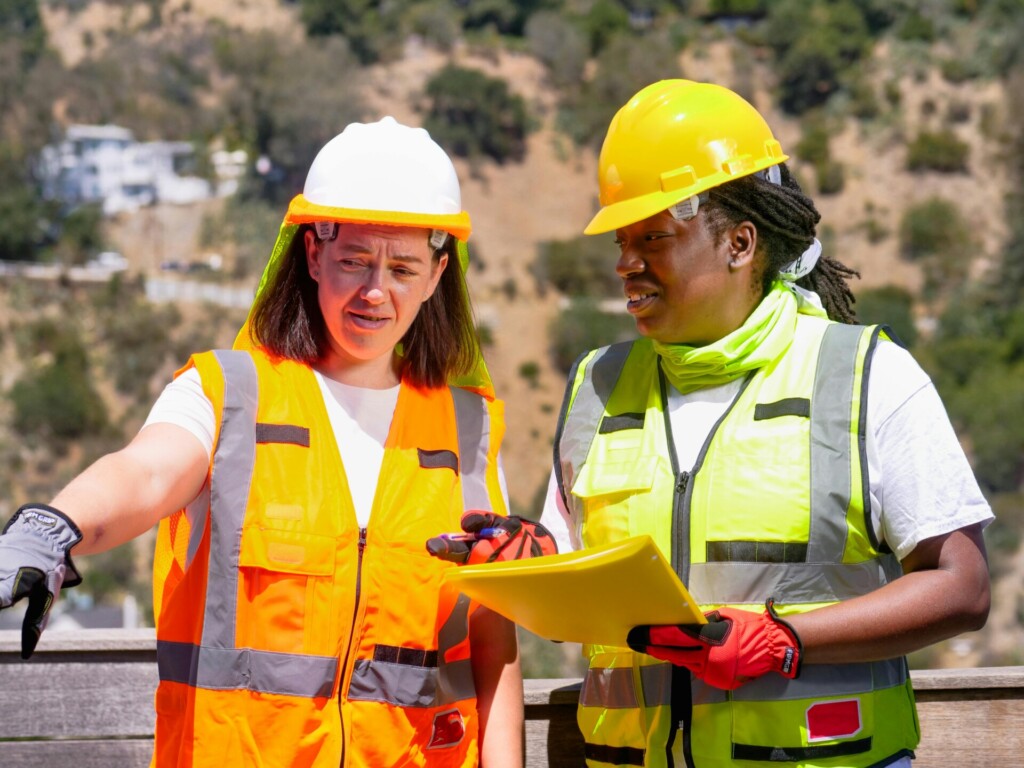
Texas RV dealership construction creates unique site conditions that demand careful sequencing. We manage groundwork while RVs sit nearby, pour concrete slabs around active inventory areas, and install exterior signage on brick facades without disrupting sales operations. Each phase requires precise coordination to maintain safety boundaries and operational flow.
Construction activities must accommodate the reality that dealerships rarely shut down completely during builds. Site grading happens in sections to preserve access routes for customers and delivery trucks. Foundation work progresses incrementally, ensuring we maintain clear pathways to service bays and parts departments throughout the process.
Site Grading Coordination Around Live Inventory
We coordinate site grading to avoid conflicts with existing RV inventory and customer traffic. Heavy equipment operates in designated zones while maintaining buffer distances from displayed units. This approach protects valuable inventory from dust, debris, and potential damage during earthwork operations.
Grading sequences follow a logical progression that preserves essential access points. We establish temporary roadways for customer use while preparing permanent surfaces in phases. Dust control measures become critical when working near RVs, as these units represent significant investments that require protection from construction activities.
Concrete Slab Sequencing For Operational Continuity
Fresh concrete slabs require strategic timing and placement to maintain dealership functions. We pour foundation sections during low-traffic periods and coordinate curing schedules with business operations. This sequencing keeps customer access routes open while progressing toward completion milestones.
Slab work progresses from least critical areas toward customer-facing zones. Service bay foundations typically come first, followed by display lot improvements and customer parking areas. Each pour builds upon previous sections while maintaining clear pathways for ongoing sales and service activities.
Exterior Signage Installation On Active Facilities
Signage installation on brick facades demands coordination with other building trades and dealership schedules. We time installation work to minimize disruption during peak customer hours while ensuring proper mounting techniques for long-term durability. Electrical connections for illuminated signs require careful planning around existing building systems.
Facade work progresses systematically to maintain building weather protection throughout construction. We coordinate signage mounting with any necessary brick repairs or structural modifications. This approach ensures consistent brand presentation while protecting the building envelope during the installation process.
How Can Contractors Align Construction With Dealership Operations?
We build RV dealerships by mapping operational workflows into physical layouts. Display lot planning starts with unit specifications. Travel trailers require different ground conditions than fifth wheels or toy haulers. Heavy units need reinforced surfaces and wider circulation paths. We design lots that handle these varied weights while maintaining easy customer navigation.
Service bay adjacency drives efficient dealership operations. We position repair bays within 50 feet of parts storage areas. This proximity cuts technician travel time for components and accessories. Short walking distances between service areas and parts counters keep repair work flowing without delays. These circulation paths become the backbone of productive service operations.
Customer parking placement affects sales success. We locate primary parking near showroom entrances and financing offices. Easy access from parking to customer-facing areas removes barriers that discourage walk-ins. Clear sightlines from parking areas to displayed inventory help customers identify specific units they want to examine.
Consignment intake requires specialized staging areas. We design drive-through access patterns that allow customers to drop off units without disrupting active sales areas. Separate intake zones prevent consignment activities from interfering with new unit displays or service operations. Access control measures keep staging areas organized while maintaining security.
Phased work sequences protect ongoing dealership operations. We coordinate construction activities around peak sales periods and service schedules. Critical areas like customer access routes remain open throughout each phase. Material deliveries happen during off-peak hours to avoid disrupting customer visits. This approach maintains revenue flow while construction progresses.
Conclusion And Next Steps

RV dealership construction contractor Texas projects must address the complexity of modern dealership operations. We coordinate diverse inventory areas for travel trailers and fifth wheels alongside active service centers staffed by certified technicians. Parts departments, financing offices, and consignment intake zones all require careful integration to support daily operations while construction proceeds.
Site phasing becomes critical when balancing construction progress with operational continuity. Sequence grading and concrete slab work to maintain customer access paths. Schedule exterior signage installation during facade completion phases. Map each functional area first, then develop construction phases that protect inventory display zones and service operations from disruption while maintaining site safety protocols throughout the build.
Contact EB3 Construction to coordinate scope alignment, schedule planning, and site flow management for your RV dealership project.