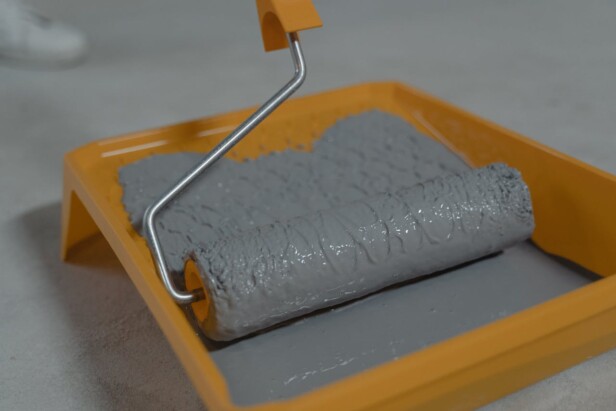
Concrete floors in service shops endure heavy wear from heavy equipment, chemical spills, and constant traffic. Without proper protection, these surfaces can crack, stain, and deteriorate quickly, creating safety hazards and maintenance headaches that reduce productivity.
A service shop floor-coating contractor specializes in turning vulnerable concrete surfaces into durable, chemical-resistant systems built for demanding environments. We assess existing concrete, prepare surfaces through mechanical grinding, and install resinous coating systems—epoxy, polyurea, and polyaspartic—that create seamless, stain-resistant surfaces capable of withstanding the demands of auto repair shops, manufacturing facilities, and commercial spaces.
Which Floor Coating Systems Fit Service Shops Best?
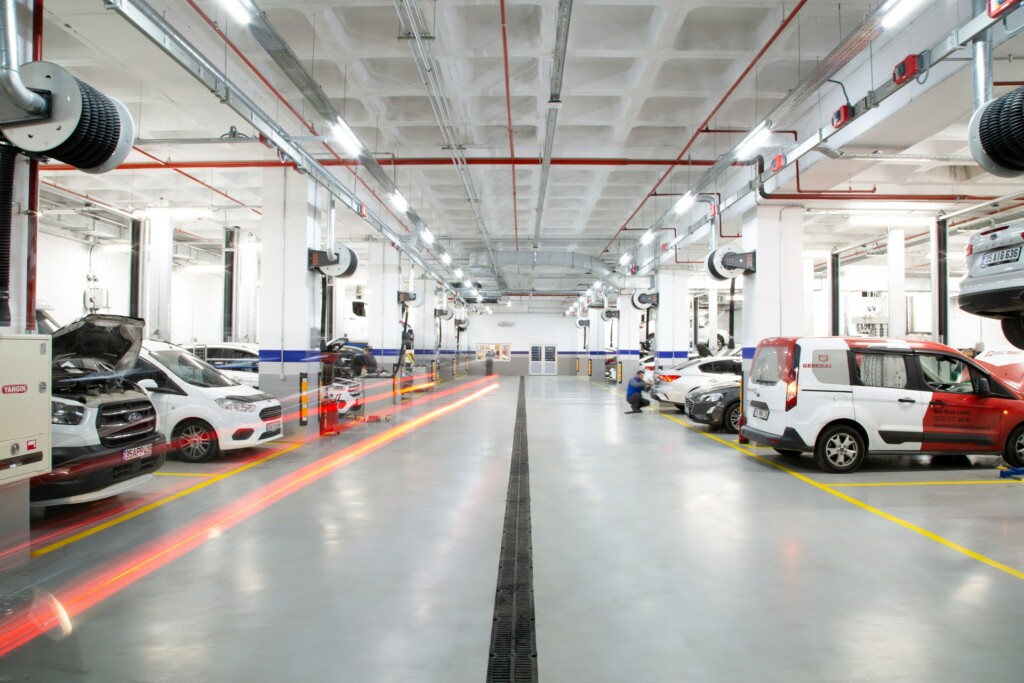
Service shops demand flooring systems that withstand constant punishment from vehicles, chemicals, and heavy equipment. Three common coating systems in the commercial floor coatings market are 100% solids epoxy, polyurea/polyaspartic systems, and polished concrete. Each offers distinct advantages depending on your operational requirements.
100% Solids Epoxy Systems
100% solids epoxy flooring creates a seamless, stain-resistant surface that excels in heavy-traffic environments. These VOC-compliant systems cure quickly compared to traditional solvent-based options, making them practical for active service shops. We often specify these systems when chemical resistance is critical and budget matters.
Epoxy systems bond strongly to properly prepared concrete substrates. They resist most automotive fluids, oils, and cleaning chemicals found in service environments. The coating forms a continuous membrane that eliminates joints where contaminants can accumulate, improving hygiene and maintenance efficiency.
However, standard epoxy systems can yellow when exposed to UV light and may show wear patterns in high-abrasion zones. We address these limitations through careful system selection and sometimes pair epoxy base coats with more durable topcoats.
Polyurea and Polyaspartic Systems
Polyurea coatings and polyaspartic coatings are advanced industrial-grade polymers designed for demanding environments. These systems excel in scratch resistance, impact durability, and chemical protection. UV stability prevents yellowing and maintains appearance even in shops with large overhead doors or skylights.
A significant advantage is resistance to hot tire pickup, a common problem in service shops where vehicles enter with heated tires. Traditional coatings can soften and transfer to hot rubber, but polyurea/polyaspartic systems maintain their integrity under these conditions.
Installation flexibility allows one- or two-day systems, depending on the product selected. Fast cure times minimize downtime, crucial for shops that cannot afford extended closures. These systems also handle temperature fluctuations better than rigid epoxy, reducing the risk of cracking in unconditioned spaces.
Polished Concrete Solutions
Polished concrete involves mechanical grinding and polishing that densifies and seals the concrete from within instead of applying a surface coating. This process creates an extremely durable surface valued for its ease of cleaning in commercial settings. The refined finish provides a professional appearance while maintaining slip resistance through controlled aggregate exposure.
Maintenance requirements remain minimal since polished concrete resists most stains and can be cleaned with simple neutral cleaners. The system handles heavy loads without delamination concerns because no coating exists to separate from the substrate. This makes polished concrete attractive for shops with extremely heavy equipment or high point loads.
The main drawback is more limited chemical resistance compared to resinous systems. While polished concrete handles most automotive fluids, aggressive chemicals may require prompt cleanup to prevent staining or etching.
System Selection Criteria
Exposure conditions and downtime requirements drive system selection more than initial cost. High chemical loads and fast-turnaround schedules favor polyurea/polyaspartic systems despite higher material costs. Their rapid cure times and strong chemical resistance justify the investment in demanding environments.
Extensive industrial use and budget flexibility often point toward epoxy flooring systems. These proven systems deliver reliable performance at moderate cost, making them suitable for general service shop applications without extreme exposure conditions.
Low maintenance and refined aesthetics can make polished concrete the optimal choice. Shops prioritizing long-term durability with minimal ongoing maintenance find this system attractive, particularly in climate-controlled environments.
| Coating System | Main Advantages | Main Drawbacks | Best For |
| 100% Solids Epoxy | Seamless, stain-resistant surface; strong bond with concrete; resistance to most automotive fluids. | May yellow under UV light; wear may appear in high-abrasion areas. | Service shops with critical chemical resistance needs and budget constraints. |
| Polyurea/Polyaspartic | Superior scratch, impact, and chemical resistance; UV stability; fast curing; resists hot tire pickup. | Higher material cost. | Shops with high chemical exposure and fast-turnaround needs. |
| Polished Concrete | Durable, easy to clean, slip-resistant finish. | Limited chemical resistance. | Shops with a focus on aesthetics and minimal maintenance. |
We evaluate each project based on specific operational requirements, chemical exposures, traffic patterns, and scheduling constraints. The right system balances performance requirements with practical installation considerations and long-term maintenance expectations.
How Is The Floor Prepared And Installed In Active Shops?
Surface preparation drives the success of every service shop floor coating project. We mechanically grind the concrete substrate to create the proper surface profile for adhesion instead of acid etching. This mechanical approach removes the weak surface layer and provides a consistent texture across the entire floor.
Crack repair comes next in our preparation process. We address hairline cracks, major structural cracks, pitting, and spalls using specialized repair compounds that match the substrate’s expansion characteristics. Each repair must cure completely before coating application begins.
Moisture Management and Vapor Mitigation
Moisture testing determines whether vapor mitigation is necessary. We use calcium chloride tests and moisture meters to assess vapor transmission rates through the concrete substrate. When readings exceed acceptable limits, we install vapor mitigation underlayments or moisture-blocking primers to prevent future coating failures.
Temperature and humidity during installation affect application and cure times. We monitor these factors closely and adjust our timeline to ensure optimal results.
Multi-Coat Installation Systems
Installation typically involves multi-coat systems that build proper mil thickness and overall film build for long-term performance. The base coat provides adhesion and fills minor surface imperfections. We can broadcast partial or full flake systems into the wet base coat for enhanced texture and slip resistance.
Metallic epoxy finishes require specialized techniques during application. These systems create unique visual effects through controlled movement of metallic pigments in the coating matrix. Each metallic installation demands careful timing and environmental control.
Clear topcoats seal the system and provide the final performance characteristics. We select topcoat chemistry based on expected chemical exposure, traffic patterns, and maintenance requirements for each specific service shop application.
Installation Timeline and Traffic Restrictions
Complete installation typically spans 1 to 3 days, depending on system complexity and shop size. Single-coat systems install faster than multi-coat applications, but multi-coat systems usually provide superior long-term performance in demanding service environments.
Light foot traffic is typically allowed 24 to 48 hours after completion. Walk-on time varies based on ambient temperature, humidity levels, and the specific coating chemistry used. We provide precise timing guidelines for each project based on actual site conditions.
Vehicle traffic requires a minimum cure time of 48 to 72 hours before allowing cars, trucks, and shop equipment back onto the floor. Heavy equipment and full operational loads may require additional cure time to avoid damage to the new coating system.
Specialized Installation Features
Cove bases create sanitary transitions between floors and walls in service areas that require regular washdown or cleaning. These seamless transitions eliminate dirt and debris collection points while simplifying maintenance.
We coordinate installation schedules around shop operations to minimize downtime. Evening and weekend installations allow service shops to maintain normal business hours while upgrading their flooring systems.
What Performance, Hygiene, And Safety Features Should Be Specified?
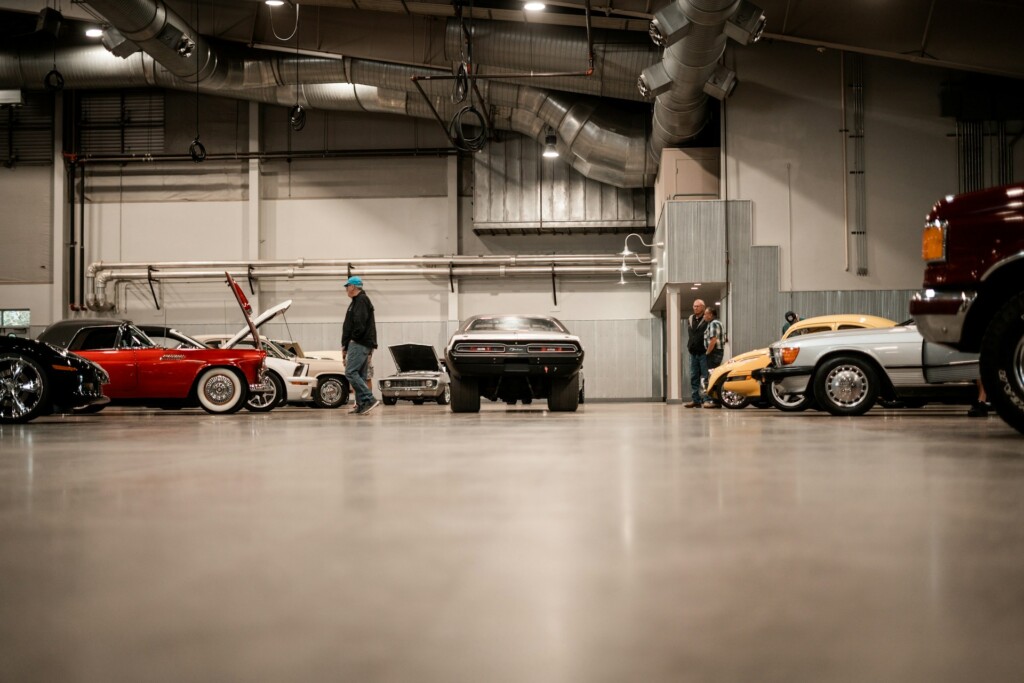
When we evaluate service shop coating specifications, durability requirements drive most decisions. Heavy equipment, rolling carts, and daily tool drops demand abrasion resistance ratings that exceed those for standard commercial applications. We typically specify systems with abrasion loss below 10 mg to handle the constant grinding common in service environments.
Chemical resistance is critical for typical shop exposures. Motor oils, hydraulic fluids, brake cleaners, and aggressive degreasers can attack inadequate coating systems within months. We specify chemical-resistant formulations that withstand petroleum products, acids, and alkaline cleaning solutions without softening or delaminating.
Stain resistance protects your investment from the inevitable spills that come with busy shop operations. Quality stain-resistant coatings prevent oil penetration and keep cleanup manageable with standard shop procedures. This feature directly affects long-term appearance and reduces maintenance costs over the system’s lifespan.
Hygiene and Indoor Air Quality Considerations
Seamless hygienic flooring eliminates the grout lines and joints where dirt, fluids, and contaminants accumulate. We install monolithic surfaces that extend wall-to-wall without interruptions, making thorough cleaning possible with standard equipment. These systems support regulatory compliance in facilities where cleanliness affects operations.
Low-VOC coatings address indoor air quality concerns during installation and throughout the coating’s service life. Water-based epoxy systems and low-emission polyurethanes reduce installation odors and support healthier work environments. According to the Environmental Protection Agency, people spend more than 80% of their time indoors, making air quality a workplace safety priority.
We select resinous systems that contribute to industrial safety through slip-resistant textures and chemical containment capabilities. Anti-slip additives can be incorporated during installation to achieve specific coefficient of friction (COF) requirements based on your shop’s wet and dry conditions.
Film Build and Protection
Adequate film build provides the foundation for long-term performance in heavy traffic areas. We typically specify 10–15 mils for moderate service environments and 20 mils or more for severe exposure conditions. Thin coatings fail prematurely under the punishment that service shops deliver daily.
Clear coats serve as sacrificial layers that absorb wear while protecting the underlying color and texture. These topcoats can be renewed periodically to restore appearance without complete system replacement. UV-stable clear coats prevent yellowing in areas with natural light exposure.
Impact resistance prevents coating failure when tools are dropped or heavy components contact the floor. We specify systems with adequate flexibility to absorb impacts without cracking, which is particularly important around lift points and work areas where mechanical stress concentrates.
Temperature stability matters in shops where hot components contact the floor or where thermal cycling occurs. Quality resinous systems maintain adhesion and flexibility through temperature swings that would stress inferior coatings. This stability reduces long-term maintenance requirements and extends service life.
Conclusion And Next Steps
Service shops demand flooring systems that deliver long-term performance under demanding conditions. We’ve seen how seamless, durable coatings protect against heavy traffic, chemical spills, and daily wear while maintaining the appearance and function your shop requires. The key is selecting the right system for your specific environment and operational constraints.
Match your coating choice to your shop’s unique demands. High chemical exposure and rapid turnarounds favor polyurea and polyaspartic systems that cure quickly and resist aggressive chemicals. Facilities with moderate chemical loads and flexible downtime often benefit from 100% solids epoxy systems that balance performance with cost-effectiveness. Operations seeking refined finishes with minimal ongoing maintenance can consider polished concrete for its durability and ease of cleaning. We coordinate mechanical grinding, crack repairs, and moisture mitigation to ensure proper substrate preparation, regardless of the system you choose. Specify low-VOC formulations for better indoor air quality and set cure windows that align with your schedule.
Ready to transform your service shop floor? Contact EB3 Construction to schedule an on-site substrate assessment and develop a coating system, finish selection, and installation schedule tailored to your operations.