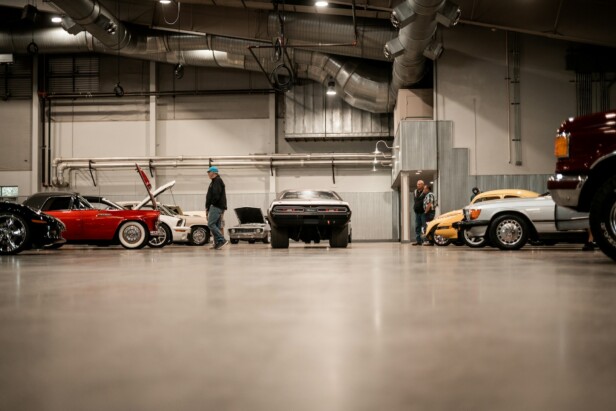
Auto auction facilities process thousands of vehicles every week, requiring sites that handle massive throughput with precision timing. An auto auction facility builder creates infrastructure that moves inventory rapidly from arrival to sale to departure. The scale demands careful coordination of vehicle staging, auction lanes, and support operations.
We design facilities around high-volume vehicle movement, incorporating dedicated inspection bays, staging areas for organized inventory flow, and detailing zones that prepare vehicles for sale. These projects support both traditional live auctions and digital platforms, requiring flexible spaces that accommodate pre-sale preparation, auction-day operations, and post-sale processing. When connected to broader distribution networks, these facilities become critical nodes in automotive logistics chains.
How Should Site Selection And Capacity Be Planned?
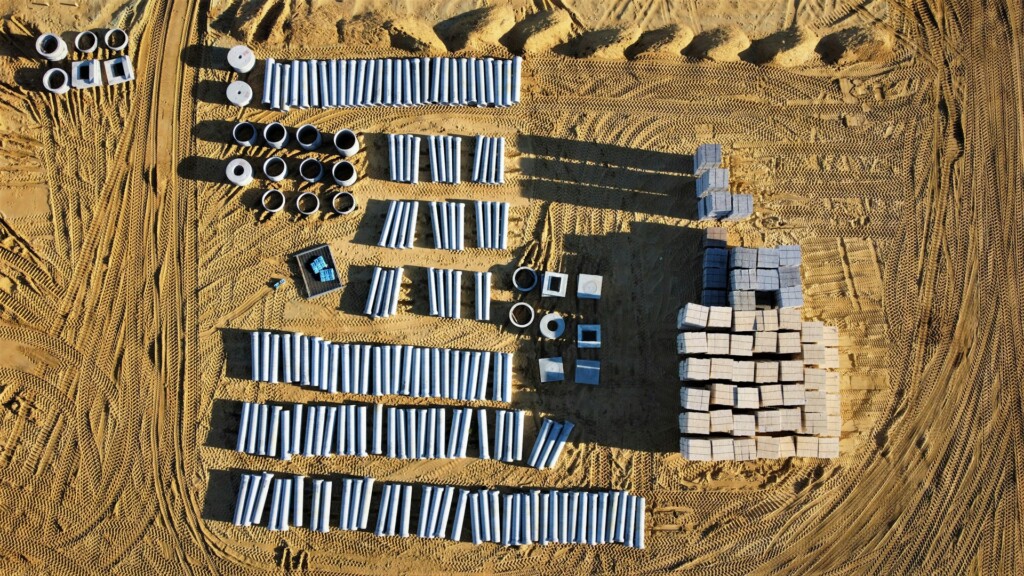
Auto auction projects demand extensive acreage to handle the scale of operations. A typical facility spans 75 acres to support parking and staging for 1,500 or more vehicles. This footprint accommodates the constant flow of inventory while providing adequate space for inspection, processing, and temporary storage before and after auction events.
Site Development Fundamentals
We approach site development by prioritizing vehicle movement patterns and operational efficiency. The layout must support hundreds of vehicles entering and exiting daily during peak auction periods. Staging areas require clear organization to separate incoming inventory from processed vehicles ready for departure.
Access points connect directly to major transportation routes to facilitate smooth entry and exit for transport trucks and car carriers. Multiple entry and exit lanes prevent bottlenecks during high-volume periods. We design circulation patterns that separate pedestrian traffic from vehicle movement for safety and operational flow.
Infrastructure Requirements
Stormwater management systems handle runoff from large paved surfaces across the site. Proper drainage prevents flooding in staging areas and protects vehicle inventory during weather events. We integrate detention systems that meet local regulatory requirements while preserving usable space for operations.
Security lighting covers the entire site perimeter and staging areas for 24-hour operations. LED systems provide consistent illumination while reducing long-term energy costs. Perimeter security includes fencing, controlled access gates, and camera coverage at key circulation points.
Utility planning accommodates high-capacity electrical service for lighting, security systems, and building operations. Water and sewer connections support facility needs including wash bays and office areas. We coordinate utility routing to avoid conflicts with heavy vehicle traffic patterns.
Traffic Flow Design
Traffic striping and wayfinding systems guide vehicle movement throughout the site. Clear lane markings separate different vehicle types and direct traffic to appropriate staging areas. Signage systems help drivers navigate to inspection bays, auction lanes, and exit points without creating congestion.
Turn radii accommodate large transport trucks and car carriers that deliver inventory to the facility. Loading zones provide adequate space for vehicles to maneuver during drop-off and pickup operations. We design circulation patterns that maintain forward movement and minimize backing maneuvers in high-traffic areas.
What Building Program Elements Streamline Auction-Day Flow?
Pre-Engineered Metal Building Structure
We typically recommend a 40,000-square-foot pre-engineered metal building for most auction operations. These structures offer the clear span flexibility needed for vehicle movement and can accommodate the scale required for high-volume processing. The pre-manufactured components reduce construction time significantly compared to conventional building methods.
Pre-engineered metal buildings provide the structural strength to support overhead crane systems and heavy vehicle traffic. We design these facilities to handle the operational demands of auction environments while maintaining cost efficiency during construction and long-term operations.
Service Bay Configuration
Service bays form the core of operational efficiency in auction facilities. We configure approximately 10 service bays to support simultaneous vehicle inspection, detailing, and minor repair operations. Each bay requires adequate clearance for drive-through access and sufficient workspace for technicians.
The service bay layout directly impacts vehicle processing speed during auction events. We position these areas to minimize bottlenecks and ensure smooth transitions between inspection, detailing, and staging operations. Proper bay spacing allows for equipment storage and safe pedestrian movement alongside vehicle operations.
Drive-Through Lane Design
Multiple drive-through lanes eliminate congestion during peak auction periods when hundreds of vehicles move through the facility daily. We design these lanes with appropriate width and turning radii to accommodate various vehicle sizes from compact cars to commercial trucks. Advanced traffic striping guides drivers and maintains organized flow patterns.
Drive-through access connects all major operational areas without creating conflicts between different vehicle movements. We coordinate lane placement with service bay locations, parking areas, and staging zones to create efficient circulation paths that support both daily operations and auction-day logistics.
Inspection and Detailing Areas
Dedicated inspection areas require proper lighting and workspace for thorough vehicle assessment. We design these zones with overhead lighting systems and clear sight lines for quality evaluation. Inspection areas connect directly to processing lanes but provide sufficient space for detailed examination without disrupting traffic flow.
Detailing operations need specialized utilities including water, compressed air, and electrical connections for cleaning equipment. We position these areas to support both routine maintenance and pre-auction preparation while maintaining separation from office operations and customer areas. Proper ventilation and drainage systems handle the demands of vehicle cleaning processes.
Office Operations Integration
Office operations require direct visual connection to vehicle processing areas while maintaining separation for administrative functions. We design office spaces that overlook key operational zones, allowing staff to monitor auction activities and coordinate logistics effectively. These areas house administrative staff, auction managers, and customer service functions.
Technology infrastructure throughout the office areas supports digital auction platforms and communication systems. We plan for data connectivity that links office operations with vehicle processing areas, enabling real-time tracking and coordination during high-volume auction events.
How Can Facilities Tie Into Distribution And Shipping Needs?

Large automotive distribution centers operating at 240,000 square feet or more represent a significant step beyond basic auction operations. These facilities handle complete logistics workflows that span from initial vehicle receipt through final delivery to domestic and international destinations. We coordinate these projects to support both auction activities and broader distribution networks that connect with shipping terminals and transportation hubs.
Dock Configuration And Loading Requirements
Distribution-scale facilities require multiple loading dock configurations to handle varied vehicle types and shipping methods. Standard truck docks accommodate domestic transportation needs, while specialized configurations support car carriers and equipment haulers. The dock layout must account for simultaneous loading and unloading operations without creating circulation conflicts.
International shipping requirements add complexity through connections to port facilities and container operations. Vehicle preparation areas near shipping docks allow for final inspections and documentation before export. We design these zones with clear sightlines and direct access to minimize handling time and potential damage during transfer operations.
Circulation And Traffic Flow Integration
Complex logistics workflows demand sophisticated circulation patterns that separate incoming inventory from outbound shipments. Internal roadways must accommodate large transport vehicles while maintaining clear paths for auction-related traffic. Dedicated lanes for different vehicle types prevent bottlenecks during peak operations.
Storage areas require strategic placement to support both short-term auction staging and longer-term distribution hold periods. We plan these spaces with flexible striping systems that can adapt to changing inventory mix and seasonal volume fluctuations. Clear wayfinding and zone identification help staff and drivers navigate efficiently across the expanded facility footprint.
Logistics Alignment Checklist
Critical planning elements for distribution integration include dock count and configuration based on daily throughput targets, dedicated staging areas for export preparation and domestic shipping, circulation patterns that separate auction and distribution traffic, storage capacity for extended hold periods, and connections to major transportation corridors. Additional considerations cover customs and documentation areas for international shipments, vehicle preparation and cleaning stations, and security systems that accommodate extended site operations.
Technology infrastructure must support inventory tracking across multiple operational phases. Integration with shipping management systems and customs documentation platforms becomes essential when facilities handle international logistics workflows.
Which Services And Sale Formats Shape Space And Technology Needs?
Digital Services And Simulcasting Support
Live auctions with simultaneous online bidding require robust technology infrastructure throughout the facility. We design lanes with dedicated spaces for cameras, audio equipment, and network connections that enable real-time streaming. Simulcasting systems demand low-latency connections and backup power systems to prevent technical disruptions during active bidding.
Digital services extend beyond basic video feeds. Modern facilities incorporate multiple camera angles, automated bid tracking, and integrated payment processing systems. We position technology hubs at strategic points to minimize cable runs and ensure reliable signals reach every auction lane.
Service Workflow And Operational Zones
Pre-sale operations require dedicated staging areas where vehicles undergo inspection, photography, and condition documentation. We create clearly defined zones that separate incoming inventory from vehicles ready for auction day. These areas need adequate lighting for quality photos and sufficient space for detailed inspections.
Post-sale services demand equally organized workflows. Sold vehicles move through title processing, payment verification, and preparation for pickup or delivery. We design circulation patterns that prevent bottlenecks when hundreds of transactions occur within hours of an auction’s conclusion.
Inventory Types And Adaptive Bay Design
Wholesale auctions focus on standard passenger vehicles and light trucks, requiring consistent bay sizes and standard ceiling heights. Heavy trucks and equipment auctions need oversized bays with reinforced floors and higher clearances. We design flexible spaces that accommodate both standard and oversized inventory without compromising operational efficiency.
Specialty vehicle auctions may include classic cars, motorcycles, or recreational vehicles. These events often require climate-controlled display areas and enhanced security systems. Inoperable and salvage auctions need different considerations, including drainage systems for fluid leaks and heavy-duty equipment access for vehicle movement.
Public auctions attract different customer demographics and require customer-facing amenities. We incorporate comfortable seating areas, refreshment facilities, and clear sightlines to auction lanes. These spaces influence both layout decisions and finish selections throughout the facility.
Conclusion And Next Steps

Successful auction facility planning requires balancing multiple operational priorities to deliver a site that performs under peak demand. The foundation starts with clear volume targets that drive every design decision. Daily vehicle counts determine bay requirements, while parking and staging needs scale directly with inventory flow and auction-day peaks.
Sitework forms the backbone of operational efficiency. Stormwater management prevents disruptions during weather events. Security lighting and perimeter controls protect valuable inventory. Traffic striping and circulation patterns keep hundreds of vehicles moving safely through the site. These infrastructure elements support both routine operations and high-volume auction events. Inspection, detailing, and office areas must accommodate daily workflows while expanding capacity for sale-day surges. When distribution and shipping integration matters, circulation and storage alignment becomes critical for seamless logistics workflows. Technology infrastructure for simulcasting and digital services requires early coordination with building systems to support multiple sale formats and inventory types, from standard wholesale vehicles to heavy equipment and salvage units.
Ready to develop your auto auction facility? Contact EB3 Construction to discuss your project requirements and site planning needs.