Commercial properties with aging brick facades face rising maintenance costs and declining tenant interest. Cracked mortar joints and moisture infiltration can escalate into structural issues that demand immediate attention, yet property owners often delay these critical repairs until damage becomes visible to potential tenants.
A commercial brick-facade renovation transforms a building’s exterior through targeted masonry restoration and modern design integration. We combine essential repairs, such as tuckpointing, with strategic upgrades that enhance durability and visual appeal. This comprehensive approach improves moisture control and incorporates contemporary elements, such as glass connectors and mixed materials, to create facades that attract quality tenants and support long-term property value.
How Do You Assess A Brick Facade And Spot Problems Early?
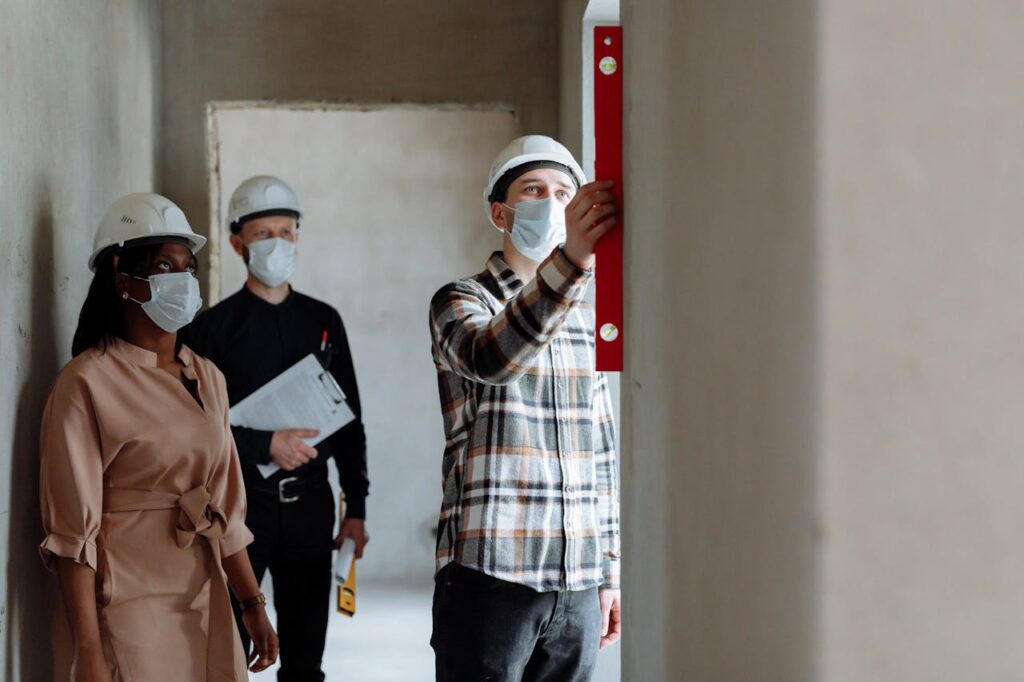
We begin every assessment with the mortar joints. Sound mortar should feel firm and show no crumbling when examined up close. If joints crumble to the touch or can be scraped away with a fingernail, repairs are needed soon. Failed mortar creates direct paths for water into the wall system.
Efflorescence appears as white, chalky deposits on brick surfaces. These salt formations indicate that moisture is moving through the masonry and evaporating at the surface. While efflorescence may seem harmless, it signals active water infiltration that can lead to freeze-thaw damage in cold climates.
Water Infiltration Signs
We look for evidence of moisture both inside and outside the building. Damp interior walls near exterior brick often indicate compromised mortar joints or failing flashing. Water stains on interior surfaces clearly show that the facade system is not performing as intended.
Spalling appears as brick faces that chip, flake, or crumble. This damage occurs when water penetrates the brick, freezes, and expands. The resulting pressure causes the surface to break away, exposing rough, damaged areas that accelerate further deterioration.
Structural Assessment Points
Individual bricks may crack due to settlement, thermal movement, or water damage. We examine each elevation for loose units that have separated from surrounding mortar. Gaps at joints indicate bond failure between brick and mortar.
Building age significantly influences assessment priorities. Structures more than 20 years old typically require mortar joint evaluation, especially in freeze-thaw climates where seasonal temperature cycles stress masonry systems. Some mortar deterioration is expected in these conditions as part of normal weathering.
Documentation and Access Planning
We document conditions by building elevation to create accurate repair scopes. Each facade receives individual attention since exposure conditions vary by orientation. South- and west-facing elevations often show different weathering patterns than north-facing walls.
Active leaks take priority over cosmetic issues. We identify areas where water is currently penetrating the building envelope and plan immediate repairs to prevent interior damage. Safe access methods, such as scaffolding, allow thorough inspection of upper elevations where problems often concentrate.
Phased work schedules minimize business disruption while ensuring comprehensive repairs. We coordinate access requirements with operational needs to maintain building functionality throughout the assessment and repair process.
Which Renovation Methods Work Best For Brick Facades?
Tuckpointing is the most important repair method for brick facades. We remove deteriorated mortar to a uniform depth and replace it with new mortar matched in strength, color, and texture. This seals water-entry paths and restores wall stability by rebinding the bricks.
The removal process requires precision to avoid damaging surrounding brickwork. We typically remove mortar to twice the joint width or until we reach sound material. The replacement mortar must have compressive strength equal to or lower than the original to prevent spalling of brick faces.
Professional Cleaning and Protection
Exterior cleaning refreshes the facade’s appearance and prepares surfaces for further treatment. We use appropriate methods based on brick type and staining conditions. Harsh cleaners such as muriatic acid can permanently damage brick finishes.
Resealing helps protect brick and stone areas from moisture penetration. Water repellents work best on barrier walls and areas with extreme exposure, such as parapets and copings. These treatments degrade over time and require periodic reapplication.
Water Management Systems
Effective moisture control prevents spalling and extends facade life. We repair gutters and downspouts to direct water away from the building envelope. Proper drainage prevents freeze-thaw cycles that cause significant damage in colder climates.
Weep holes require inspection and cleaning to ensure proper drainage. Clogged weeps trap moisture within wall cavities and can lead to interior damage and mold growth.
Design Integration with Modern Materials
Thin brick offers lightweight design flexibility for mixed-material facades. We use thin brick veneer where structural load limits prevent full-thickness brick installation. This approach provides an authentic brick appearance at reduced weight and cost.
Modern materials like metal panels, wood accents, and larger glazing create a contemporary contrast with traditional brick. These combinations require careful detailing at transitions between materials to prevent water infiltration and thermal bridging.
Exterior paint provides more color options when properly applied with the right prep and products. Paint systems must allow vapor transmission to avoid trapping moisture behind the coating. We coordinate paint selection with existing mortar colors and overall building character.
What Should You Plan For: Scope, Budget, Permits, And Phasing?
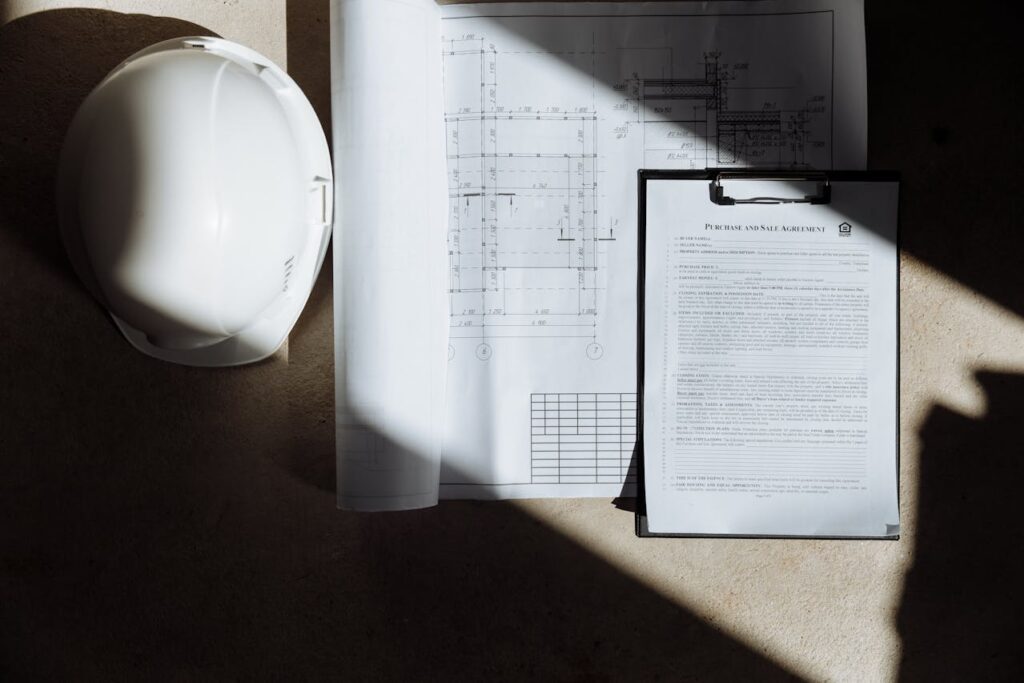
Effective project scope definition serves as the foundation for every successful brick facade renovation. We begin by assessing current conditions alongside your performance and aesthetic goals. We then combine essential repairs like tuckpointing and leak repairs with strategic design upgrades. This integrated approach avoids the inefficiencies of treating maintenance and improvements as separate projects.
Budget Ranges for Commercial Facade Work
Commercial facade renovation budgets vary significantly based on building size, condition, and desired outcomes. Minor refreshes focusing on cosmetic improvements typically cost $10,000 to $30,000. These projects might include professional cleaning, painting, updated signage, and landscaping enhancements that deliver immediate visual impact without extensive construction.
More substantial renovations involving window replacement, structural masonry repairs, or system upgrades generally start around $50,000. Multi-story buildings requiring scaffolding access and complex coordination often exceed $100,000, particularly when structural reinforcement or comprehensive weatherproofing becomes necessary.
Large-scale commercial properties undergoing complete facade overhauls often require significantly higher investment. These projects typically involve extensive tuckpointing, window wall systems, integrated signage solutions, and architectural upgrades that transform the building’s overall character. The investment reflects the complexity of coordinating multiple trades while maintaining structural integrity throughout the process.
Permit Requirements and Approvals
Most commercial facade renovations require building permits, especially when structural elements, window replacements, or significant alterations are involved. We coordinate with local building departments early in the planning process to identify specific requirements and submission timelines. Permit processing often takes several weeks, making early application critical for maintaining project schedules.
Some jurisdictions require additional approvals for historic buildings or properties in designated districts. Fire department reviews may be necessary when facade work affects egress paths or emergency access. We maintain relationships with local officials to streamline these processes and avoid unexpected delays that can disrupt carefully planned renovation schedules.
Strategic Bidding and Contractor Selection
Multiple competitive bids provide essential market validation for scope definition and budget accuracy. We recommend obtaining detailed proposals from at least three qualified general contractors who specialize in commercial masonry and facade work. Each bid should clearly break down material costs, labor allocation, permit fees, and project management expenses.
Compare proposals based on scope comprehensiveness, not just total cost. Detailed specifications for mortar matching, cleaning methods, and waterproofing systems reveal each contractor’s approach to quality and durability. Schedule commitments and phasing strategies can also vary significantly between contractors, affecting your ability to maintain business operations during construction.
Phasing Strategies to Minimize Business Disruption
Strategic project sequencing minimizes operational interruptions while maximizing construction efficiency. We typically phase facade work by building elevation, allowing businesses to maintain normal operations in unaffected areas. This approach requires careful coordination of material lead times and scaffolding access to prevent schedule conflicts.
Small to mid-sized facade projects are generally completed in 3 to 6 weeks of on-site work, assuming favorable weather conditions and material availability. Full-scale renovations involving multiple building systems can extend to several months, including design development, permitting, and construction. Weather protection becomes critical for longer projects to maintain work quality and schedule integrity.
Material lead times significantly influence phasing decisions. Custom masonry products, specialty windows, and architectural metalwork often require 8 to 12 weeks for fabrication and delivery. We coordinate these orders during the design phase to prevent construction delays that can compound costs and extend business disruption.
How Can Design Choices Elevate Curb Appeal Without Losing Durability?
Brick delivers exceptional value as a foundation for modern commercial facades. Its classic appearance combines with proven durability to create exteriors that withstand decades of weather while maintaining a professional look. We leverage these strengths to build facades that impress visitors and support property values over time.
Mixed materials create striking visual contrast when paired thoughtfully with brick. Wood accents add warmth and texture, especially around entryways and window frames. Glass panels or connectors introduce contemporary elements while maximizing natural light. Steel framing offers clean lines and structural integrity, creating sophisticated compositions that align with modern commercial aesthetics.
Color and Material Versatility
Today’s brick palette extends far beyond traditional red tones. White brick creates a crisp, contemporary appearance that reflects light and enhances perceived building size. Gray brick offers neutral sophistication that complements metal and glass elements seamlessly. Black brick makes bold architectural statements, particularly effective for accent walls and modern commercial applications.
Thin brick provides a cost-effective facade update where structural weight matters. We use this approach for multi-story renovations or additions where full-thickness brick might exceed load capacities. The visual impact remains strong while reducing material costs and installation complexity.
Strategic Design Elements
Larger windows and glass corridors brighten commercial spaces while creating a stronger street presence. These glazing upgrades work particularly well when framed by brick, creating defined boundaries that enhance both materials. The thermal mass of surrounding brick helps moderate temperature fluctuations near large glass areas.
Cohesive signage and lighting systems improve visibility and wayfinding for tenants and visitors. Strategic facade lighting can highlight architectural features and create a welcoming evening atmosphere. We coordinate lighting placement during renovation to integrate seamlessly with brick patterns and mixed materials.
Awnings and canopies serve multiple functions beyond weather protection. They provide shade for glass areas, reducing cooling loads and glare. Well-designed canopies also function as wayfinding elements, directing foot traffic to main entrances and tenant spaces.
Performance and Sustainability Benefits
Brick’s thermal mass contributes to energy efficiency by moderating temperature swings throughout the day. This inherent insulating quality reduces heating and cooling demands, supporting operational cost management. The material’s longevity also aligns with sustainable building practices and can contribute to LEED points in green building certifications. See LEED certification requirements in Texas.
Landscaping and planters soften hard facade edges while creating inviting pedestrian environments. These elements work particularly well at ground level, where they can screen utility areas and create pleasant transitions between sidewalks and building entrances. Strategic plantings also help manage stormwater runoff and reduce urban heat island effects around commercial properties.
Conclusion and Next Steps
A successful brick facade renovation starts with a thorough assessment that identifies both visible and hidden problems. We check mortar joints for deterioration, examine brick surfaces for spalling, and document water infiltration patterns throughout the structure. This foundational work guides every decision that follows, ensuring we address core issues before making any aesthetic improvements.
Priority repairs matter most. We address moisture paths and replace weak mortar first because these problems only worsen over time. Tuckpointing restores structural integrity, while proper water management prevents future damage. Once these fundamentals are solid, we can confidently move forward with design updates that blend brick’s natural durability with contemporary materials like glass, metal, or wood accents.
Long-term success requires ongoing maintenance. Schedule regular inspections to catch small issues early, schedule annual cleaning to remove dirt and salt buildup, and reseal surfaces when needed to maintain weather resistance. Keep gutters and roofs in excellent condition, as water management remains critical throughout your building’s life. Coordinate with EB3 Construction to develop a comprehensive maintenance plan that keeps your renovated facade strong and inviting for years to come.