Dallas construction teams handle more than $10 billion in development each year, with building upgrades accounting for a significant share of the work. Projects range from kitchen renovations in Uptown apartments to complete storefront rebranding for corporate chains expanding across the DFW region.
These upgrades include residential improvements, commercial remodeling, and civic facility enhancements that must align with the city’s evolving urban design standards and mobility initiatives.
Which Dallas Home Upgrades Are Worth It—And Which Should You Skip?
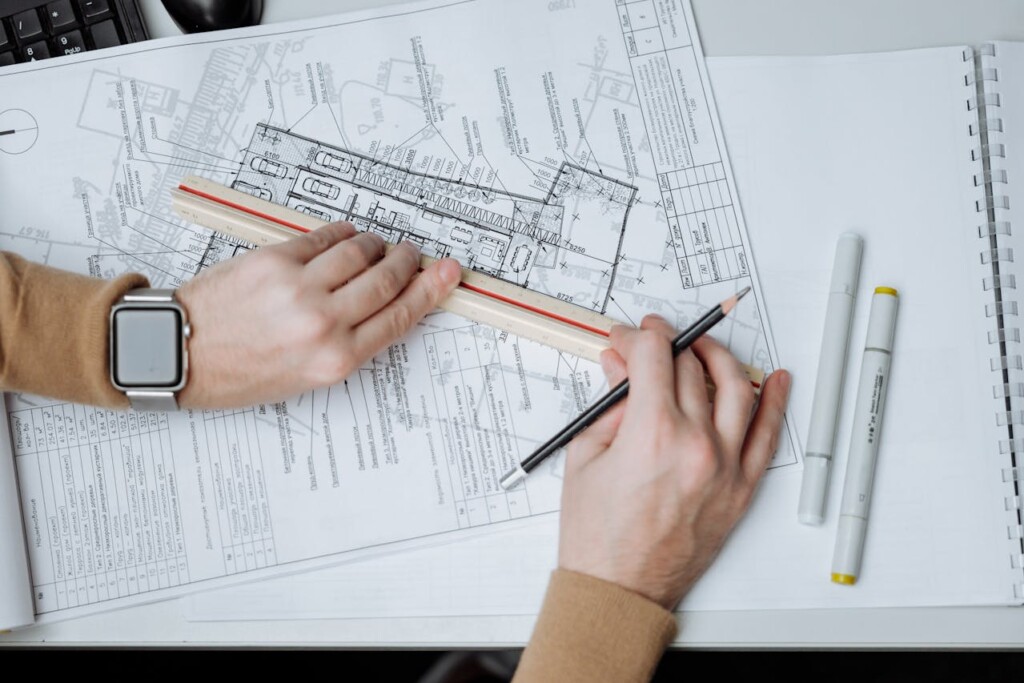
Smart DFW home upgrades start with a clear principle: invest in structural options first. These elements are costly or impossible to change after construction. We help clients prioritize choices that add lasting value while avoiding upgrades that deliver minimal return.
Structural Upgrades That Pay Off
Prioritize structural decisions you cannot easily reverse later. Adding bedrooms, bathrooms, or garage bays creates permanent value. Foundation extensions and load-bearing modifications require careful planning during construction phases. Upgrades to systems such as electrical panels, plumbing rough-ins, and HVAC capacity have long-term impacts on functionality.
When builders offer wiring upgrades, invest in infrastructure over finished devices. Install additional outlet circuits, ceiling fan wiring, and security system conduits during construction. Smart device technology changes quickly, so it is more cost-effective to add devices after move-in than to pay builder markups for equipment that may become outdated.
Insulation Decisions That Make Sense
Avoid whole-home insulation upgrades that offer marginal benefits. Most builders in Dallas already meet energy efficiency standards for climate conditions. We suggest targeted insulation applications that solve specific problems instead.
Garage insulation improves comfort for workshop spaces or temperature-sensitive storage. Media room insulation helps control sound transmission between rooms. Primary bedroom insulation offers privacy and noise reduction. These selective applications deliver noticeable improvements without the cost of comprehensive upgrades.
Kitchen Cabinet Choices
Skip extending kitchen cabinets to the ceiling unless you have specific storage needs. Display glass in upper cabinets collects dust and adds significant cost. We recommend 42-inch standard cabinets over 36-inch options when available, providing more usable storage without the expense of ceiling extensions.
Cabinet pulls and hardware are easy post-construction upgrades. Builders typically charge premium prices for standard hardware that homeowners can source independently. Installing handles requires basic tools and allows for personal style preferences.
Built-ins and Bathroom Fixtures
Use caution with built-ins and hutches unless you have clear functional requirements. Fireplace surrounds, study built-ins, and dining room hutches add construction cost but may not appeal to future buyers. Custom built-ins work best when they solve specific storage or display needs.
Keep cultured marble in secondary bathrooms where it provides durability and easy maintenance. Granite or quartz upgrades in children’s bathrooms rarely justify their cost. Comfort-height toilets are worthwhile investments that improve daily functionality and accessibility.
Bedroom and Living Space Considerations
Maintain bedrooms as bedrooms for resale value. Converting bedrooms to studies or offices reduces the home’s marketability to families. Use bedroom spaces for home offices while preserving closets and egress windows. This approach maintains flexibility for future occupants.
Patio extensions justify their cost only when they add substantial covered outdoor space. Small bump-outs provide minimal functional improvement at significant expense. We suggest pouring concrete flatwork during initial construction, then adding covers later when the budget allows.
Features to Avoid or Delay
Large glass sliders create impressive visual connections but perform poorly in Dallas summer heat. The expense rarely matches the energy-efficiency challenges they create. Standard patio doors provide better thermal performance at lower cost.
Pot fillers appear convenient but add plumbing complexity and maintenance requirements. Most kitchens function effectively with standard sink locations. Faux wood beams offer aesthetic appeal but work better as DIY projects after construction.
Elevation and Exterior Costs
Exterior elevation upgrades compound costs quickly through multiple material selections. Brick choices, stone accents, mortar colors, and window finishes each carry individual premiums. Black windows in particular command high upgrade fees across most builders.
Monitor elevation decisions carefully within overall budget parameters. We recommend establishing a 12-15% upgrade allowance over base pricing, then tracking elevation costs against this target. This approach helps prevent exterior selections from overwhelming the total construction budget.
Budget discipline remains critical throughout the upgrade selection process. Focus spending on elements that improve daily living and long-term home performance rather than trendy features that may lose appeal over time.
How Should Dallas Commercial Properties Plan Effective Upgrades?
Commercial property upgrades in Dallas center on enhancing value through strategic improvements that align with market demands and operational requirements. We focus on storefront refresh projects, dining area updates for restaurants, and ensuring QSR compliance with brand standards across franchised locations. These visible improvements directly impact customer perception and revenue generation.
Healthcare facilities require specialized attention to infection control standards, patient flow efficiency, and technology integration for electronic health records. Educational institutions prioritize safety upgrades, accessibility compliance, and modern classroom technology that supports contemporary learning methods. Hospitality properties benefit from lobby renovations, guest room updates, and technology infrastructure that meets traveler expectations.
Office spaces demand flexible layouts that accommodate hybrid work models, enhanced HVAC systems for improved indoor air quality, and technology upgrades including robust Wi-Fi networks and video conferencing capabilities. We coordinate these sector-specific requirements through integrated planning that addresses both immediate needs and long-term operational goals.
Technology Integration Drives Modern Commercial Upgrades
Smart building technologies are essential upgrades, not optional enhancements. Security systems with integrated access control, surveillance monitoring, and automated lighting create safer environments while reducing operational costs. Point-of-sale systems require robust networking infrastructure and power redundancy to maintain business continuity.
Building automation systems optimize energy consumption through intelligent HVAC control, occupancy-based lighting, and real-time monitoring of mechanical systems. These technologies deliver immediate operational benefits while supporting long-term sustainability goals that align with tenant expectations and regulatory requirements.
Advanced fire safety systems, including smoke detection networks and emergency communication platforms, ensure code compliance while providing enhanced protection for occupants. We integrate these systems during the construction phase to avoid costly retrofits and minimize disruption to ongoing operations.
Construction Management Practices Ensure Project Success
Rigorous preconstruction planning establishes realistic schedules that account for permit approval timelines, material procurement lead times, and coordination requirements with existing building operations. We develop detailed construction phasing plans that minimize disruption to occupied facilities while maintaining safety protocols throughout the project.
Quality control measures include regular inspections at critical milestones, material verification against specifications, and documentation of all installed systems for future maintenance reference. These practices prevent costly rework and ensure installations meet code requirements and operational standards.
Disciplined project closeout involves comprehensive system testing, staff training on new technologies, and delivery of complete documentation packages including warranties, maintenance schedules, and operating manuals. This thorough handover process ensures smooth transitions and optimal long-term performance.
Post-construction maintenance planning begins during the design phase, incorporating accessible service routes, standardized equipment specifications, and preventive maintenance schedules. These considerations extend system life cycles and reduce long-term operational costs while maintaining consistent performance levels.
What Dallas Programs And Guidelines Shape Upgrade Decisions?
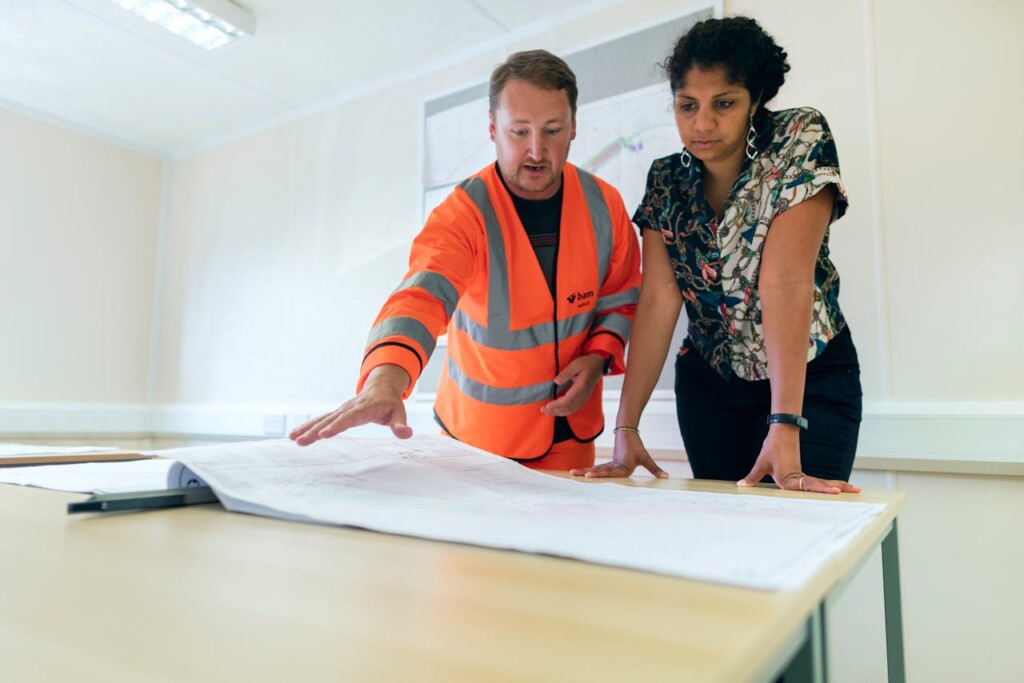
The Neighborhood Plus initiative directly impacts residential and mixed-use projects across Dallas. This program targets neighborhood blight while promoting middle-class retention and expanding both homeownership and rental housing options. We coordinate with these goals when planning upgrades that strengthen community character and property values.
Dallas Complete Streets requirements reshape site access and frontage design. Projects must ensure safe, comfortable access for pedestrians, cyclists, transit users, and vehicles. We evaluate sidewalk widths, crosswalk placement, and building entries early during preconstruction to meet compliance standards.
The Urban Design Program and Neighborhood Area Planning establish site character standards that influence material choices and building placement. These guidelines shape how structures relate to surrounding properties and maintain neighborhood compatibility. We review frontage standards during design development to avoid permit delays.
Transit-oriented upgrades require coordination with Urban Transit Design Guidelines and DART design criteria. Projects near existing or planned transit stations have specific requirements for pedestrian connections, bike storage, and building orientation. The D2 light rail alignment adds additional considerations for properties along its corridor.
Large-scale mobility planning through CityMAP and potential high-speed rail connections affect long-term site access patterns. We factor these transportation investments into upgrade decisions that can benefit from improved connectivity. Early coordination with Planning & Urban Design (P+UD) helps align permit applications with streetscape design requirements.
Understanding these overlapping programs prevents costly redesigns during construction. We integrate compliance requirements into our preconstruction planning rather than treating them as separate permit hurdles. This approach keeps projects on schedule while meeting the city’s broader neighborhood and mobility objectives.
Which Delivery Methods And Controls Reduce Upgrade Risk In Dallas?
We integrate design-build and progressive design-build approaches in Dallas to control risk from initial concept through final delivery. This unified framework eliminates coordination gaps between separate design and construction teams. When we manage the entire process under one contract, cost surprises drop significantly because construction expertise informs design decisions from day one.
Design-build delivery accelerates permitting by allowing site preparation and early construction tasks to begin while design documents reach completion, in line with Dallas rehabilitation standards. We coordinate with Dallas Planning & Urban Design throughout this overlapping process. Construction phasing becomes more predictable when one team controls both design evolution and field execution.
Rigorous Preconstruction Planning Sets the Foundation
We establish project parameters through detailed preconstruction planning before breaking ground. This process includes comprehensive site evaluation, utility coordination, and material procurement schedules. Value engineering during preconstruction flags potential cost overruns and schedule conflicts while changes are still affordable to implement.
Realistic scheduling accounts for Dallas-specific factors such as summer heat restrictions and permitting timelines. We build buffer periods into critical-path activities and coordinate trade sequencing to prevent delays. Weather contingencies and material lead times receive special attention during peak summer months.
Construction Phasing for Occupied Sites
Occupied renovations demand careful phasing to maintain business operations and tenant comfort. We sequence work to minimize disruption while maintaining safety protocols throughout the construction zone. Temporary barriers, dust control, and noise management protect occupied spaces during active construction.
Clear communication keeps stakeholders informed about weekly progress and upcoming phases. We establish regular check-ins with facility managers and tenant representatives. Documentation of daily activities helps resolve questions quickly and maintains project momentum.
Safety Protocols and Risk Management
We implement comprehensive safety protocols from mobilization through project closeout. Risk management includes regular site inspections, trade contractor safety training, and compliance monitoring. Insurance verification and bonding requirements protect all parties throughout the construction process.
Cost-control measures track actual expenses against approved budgets weekly. Change order procedures require written approval before additional work begins. We maintain detailed records of all modifications to protect against scope creep and budget overruns.
Brand Standards and Quality Assurance
Retail and QSR upgrades require strict adherence to corporate brand standards throughout construction. We document compliance requirements during preconstruction and verify installation quality at each phase. Punch list procedures ensure all brand elements meet specifications before final acceptance.
Stakeholder communication includes regular photo documentation and progress reports. We coordinate final inspections with brand representatives and local code officials. Post-construction documentation provides maintenance guidelines and warranty information for ongoing operations.
Conclusion And Next Steps For Building Upgrades In Dallas

Building upgrades in Dallas require a careful balance among multiple priorities. We approach each project by prioritizing structural elements that are difficult to change later, aligning design decisions with local code requirements, and maintaining disciplined project delivery. This strategy serves both residential and commercial clients who need predictable outcomes within established budgets.
The path forward involves clearly defining the project scope, establishing realistic budget targets, and structuring work phases to reduce operational disruption. We coordinate design-build execution from initial planning through construction closeout, ensuring that Complete Streets coordination and technology integration align with your upgrade goals. Contact EB3 Construction to discuss how we can manage your Dallas building upgrade.