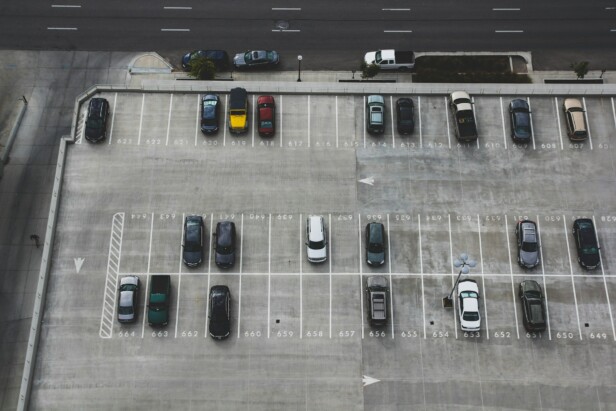
Parking structures require specialized expertise that extends far beyond standard construction. A commercial parking garage contractor manages the full development process—from initial planning through ongoing maintenance—covering everything from site entitlements and structural engineering to complex concrete trades and post-construction services.
We deliver comprehensive solutions for parking garages, parking decks, and on-grade parking structures, using design-build methods and self-performed trades such as formwork, rebar placement, and post-tensioned slabs. Our scope typically includes podium construction for mixed-use developments, mid-rise concrete systems, and the tower crane operations required for complex site logistics.
Which Delivery Methods And Structural Systems Are Common?

We see two primary delivery approaches in the parking garage market. Design-build projects unite architectural design and construction under one contract, streamlining coordination between our design and field teams. This method lets us contribute during design development and helps control costs through early construction insights.
Lease-leaseback arrangements offer a different financing structure in which we lease the property from the owner, construct the facility, and then lease it back over time. This approach can help property owners manage capital requirements while securing long-term parking solutions. This method requires careful structuring but provides flexibility in project financing.
Structural Systems for Different Site Conditions
On-grade parking structures work well for open sites with adequate space. These single-level systems minimize excavation costs and enable straightforward construction sequencing. We deploy standard concrete forming systems and conventional reinforcement for efficient delivery.
Mid-rise concrete construction serves sites where vertical capacity matters more than site footprint. These multi-level structures use post-tensioned slabs and concrete columns to create efficient parking layouts. The system supports heavy loads while providing clear spans for vehicle circulation.
Podium parking serves mixed-use developments where retail, office, or residential uses sit above structured parking. The podium acts as a transfer structure, typically built with reinforced concrete to support upper floors. This approach maximizes land-use density while meeting diverse project requirements.
Specialized Systems and Self-Performance
Automated steel parking systems represent emerging technology for high-density urban sites. These mechanical systems stack vehicles vertically or horizontally, reducing the footprint needed for equivalent capacity. The systems require specialized installation and ongoing maintenance coordination.
We self-perform concrete trades on many projects to maintain schedule control and quality standards. Our teams handle formwork, rebar placement, and concrete placement directly rather than subcontracting these critical activities. This approach reduces coordination points and helps us respond quickly to field conditions.
Tower crane operations support projects with tight site logistics or multi-level construction. Urban infill sites often require vertical material handling due to limited laydown areas and restricted access. Our crane planning aligns with site logistics to maintain productivity while meeting safety requirements.
Project Scale and Site Variations
Parking garage projects range from compact, 100,000-square-foot structures to expansive facilities exceeding 1 million square feet. Smaller projects often serve specific developments such as medical buildings or retail centers. Larger facilities typically support airports, universities, or major mixed-use complexes.
Site constraints influence our structural approach and delivery method selection. Tight urban sites require different logistics planning than open suburban locations. We evaluate access routes, laydown space, and utility coordination early to determine the most efficient construction sequence.
How Does Precast Concrete Benefit Parking Garage Schedules And Performance?
Precast concrete systems compress construction schedules through concurrent manufacturing and foundation work. While we excavate and pour footings on-site, double tees and spandrels are fabricated in controlled factory environments. This parallel production eliminates weather delays for those components and maintains consistent quality, supported by specialized testing equipment and trained personnel.
Manufacturing plants optimize production through standardized elements and refined processes. Double tees, inverted tees, and spandrels follow established dimensions that precasters have perfected over decades of repetition. Quality control takes place within enclosed facilities where concrete mixing, steel placement, and curing occur under controlled conditions year-round.
Schedule Acceleration Through Factory Production
We coordinate precast delivery to match site readiness, keeping crews productive without delays. A typical erection crew of 8 to 12 workers installs members as they arrive from the plant. This approach delivers 3,500 to 4,500 square feet of deck per day while maintaining consistent productivity levels.
Vertical integration strengthens schedule reliability when manufacturers control their own plants, trailers, and cranes. We see fewer interface issues and better coordination when precasters manage the entire supply chain from concrete mixing to jobsite delivery. Each completed bay can transfer to follow-on trades without interrupting ongoing erection work.
Performance Advantages of Precast Elements
Precast concrete parking garages require minimal maintenance thanks to high-strength, low water-cement ratio mixes. The controlled manufacturing process produces durable finishes that withstand vehicular traffic and weather exposure better than field-placed alternatives. Prestressed steel reinforcement sits well below the driving surface, reducing corrosion vulnerability.
Fire resistance comes naturally from concrete’s non-combustible properties without special detailing or supplemental materials. Structural performance benefits from prestressing techniques that allow longer spans with shallower depths. This creates open parking layouts with clear sight lines and flexible traffic patterns.
Connection systems use heavy-duty hardware designed for long-term performance. Welded connections provide permanent structural integrity, while bolted options allow future adjustments or modifications. Stainless steel and hot-dip galvanized hardware extend connection durability in harsh environments where de-icing salts and moisture create corrosive conditions.
Which Project Types And Markets Typically Require These Services?
Parking garage construction spans diverse sectors, each with specific requirements for space, access, and functionality. Educational institutions often need university parking garages that handle heavy campus traffic and accommodate thousands of students, faculty, and visitors daily. These projects often include multi-level structures that integrate with existing campus architecture while providing efficient pedestrian connections to academic buildings and meeting ADA standards for new construction.
Healthcare parking presents unique demands for patient and visitor access. Hospital parking facilities require specialized layouts close to emergency entrances and outpatient services. Medical centers often incorporate multi-bay structures designed for extended stays and frequent turnover. Rehabilitation facilities that specialize in treating mobility conditions typically need enhanced accessibility beyond typical requirements.
Transportation and Commercial Markets
Airport parking structures handle some of the most complex operational demands in the industry. These facilities must accommodate extended-stay vehicles while managing high-volume traffic flow and security requirements. Airport parking plazas often integrate with terminal access systems and require robust structures to handle heavy loads from shuttles and service vehicles.
Office and creative spaces drive demand for parking that supports daily commuter patterns. These projects often feature podium parking that creates street-level retail or office space while providing structured parking above or below. Mixed-use parking is a growing market as developments combine parking with retail podiums, apartments, and commercial spaces in dense urban environments.
Residential and Government Applications
Apartment and condominium projects increasingly require structured parking solutions as urban density increases and surface parking becomes less viable. These residential parking structures often integrate directly with living spaces and may include amenities like electric vehicle charging stations (see EV fast charger bay construction) or secured resident storage areas.
Government projects encompass everything from municipal facilities to federal installations. Public sector parking must meet stringent accessibility standards and often serves multiple functions simultaneously. These projects frequently require specialized layouts that support emergency vehicle access while maintaining public safety and security protocols.
ADA-accessible parking requirements vary by facility type but are critical across all markets. Hospital outpatient facilities need 10 percent of patient and visitor spaces to be accessible, while rehabilitation facilities specializing in mobility conditions require 20 percent accessible spaces. Every parking facility must provide van-accessible spaces and proper signage regardless of its primary market or user base.
How Are Safety, Quality, And Complexity Managed On These Projects?
Early Safety Planning And Injury Reduction
We establish construction safety protocols during the planning phase to reduce injuries throughout the project lifecycle. Safety policies are integrated into daily operations through systematic risk assessments and proactive hazard identification. Regular safety meetings ensure all team members understand site-specific requirements and emergency procedures.
Construction sites with multiple elevation changes and heavy equipment operations require enhanced safety measures. We coordinate safety protocols across all trades to maintain consistent standards from excavation through final inspection. Clear communication channels keep safety information flowing between field crews and project management.
Quality Control Through Precast Plant Standards
Quality control benefits from the controlled manufacturing environment of precast plants. Off-site production provides consistent temperature, humidity, and curing conditions that field sites cannot match. Standardized processes in manufacturing facilities reduce variables that typically affect concrete quality.
Precast plant QC includes material testing, dimensional verification, and finish inspection before elements leave the facility. We coordinate with plant personnel to verify specifications and review quality documentation. This approach eliminates many field quality issues that stem from weather delays or material inconsistencies.
Engineering Solutions For Complex Structural Challenges
Complex structural challenges require engineering-led solutions that account for site constraints and performance requirements. We engage structural engineers early to address connection details, load paths, and constructability concerns. Engineering solutions often involve custom hardware, specialized installation sequences, or modified standard details.
Project logistics become critical when managing tower crane operations and coordinating multiple trades in confined spaces. We develop site logistics plans that sequence material deliveries and optimize crane positioning for efficiency. Clear communication between engineering and field teams ensures solutions stay practical during construction.
Self-Performing Trades And Equipment Control
Self-performing concrete trades allow us to maintain direct control over schedule and budget expectations. By managing formwork, rebar placement, and concrete operations internally, we reduce coordination interfaces between subcontractors. This approach is especially valuable on projects with aggressive timelines or complex sequencing requirements.
Owning equipment such as tower cranes provides schedule control and eliminates rental availability concerns. Equipment ownership allows longer deployment periods without daily rental costs accumulating. We coordinate crane operations with other trades to maximize productivity and minimize conflicts during critical construction phases.
Conclusion And Next Steps For Planning A Parking Garage
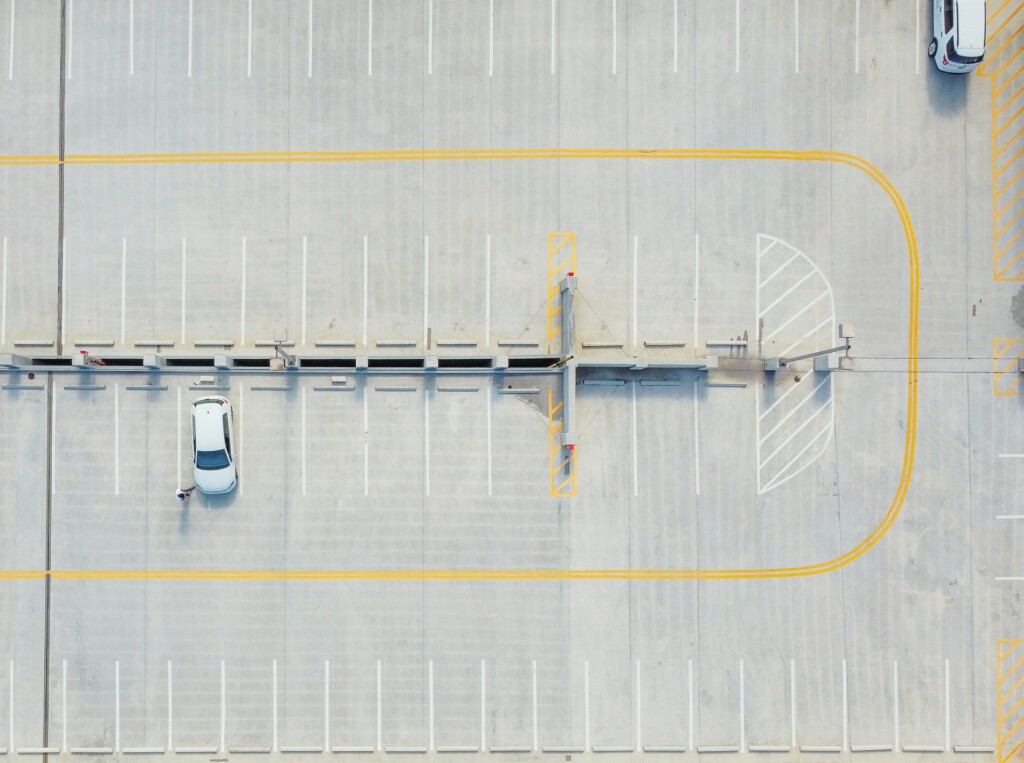
A commercial parking garage contractor handles the complete process from initial design to long-term maintenance. We coordinate engineering, construction sequencing, and structural system selection to match your project requirements. The right contractor brings expertise in delivery methods, structural options, and site-specific challenges that shape project success.
Define your project parameters early in planning. Establish parking capacity, the number of levels needed, and ADA compliance targets based on expected usage patterns. Consider site constraints such as soil conditions, setbacks, and utility locations that influence the structural approach. For precast concrete systems, visiting a manufacturing facility provides valuable insight into available finishes, connection methods, and quality control processes. Clear budget parameters and realistic timelines keep the project moving efficiently through the design and construction phases.
Ready to discuss your parking garage project requirements? Contact EB3 Construction to review delivery options and structural systems for your specific site.