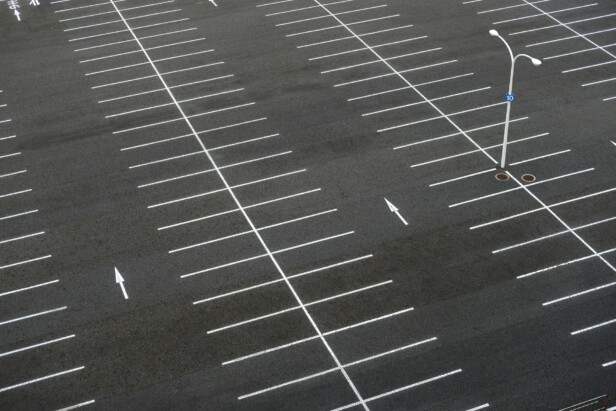
Your parking lot faces capacity limits that affect customer access and business operations. A commercial parking lot expansion contractor tackles these challenges by designing and building additional parking capacity that integrates seamlessly with your existing infrastructure.
We handle comprehensive surface improvements including new asphalt or concrete paving, precise striping for traffic flow, durable curbs for vehicle guidance, and landscaped islands that enhance site aesthetics while managing stormwater. The scope extends beyond basic paving to include material selection aligned with your budget and climate conditions, ADA compliance integration, and drainage systems that protect your investment from weather-related deterioration.
What Factors Shape The Scope And Design Of A Parking Lot Expansion?
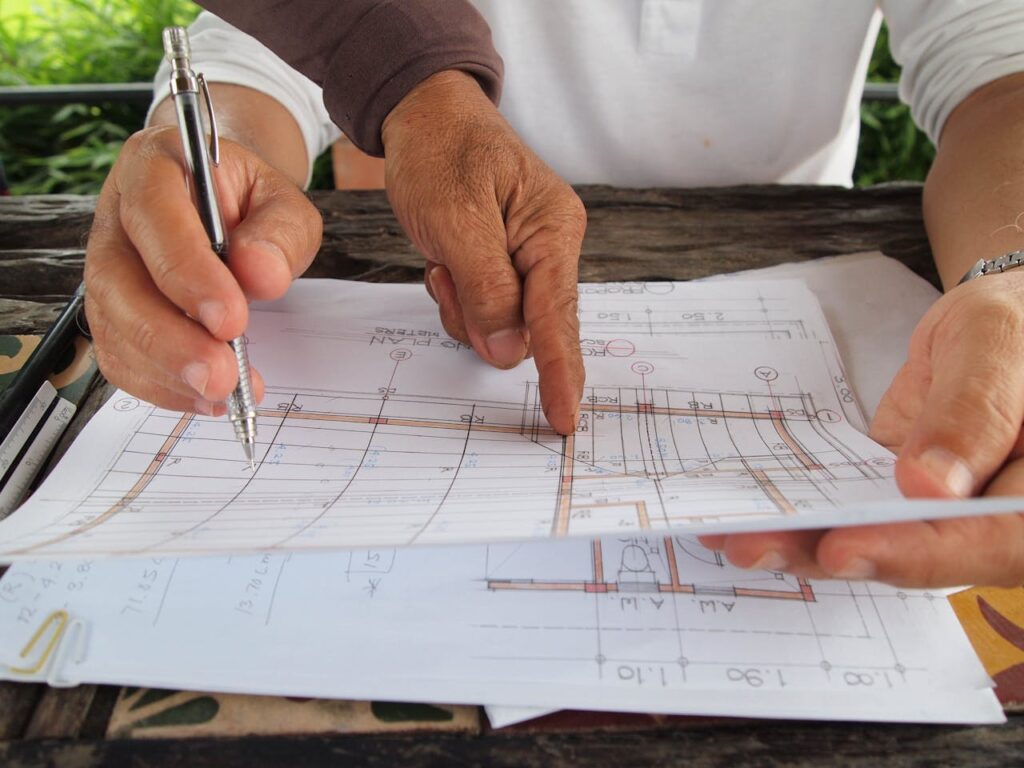
Budget sets the foundation for every expansion decision we encounter. Properties with tight funding often require phased construction approaches, starting with essential access improvements before adding decorative elements like landscaped islands or premium surface treatments. Higher budgets allow for comprehensive designs that address curb appeal alongside functionality, incorporating features that enhance property value and user experience.
Maintenance needs directly influence material selection and design complexity. Sites with limited maintenance staff benefit from simpler layouts with fewer geometric variations, while properties with dedicated maintenance teams can handle more intricate designs with multiple surface types. Climate conditions amplify these considerations, as freeze-thaw cycles demand different approaches than consistently warm environments.
Physical Site Limitations Drive Design Choices
Access constraints shape every aspect of our construction planning. Narrow entry points limit equipment size and material delivery options, forcing us to sequence work around operational needs. Many sites require working around existing facilities, which means coordinating construction phases to maintain business operations while crews complete surface improvements.
Setback requirements from property lines often dictate expansion direction and final layout geometry. Local zoning codes establish these boundaries, and we must verify compliance during the design phase. Sites with irregular shapes or existing utilities face additional constraints that influence stall dimensions, aisle widths, and circulation patterns.
User Safety And Flow Considerations
Effective parking lot design prioritizes clear sight lines and logical traffic flow. We position striping to guide vehicles through safe circulation patterns, avoiding conflicts between pedestrians and cars. Strategic placement of landscaped islands breaks up large paved areas while providing natural stopping points that calm traffic speeds.
End-user experience depends on intuitive wayfinding and adequate lighting coverage. Expansion areas must integrate seamlessly with existing layouts, maintaining consistent striping patterns and surface materials where possible. Safety considerations extend beyond basic functionality to include emergency vehicle access and clear identification of pedestrian walkways.
Schedule flexibility becomes critical when coordinating around business operations. Weather-dependent construction timelines require buffer periods, especially for surface treatments that need specific temperature and moisture conditions. Self-performance practices allow us to maintain direct quality control while adapting to changing site conditions and scheduling demands.
Asphalt vs. Concrete: Which Surface Fits Your Expansion?
The material choice for your parking lot expansion creates ripple effects across project costs, maintenance schedules, and site performance for decades to come. Asphalt and concrete each offer distinct advantages, but the right selection depends on your specific priorities around budget, climate conditions, and long-term maintenance commitments.
Upfront Cost Considerations
Asphalt delivers clear advantages in initial investment. Installation typically costs 30 to 40 percent less than comparable concrete work, making it attractive for projects operating under tight budget constraints. The material itself costs less per square foot, and the installation process requires fewer specialized skills and equipment compared to concrete.
Concrete commands higher upfront costs due to more expensive materials and labor-intensive installation processes. The pouring and curing timeline extends longer than asphalt, requiring more manpower and precise environmental conditions. However, this initial investment often proves more economical when evaluated over the full lifecycle of the parking surface.
Ongoing Maintenance Requirements
Asphalt maintenance demands regular attention to preserve performance and appearance. Seal coating every three to five years protects against UV damage and prevents cracks from developing. Oil spills require immediate cleanup to prevent surface deterioration, and periodic resurfacing becomes necessary as the material ages.
Concrete maintenance follows a different pattern with lower frequency but potentially higher individual repair costs. Routine tasks include joint sealing and surface cleaning, with major interventions needed less often. When concrete does require repairs, the process typically involves cutting out damaged sections and pouring new material, which can be more complex than asphalt patching.
Durability and Climate Performance
The local climate significantly influences material performance over time. Concrete excels in hot climates, maintaining structural integrity under intense heat and heavy loads. Its rigidity provides excellent resistance to rutting from truck traffic and deformation under constant use.
Asphalt performs well in regions with freeze-thaw cycles, thanks to its flexibility that adapts to temperature changes without cracking. However, this same flexibility can become a liability in extreme heat, where the surface may soften and develop ruts under heavy vehicle loads.
Aesthetic and Environmental Factors
Colored concrete opens design possibilities that enhance curb appeal and property value. Stamping, tinting, and texturing options allow concrete surfaces to mimic natural materials or create distinctive patterns that complement surrounding architecture.
Concrete also offers environmental advantages through its lighter color, which reflects more sunlight than dark asphalt surfaces. This reflective quality helps reduce urban heat island effects and can contribute to sustainability goals. Additionally, concrete can be formulated with recycled materials and may qualify for green building certifications.
Asphalt provides a classic, uniform appearance with its dark surface that naturally hides minor stains and imperfections. While customization options remain limited, the material’s high recyclability rate exceeds 99 percent, supporting environmental sustainability when properly managed through its lifecycle.
| Factor | Asphalt | Concrete |
|---|---|---|
| Cost | $3–$7 per sq ft | $4–$8 per sq ft |
| Lifespan | 15–30 years | 30–50 years |
| Maintenance Frequency | Every 3–5 years | Minimal upkeep |
| Climate Suitability | Better for cold regions | Ideal for hot climates |
| Installation Time | 1–2 days | 7–28 days |
Disclaimer: Pricing figures are based on publicly available market data and are intended for general estimation purposes as of December 2025. They do not represent a formal quote from EB3 Construction. Actual costs will vary by project scope, location, labor rates, and material prices.
Making the Right Surface Selection
We evaluate multiple factors when recommending surface materials for parking lot expansions. Heavy truck traffic and loading areas often benefit from concrete’s superior load-bearing capacity. Employee parking areas with lighter vehicle traffic may work well with asphalt’s lower initial cost and easier repair process.
Climate conditions in your region influence long-term performance expectations. Budget planning should account for both upfront investment and anticipated maintenance costs over a 20 to 30-year timeline. We help property owners balance these considerations to select the surface material that aligns with operational needs and financial objectives.
How Do ADA Compliance And Maintenance Impact Expansions?
Parking lots serving the public face strict legal obligations under ADA and California Building Code requirements. Non-compliance carries serious financial consequences. A person encountering accessibility barriers can file a lawsuit and receive a minimum of $4,000 in statutory damages plus attorney’s fees under California’s Unruh Civil Rights Act.
The stakes go beyond initial construction. ADA explicitly requires ongoing parking lot maintenance to preserve accessibility features over time. We integrate these obligations into every expansion project to protect our clients from legal exposure.
Understanding California Building Code Standards
California Building Code requirements exceed federal ADA minimums in several areas. The CBC mandates specific ratios for accessible spaces, striping dimensions, and signage placement that we must incorporate during expansion planning. These standards apply whether we’re adding new sections or modifying existing areas.
Surface slopes present critical compliance factors. Accessible spaces and access aisles cannot exceed 2% grade in any direction. We verify these measurements throughout construction phases to ensure final surfaces meet specification requirements without costly corrections later.
Surface Deterioration And Ongoing Obligations
Weather, chemicals, and traffic create surface deterioration that compromises accessibility requirements. Cracked pavement, faded striping, and damaged signage all constitute compliance violations. We plan expansion projects with maintenance schedules that address these predictable issues.
Preventive maintenance costs significantly less than emergency compliance corrections. Regular inspections identify potential problems before they trigger enforcement actions. Our clients benefit from understanding these maintenance cycles during the initial expansion planning process.
Drainage Systems And Stormwater Management
Poor drainage accelerates surface deterioration while creating accessibility barriers through standing water and uneven settling. We design drainage systems that protect both pavement integrity and compliance status over the expansion’s lifespan.
Stormwater management requirements vary by jurisdiction but consistently impact accessibility features. Our drainage planning coordinates with local regulations while maintaining required slopes for accessible routes and parking spaces. This integrated approach prevents conflicts between environmental compliance and accessibility obligations.
Routine Maintenance Integration
Sweeping services and system cleaning sustain both performance and compliance throughout the expansion’s service life. We recommend maintenance schedules that address debris removal, drainage system cleaning, and surface inspection protocols.
Regular maintenance preserves the investment while reducing legal exposure. Property owners who demonstrate consistent upkeep efforts receive better outcomes during any enforcement proceedings. We help establish these documentation practices as part of our comprehensive expansion approach.
What Process Should You Expect From EB3 Construction During An Expansion?
Our approach centers on systematic evaluation and clear communication throughout each phase. We begin with a comprehensive site evaluation that examines existing conditions, drainage patterns, and access constraints that might affect construction sequencing.
The in-person estimate process allows us to discuss specific goals and constraints while reviewing potential financing options if needed. This face-to-face consultation ensures we understand your operational requirements and can recommend the most appropriate surface materials and design elements.
Project Planning And Contract Development
After contract execution, we assign dedicated project manager oversight to coordinate all aspects of your expansion. Weather-dependent scheduling becomes a critical factor, particularly for asphalt installations that require specific temperature conditions for optimal results.
We develop detailed engineering specifications that address your site’s unique requirements. These specifications cover everything from base preparation to final striping patterns, ensuring consistent quality standards throughout construction.
Construction Execution And Quality Management
Our structured workflow maintains quality control through systematic inspections at each construction phase. On-site management provides daily oversight of contractor activities, material deliveries, and installation procedures.
Throughout construction, we continuously evaluate ADA compliance requirements and coordinate surface selection decisions. Whether you choose asphalt or concrete, we ensure proper preparation, installation, and finishing that meets both performance standards and accessibility requirements.
Final quality control inspection verifies all work meets specifications before project closeout. This comprehensive review covers striping accuracy, curb installation, drainage functionality, and overall surface quality to ensure long-term performance and compliance with your maintenance plans.
Conclusion and next steps

Successful commercial parking lot expansions require balancing multiple factors that determine both immediate functionality and long-term performance. Material selection between asphalt and concrete must align with your budget constraints, local climate conditions, and maintenance capabilities. ADA compliance ensures accessibility while protecting against costly legal exposure, with proper drainage planning preventing surface deterioration and maintaining code requirements over time.
A structured approach with clear project scope, realistic scheduling, and comprehensive quality control delivers results that serve your property for decades. We coordinate inspection processes, manage weather-dependent scheduling challenges, and implement specification-driven workflows to ensure every aspect meets your operational needs and regulatory obligations.
Contact EB3 Construction to schedule your parking lot expansion inspection and estimate.