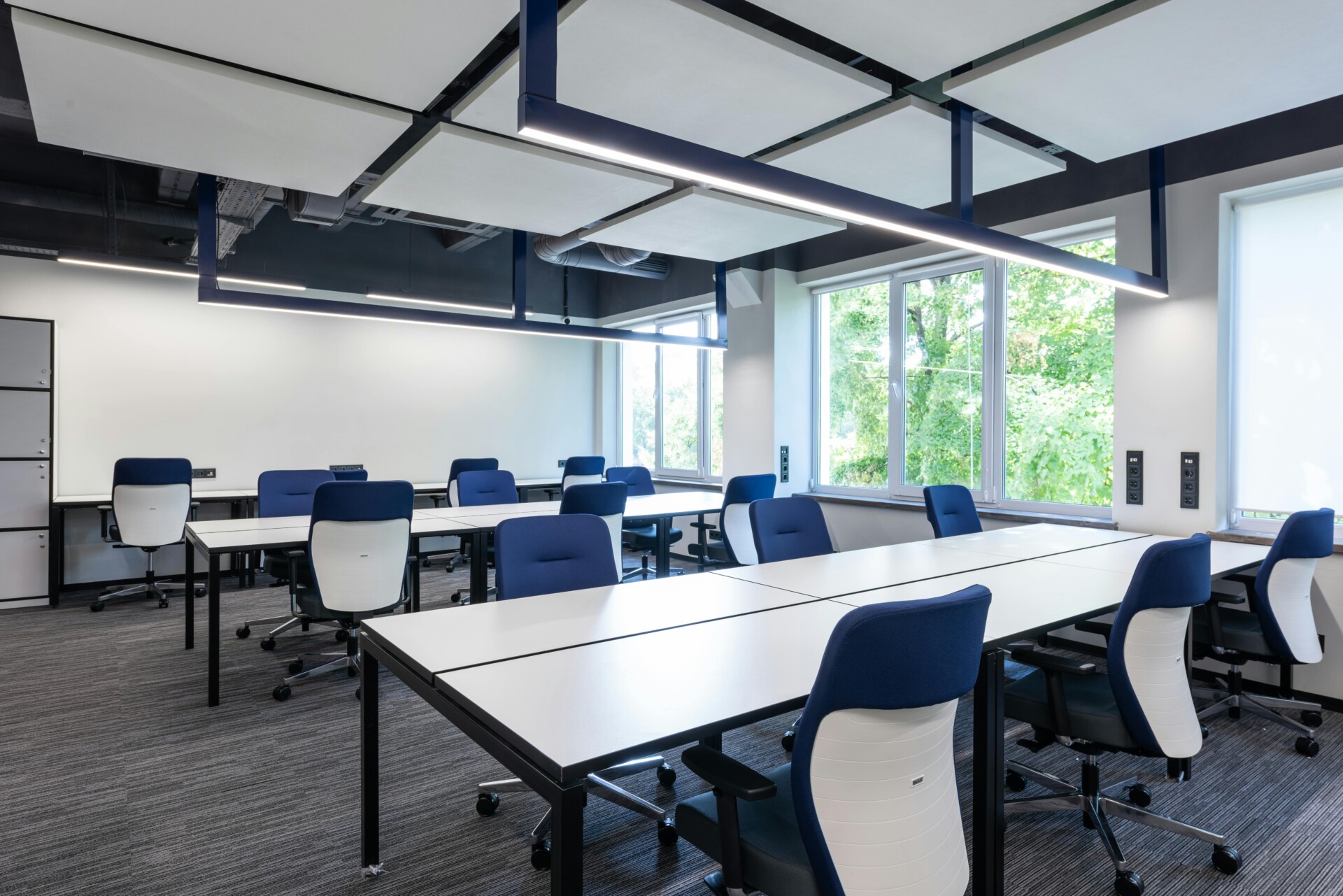
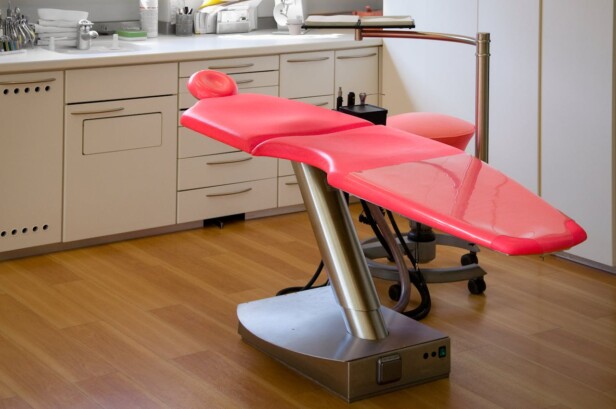
A concrete floor, bare walls, and an exposed ceiling create a blank canvas. We transform that empty commercial shell into a fully operational medical office through systematic planning and coordinated execution.
We coordinate work design, preconstruction budgeting, subcontractor selection, project management, and design-build delivery to manage the complete transformation. This approach ensures that every element—from HIPAA compliance and infection control to clinical workflows and patient comfort—integrates seamlessly from day one.
What Codes, Permits, And Compliance Items Shape A Shell-To-Medical-Office Build-Out?

Converting a commercial shell to a medical office involves multiple regulatory requirements. Each one demands early attention to prevent costly delays and rework during construction.
Zoning and Basic Permits
Zoning confirmation comes first in any medical office conversion. Medical offices typically fall under commercial or professional office zoning, though classifications vary by jurisdiction. Some areas require special medical zoning designations, particularly for surgical centers or specialty practices that perform procedures comparable to outpatient facilities.
The building permit covers structural modifications, interior demolition, and non-load-bearing wall removal needed for the conversion. Fire safety permits address detection systems, suppression equipment, and egress requirements. Healthcare facility licenses may be required depending on the scope of services and number of patients treated simultaneously, with some states mandating licenses for facilities treating four or more patients concurrently.
ADA Accessibility Requirements
Medical offices must meet comprehensive ADA standards across all patient areas. Entrance accessibility includes proper door widths, ramps where needed, and automatic doors for heavy-use areas. Parking requirements call for accessible spaces with appropriate signage and access aisles.
Interior accessibility extends throughout the facility. Corridors need sufficient width for wheelchair navigation, examination rooms require accessible features, and patient restrooms must accommodate various mobility needs. Clear floor space around furniture and medical equipment ensures maneuverability for all patients.
HIPAA Privacy Standards
HIPAA compliance shapes both physical design and operational flow. Soundproofing prevents auditory privacy breaches in consultation areas, treatment rooms, and reception spaces. Privacy screens shield patient information in areas where protected health information might be visible.
Secure storage areas protect physical documents and digital systems containing patient data. These spaces require restricted access and protection against both physical and electronic breaches. Reception desk design must prevent inadvertent viewing of patient records by other visitors.
Medical-Grade HVAC and Air Quality
Medical facilities demand specialized ventilation systems beyond standard commercial requirements. Air change requirements vary by room type, with patient care areas needing specific minimum rates for both total air and outside air circulation. Filtration standards typically exceed those in conventional commercial buildings to support infection control.
Pressure relationships between spaces help maintain clean environments and prevent contamination. Some areas require positive pressure while others need negative pressure, depending on their clinical function. HVAC systems must accommodate medical equipment loads and maintain precise temperature and humidity ranges for both patient comfort and equipment operation.
We coordinate these compliance requirements from project start to avoid the delays and cost overruns that result from addressing regulatory issues mid-construction. Early planning ensures smooth permit approval and inspection processes throughout the build-out.
What Are The Core Phases From Shell To Handover?
Transforming a commercial shell into a functional medical office follows four distinct phases. Each phase builds on the previous phase while maintaining quality standards and regulatory compliance throughout the project timeline.
Preconstruction Sets the Foundation
Preconstruction sets the entire project trajectory through comprehensive planning and evaluation. We conduct thorough site assessments to identify structural limitations, utility capacity, and potential challenges that may affect the build-out scope.
Code reviews during this phase examine local building requirements, healthcare regulations, and ADA compliance standards. These reviews prevent costly rework by catching conflicts before construction begins.
Feasibility studies evaluate the shell’s suitability for medical use, including ceiling heights for equipment, floor load capacity, and HVAC infrastructure. We can coordinate with lenders early to ensure construction documents meet financing requirements and approval timelines align with project schedules.
MEP Installation Supports Clinical Operations
MEP installation integrates the mechanical, electrical, and plumbing systems that power medical equipment and maintain proper environmental controls. Medical facilities require robust electrical capacity for diagnostic equipment, specialized lighting for exam rooms, and emergency backup systems.
Plumbing systems accommodate clinical sinks, patient restrooms, and specialized equipment connections. We install medical-grade HVAC with proper air filtration and pressure relationships between different zones to support infection control protocols.
This phase requires coordination among multiple trades working simultaneously while maintaining access for inspections. Proper sequencing prevents conflicts between systems and ensures all rough-in work meets healthcare facility standards.
Interior Build-Out Creates Functional Spaces
Interior build-out transforms the equipped shell into organized clinical zones with proper workflows and patient comfort features. We construct exam rooms, waiting areas, reception spaces, and staff work zones according to the approved layouts.
Cleanable finishes throughout the space support hygiene requirements while maintaining a welcoming environment for patients. Flooring, wall coverings, and ceiling systems meet healthcare facility durability standards and cleaning protocols.
Equipment fit-out occurs during this phase, coordinating the installation of built-in cabinetry, medical equipment, and technology systems. Final safety checks verify that all systems operate correctly before final inspections and closeout.
Final Inspections Lead to Handover
Final inspections verify compliance with building codes, healthcare regulations, and project specifications before occupancy approval. Building officials, fire marshals, and health department inspectors review different aspects of the completed facility.
We address any punch list items identified during inspections and coordinate final approvals from all regulatory agencies. The documentation handover includes as-built drawings, equipment manuals, warranty information, and certificates of occupancy.
Our design-build process streamlines this journey through integrated consultation, needs analysis, design development, competitive bidding, construction execution, and comprehensive closeout. This approach maintains clear communication and accountability from initial planning through final handover.
How Do MEP, Infection Control, And Clinical Layout Drive The Build-Out?
Medical-grade HVAC systems create controlled environments essential for patient safety and equipment performance. Operating rooms require positive pressure systems that push filtered air into the room and prevent contaminated air from entering. These systems provide 15-25 air changes per hour (ACH), compared to 2-4 in typical office spaces. HEPA filters remove 99.97% of particles larger than 0.3 microns, helping maintain sterile fields around patients during procedures.
Temperature and humidity controls support infection prevention and equipment performance. Medical offices typically maintain 68-75°F and 30-60% relative humidity to prevent bacterial growth while protecting sensitive diagnostic equipment. Excess humidity promotes contamination, while too little creates static electricity that can damage medical devices.
Power Systems for Clinical Operations
Robust electrical infrastructure handles the demanding power requirements of medical equipment. Imaging areas require dedicated circuits and, in some cases, uninterruptible power supplies (UPS) for equipment such as digital X-ray systems and ultrasound machines. We coordinate electrical capacity early in preconstruction to avoid costly retrofits when specialized equipment arrives.
Hospital-grade receptacles provide superior grounding and secure connections for frequently plugged medical devices. Emergency lighting systems ensure safe evacuation during power outages, while backup generator connections maintain critical systems such as refrigerated vaccine storage and data servers.
Plumbing for Medical Applications
Medical-grade plumbing goes beyond standard commercial installations. Hot water systems maintain 140°F at the source to inhibit Legionella growth, with mixing valves at sinks to prevent scalding. Clinical sinks require hands-free operation using knee, foot, or sensor controls to maintain sterility during procedures.
Water quality monitoring mitigates contamination risks for immunocompromised patients. We install backflow prevention devices and may include additional filtration systems for areas such as dialysis or laboratory spaces that require ultra-pure water.
Radiation Shielding and Structural Requirements
Imaging suites demand specialized construction beyond standard MEP installations. Lead-lined walls, leaded glass viewing windows, and radiation-rated doors help contain X-ray scatter and protect staff and adjacent areas. These installations require precise coordination between structural, electrical, and architectural trades.
Procedure rooms may need reinforced floors for heavy equipment such as MRI machines or surgical robots. We evaluate structural loads during preconstruction and coordinate any required foundation or framing modifications with the building owner and structural engineer.
Clinical Workflows and Space Planning
Patient flow separation prevents cross-contamination and improves operational efficiency. Clean pathways guide patients from reception through exam rooms, while dirty pathways handle waste removal and equipment sterilization. We position nurse stations centrally to provide visual oversight of multiple exam rooms while maintaining patient privacy.
Clean and dirty utility rooms support infection control protocols. Clean storage holds sterile supplies and medications, while soiled utility areas handle contaminated materials before disposal or sterilization. These zones require separate ventilation systems and specialized plumbing for cleaning equipment.
ADA Compliance and Universal Design
Accessibility requirements shape everything from corridor widths to exam table placement. Entrance doors require a 32-inch clear width, while accessible exam rooms need 5-foot turning circles for wheelchairs. We position accessible parking, ramp access, and elevators to create barrier-free paths throughout the facility.
Adjustable-height exam tables, accessible restrooms with grab bars, and lever-style door handles accommodate patients with varying mobility needs. These features benefit all patients while meeting federal ADA requirements.
Hygienic Surfaces and Materials
Durable, easy-to-clean materials reduce infection risks and lower maintenance costs. We specify non-porous flooring, such as luxury vinyl tile or seamless sheet flooring, that withstands frequent cleaning with medical-grade disinfectants. Wall surfaces use materials that resist staining and can handle repeated sanitizing without degrading.
Antimicrobial surfaces on high-touch areas like door handles, light switches, and countertops provide additional protection. Seamless transitions between the floor and wall eliminate crevices where bacteria can accumulate.
Natural Light and Patient Experience
Natural light supports patient comfort and staff productivity while reducing energy costs. We position exam rooms and waiting areas to maximize daylight exposure while controlling glare that could interfere with computer screens or detailed procedures. Automated window coverings provide privacy during examinations.
Acoustic control supports a healing environment and ensures patient privacy. Sound-absorbing ceiling tiles, insulated walls between exam rooms, and white noise systems prevent confidential conversations from carrying between spaces. These measures help support HIPAA compliance while improving the overall patient experience.
What Budget, Timeline, And Risk Controls Should You Expect?
Medical office build-outs require structured budgets that account for multiple cost categories. Hard costs cover physical construction, including structural work, mechanical, electrical, and plumbing (MEP) systems, and finishes. Soft costs include design fees, permits, and project management. Equipment planning addresses clinical technology such as imaging equipment and examination tools.
Furnishings and technology are separate line items beyond construction. A 10–15% contingency protects against cost overruns common in healthcare projects. We structure budgets to reflect these distinct categories rather than bundling everything together.
Timeline Expectations for Medical Office Projects
Medical office conversions typically span 6 to 18 months from planning through occupancy. Duration depends heavily on permitting and inspection schedules. Complex projects with specialized systems or extensive MEP work trend toward longer timelines.
Preconstruction and design phases take 2 to 4 months. Construction and build-out require 3 to 12 months, depending on size and complexity. Final inspections and equipment commissioning add 1 to 2 months before handover.
We coordinate project scheduling around permit approval timelines and inspection availability. Early submission of permit applications reduces delays that can extend the overall schedule.
Cost Control Strategies That Deliver Value
Multi-use rooms provide flexibility while controlling construction costs. Spaces designed for multiple clinical functions reduce total square footage requirements. Right-sized finishes balance durability needs with budget constraints.
Energy-efficient systems reduce long-term operating costs. LED lighting, high-efficiency HVAC, and smart building controls provide immediate savings. We select systems that meet clinical requirements without overengineering.
Vendor relationships and bulk purchasing leverage our subcontractor network for better pricing. Early subcontractor selection during preconstruction enables value engineering before construction begins. Timed material procurement helps avoid price volatility in key building components.
How We Manage Cost, Quality, Time, and Safety
Preconstruction budgeting establishes realistic cost expectations before work begins. We perform detailed quantity takeoffs and pricing analysis during the design phase. This approach identifies potential cost issues while changes remain inexpensive.
Subcontractor selection focuses on healthcare construction experience and proven performance. We prequalify trades familiar with medical office requirements and infection control protocols. Established relationships improve coordination and reduce change-order frequency.
On-site project management maintains daily oversight of progress, quality, and safety compliance. Regular inspections ensure work meets medical office standards. Safety protocols protect construction workers and any adjacent medical operations.
Conclusion and Next Steps
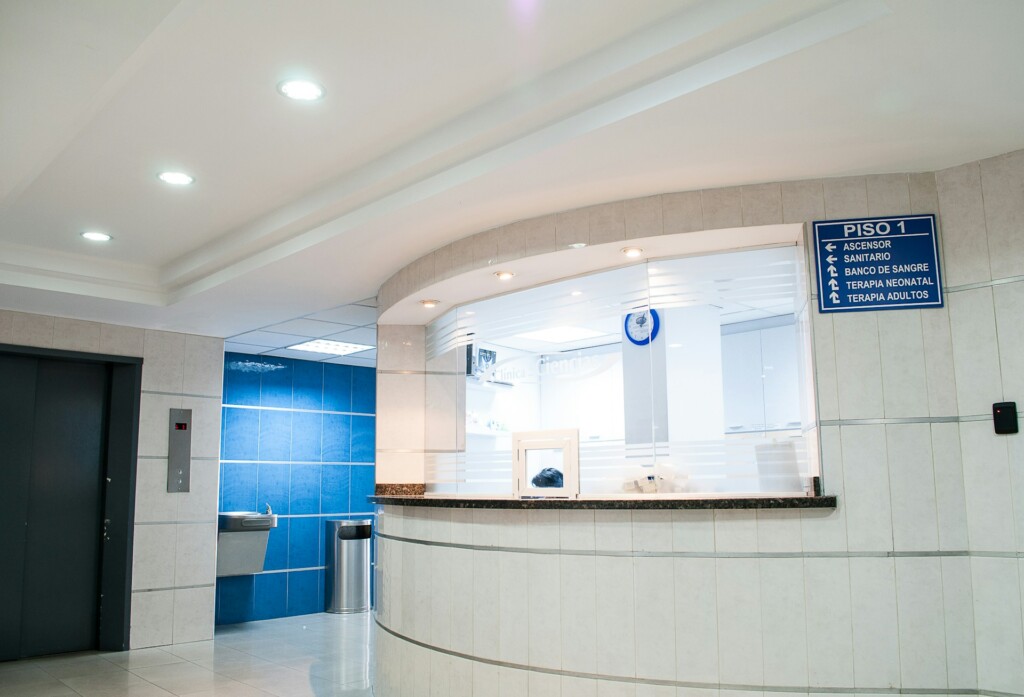
Transforming a raw commercial shell into a functional medical office requires careful orchestration of healthcare-specific MEP systems, code compliance, and clinical workflows. We coordinate these complex elements through preconstruction planning that addresses zoning requirements, permitting, and budget clarity from day one. Our turnkey design-build approach ensures each phase builds on the last while keeping the focus on patient experience and staff efficiency.
Starting with clear operational goals and engaging experienced construction partners early help prevent costly delays and rework. The specialized nature of medical office build-outs requires contractors who understand infection control standards, ADA accessibility requirements, and the unique infrastructure needs that support quality patient care.
Ready to turn your commercial shell into a purpose-built medical facility? Contact EB3 Construction to discuss your preconstruction planning and design-build needs.