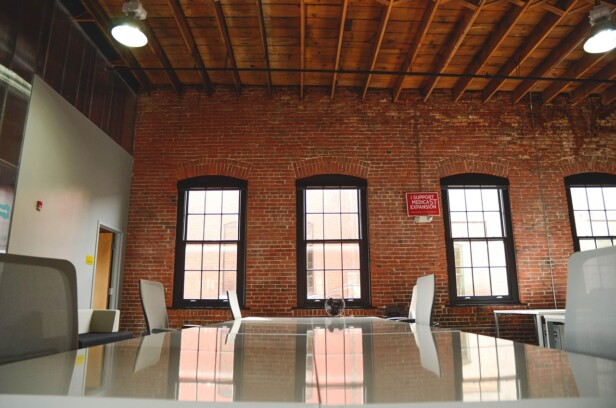
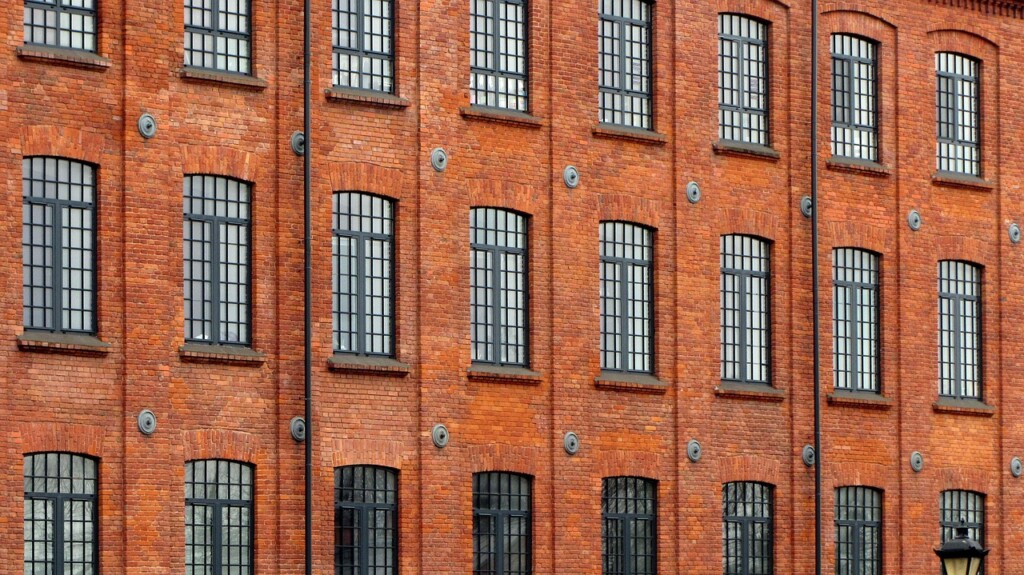
Older office buildings built in the late 19th and early 20th centuries often feature exposed brick, wooden beams, and factory windows that create an industrial aesthetic that is difficult to replicate in new construction. These structures can reduce embodied carbon by up to 95% compared with demolish-and-rebuild projects.
Converting these buildings into creative loft-style workspaces preserves their historic character while accommodating hybrid work patterns that demand flexibility. The transformation involves strategic planning for open floor plans, high ceilings, and natural light to support collaboration and future reconfiguration needs.
How Should You Evaluate The Building Before Starting A Loft-Style Conversion?
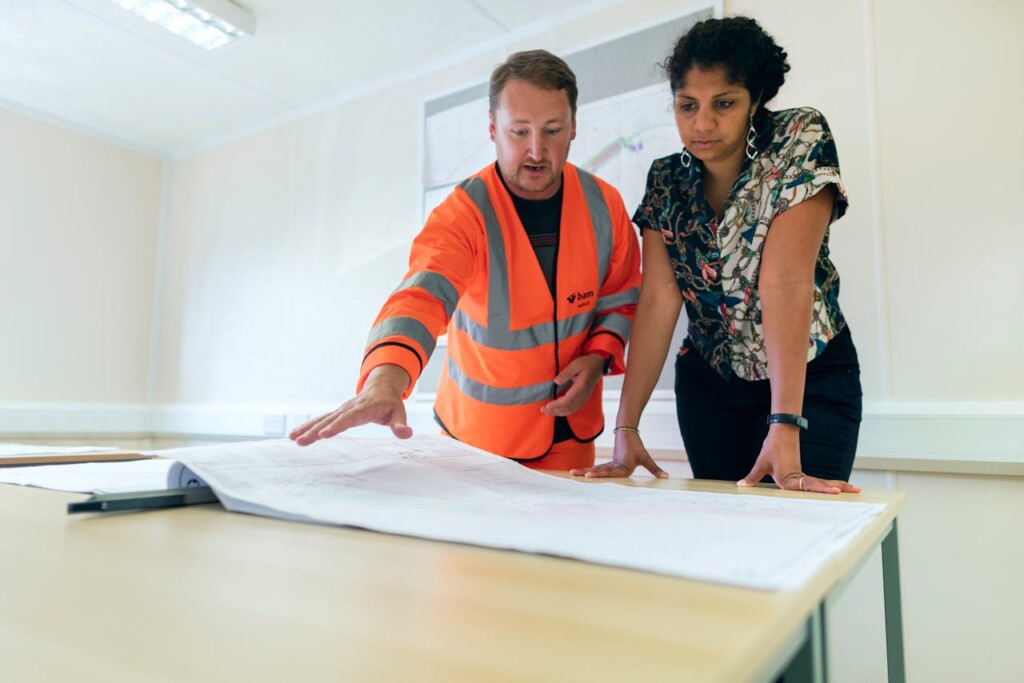
We approach every loft conversion with a thorough feasibility review that examines the fundamental characteristics that drive success. Smart building selection prevents costly surprises and sets realistic expectations for budget and timeline.
Assess Floor Plates and Circulation
Floor plates between 15,000 and 30,000 square feet typically work best for loft conversions. These manageable sizes allow for efficient open layouts without creating cavernous spaces that feel impersonal. We examine existing stairs and elevators early; their location affects how we divide space and plan new layouts.
Vertical circulation placed at building perimeters or corners gives us maximum flexibility for interior planning. Central stair towers can limit design options but sometimes offer dramatic focal points. We evaluate whether existing elevator capacity meets projected occupancy or whether upgrades will be needed.
Evaluate Daylight Access and Window Placement
Buildings with windows on multiple sides create better loft environments than those with single-sided daylight. We look for large window openings that can flood interior spaces with natural light. Factory-style windows with substantial glazing area work particularly well for creative office environments.
Deep floor plates may require light wells, skylights, or other strategies to bring daylight into interior zones. We assess whether existing window conditions support the open, bright atmosphere that defines successful loft spaces. Poor daylight access can undercut the appeal of an otherwise promising conversion.
Review Façade and Envelope Condition
A façade that requires minimal modification accelerates project timelines and controls costs. We inspect masonry, window frames, and weatherproofing systems to identify immediate needs. Building façades in good condition allow us to focus resources on interior improvements rather than extensive envelope repairs.
Buildings with intact historic character often command higher rents and attract tenants seeking authentic industrial aesthetics. We document existing architectural features like exposed brick, steel beams, and large industrial windows that add value to the finished space.
Anticipate Hidden Conditions in Older Buildings
Every older building holds surprises that surface during construction. We prepare clients for potential discoveries, including obsolete electrical systems, outdated plumbing risers, or structural modifications from previous renovations. Asbestos-containing materials and lead paint are common in pre-1980 buildings and require specialized handling.
Hidden structural conditions like beam modifications or foundation settlements can significantly impact budgets. We recommend structural assessments early in due diligence to identify these risks before purchase decisions are finalized.
Explore Historic Status and Tax Credit Opportunities
Buildings listed on the National Register of Historic Places or located in historic districts may qualify for 20% federal historic tax credits. These credits can provide substantial project financing, but they come with preservation requirements that affect design flexibility.
Historic buildings must meet the Secretary of the Interior’s Standards for Rehabilitation, which generally favor preserving character-defining features. We work with preservation consultants early to understand these requirements and identify which building elements must be retained or restored. Landmark status can add complexity but often delivers long-term value through tax credits and market differentiation.
State and local incentive programs may offer additional benefits for adaptive reuse projects. These early evaluations guide our approach to preservation versus modernization and help establish realistic project economics before we commit significant resources.
What Technical Scope And Code Items Should Your Contractor Plan For?
Converting older office buildings requires comprehensive system modernization that goes beyond surface finishes. Legacy mechanical and electrical infrastructure rarely supports the increased loads, improved ventilation, and flexible layouts that define effective loft workspaces.
Mechanical System Overhauls
HVAC replacement leads most conversion scopes. Older office buildings typically relied on centralized systems with limited zoning control. Modern loft spaces demand individual zone management, efficient heating and cooling, and higher indoor air quality standards.
We evaluate existing ductwork capacity and placement early in design. Original systems may lack adequate fresh air distribution to support the higher occupancy densities common in collaborative workspaces. Replacement often involves new air handlers, updated controls, and reconfigured distribution paths that work with open floor plans.
Plumbing updates become critical when adding kitchenettes, coffee stations, or upgraded restroom facilities. Water pressure, pipe sizing, and drain capacity may need upgrades to handle increased fixture counts and usage patterns different from traditional office environments.
Electrical Infrastructure Updates
Electrical transformers and panel capacity require careful assessment. Modern loft workspaces consume significantly more power than older offices due to increased technology loads, task lighting, and plug-in equipment density.
We coordinate with the utility company early, since service upgrades can extend project timelines. Many older buildings lack adequate circuit distribution to support flexible workspace configurations, where power needs shift with furniture layouts and technology requirements.
Emergency egress lighting and fire alarm systems need updates to meet current codes. Original installations may not provide adequate coverage for reconfigured layouts or comply with modern accessibility standards.
Fire Safety And Code Compliance
Fire sprinkler risers often require evaluation and potential replacement. Existing coverage may not align with new space planning, and older systems might lack adequate pressure or flow rates for updated occupancy classifications.
Egress planning becomes complex in buildings with deep floor plates. We may need to relocate or add exit stairs to meet code requirements for travel distances and occupant loads. This structural work requires careful coordination with building systems and can significantly impact project budgets.
Building officials typically require updated fire-rated assemblies between spaces, upgraded door hardware, and compliant emergency communication systems during major renovations.
Daylighting And Ventilation Strategies
Deep floor plates present unique challenges for natural light and fresh air distribution. We develop strategies to bring daylight deeper into interior spaces through glazing upgrades, light wells, or interior windows between zones.
Operable windows improve natural ventilation and occupant comfort but require façade modifications and coordination with HVAC systems. These changes may trigger additional code reviews and structural analysis for wind load compliance.
Mechanical areas in older buildings often occupy prime real estate near building cores. Compact new systems can free up this space for amenities like meeting rooms, collaboration zones, or storage areas that enhance the workspace experience.
Which Design Moves Create Flexible, Creative Loft-Style Workplaces?
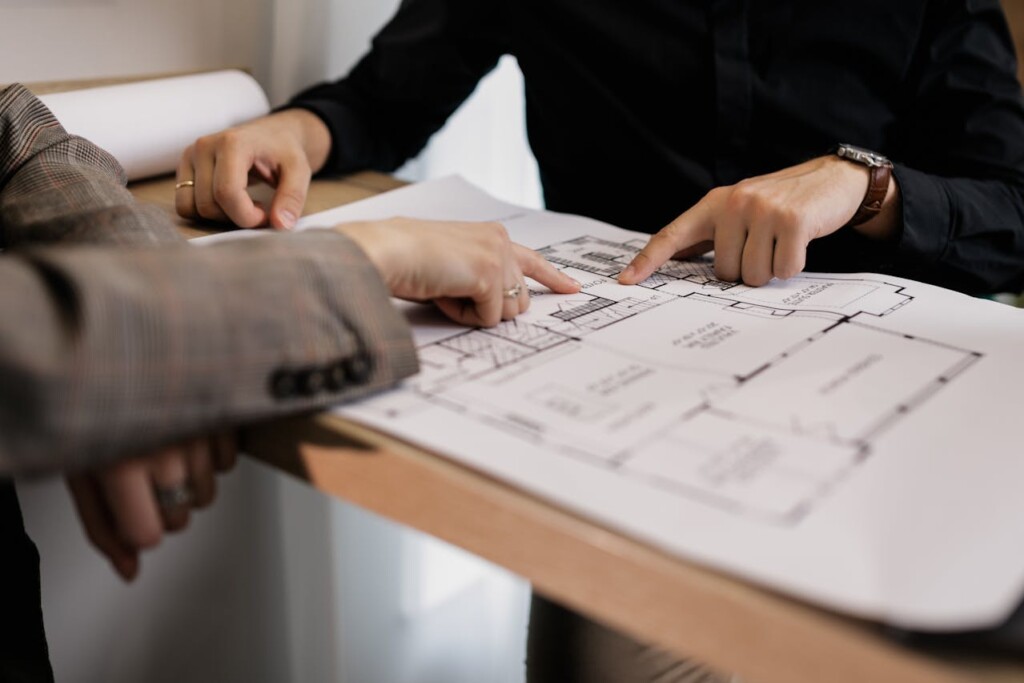
Creative loft-style workspaces thrive when they balance historical authenticity with modern flexibility. We approach each conversion by celebrating the building’s industrial past while creating environments that adapt to changing work patterns and team dynamics.
Preserve Exposed Structure and Industrial Character
The exposed brick walls, steel beams, and large factory windows that define loft aesthetics become powerful design anchors. We preserve these elements to maintain the space’s industrial character while ensuring they meet current building requirements. Exposed structural elements create visual interest and help define zones within open floor plans.
Wooden beams often become focal points that organize furniture layouts and establish sight lines. Large industrial windows frame views and flood spaces with natural light, reducing reliance on artificial lighting. These preserved elements tell the building’s story while supporting modern workspace needs.
Design Open Plans for Collaboration and Reconfiguration
High ceilings and open floor plans support the collaborative culture that draws teams to loft-style workspaces. We design these environments with movable furniture and flexible infrastructure that enable easy reconfiguration as team sizes and work styles evolve. Open plans encourage spontaneous interactions while providing sight lines that connect different work zones.
The key is creating openness without sacrificing acoustic comfort or privacy options. We position communal spaces to encourage natural circulation and relationship-building. Reconfigurable layouts accommodate everything from individual focus work to large team workshops, maximizing the utility of every square foot.
Create Multipurpose Communal Zones
Multipurpose areas become the heart of creative loft workspaces, serving multiple functions throughout the day. These communal spaces might host morning coffee meetings, afternoon brainstorming sessions, and evening social events. We design them with flexible furniture and technology infrastructure that support diverse activities.
Art displays and creative installations reinforce company culture while inspiring innovation. These zones often include writable walls, movable seating, and integrated technology for presentations or video calls. The goal is to create spaces where creativity and collaboration flourish naturally.
Plan for Hybrid Work Flexibility
Modern loft conversions must accommodate hybrid work patterns where teams split time between the office and remote locations. We design areas that can shift functions based on occupancy levels and meeting requirements. Some zones might serve as individual focus areas during quiet periods and transform into collaborative spaces when teams gather.
Technology integration supports seamless transitions between in-person and virtual collaboration. Video conferencing capabilities, wireless presentation systems, and booking platforms help teams coordinate their office use effectively. Employee well-being improves when workers can choose environments that match their tasks and energy levels throughout the day.
Maximize Natural Light and Views
Daylight strategies form the foundation of comfortable, productive loft workspaces. We position workstations and meeting areas to take advantage of the generous windows typical in converted industrial buildings. Natural light reduces eye strain, regulates circadian rhythms, and creates visual connections to the outdoors.
Strategic furniture placement ensures daylight penetrates deep into floor plates without creating glare or overheating. Views to the outdoors provide psychological benefits and help workers maintain awareness of weather and time of day. These connections to the natural environment boost comfort and productivity in ways that artificial lighting cannot replicate.
What Approvals, Incentives, And Sustainability Factors Matter In A Loft Conversion?
Adaptive reuse projects offer substantial environmental benefits that extend beyond immediate construction costs. Converting existing office buildings into loft-style workspaces reduces embodied carbon by avoiding demolition and new construction materials. This approach preserves the energy already invested in the original structure while extending its useful life.
Central business district locations provide natural advantages for sustainable development. These areas typically reduce parking demand and support transit accessibility, aligning with urban revitalization goals. Many converted office buildings benefit from existing infrastructure and walkable access to services, reducing long-term environmental impact through decreased transportation needs.
Historic Tax Credits And Financial Incentives
Historic buildings often qualify for significant tax incentives that can improve project feasibility. Federal historic tax credits provide a 20 percent credit against qualified rehabilitation costs, while many states offer additional incentives ranging from 10 to 30 percent of project expenses. These credits can be particularly valuable for larger conversions where renovation costs are substantial.
Some cities provide expedited approvals or reduced fees for qualified adaptive reuse projects. These incentives recognize the community benefits of preserving existing buildings while meeting modern workspace needs. We coordinate with local development authorities early in the planning process to identify available programs and application requirements.
Zoning And Entitlement Considerations
Zoning approvals are a critical-path item that can extend project timelines significantly. Converting office space to creative workspace often requires variance requests or conditional use permits, particularly when adding amenity spaces or modifying parking requirements. We recommend initiating the entitlement process during early design phases to identify potential obstacles.
Some municipalities offer streamlined approvals for projects that meet specific sustainability criteria or urban revitalization objectives. These fast-track programs can reduce approval timelines from months to weeks, providing meaningful schedule and cost advantages for qualified projects.
Energy Efficiency And Sustainable Systems
Daylight strategies are central to both energy efficiency and workspace quality in loft conversions. We design mechanical efficiency improvements alongside architectural changes, often integrating upgraded HVAC systems with enhanced natural ventilation. These improvements support both environmental goals and long-term operating cost reductions.
Building performance standards in many cities now require specific energy use intensity targets that favor efficient renovation over new construction. Loft conversions can achieve these standards through strategic system upgrades while preserving existing structural elements. The combination of historic character and modern efficiency creates workspaces that meet both cultural and environmental objectives.
Conclusion and Next Steps
Converting an older office building into creative, loft-style workspaces requires careful planning and experienced execution. The transformation blends architectural history with contemporary workplace needs, creating environments that inspire collaboration while honoring the building’s past. We approach each project by sequencing feasibility studies, scope definition, and construction planning to ensure the final workspace delivers character and functionality.
Start your loft-style office conversion with a thorough building assessment and early engagement with zoning authorities. Plan system overhauls and building-envelope upgrades alongside design elements that maximize natural light and support flexible layouts. Consider sustainability measures and available incentives that can improve project economics and environmental impact. The most successful projects result from construction sequencing that addresses technical requirements while preserving the industrial aesthetic that makes these spaces compelling.
Ready to transform your older office building into an inspiring creative workspace? Contact EB3 Construction to discuss your adaptive reuse project.