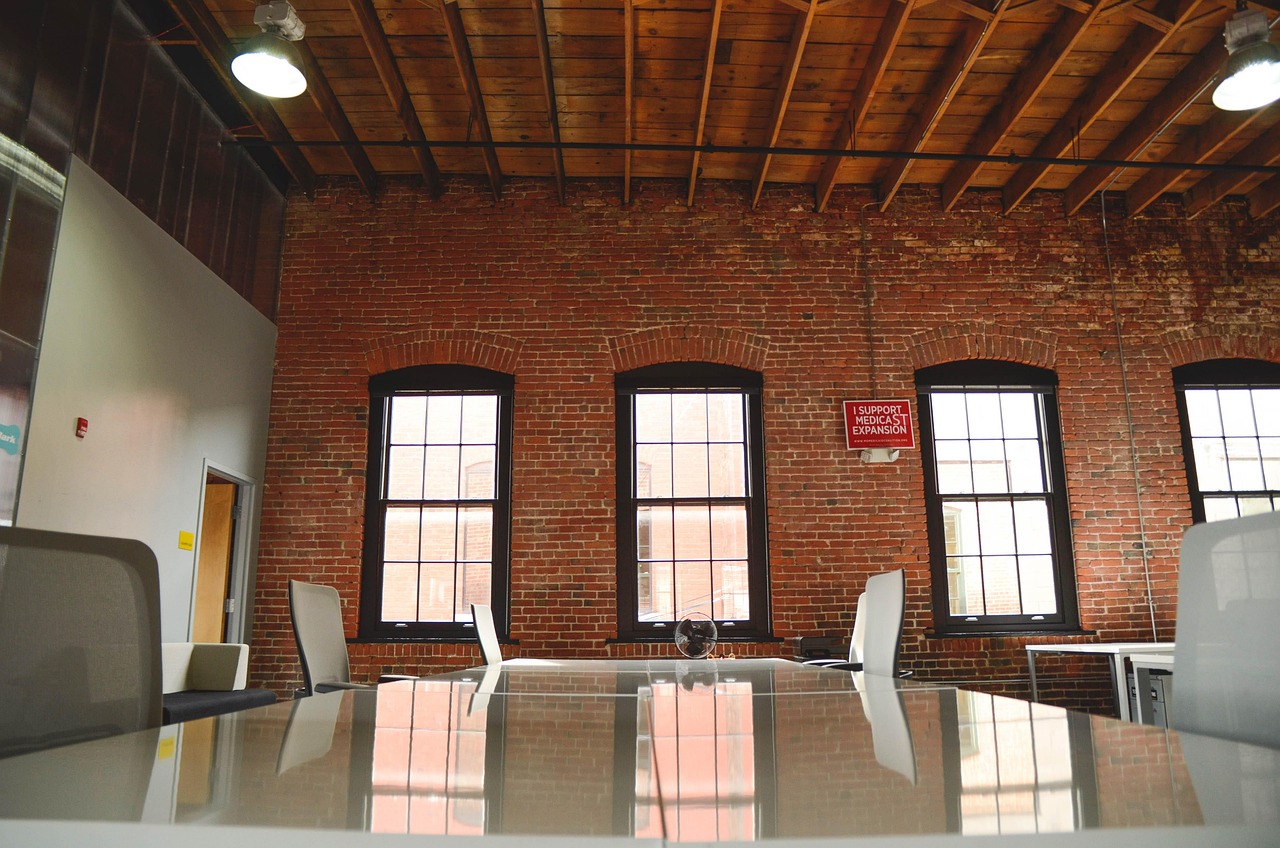
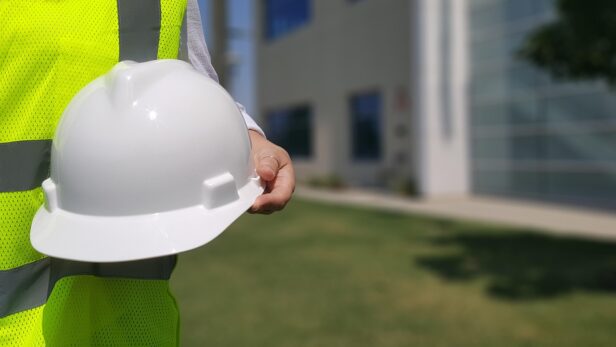
Corporate offices have evolved far beyond rows of gray cubicles under harsh fluorescent lighting. Modern corporate construction now emphasizes natural light, collaborative spaces, and technology integration to create environments that attract talent and boost performance.
Corporate construction represents a specialized branch of commercial construction dedicated to building workspaces that align with business objectives and employee satisfaction. We manage complex projects that must balance aesthetic appeal with operational efficiency, regulatory compliance, and long-term maintenance planning to deliver offices that work as hard as the people in them.
Which Project Types Fall Under Corporate Construction?

Corporate construction encompasses several distinct project types, each serving different business objectives and operational requirements. We build these spaces to support corporate functions while addressing specific market pressures and stakeholder needs.
Corporate Headquarters
Corporate headquarters projects create spaces that reflect company values while supporting innovation and workforce productivity. We focus on building environments that enhance corporate image through thoughtful design and high-quality materials. These projects integrate advanced technology systems to support modern work patterns and collaboration needs.
Headquarters construction demands careful attention to operational efficiency. We design mechanical systems, lighting controls, and space layouts that reduce long-term operating costs while maintaining employee comfort. The construction approach balances aesthetic goals with functional performance across multiple floors and departments.
Build-to-Suit Offices
Build-to-suit office projects prioritize speed-to-market and cost control for developers and property owners. We coordinate preconstruction activities to establish clear budgets, realistic schedules, and market-ready specifications before breaking ground. This early planning improves predictability throughout the construction process.
Marketability drives many design decisions in build-to-suit projects. We construct flexible floor plates that can accommodate diverse tenants while meeting modern workplace standards. The construction process emphasizes efficient preconstruction phases to align developer expectations with market conditions and leasing timelines.
Office Renovations and Expansions
Office renovation projects refresh existing spaces to meet evolving business needs and workplace standards. We coordinate lobby remodels, mechanical system upgrades, and workspace reconfiguration while businesses remain operational. These projects often involve repurposing underused areas like storage rooms or conference facilities into collaborative spaces.
Expansion projects help growing companies add square footage without relocating operations. We manage construction sequencing to limit disruption to daily work activities and maintain building security. Phased construction allows businesses to continue operations in unaffected areas while we complete new spaces or major renovations.
Tenant Improvements and Buildouts
Tenant improvement projects transform generic office shells into functional, branded workplaces. We coordinate lighting upgrades, technology infrastructure installation, and space reconfigurations to meet specific tenant requirements. These projects typically involve converting white box or gray shell spaces into move-in ready offices.
Office buildout work includes installing demising walls, upgrading HVAC distribution, and adding specialized systems like data centers or audio-visual equipment. We manage the interface between base building systems and tenant-specific improvements to ensure seamless integration. The construction process emphasizes schedule control to meet lease commencement dates and business move-in requirements.
How Do Codes, Safety, And Approvals Shape Corporate Office Projects?
Building Codes Set The Foundation For Safety And Performance
Corporate office construction operates under strict building codes that establish minimum standards for occupant protection and operational efficiency. We coordinate with local jurisdictions to ensure compliance with the International Building Code (IBC) and related standards that govern structural integrity, fire safety, and accessibility.
These codes directly impact construction decisions from foundation to finish. Energy efficiency requirements influence HVAC system sizing and building envelope design, while accessibility standards shape corridor widths, elevator placement, and restroom layouts. Non-compliance during design review can trigger costly redesigns that delay project schedules and inflate budgets.
Occupancy Classifications Drive Design Requirements
Local building departments assign occupancy classifications that determine specific code requirements for corporate projects. Business Group B occupancies, typical for most office buildings, require different fire protection and egress strategies than Assembly or Mercantile classifications. We analyze these requirements during preconstruction to avoid surprises during permitting.
Classification decisions affect everything from required fire resistance ratings to maximum travel distances to exits. Mixed-use buildings with retail components or large conference facilities may trigger additional requirements that influence layout planning and system design. Early coordination with building officials helps clarify these requirements before design development begins.
Fire Resistance Ratings Guide Material Selection
Fire resistance ratings determine which materials and assemblies we specify for walls, floors, and structural components. The five main construction types (Type I through Type V) establish minimum fire resistance requirements measured in hours. Type I buildings allow the tallest structures with the highest fire resistance, while Type V permits lower buildings with combustible construction.
These ratings influence both material costs and design flexibility. A two-hour fire-rated wall assembly costs significantly more than a one-hour assembly, but enables different occupancy separations and building heights. We coordinate with structural engineers and architects to optimize these requirements while maintaining safety standards established by NFPA guidelines.
ADA Compliance Shapes Accessibility Planning
Americans with Disabilities Act compliance affects every aspect of corporate office design and construction. We integrate accessibility requirements into site planning, building entrances, and interior layouts from project start. Door widths, ramp slopes, and elevator specifications must meet precise standards that influence both design and construction sequencing.
Restroom accessibility requires specific clearances and grab bar installations that affect plumbing coordination and finish scheduling. Parking requirements mandate accessible spaces near building entrances, influencing site development costs and design. Early compliance planning prevents expensive retrofits during construction or after occupancy.
Commercial Approvals Control Project Timelines
Predevelopment approvals establish the foundation for successful corporate office projects. We coordinate building permit applications, fire department reviews, and utility approvals to maintain project schedules. Each jurisdiction maintains different review timelines and requirements that affect financing and construction start dates.
Plan review processes can extend four to eight weeks in most markets, with complex projects requiring additional review cycles. We submit applications with complete documentation to minimize review comments that trigger resubmissions. Fire department and accessibility reviews often run parallel to building department reviews, requiring coordination across multiple agencies.
Inspections Ensure Code Compliance Throughout Construction
Building inspections occur at critical construction milestones from foundation to final occupancy. We schedule inspections for concrete pours, framing completion, mechanical rough-ins, and fire safety system testing. Failed inspections halt construction progress and can delay project closeout by weeks.
Inspector availability and scheduling constraints require proactive coordination to maintain construction flow. We prepare inspection checklists and ensure all required work completes before scheduling inspections. Final inspections and certificate of occupancy approvals enable tenant move-in and project completion, making compliance verification essential for project delivery.
Which Planning And Delivery Practices Improve Outcomes?
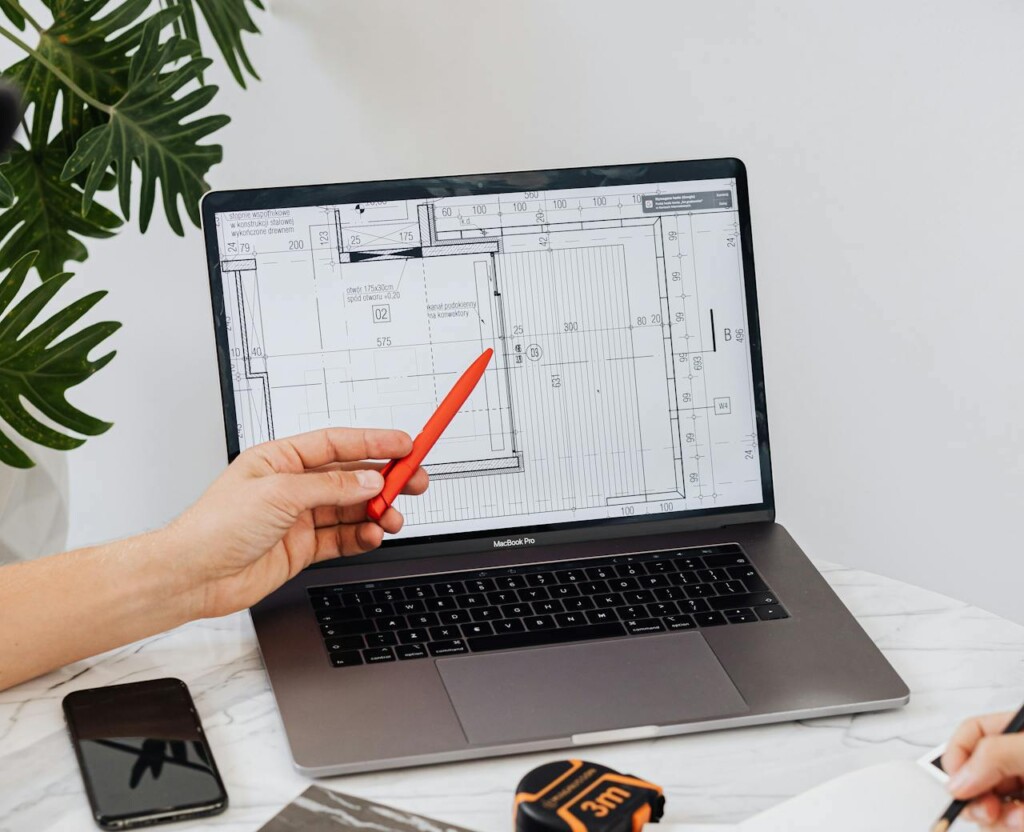
Successful corporate construction depends on coordinated practices that align teams, reduce risk, and maintain quality from start to finish. We apply proven methods that streamline workflows and improve predictability across complex office projects.
Preconstruction Planning
Preconstruction defines the project foundation before breaking ground. We establish scope boundaries, validate budget assumptions, and identify potential risks during this phase. Early cost modeling prevents budget surprises later in construction. Risk assessment covers everything from site conditions to permitting challenges. This upfront work improves schedule reliability and gives owners confidence in project feasibility. Clear preconstruction documentation also supports financing approvals and stakeholder alignment.
Effective preconstruction includes constructability reviews where we evaluate design elements for buildability. We coordinate with design teams to resolve conflicts before they reach the field. Material lead times get factored into scheduling early. This approach reduces change orders and keeps projects on track through completion.
Virtual Design And Construction
VDC integrates digital tools to optimize design coordination and construction sequencing. Building Information Modeling forms the backbone of our VDC processes. We use detailed 3D models to identify system conflicts before installation begins. Clash detection prevents costly rework in mechanical, electrical, and plumbing systems.
Digital coordination extends beyond conflict resolution. We simulate construction sequences to optimize workflow and staging. VDC enables precise quantity takeoffs and material planning. Real-time model updates keep all stakeholders working from current information. This technology-driven approach improves both design quality and construction efficiency.
Lean Construction Methods
Lean construction eliminates waste while maintaining continuous workflow. We apply collaborative planning tools like the Last Planner System to improve schedule reliability. Pull planning starts with project milestones and works backward to identify critical dependencies. This approach ensures work flows smoothly between trades.
Daily huddles and visual management keep teams aligned on priorities and progress. We focus on removing constraints that could disrupt downstream work. Just-in-time material delivery reduces storage needs and minimizes handling. These practices reduce cycle times and improve overall project performance through better coordination and communication.
High-Performance Systems Integration
Sustainable construction requires early planning for energy efficiency and operational performance. We integrate high-performance systems during design development rather than adding them later. HVAC systems get sized and specified for optimal energy use. Advanced building automation enables precise climate control and energy monitoring.
Commissioning begins during design and continues through occupancy. We verify that systems perform according to specifications and owner requirements. Energy modeling validates performance targets before construction starts. This systematic approach delivers buildings that meet sustainability goals while controlling long-term operating costs.
Prefabrication And Modular Solutions
Off-site construction improves quality while reducing field labor requirements. We evaluate prefabrication opportunities during preconstruction planning. Bathroom pods, mechanical assemblies, and curtain wall systems work well for modular construction. Manufacturing in controlled environments improves precision and reduces weather delays.
Modular construction requires detailed coordination between design, fabrication, and site work. We manage logistics to ensure timely delivery and installation. Quality control happens at the factory before components reach the project site. This approach accelerates schedules while maintaining high construction standards.
Phased Construction Management
Active office environments require careful planning to minimize operational disruption. We develop phasing plans that maintain business continuity throughout construction. Temporary barriers and dust control protect occupied areas. Work scheduling considers noise restrictions and peak business hours.
Clear communication protocols keep building occupants informed about construction activities. We coordinate with facility managers to address operational needs. Cost transparency throughout the process helps owners make informed decisions about scope changes. Regular progress updates maintain stakeholder confidence and project momentum.
What Do Different Corporate Sectors Need From Their Offices?
Each corporate sector brings distinct requirements to office construction that shape design, systems, and delivery approaches. We coordinate these specialized needs with code compliance, schedule priorities, and budget parameters to create spaces that function effectively for their intended users.
Law Firm Offices
Law firms require sophisticated security systems that protect confidential client information and case materials. We install access control systems, surveillance equipment, and secure document storage areas that meet attorney-client privilege requirements. Soundproofing becomes critical in both private offices and conference rooms where sensitive discussions occur.
Budget accuracy drives success in law firm projects. We use detailed preconstruction to establish realistic cost projections and identify potential scope changes early. Phased construction minimizes disruption to ongoing legal work, allowing firms to maintain client service throughout the build process.
Financial Firm Offices
Financial firms demand robust data center infrastructure to support trading platforms, client management systems, and regulatory reporting. We coordinate specialized electrical systems, cooling requirements, and backup power solutions that ensure continuous operations. Security systems integrate physical access controls with cybersecurity protocols.
These projects balance high-end finishes that project stability and success with flexible layouts that adapt to changing team structures. We plan for regulatory compliance requirements including secure communications and document management systems that meet financial industry standards.
Technology Workspace
Technology companies require complex IT and AV installations that support rapid innovation and collaborative work styles. We coordinate fiber optic networks, advanced presentation systems, and flexible power distribution that accommodates frequent reconfigurations. Open collaboration areas integrate with private focus spaces and video conference facilities.
Energy efficiency becomes a priority, often targeting LEED certification or similar sustainability standards. We install high-performance mechanical systems, LED lighting controls, and smart building technologies that reduce operational costs and support corporate sustainability goals.
Headquarters Campus
Corporate headquarters and campus projects involve multi-phase infrastructure coordination across different building types and functions. We manage complex stakeholder relationships including executive leadership, facilities teams, and various department heads who influence design decisions. These projects require careful sequencing to maintain operations during construction.
We balance aesthetic requirements that reinforce corporate branding with performance criteria including energy efficiency and future-proofing for technological advances. Campus projects often incorporate amenity-rich programming including fitness centers, dining facilities, and outdoor spaces that support employee retention and recruitment.
Core-And-Shell and Tenant Fit-Out Considerations
Across all corporate sectors, we often separate core-and-shell construction from tenant fit-out work. This approach allows building owners to complete base building systems while tenants develop detailed space planning and interior requirements. We coordinate mechanical, electrical, and plumbing rough-ins that support future fit-out flexibility without compromising building performance or code compliance.
Conclusion and Next Steps

Corporate construction planning delivers workspaces that enhance both employee performance and business outcomes. Success requires a systematic approach that addresses project scope, regulatory requirements, and operational efficiency from the earliest stages.
We begin by defining the specific project type—whether corporate headquarters, build-to-suit office, renovation, or tenant improvement. Each category brings distinct scheduling, budget, and compliance considerations that shape our delivery approach. Early alignment with building codes, occupancy classifications, ADA requirements, and fire resistance ratings prevents costly delays and ensures regulatory approvals proceed smoothly.
Effective project delivery relies on proven methodologies like preconstruction planning, Virtual Design and Construction coordination, and Lean construction principles. These practices strengthen schedule management, improve budget control, and maintain quality standards throughout the build. We integrate sustainability planning and sector-specific requirements to create future-proof designs that support long-term operational efficiency.
Phased delivery and transparent communication minimize disruption to existing operations while maintaining project momentum. Clear stakeholder coordination ensures that technical requirements, aesthetic goals, and performance objectives align throughout construction.
Ready to plan your corporate construction project? Connect with EB3 Construction to discuss your workplace vision and delivery requirements.