Most construction projects involve at least two contracts; one for design and one for construction. Design-build consolidates both under a single contract, giving developers and property owners one coordinated team accountable for the full scope of work.
The model covers the full project delivery spectrum, from early site input and architectural design through construction and closeout. The sections ahead break down the specific services involved, how these firms are structured, and what owners should consider before committing to this approach.
What Services Do Design-Build Companies Typically Provide?

Preconstruction and Site Input
Before a single drawing is finalized, we evaluate site conditions and construction feasibility early. This includes reviewing zoning requirements, conducting geotechnical assessments, and identifying any environmental considerations that could affect the build. Those early findings directly shape the design and the realistic cost to build.
Code compliance work also begins at this stage. We review applicable building codes, occupancy classifications, and accessibility requirements so permit drawings reflect the standards set by the local building department from the start. Submitting accurate, code-compliant documents the first time reduces review cycles and keeps the schedule intact.
Architectural Design, Interior Design, and Specifications
Design services cover both the exterior envelope and the interior build-out. Architectural design establishes the structural layout, coordinates building systems, and defines the exterior form. Interior design addresses space planning, finish selections, and the detailed specifications that subcontractors and suppliers use to price and execute the work.
Design renders give owners a clear visual of the project before construction begins. These are practical tools, not just presentation materials. We use them to align expectations on finishes, spatial relationships, and overall scope so decisions are made at the right time rather than after framing is up.
Specifications are the written counterpart to the drawings. They define material standards, installation methods, and performance requirements for every system in the building. A thorough specification package reduces ambiguity in the field and gives subcontractors a consistent basis for their work.
Permits, Inspections, and Testing
We manage the full permitting process, from preparing submittal packages to coordinating directly with the building department. Permit timelines vary by jurisdiction and project type, but proactive communication with plan reviewers helps move applications forward and resolve comments quickly.
Required inspections are scheduled and coordinated throughout construction. These include framing inspections, MEP rough-in sign-offs, and final inspections before a certificate of occupancy is issued. Depending on the project, specialized testing may also be used, covering areas such as concrete strength, soil compaction, air barrier performance, or, where applicable, testing of existing materials—such as asbestos in renovation work.
| Construction Phase | Permit/Inspection Type |
| Preconstruction | Site Assessment, Planning and Design Review, Permits and Approvals |
| Mid-Construction | Foundation and Structural Inspections, Electrical/Plumbing/Mechanical Inspections, Progress Inspections |
| Final Inspections | Completion Inspection, Punch List Inspection, Handover Inspection |
Material Procurement and Construction Management
Material selection and procurement are coordinated alongside the design process. We identify lead times for critical materials and equipment early so long-lead items are ordered before they can become a scheduling constraint. This coordination between the design team and the field is one of the practical advantages of having both functions under the same contract.
During construction, we oversee demolition, framing, and MEP (mechanical, electrical, and plumbing) work. Each trade is sequenced to avoid conflicts, and daily site coordination keeps work moving in the right order. Quality control checks are embedded throughout, not saved for the end.
Finishes are managed through approved submittals tied back to the specifications. Subcontractors are held to those standards, and any substitutions go through a formal review before installation. This protects the owner’s expectations and keeps the finish quality consistent across the project.
Closeout and Documentation Handover
Construction closeout begins well before the final walkthrough. We track punch list items throughout the project, which means the list at substantial completion reflects genuine outstanding work rather than a backlog of unresolved issues. Final inspections involve the owner, the building department, and our field team to confirm all systems are functioning and all code requirements are satisfied.
Documentation for handover includes as-built drawings, equipment warranties, operation and maintenance manuals, and any inspection or testing reports generated during construction. Owners receive a complete package they can use to manage the building going forward. Because all paperwork stays with a single team throughout the project, closeout documentation is typically more organized and complete compared to projects where design and construction are handled under separate contracts.
How Are Design-Build Firms Structured And How Do They Manage Projects?
One Contract, One Accountable Lead
A design-build firm operates under a single contract that covers the full scope of work, from design through construction completion. That contract is tied to one lead entity—either a general contractor or an architect—who carries full accountability for scope, schedule, budget, and quality. Responsibility is not split between separate parties.
The lead entity functions as the single point of contact for the owner throughout the project. Developers and property owners deal with one team, receive updates from one source, and escalate issues to one decision-maker. This structure removes the communication gaps that occur when owners are caught between separate design and construction contracts.
How the Integrated Team Is Organized
Beneath the accountable lead, the integrated team typically includes a project manager, architects, engineers, and subcontractors, all working under the same contractual umbrella. The project manager coordinates daily activities and serves as the operational link between design decisions and field execution. Architects and engineers contribute technical input while remaining aligned with construction realities, rather than operating in a separate silo.
Subcontractors are brought in under the direction of the design-build firm, which means their work is coordinated with the broader project plan rather than managed independently. This arrangement keeps trade coordination centralized and reduces the risk of scheduling conflicts or misaligned scopes between different crews on site.
Overlapping Phases and Faster Decision-Making
One of the structural advantages of this model is that design and construction phases can run concurrently rather than sequentially. While certain design elements are still being finalized, construction on other portions of the project can move forward. This overlap, often called fast-tracking, compresses the overall project timeline without compromising coordination.
Because the entire team shares the same contract and the same goals, decisions and responses to changes move through a single chain rather than bouncing between independent firms. When a field condition requires a design adjustment, the project manager, architect, and relevant subcontractors can resolve it within the team, often within hours rather than days. This speed directly benefits developers working against financing deadlines or phased delivery commitments.
What Are The Benefits And Trade-Offs Of Design-Build?
Where the Model Delivers Real Advantages
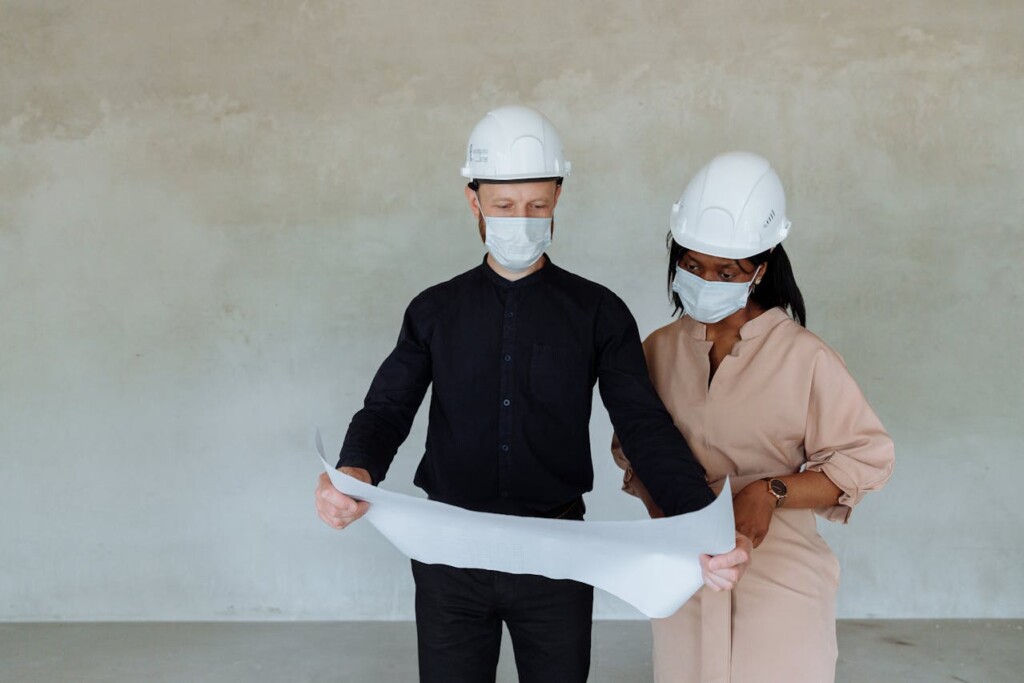
Overlapping the design and construction phases produces a measurable schedule advantage. Research on commercial projects has found that design-build delivery can be approximately 33% faster than conventional design-bid-build timelines. For developers working against financing deadlines or lease commitments, that schedule compression carries direct financial weight.
Early collaboration between architects, engineers, and construction leads also strengthens cost management. When the team building the project participates in design decisions from the start, constructability problems surface before they become expensive field corrections. Value engineering is applied during design rather than as a reactive measure after bids come in over budget.
The consolidated contract structure shifts a significant share of risk toward the design-build team. If design errors or construction defects arise, the liability sits with one entity rather than triggering disputes between separate designers and contractors. Owners avoid the position of mediating conflicts between parties, each with their own contracts and obligations. Fewer handoffs between teams also tend to reduce change orders, since the people designing the work are the same ones accountable for executing it.
Trade-Offs Owners Should Weigh Carefully
Owner involvement in design decisions narrows once the construction phase begins. In a traditional design-bid-build arrangement, an independent architect advocates directly for the owner and monitors construction quality throughout the build. That independent oversight layer is typically absent in a conventional design-build contract, placing more responsibility on the owner to stay engaged and ask the right questions.
Competitive bidding on the construction scope is limited under design-build. Selection often focuses on team qualifications rather than price competition across multiple builders, which means the owner cannot easily use market pressure to sharpen the build cost. Some firms also lean toward materials, systems, or methods they know well, which may not always align with the owner’s preferences or long-term operational needs.
| Key Factor | Design-Build | Design-Bid-Build |
|---|---|---|
| Timeline | Faster project completion; overlaps design and construction phases (fast-tracking) | Sequential process; design completed before construction begins |
| Cost Control | Better cost management with early collaboration; single contract | Potentially higher costs due to separate contracts and phases |
| Owner Involvement | Less involvement post-design; single point of contact | High level of control throughout; separate design and construction contracts |
| Risk Allocation | More risk assumed by the design-build team; integrated responsibility | Owner assumes more risk mainly due to separate contracts |
| Competitive Bidding | Limited price competition; qualifications-driven | Competitive bidding for design and construction phases; price competition among builders |
The overall outcome depends heavily on the capability and reliability of the firm selected. A well-structured team with deep project management experience and proven subcontractor relationships will perform very differently from one that lacks field coordination depth. Owners evaluating design-build should scrutinize a firm’s construction execution record as closely as its design portfolio, since both functions carry equal weight in delivery.
What Is The Typical Design-Build Process From Start To Finish?
The design-build process follows a defined sequence that moves from initial site analysis through construction to formal handover. Each step builds on the one before it. Because design and construction operate under a single contract, decisions at any stage have a direct, immediate impact on the work that follows.
Site Feasibility and Project Conception
The process begins before design work starts. We assess site conditions, local zoning requirements, and construction feasibility to identify constraints that could affect scope, cost, or schedule. This early input shapes every downstream decision, from foundation type to utility coordination.
Once site feasibility is confirmed, the project conception stage establishes the foundational targets: scope, budget, and schedule. These parameters are not arbitrary starting points. They reflect actual site conditions and give the integrated team a shared baseline to design toward—not away from.
Preliminary Design and Cost Estimating
With scope and budget defined, the design team develops preliminary drawings and begins cost estimating. Many projects use digital modeling tools, including Building Information Modeling (BIM) and virtual design workflows, to test design assumptions against cost data in real time. This is where value engineering conversations typically begin, identifying opportunities to achieve the same performance at a lower construction cost without compromising the owner’s program.
Preliminary cost estimates produced during this phase are more reliable than concept-stage numbers because they account for current material pricing, subcontracting conditions, and site-specific factors. Owners who engage their design-build team this early gain a clearer picture of true project costs before finalizing the contract.
Design Phase and Contract Finalization
The formal design phase translates preliminary drawings into construction documents that meet code requirements and reflect the performance standards, schedule milestones, and budget targets agreed upon earlier. Architects, engineers, and the construction team work in parallel rather than sequentially, which keeps design decisions grounded in buildability.
Once the construction documents are sufficiently developed, the contract cost is finalized. This step locks in the agreed price before groundbreaking, giving owners a defined financial commitment and reducing the risk of unexpected cost escalation during the build.
Construction, Subcontracting, and Site Coordination
Construction begins with site work preparation, including site clearing, utility connections, and foundation work. From that point, we manage daily coordination across all subcontracting scopes, from structural framing and MEP rough-in through interior finishes. Progress reporting, required inspections, and quality control checks run continuously throughout this phase.
Centralized communication is critical here. Because the design team and construction team operate under the same contract structure, field questions that arise during construction are resolved quickly rather than cycling through separate parties. This keeps the schedule tight and reduces the friction that typically leads to change orders in traditional delivery methods.
Project Closeout and Post-Construction Support
Closeout begins when construction work reaches substantial completion. The owner and the construction team conduct a formal walkthrough to compile a punch list of any remaining items. These are assigned, completed, and verified before final documentation is assembled.
Closeout documentation includes as-built drawings, operations and maintenance manuals, equipment warranties, compliance certifications, and any records required for a certificate of occupancy. Collecting these materials throughout the build rather than at the end significantly reduces the time and effort required to close out a project successfully.
After handover, many design-build teams remain available for a post-construction review period to address workmanship warranty items and ensure building systems are functioning as designed. This final stage closes the loop on a process that started with a feasibility assessment and ends with a fully documented, code-compliant building ready for its intended use.
| Stage | Key Activities | Responsible Parties |
|---|---|---|
| Site Feasibility and Project Conception | Site analysis, zoning checks, set project targets | Design-build team |
| Preliminary Design and Cost Estimating | Develop preliminary drawings, cost estimates | Architects, engineers, design-build team |
| Design Phase and Contract Finalization | Create detailed construction documents, finalize contract cost | Design team, construction team |
| Construction and Coordination | Manage subcontracting, site work preparation, coordinate trades | Construction team, project manager |
| Project Closeout and Post-Construction Support | Punch list completion, documentation handover | Construction team, owner |
Conclusion And Practical Next Steps

Design-build consolidates planning, permitting, design, procurement, and construction under a single contract. This structure centralizes accountability, keeps decisions moving, and reduces the coordination gaps that slow more fragmented delivery models. The model performs best when schedules are compressed, the scope is technically complex, or a single point of responsibility matters more than maximum owner control.
Before committing to a design-build arrangement, owners should define project goals and a realistic budget with enough specificity to evaluate proposals on equal footing. Reviewing multiple proposals is essential. Budget and schedule are obvious filters, but assessing a team’s actual design capability, project management approach, and experience with similar project types gives a clearer picture of how the relationship will perform under pressure. Owners benefit most when they look beyond price to find a team that can genuinely help them reach their project goals.
Owners who want more flexibility during the design phase should ask prospective teams about phased agreement structures before signing a full construction contract. Progressive design-build, for example, allows both parties to work through the design phase under a preliminary agreement before locking in a final construction cost. That option provides a practical off-ramp if scope or budget expectations diverge before construction begins.
At EB3 Construction, we approach design-build engagements with the coordination and field experience that complex projects demand. Contact us to discuss your project delivery goals and learn how we can support your next development.