When fire sprinklers activate at 2 AM or a pipe bursts during a weekend, businesses face potential operational shutdowns that cost thousands per hour. An emergency commercial general contractor manages these urgent building issues that threaten business continuity.
EB3 Construction provides response to stabilize sites, mitigate damage, and restore properties to pre-loss condition through comprehensive services spanning mitigation, remediation, and full reconstruction so operations can resume safely and quickly.
Which Emergencies And Services Are Handled For Commercial Facilities?

Commercial properties face diverse emergency situations that demand swift professional response. Water damage represents the most frequent threat, stemming from sprinkler system discharges, burst plumbing lines, roof infiltration, and flooding incidents. We mobilize quickly to extract standing water, implement drying protocols, and prevent secondary damage that escalates repair costs.
Fire emergencies create complex challenges beyond flame damage. Smoke infiltration penetrates building materials while soot residue affects surfaces throughout affected areas. Our teams address fire damage through specialized cleaning techniques, odor elimination, and structural assessments to determine reconstruction needs.
Storm Response And Site Protection
Severe weather events compromise building envelopes and structural integrity. We perform emergency board-up services to secure damaged openings, install roof tarping systems to prevent water intrusion, and conduct debris removal operations. Site stabilization measures protect assets and maintain safety while permanent repairs are planned.
Storm-related water damage requires immediate attention to prevent mold growth and structural deterioration. Our response includes rapid moisture assessment, extraction equipment deployment, and dehumidification systems to restore acceptable moisture levels in affected materials.
Mold Remediation And Environmental Services
Certified mold remediation follows IICRC standards with protocols established by OSHA and EPA guidelines. We engage environmental consultants, certified industrial hygienists, and structural engineers when conditions warrant specialized expertise. Containment procedures prevent cross-contamination while air filtration systems maintain safe working conditions during remediation activities.
Testing protocols verify successful remediation before areas are returned to normal use. Documentation supports insurance claims and provides property owners with verification that affected spaces meet health and safety requirements.
Specialized Cleaning And Biohazard Response
Biohazard situations require trained personnel with appropriate personal protective equipment and disposal protocols. We handle blood cleanup, infectious material removal, and trauma scene restoration using EPA-approved disinfectants and specialized techniques.
COVID-19 decontamination services address viral contamination concerns through electrostatic application systems and hospital-grade disinfectants. These services help facilities maintain operations while protecting occupants and employees from potential exposure risks.
Reconstruction And Mechanical Systems
Full reconstruction capabilities restore interiors and exteriors to pre-loss condition or better. Our approach integrates temporary protections with permanent repairs to minimize business interruption while maintaining quality standards throughout the project timeline.
Critical mechanical emergencies receive priority response for HVAC failures, plumbing leaks, and fire protection system malfunctions. We maintain 24-hour service capabilities for these essential building systems. Emergency repairs restore functionality while comprehensive assessments determine long-term solutions needed to prevent future failures.
How Does The 24/7 Response And Restoration Process Work?
When disaster strikes, our live representatives field emergency calls around the clock, 365 days a year. Teams deploy to your site within hours of initial contact. This rapid mobilization prevents further property damage and contains the immediate threat.
Site security comes first. We implement board-up services for damaged windows and doors while installing temporary roof tarping to protect against weather exposure. Teams establish perimeter security and assess structural integrity to ensure worker safety throughout the restoration process.
Immediate Stabilization And Assessment
Our crews conduct rapid damage assessment to identify the scope of work required. Water extraction begins immediately using industrial-grade pumps and dehumidifiers. We establish temporary power connections to support drying equipment and maintain essential building systems during the restoration phase.
Hazard identification covers structural instability, electrical dangers, and contaminated materials. Teams remove debris and establish safe access routes for ongoing work. This systematic approach prevents secondary damage while preparing the site for comprehensive restoration efforts.
Restoration And Reconstruction Phase
Once the property reaches stability, reconstruction work begins. We coordinate finish repairs, interior restoration, and system replacements based on the initial assessment. Quality control measures ensure all work meets commercial building standards and local code requirements.
Final cleaning removes construction dust and prepares spaces for occupancy. We conduct thorough inspections with property owners to verify completion standards. Client approval and sign-off occur before we issue certificates for re-occupancy, ensuring your business can resume operations safely and efficiently.
How Are Insurance, Permits, And Compliance Managed During Emergencies?
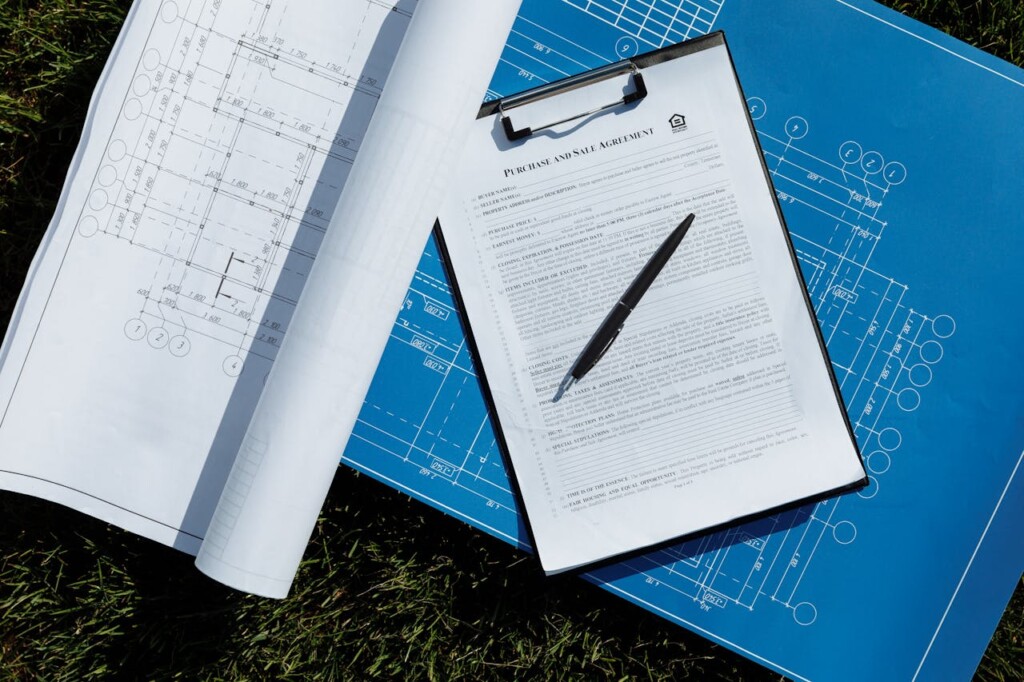
Effective insurance coordination begins immediately after emergency stabilization. We document all damage thoroughly using digital photography, moisture readings, and detailed loss reports to establish baseline conditions. This early documentation proves critical for claims processing since insurance carriers require comprehensive evidence of both initial damage and mitigation efforts.
Timing directly impacts coverage outcomes for property owners. Delayed mitigation can transform covered damage into excluded consequential losses. We coordinate directly with insurance adjusters to ensure restoration work meets carrier requirements while maintaining accurate records of all emergency actions taken to prevent further deterioration.
Permit Expediting And Municipal Coordination
Emergency permits require immediate attention to avoid construction delays that extend business interruption. We work directly with municipal authorities to expedite building permits, electrical inspections, and occupancy certificates needed for reopening. This coordination includes submitting emergency permit applications within the required timeframes while maintaining all supporting documentation.
Utility coordination ensures essential services return quickly and safely. We coordinate with gas, electric, and water utilities to restore services according to municipal inspection schedules. This systematic approach prevents delays caused by missing inspections or permit violations that could halt the restoration process.
Regulatory Compliance Standards
Licensed mold specialists on our teams maintain strict adherence to IICRC, OSHA, and EPA standards throughout all remediation work. These certifications ensure that containment, removal, and clearance testing meet regulatory requirements while protecting building occupants and workers. We coordinate with environmental consultants and industrial hygienists when projects require additional oversight or specialized testing.
Compliance documentation includes all air quality monitoring, waste disposal manifests, and clearance certifications required by regulatory agencies. This thorough record-keeping supports both insurance claims and regulatory compliance while providing property owners with verification that all work meets applicable health and safety standards.
What Safety, Environmental, And Mechanical Factors Should Teams Plan For?
Emergency construction projects demand proactive planning across multiple operational domains. We establish comprehensive protocols that address site safety training, environmental hazards, and mechanical system emergencies from project initiation through completion.
Site Safety Training And Crisis Management
We implement mandatory site safety training for all personnel working on emergency restoration projects. Our crisis management protocols include specific procedures for equipment failures, weather events, and worker injuries that could further compromise project timelines.
Teams receive detailed briefings on site-specific hazards before beginning work. Emergency evacuation routes are clearly marked and communicated during daily safety meetings to ensure rapid response if conditions deteriorate.
Project Scheduling And Quality Control
Our management team controls project scheduling through daily coordination meetings that track material deliveries, crew assignments, and milestone completion. Budget oversight includes real-time monitoring of labor hours and material costs to prevent overruns during extended emergency operations.
Progress meetings occur at regular intervals to address change orders before they impact critical path activities. Quality standards are maintained through systematic inspections at key construction phases, ensuring work meets code requirements despite accelerated timelines.
Hazardous Materials Identification And Removal
We identify and safely remove hazardous materials as part of our emergency scope. This includes asbestos-containing materials, lead-based paints, and chemical contaminants that may be exposed during damage assessment or structural repairs.
Material oversight includes proper containment, licensed disposal, and air quality monitoring to protect workers and occupants. Our teams coordinate with environmental consultants and industrial hygienists when specialized removal techniques are required.
24-Hour Mechanical System Support
We provide round-the-clock service for critical mechanical systems including HVAC, plumbing, and fire protection equipment. Emergency repairs address burst pipes, heating system failures, and compromised fire suppression systems that could prevent facility reoccupancy.
Contracted service agreements define specific response times, such as a two-hour window for critical system failures. This guaranteed response reduces business downtime and prevents secondary damage from mechanical system malfunctions during the restoration process.
Conclusion And Next Steps
An emergency commercial general contractor serves as a critical partner when unexpected building crises strike. We help businesses control loss severity, maintain regulatory compliance, and restore operations quickly. Through immediate response capabilities, comprehensive mitigation and reconstruction services, seamless insurance coordination, and ongoing mechanical support, we reduce downtime and financial impact.
Property owners should establish their business continuity plan before disaster strikes. Document potential facility risks, identify primary emergency contacts for your team, and evaluate service agreement options with defined response times. Taking these steps now creates a clear action path when seconds count and protects your investment from extended operational disruption.
Ready to protect your commercial facility? Contact EB3 Construction to discuss emergency response planning.