Dallas is experiencing strong demand for mixed-use communities that integrate living, working, and leisure within walking distance. These developments combine multifamily housing, retail shops, office spaces, hospitality venues, and public areas into cohesive village centers. The Dallas-Fort Worth region’s rapid growth has attracted Fortune 500 headquarters and young professionals who value the convenience of amenities just steps from their front door.
Successful mixed-use construction requires specialized expertise in design integration, preconstruction planning, and walkability principles. We coordinate multiple building types, each with different structural, mechanical, and code requirements, into unified developments. Transit-oriented development strategies are crucial, as these projects must connect seamlessly to Dallas’s expanding DART system and major transportation corridors to maximize long-term value and resident satisfaction.
What Hurdles Should A Dallas Mixed-Use Contractor Plan For?
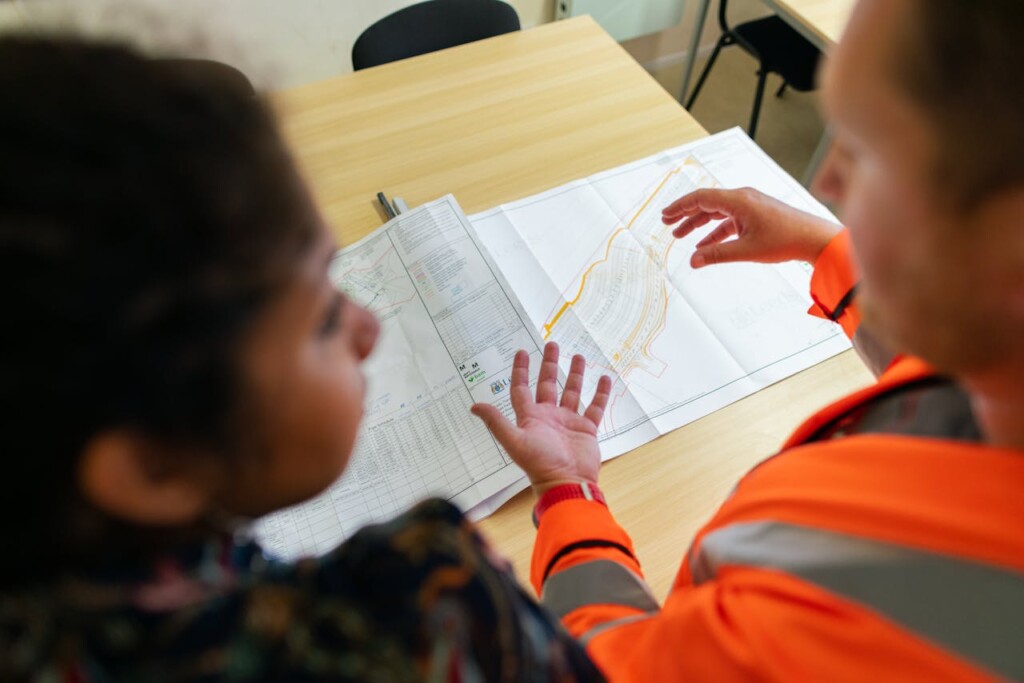
Public-private partnerships complicate financing structures in Dallas mixed-use projects. We coordinate with municipal agencies, private investors, and development partners to navigate overlapping approval processes. Each stakeholder brings different timeline expectations and approval requirements that can delay groundbreaking by months if not properly sequenced.
Regulatory compliance demands early attention in Dallas’s dense urban corridors. Zoning variances, environmental impact assessments, and transit-oriented development requirements create layers of municipal oversight. We initiate permit applications during schematic design to avoid construction delays later.
Site Logistics Require Tight Coordination
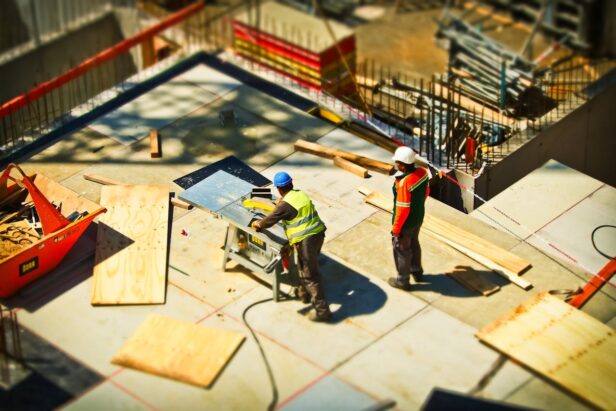
Tight urban sites require specialized infrastructure work and elevated construction techniques. We coordinate utility relocations, crane placement, and material deliveries within confined footprints. Street closures require advance permits and community notification to minimize traffic disruption during construction phases.
Elevated work adds complexity to structural systems and safety protocols. Multi-story mixed-use buildings demand coordinated mechanical, electrical, and plumbing installations across different occupancy types. We schedule these trades carefully to maintain workflow efficiency in vertical construction sequences.
Community Engagement Reduces Project Opposition
Stakeholder engagement starts in preconstruction to address neighborhood concerns early. We attend community meetings and coordinate with local business associations to explain construction impacts and mitigation measures. This proactive approach prevents costly redesigns and permit challenges later in the process.
Traffic control planning is critical in busy Dallas corridors. We develop detailed logistics plans that minimize lane closures and coordinate with city transportation departments. Construction management tools help us track delivery schedules and worker access to reduce congestion during peak hours.
Preconstruction Planning Establishes Reliable Frameworks
Strong preconstruction planning sets accurate schedules and budgets before groundbreaking. We use construction management software to coordinate subcontractor sequencing, material procurement, and inspection schedules. This systematic approach reduces change orders and keeps projects on track through complex approval processes.
Schedule and budget reliability depends on early coordination between design and construction teams. We conduct constructability reviews during design development to identify potential conflicts before they become field problems. This collaborative approach supports smoother delivery in Dallas’s competitive development environment.
How Can Design And Preconstruction Decisions Improve ROI Over Time?
Evidence-based design approaches during preconstruction create measurable financial advantages that compound over decades. When we establish design criteria based on market research and performance data, projects deliver stronger returns through higher occupancy rates, premium rents, and reduced operating expenses.
Studies show that green-certified buildings command rent premiums of 3% to 25% compared to conventional properties. LEED buildings achieve 4.1% higher occupancy rates, while Energy Star certified properties maintain 3.6% higher occupancy than non-certified buildings. These performance gaps translate directly into enhanced cash flow and asset values.
Universal Design Principles That Drive Long-Term Value
Universal design creates spaces that adapt to changing demographics and user needs without major renovations. We integrate wider corridors, accessible entries, and flexible unit layouts that accommodate aging residents and evolving family structures. This adaptability prevents obsolescence and maintains marketability across economic cycles.
Research indicates that universally designed residential units retain value better during market downturns. Properties with accessible features appeal to broader tenant pools, reducing vacancy periods and supporting stable rental income. The upfront investment in universal design is typically recovered within five years through improved occupancy and reduced turnover costs.
Material Durability And Commercial-Grade Selections
We specify commercial-grade materials that withstand heavy use while maintaining aesthetic appeal. High-performance facade systems, impact-resistant windows, and durable flooring reduce replacement frequency and minimize lifecycle costs. Quality materials also enhance fire ratings and structural resilience, which can lower insurance premiums.
Material durability directly impacts net operating income. Premium finishes that last 15 to 20 years versus budget alternatives requiring replacement every 5 to 7 years generate substantial savings. These preconstruction decisions prevent costly retrofits and maintain the property’s competitive position.
Timeless Design That Ages Gracefully
Timeless architectural approaches avoid trendy elements that quickly become dated. We focus on proportions, natural light, and quality craftsmanship that remain attractive across decades. Classic design languages paired with contemporary functionality create properties that appreciate consistently rather than requiring frequent updates to stay current.
Properties with timeless design sell for premiums of 16% over conventional buildings, according to industry data. This approach reduces capital expenditure requirements for renovations while supporting strong resale values when ownership changes occur.
Walkability And Transit-Oriented Development Benefits
Site connectivity to transit networks and pedestrian infrastructure strengthens long-term ROI through improved accessibility and reduced parking demands. We position buildings near transit stops and design pedestrian-friendly streetscapes that encourage foot traffic and support ground-floor retail activation.
Transit-oriented mixed-use properties outperform car-dependent developments in both rental rates and appreciation. Access to public transportation reduces residents’ travel costs, making higher rents more affordable and sustainable. This accessibility premium grows as transit networks expand and urban density increases.
Interior Environments That Enhance Experience
Interior environment decisions made during design affect resident satisfaction and retention rates. We prioritize natural light optimization, indoor air quality systems, and acoustic performance that create comfortable living and working spaces. These environmental factors reduce turnover and support premium pricing.
Properties with superior interior environments achieve tenant retention rates 15% to 20% higher than average. Reduced turnover translates to lower marketing costs, fewer vacancy periods, and more predictable cash flow. The investment in quality environmental systems pays dividends through operational savings and enhanced asset performance.
Ground-up vs. Renovation in Dallas: Which Path Fits Your Site?
Mixed-use development can follow two distinct paths in Dallas. Ground-up construction creates new structures on cleared sites. Renovation transforms existing buildings into mixed-use properties while preserving portions of the current infrastructure.
Each approach offers advantages that align with different site conditions and project goals. Ground-up projects provide complete design freedom and integrated infrastructure planning. Renovations leverage existing structures and established neighborhood fabric while often reducing initial capital outlay.
Ground-up Construction Advantages
Ground-up construction delivers full program control from foundation to rooftop. We can integrate mechanical, electrical, and plumbing systems throughout the structure. This approach supports efficient space allocation between residential, retail, and office components without working around existing structural limitations.
Infrastructure integration is more straightforward with ground-up development. We coordinate utility connections, parking structures, and circulation patterns as unified design elements. Site logistics operate more efficiently since construction phases follow a predictable sequence without occupancy concerns.
Permitting processes for new construction follow established review patterns in Dallas. The city’s building inspection department provides clear timelines for plan review and inspections. Dallas construction permits for new mixed-use projects typically require 20 or more business days for initial plan review, and this timeline remains consistent across similar projects.
Renovation and Expansion Benefits
Renovation projects can adapt existing buildings while respecting established street fabric and neighborhood character. This approach often requires less time for community approvals since the basic building footprint remains familiar to adjacent property owners.
Existing structures provide cost advantages when structural elements remain sound. We can focus investment on interior improvements, mechanical system upgrades, and exterior enhancements rather than complete reconstruction. This strategy works particularly well when buildings offer suitable floor plates for mixed-use conversion.
Phasing is more complex but can offer operational advantages during renovation. We can maintain partial occupancy in portions of existing buildings while completing work in other areas. This approach helps property owners maintain some revenue during the construction period.
Dallas Site Constraints
Dense urban areas in Dallas present specific challenges that influence the ground-up versus renovation decision. Tight site conditions limit construction access and material staging areas. Ground-up projects require complete site clearing and extensive excavation that can disrupt surrounding properties.
Traffic management is critical for both approaches and affects them differently. Ground-up construction generates concentrated truck traffic during foundation and framing phases. Renovation projects spread traffic impacts over longer periods but may require frequent deliveries for specialized materials and equipment.
Existing structures can provide advantages in congested areas where new construction faces height restrictions or setback requirements. Renovated buildings often benefit from grandfathered zoning allowances that permit configurations not available to new construction under current codes.
Permitting and Approval Pathways
Ground-up construction follows standard new building permit processes through the Dallas Building Inspection Department. We submit complete architectural plans, structural drawings, and utility coordination documents for comprehensive review. This path provides predictable timelines but requires extensive documentation.
Renovation projects navigate different permitting requirements depending on the scope of structural modifications. Interior improvements without structural changes often qualify for expedited review. Major renovations involving structural alterations require similar review depth as new construction.
Historic district considerations can significantly impact renovation projects in established Dallas neighborhoods. These areas may restrict exterior modifications while encouraging adaptive reuse of existing structures. Ground-up construction in historic districts faces additional design review requirements that can extend approval timelines.
The choice between ground-up construction and renovation depends on balancing site constraints, timeline requirements, and financial objectives. Ground-up projects suit sites with adequate space and clear development goals. Renovation works well for properties with sound existing structures and established neighborhood context.
Conclusion and Next Steps
Mixed-use development in Dallas is reshaping urban areas by creating connected environments where residents can live, work, and gather within walking distance. These integrated projects respond to demand for community-centered development that shortens commutes and improves daily life. This approach requires careful coordination among diverse program elements and stakeholders.
Successful mixed-use projects in Dallas rely on early planning that addresses public–private partnerships, regulatory approvals, and urban logistics. We approach preconstruction with evidence-based design principles that prioritize universal accessibility, material durability, and transit-oriented development. These choices directly affect long-term ROI while supporting walkability and community activation. Strategic engagement during preconstruction allows us to align project scope, establish realistic budgets, and develop construction schedules that accommodate tight urban site constraints.
Ready to explore mixed-use development opportunities for your Dallas property? Contact EB3 Construction to discuss how our preconstruction expertise can support your vision.