Baytown’s petrochemical corridor demands builders who understand process complexity. An industrial builder Baytown TX manages capital projects and maintenance across the complete project lifecycle.
We handle engineering, procurement, fabrication, construction, and maintenance for facilities ranging from petroleum refining to cold storage distribution centers. Our work covers everything from initial concept through start-up support and ongoing maintenance programs.
Which Core Disciplines Are Typically Self-Performed?
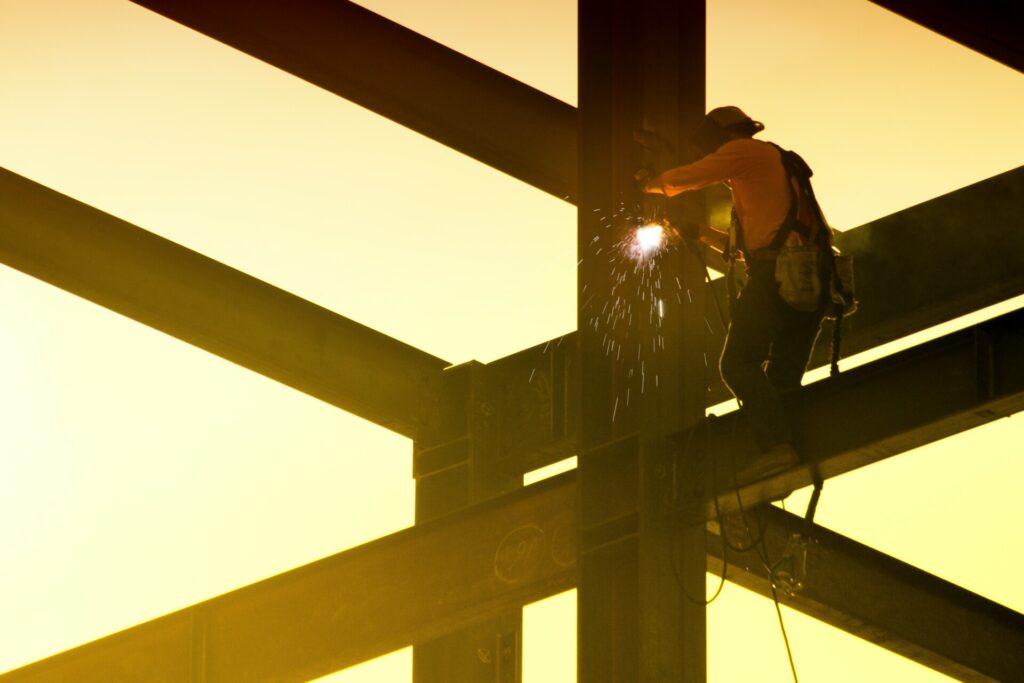
We self-perform critical construction trades that ensure quality control and schedule reliability across industrial projects. Our core capabilities include process piping, civil foundations, structural steel erection, electrical systems, and instrumentation installation. Equipment erection remains a key strength, allowing us to handle heavy industrial machinery placement with our own crews.
Process and utility piping represents a significant portion of our self-performed work. We fabricate and install complex piping systems for chemical processing, petroleum refining, and power generation facilities. This includes high-pressure steam lines, cooling water systems, and specialized process connections that require precise welding and testing protocols.
Structural steel installation covers everything from equipment foundations to multi-story process structures. Our ironworkers handle beam placement, column erection, and platform construction using certified welding procedures. Civil work encompasses concrete foundations, grade beams, and site preparation that supports the structural framework.
ASME pressure vessel fabrication sets us apart from general contractors who typically subcontract this specialized work. We maintain shop capabilities for custom vessel construction, including reactors, separators, and storage tanks. Shop-fabricated tanks up to specific dimensional limits allow for controlled manufacturing conditions and thorough quality testing before field installation.
Our electrical and instrumentation teams handle power distribution, motor controls, and process automation systems. This self-performed capability ensures seamless integration between mechanical systems and control networks. We also provide scaffolding, insulation, painting, and fireproofing services that support the primary construction activities.
Additional self-performed trades include pre-engineered metal buildings, mechanical piping beyond process systems, equipment setting, roofing, and specialized coatings. Refractory work for high-temperature applications, electric and steam heat tracing, and surface coating removal round out our comprehensive capabilities. This breadth allows us to maintain control over critical path activities while reducing coordination challenges typical of multi-contractor projects.
What Industries And Facilities Are Supported Around Baytown?
Petrochemical construction Baytown represents the largest sector we serve, driven by facilities like the ExxonMobil Baytown Complex spanning 3,400 acres along the Houston Ship Channel. This complex produces over eight billion pounds of petrochemical products annually, requiring specialized process piping, vessel fabrication, and maintenance support. The Chevron Phillips Chemical Cedar Bayou facility adds another 2,100 acres of petrochemical manufacturing capacity, producing ethylene, polyethylene, and normal alpha olefins.
Power generation facilities demand different construction approaches, particularly for cogeneration systems that produce both electricity and steam. The ExxonMobil Baytown Olefins Plant houses cogeneration facilities with approximately 550 megawatts of total capacity. These installations require careful coordination between electrical systems, process piping for steam distribution, and structural steel for turbine foundations.
Refining operations present unique challenges with their need for specialized alloys and high-temperature process equipment. The Baytown Refinery processes 588,000 barrels per day of crude oil capacity, making it the third largest refinery in the United States. We handle everything from catalyst tower installations to complex piping networks that must withstand high pressures and corrosive environments.
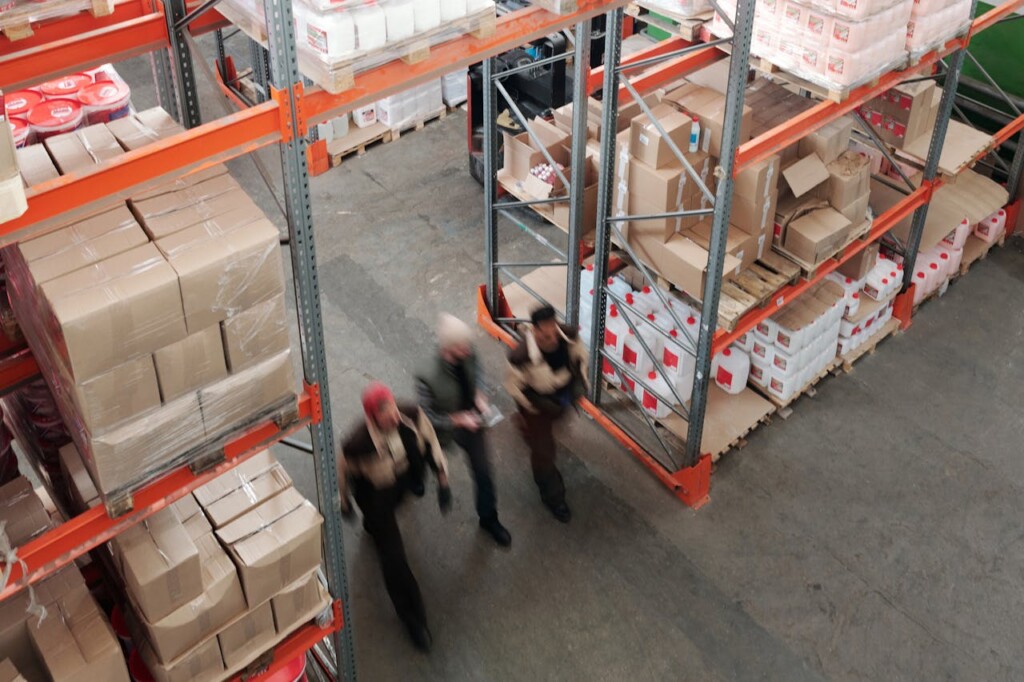
Cold storage Baytown TX facilities require specialized insulation systems and temperature control infrastructure. These warehouse projects, like the logistics facility at 7818 Fisher Rd, demand precise environmental controls and energy-efficient building envelopes. We coordinate mechanical systems, structural steel for racking systems, and specialized flooring that can handle extreme temperature variations.
Industrial warehousing facilities extend beyond cold storage to include dry distribution centers, manufacturing support buildings, and logistics hubs. The TGS Cedar Port Industrial Park spans over 15,000 acres with more than 25 million square feet of existing or planned warehouse space. These projects typically involve pre-engineered metal buildings, concrete foundations, and utility infrastructure for rail and barge access.
RNG to energy plants represent an emerging sector requiring specialized process equipment and environmental compliance systems. These renewable natural gas facilities convert landfill gas into usable energy, demanding expertise in both traditional industrial construction and emerging environmental technologies. Water and wastewater plants round out our municipal and industrial portfolio, requiring concrete work, process equipment installation, and compliance with strict environmental standards.
How Are Projects Delivered And Managed In This Market?
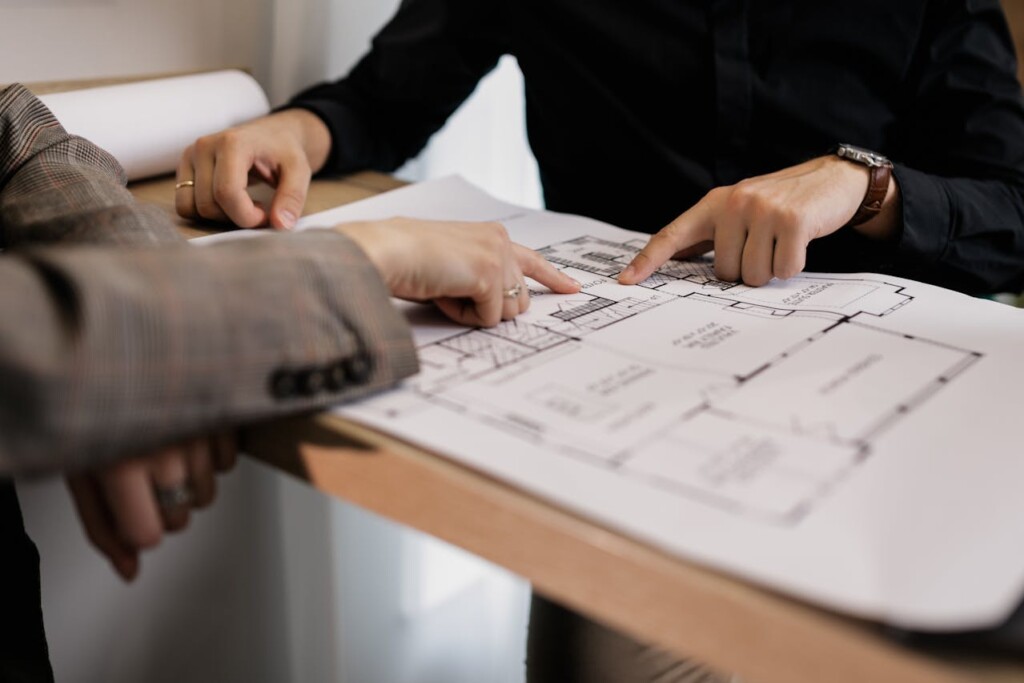
Industrial project delivery in Baytown requires a flexible approach that matches project complexity and owner preferences. We handle projects through multiple delivery pathways, each designed to balance risk, schedule constraints, and long-term operational needs.
EPFCM turnkey execution provides complete project ownership from initial scope development through final commissioning and ongoing maintenance. This comprehensive approach integrates engineering, procurement, fabrication, construction, and maintenance under a single contract, giving owners one point of accountability throughout the project lifecycle.
Design-build delivery combines design and construction phases under unified management. We coordinate with design teams during early planning to optimize constructability and cost efficiency. This method accelerates project timelines by allowing construction activities to begin while design details are being finalized.
Construction management services focus on project coordination and oversight when owners prefer to maintain separate design contracts. We provide cost control, schedule management, and field supervision while working alongside owner-selected design teams. This approach gives owners more direct control over design decisions while leveraging our construction expertise.
Planning-to-completion support adapts to projects where scope evolves during development. We engage during early design phases to provide cost optimization, resource planning, and constructability review. This front-end involvement helps identify potential issues before they impact construction schedules or budgets.
Specialized design requirements receive focused attention based on facility needs. Blast radius design addresses safety requirements for chemical processing and refining facilities. Permitting and design guidance helps navigate regulatory requirements for specialized facilities like cold storage warehouses, where temperature control and insulation specifications require specific expertise.
Start-up support ensures smooth transitions from construction completion to operational readiness. We coordinate equipment commissioning, system testing, and operator training to minimize downtime between project handover and full production capacity. This service bridges the gap between construction completion and operational efficiency.
Maintenance programs extend facility lifecycle performance through planned maintenance schedules and emergency response capabilities. These ongoing relationships help protect capital investments and maintain operational reliability over time. Regular maintenance also identifies upgrade opportunities that can improve efficiency or extend equipment life.
What Quality, Safety, And Compliance Standards Matter?
Industrial construction relies on adherence to established codes that govern material selection, fabrication methods, and testing procedures. We follow ANSI, AWS, and ASME standards to ensure pressure vessels and structural components meet industry requirements. These standards provide the framework for safe operations across petrochemical, power generation, and manufacturing facilities where equipment failure carries significant consequences.
ASME certifications form the backbone of pressure vessel compliance in industrial facilities. We maintain U stamp certification for new vessel fabrication, R stamp for repairs and alterations, and NB certification for comprehensive oversight. Texas Professional Engineer stamps validate design calculations, while Codeware Compress software ensures pressure vessel calculations meet code requirements. This combination of certifications enables us to handle both new construction and ongoing maintenance needs.
Our shop fabrication capabilities support vessels up to 20 feet in diameter with wall thicknesses reaching 2 inches. Material handling includes stainless steel, carbon steel, chrome alloys, and specialty materials required for specific chemical processes. Overhead crane capacity extends to 50 tons with 32-foot hook height, enabling efficient vessel positioning and assembly. On-site water storage supports hydrotesting requirements, ensuring vessels meet pressure specifications before installation.
Quality control extends beyond code compliance to encompass comprehensive safety programs throughout fabrication and construction phases. Hydrotesting capabilities verify vessel integrity under controlled conditions before field installation. Equipment certifications maintain compliance with regulatory requirements while supporting long-term operational reliability. These integrated safety and quality measures protect both project personnel and end-user facilities throughout the construction lifecycle.
Conclusion And Next Steps
Selecting an industrial builder Baytown TX requires a structured approach to evaluate capabilities across multiple project phases. We focus on comprehensive EPFCM delivery that addresses engineering, procurement, fabrication, construction management, and ongoing maintenance needs. This integrated approach reduces project risk while providing single-source accountability from initial planning through long-term operations.
Define your project requirements early by documenting specific industry needs, code compliance standards, and delivery preferences. Verify that your chosen contractor maintains current ASME compliance, Texas Professional Engineer stamps, and adequate shop fabrication capacity for your project scope. Special design considerations like blast radius calculations, cold storage specifications, or marine environmental factors require upfront planning and specialized expertise. Early coordination of start-up and maintenance programs helps ensure sustained facility performance beyond project completion.
Ready to discuss your industrial construction needs in the Baytown area? Contact EB3 Construction to explore how our turnkey delivery approach can support your next capital project.