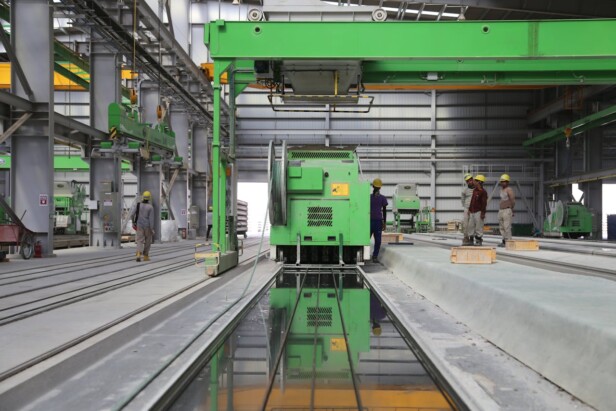
Industrial building expansion contractors specialize in adding space to manufacturing and warehouse facilities while keeping operations running. We understand that downtime costs money, which drives how we approach every expansion project.
At EB3 Construction, we provide comprehensive design-build services that handle everything from site work and utilities to structural steel, metal building systems, HVAC, plumbing, and electrical systems. The goal is delivering more space without the disruption and expense of relocating operations to accommodate growth.
When Should You Expand Instead Of Building New?
Budget constraints often drive the decision toward facility expansion vs new build. When capital funds are limited, expanding an existing manufacturing or warehouse facility typically requires lower upfront investment than developing a greenfield site. Research shows that existing facility expansions generally demand less initial capital compared to new construction, which involves land acquisition, site preparation, and comprehensive infrastructure development.
Production continuity weighs heavily in this decision. Moving operations disrupts customer relationships and can result in lost revenue during transition periods. Manufacturers with established supply chains and delivery schedules find that staying in place maintains operational stability. We often see clients choose expansion when relocating would interrupt critical production cycles or compromise existing customer commitments.
Existing infrastructure provides a foundation that new sites lack. When utilities, roads, and structural systems can support additional capacity, expansion becomes cost-effective. Buildings with adequate electrical service, water capacity, and structural integrity offer platforms for growth without the extensive site development required for new facilities.
Speed to market matters in competitive industries. Warehouse expansion and manufacturing facility additions typically move faster than new construction projects. Existing buildings often have established zoning approvals and utility connections, reducing permitting timelines. We can begin construction phases while new site projects are still navigating regulatory requirements.
Manufacturing flow optimization drives expansion decisions when current layouts can accommodate improved processes. Expanding allows companies to tailor additions to specific product flow patterns and operational needs. This targeted approach often delivers better results than relocating to a generic new building that requires extensive modifications to support specialized manufacturing processes.
Which Scopes And Systems Should Your Contractor Manage?
We coordinate multiple interconnected scopes that together create successful industrial expansions. These disciplines must work in sequence and parallel to maintain operational continuity while adding new capacity.
Site Work And Infrastructure Foundations
Site preparation begins with grading, excavation, and establishing proper drainage patterns. We coordinate utilities including water, electrical service, gas lines, and telecommunications infrastructure to support expanded operations. Stormwater systems require careful engineering to handle increased runoff from larger roofs and paved areas while meeting environmental compliance standards.
Concrete foundations, slabs, and walls form the structural base for heavy industrial equipment and storage systems. These elements must integrate with existing foundations and accommodate future loads from manufacturing processes, material handling equipment, and building systems.
Structural Systems And Building Envelope
Structural steel and metal building systems create the framework for expanded space. We manage the coordination between structural steel erection, metal building installation, and connections to existing structures. Masonry work often provides fire-rated walls, equipment separation, or architectural features that match existing facility aesthetics.
Thermal insulation systems control energy costs and maintain proper environmental conditions for manufacturing processes. The building envelope includes doors and windows, both standard man doors and large overhead doors for equipment access. These components must align with operational workflows and security requirements.
Interior Build-Out And Specialized Systems
Light-gauge framing and drywall create office areas, break rooms, and enclosed production spaces within the expanded facility. Finishes and high-performance coatings protect surfaces from industrial processes while meeting cleanability and durability standards. Custom casework and signage support operational efficiency and regulatory compliance.
Dock equipment and elevators handle material flow between different levels and loading areas. Bridge cranes and JIB cranes move heavy materials and finished products throughout the expanded space. These systems require precise coordination with structural elements and clearance requirements.
MEP Systems Integration
Fire protection systems extend coverage throughout the expansion while integrating with existing fire suppression and alarm systems. HVAC systems maintain proper temperature, humidity, and air quality for both equipment and personnel. Industrial facilities often require specialized ventilation for process exhaust or dust collection.
Plumbing systems provide water service for processes, restrooms, and emergency equipment. Electrical systems distribute power for lighting, equipment, and control systems while meeting industrial load requirements and safety standards. We coordinate these trades to avoid conflicts and ensure proper sequencing during installation.
Site Completion And Support Services
Asphalt paving creates vehicle circulation, parking areas, and loading zones that integrate with existing site traffic patterns. Landscaping provides stormwater management, aesthetic improvement, and potential screening of industrial operations from neighboring properties.
Beyond construction trades, we provide job costing throughout the project to track expenses against budget targets. Material sourcing ensures timely delivery of industrial-grade components that meet specification requirements. Our finishing work includes punch list completion, system commissioning, and final cleaning to prepare the expanded facility for immediate operation.
How Does A Design-Build Model Streamline Industrial Expansions?

Single-source delivery transforms how industrial expansion projects unfold. Design-build consolidates both design and construction responsibilities under one contractor, eliminating the traditional handoffs between separate teams that often create delays and miscommunication.
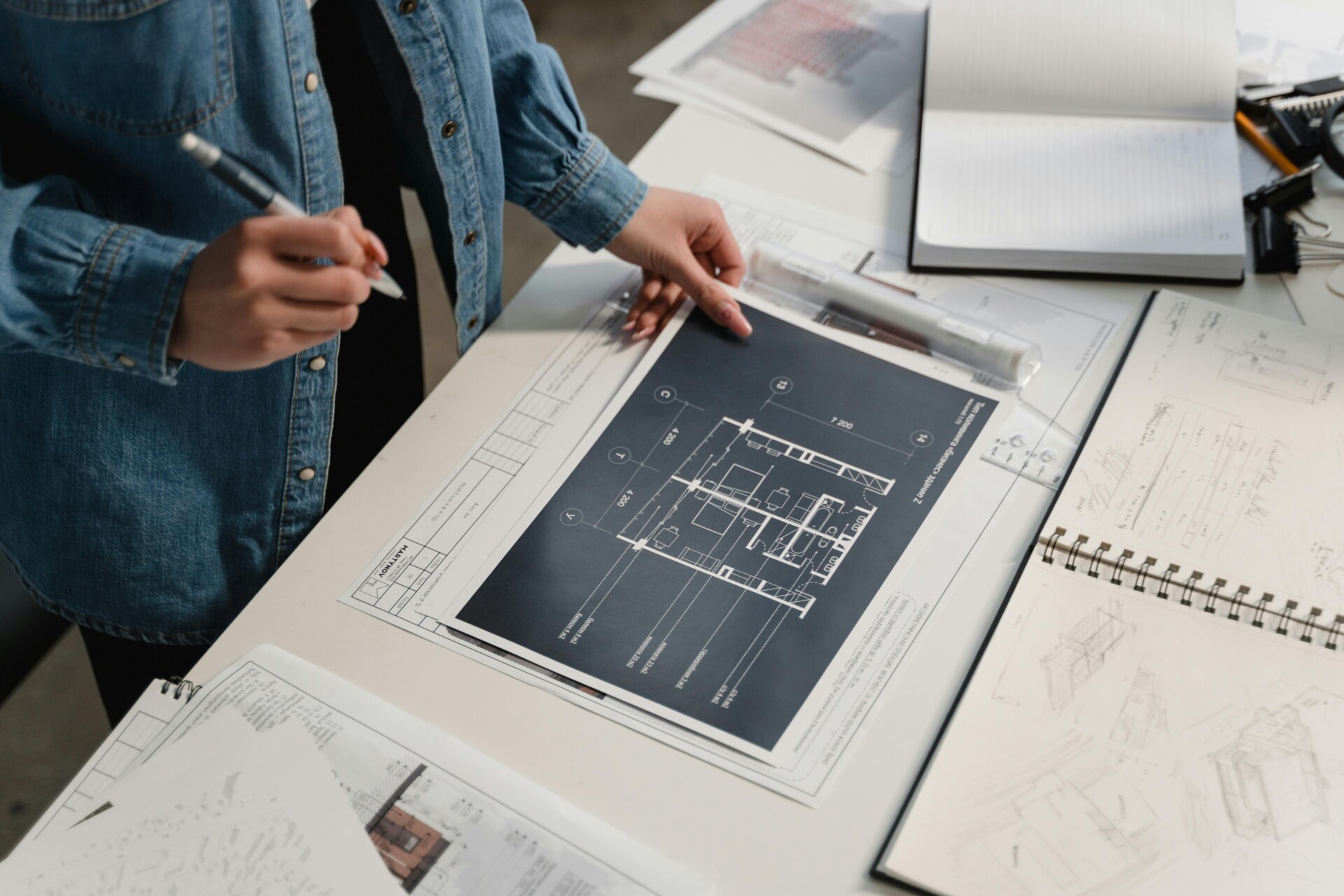
We manage the entire process from initial CAD planning through final construction. Our team develops conceptual plans with direct client input, then refines these into detailed working drawings while construction preparations proceed in parallel.
This unified approach delivers measurable benefits. Research from the Design-Build Institute of America shows projects completed 102% faster than traditional methods, with only 3.8% cost growth compared to higher overruns in conventional delivery approaches.
Collaboration Drives Better Outcomes
Collaboration between our design and construction teams starts from day one. When architects and builders work together on industrial expansions, constructability issues surface early rather than during expensive construction phases.
Our on-site project manager coordinates directly with in-house professionals and specialty subcontractors. This tight communication loop means decisions get made quickly, changes get implemented efficiently, and potential conflicts get resolved before they impact schedules.
The result is accountability that flows through a single point of contact. Property owners deal with one team throughout the project rather than managing separate contracts for design and construction services.
Streamlined Project Management For Operating Facilities
Many industrial projects must maintain operations during expansion work. We coordinate phasing to keep production lines running while new space gets added. Clear communication becomes critical when workers, equipment, and ongoing operations share the same site.
Our project management approach includes regular updates on construction progress, safety protocols for active work zones, and coordinated scheduling that minimizes disruption to existing operations. We plan material deliveries, equipment staging, and subcontractor coordination around your operational requirements.
Safe site access gets built into every phase of work. We establish separate entry points for construction traffic when possible and maintain clear pathways for ongoing business activities throughout the expansion process.
What Planning Steps Help Minimize Downtime And Risk?
Effective planning directly determines how smoothly your industrial expansion proceeds while maintaining operational continuity. We follow a systematic approach that addresses technical requirements, logistical coordination, and risk mitigation from the earliest stages.
The foundation of successful expansion planning starts with understanding exactly what you’re working with and what you need to achieve.
Conduct A Comprehensive Building Condition Assessment
We begin every expansion project with a thorough condition inspection of your existing facility. This assessment evaluates structural integrity, foundation capacity, and the ability of current systems to support additional loads. The inspection identifies potential issues that could complicate expansion work or create unexpected costs later.
Understanding your building’s current state helps us determine the most cost-effective expansion approach. Some facilities can accommodate straightforward additions, while others may require structural reinforcement or system upgrades before new construction begins.
Define Space Requirements And Operational Flow
Clear documentation of space needs and product flow requirements guides every design decision. We work with facility managers to understand current operations, growth projections, and how new space will integrate with existing workflows. This analysis prevents costly redesigns and ensures the expansion actually improves operational efficiency.
Manufacturing and warehouse operations have unique flow patterns that must remain uninterrupted during construction. Early planning identifies where temporary access routes, staging areas, and operational zones need to be maintained throughout the project.
Evaluate Site Conditions And Infrastructure Capacity
Site work and utility assessments occur early in our planning process to avoid surprises during construction. We evaluate existing utility capacity for electrical, water, sewer, and gas systems to determine if upgrades are needed to support the expansion. Stormwater management requirements are reviewed to ensure compliance with local regulations.
Soil conditions, drainage patterns, and site access points all influence construction methods and phasing strategies. This evaluation helps us recommend pre-engineered metal buildings or other prefabricated components that can accelerate delivery while working within site constraints.
Leverage Prefabricated And Pre-Engineered Components
Pre-engineered metal buildings and prefabricated industrial building components significantly reduce on-site construction time and minimize disruption to ongoing operations. These systems arrive with coordinated structural, mechanical, and electrical elements that speed installation and improve quality control.
Prefabricated components also allow for better weather protection during construction and reduce the skilled labor requirements on-site. We coordinate with manufacturers early to ensure delivery schedules align with site preparation and foundation work.
Develop Detailed CAD Plans And Lock Working Drawings
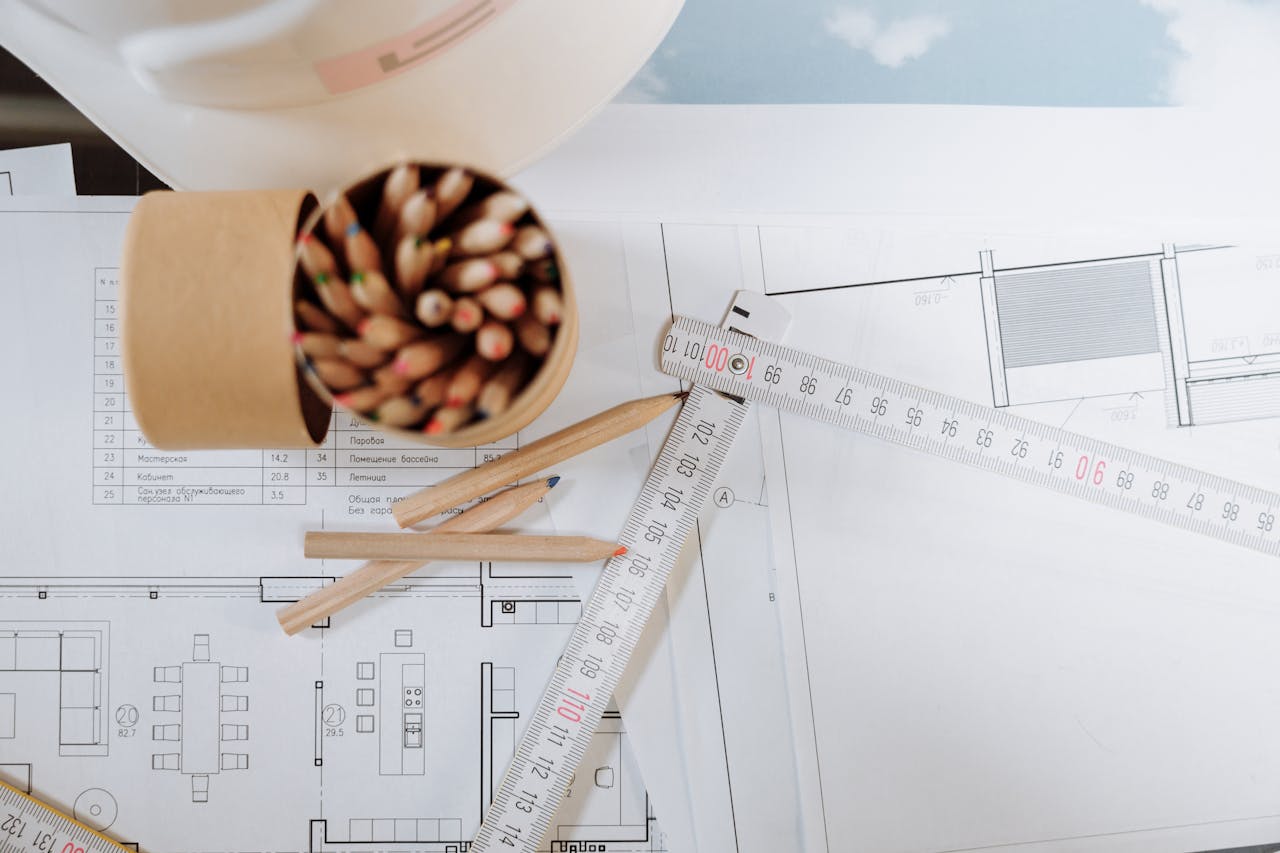
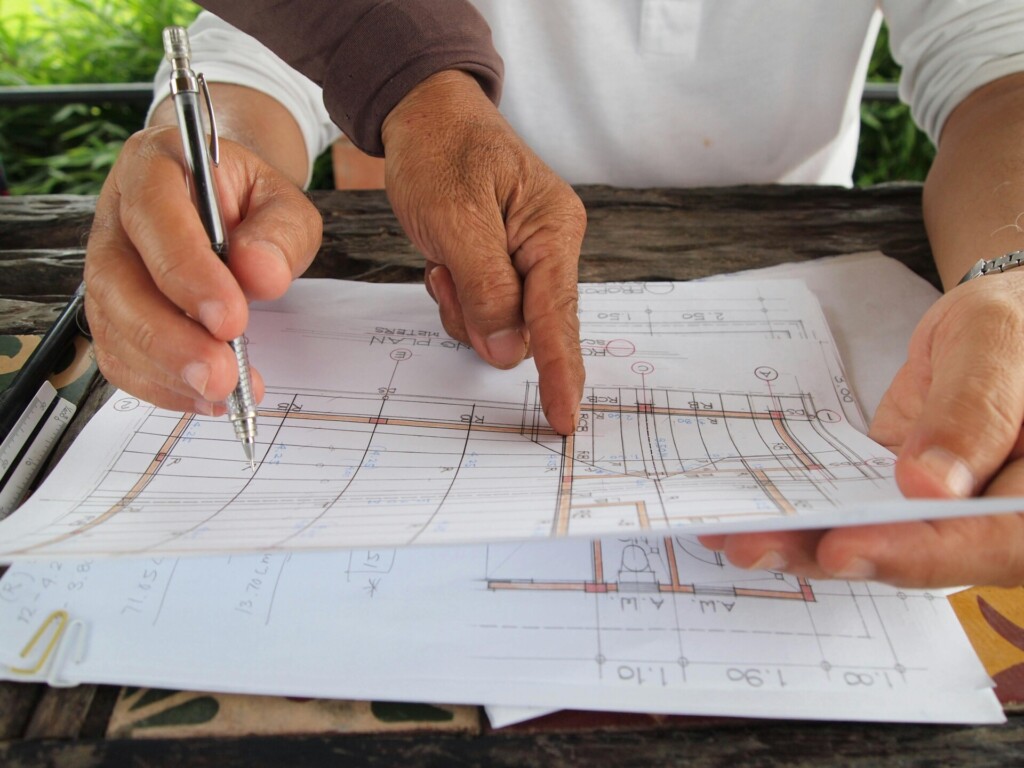
CAD planning allows us to iterate design concepts quickly while coordinating with all building systems. We develop conceptual plans that show how the expansion integrates with existing operations, then refine these into working drawings that guide construction. Once plans are finalized and approved, we lock working drawings to prevent costly mid-construction changes.
Detailed drawings also support accurate job costing and material sourcing, ensuring project budgets remain predictable throughout construction.
Plan Strategic Phasing For Operational Continuity
Phasing strategies keep critical operations running while construction proceeds around them. We develop staging plans that maintain safe access to existing facilities and minimize disruption to production schedules. This includes coordinating crane operations, material deliveries, and construction activities during off-peak hours when possible.
Temporary barriers, dust control measures, and noise mitigation are planned in advance to protect ongoing operations. We also coordinate with facility managers to schedule any necessary operational shutdowns during the least disruptive times.
Confirm System Integrations And Infrastructure Connections
Industrial expansions require seamless integration with existing building systems. We confirm how new HVAC, plumbing, and electrical systems will connect to existing infrastructure without disrupting current operations. Fire protection systems must be coordinated to maintain coverage throughout construction.
Bridge cranes, dock equipment, and other specialized industrial systems require precise coordination during design and installation. We work with equipment suppliers early to ensure proper structural support and electrical connections are included in construction plans.
Material handling equipment and overhead crane systems need particular attention during expansion planning, as these often span between existing and new construction areas.
Align Interior Systems With Industrial Requirements
Interior finishes, doors, and coatings must meet the specific requirements of industrial use while integrating with existing facility standards. We specify materials that can withstand the operational environment while maintaining cost-effectiveness. High-performance coatings and specialized flooring systems are selected based on the intended use of each space.
When appropriate, we explore LEED considerations and other sustainability targets that can provide long-term operational benefits. Energy-efficient lighting, insulation systems, and HVAC controls can reduce operating costs while meeting environmental goals.
Conclusion and Next Steps
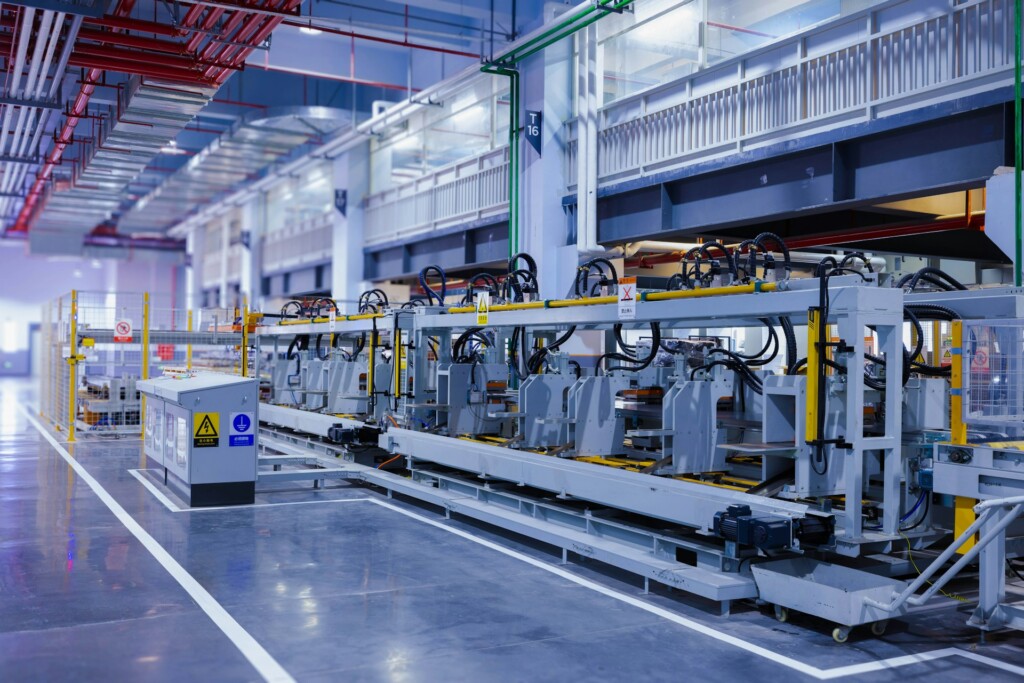
Expanding an industrial facility offers a strategic path to increase capacity while maintaining cost control and avoiding the disruption of relocation. When existing infrastructure can support additional space and operational continuity remains essential, expansion becomes a practical solution that delivers results faster than new construction.
The design-build approach we implement creates a unified process where planning, engineering, and construction work together from day one. This integration reduces communication gaps, accelerates decision-making, and helps control costs through coordinated material sourcing and phasing strategies. Early condition assessments and site reviews identify opportunities and constraints before they impact schedules, while prefabricated components and careful operational phasing keep production running during construction.
Ready to explore expansion for your facility? Start by documenting your capacity goals and growth projections, then gather any existing building drawings and site plans. Schedule a building condition inspection to assess structural capacity and systems integration potential.
Contact EB3 Construction to discuss design-build delivery, prefabricated building options, and operational phasing strategies tailored to your industrial expansion needs.