
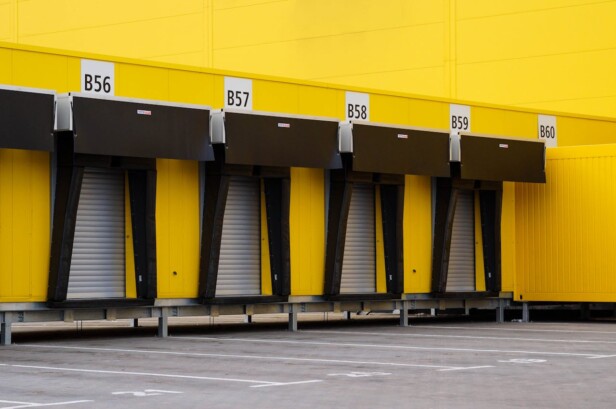
Retailers typically see 25-30% of their supply chain costs tied up in inventory carrying expenses. We build cross-dock facilities that eliminate most of this waste by moving goods directly from inbound to outbound trucks with minimal storage time.
These specialized buildings feature dock doors on opposite sides to create straight-line flow between receiving and shipping areas. Our designs prioritize staging zones and minimal product touches to support hub-and-spoke networks, consolidation operations, and deconsolidation processes that cut costs while enabling same-day and next-day delivery requirements for durable goods, high-value items, perishables, and direct-to-consumer operations.
Which Cross-Docking Models Shape The Building Program?

Operating models drive every design decision we make in cross-dock facilities. Each model creates distinct space requirements, traffic patterns, and infrastructure needs that shape how we plan the building program.
Continuous Cross-Docking
Continuous cross-docking pushes goods straight through the facility with minimal dwell time. Products arrive on inbound trucks and transfer directly to outbound vehicles within hours, sometimes minutes. This model requires precise dock door alignment and clear sight lines between receiving and shipping areas.
We design these facilities with streamlined flow paths and minimal staging zones. The emphasis is on speed rather than storage capacity, which affects everything from floor planning to material handling systems.
Consolidation Operations
Consolidation cross-docking combines multiple inbound shipments into full outbound loads. Small LTL deliveries from various suppliers merge into consolidated truckload shipments for distribution. This model demands efficient staging areas and short-term holding capacity to accumulate freight until full loads form.
The building program must accommodate temporary storage zones and flexible sorting areas. We plan for expanded staging capacity compared to continuous models, with designated areas for grouping shipments by destination or customer.
Deconsolidation Processing
Deconsolidation breaks down large inbound loads into smaller store or route orders. Full truckloads arrive and split into multiple smaller shipments for final delivery. This model requires sophisticated sorting capabilities and multiple staging zones for different order sizes.
Facility design emphasizes flexible sorting areas and numerous outbound doors to handle various shipment sizes. We incorporate more extensive staging zones to manage the breakdown process efficiently.
Pre-Distribution Versus Post-Distribution
Pre-distribution operations know destinations before goods arrive at the facility. Products come pre-labeled and sorted, requiring minimal processing time and staging space. This model allows for smaller staging areas and faster throughput.
Post-distribution determines destinations after arrival, using real-time demand data and order information. This approach requires larger staging capacity and sophisticated sorting systems to handle the decision-making process within the facility.
Freight Mode Considerations
Truckload and LTL shipments create different infrastructure requirements for dock doors, yard space, and material handling equipment. Rail connections add complexity but offer cost advantages when timing permits longer dwell times.
We coordinate with logistics teams to understand typical freight modes and plan appropriate dock configurations. Rail-served facilities require specialized track access and extended staging areas to accommodate longer transit times between rail schedules.
How Should A Cross-Dock Be Sized, Laid Out, And Located?
Cross-dock facilities typically range from 40,000 to 100,000 square feet and focus on throughput rather than storage capacity. The key lies in maximizing flow efficiency while minimizing product handling time.
Facility Size And Throughput Focus
We design cross-dock buildings around velocity, not volume. A 40,000-square-foot facility can handle significant daily throughput when configured properly with adequate staging areas and clear traffic patterns. Larger operations may require up to 100,000 square feet, but the emphasis remains on quick product movement rather than storage capacity.
The building footprint calculation starts with daily pallet counts and dock door requirements. We typically allocate 1.5 to 2 times the largest expected trailer unload for inbound staging areas. This ensures adequate space for peak operations without creating bottlenecks during normal flow periods.
Layout Configurations For Optimal Flow
The I-shaped layout forms the foundation for most cross-dock operations. Inbound doors line one side of the building while outbound doors occupy the opposite side. This configuration minimizes travel distance and creates clear sight lines across the facility.
For larger operations handling 150 to 200 doors, we recommend T-shaped configurations that expand the central sorting area. The perpendicular section provides additional staging space while keeping distant doors closer to the central flow. X-shaped layouts work best for facilities exceeding 200 doors, as they create multiple flow paths and reduce congestion in high-volume operations.
Opposite-facing door placement eliminates the need for goods to travel around corners or through congested areas. This direct path approach reduces handling time and improves accuracy by maintaining clear product flow from receiving to shipping.
Staging Areas And Dock Management
Effective staging zones require disciplined layout planning and capacity management. We design receiving staging areas to accommodate short-term holding for consolidation operations while maintaining clear pathways for continuous flow products.
Dock door placement follows specific operational requirements rather than simply maximizing door count. Strategic placement of dock doors on one wall or at 90 degrees to each other significantly improves goods flow compared to doors placed directly opposite each other.
Yard management infrastructure includes adequate truck circulation space, trailer parking areas, and clear traffic flow patterns. We plan for vehicle restraint systems, dock lights, and proper yard markings to support rapid trailer turnover and minimize dwell time.
Campus Integration And Facility Location
Many clients add cross-dock buildings to existing distribution center campuses rather than building standalone facilities. This approach avoids operational disruption during construction and provides labor flexibility between facilities.
Campus configuration allows for shared resources such as maintenance, security, and management systems while keeping cross-dock operations separate from traditional storage functions. The proximity enables quick transfers between facilities when needed while maintaining distinct operational flows.
Site selection prioritizes proximity to major transportation routes and logistics hubs. For omnichannel operations, location within 100 miles of end consumers becomes critical to achieve next-day and same-day delivery commitments. The last-mile connection often determines the overall success of cross-dock operations.
We also plan for direct-to-consumer pickup scenarios where cars and vans collect packages for home delivery. This requires separate staging areas and vehicle access points designed for smaller vehicles rather than commercial trucks.
What Processes, Equipment, And Technology Enable Speed And Accuracy?

Material handling equipment forms the backbone of effective cross-dock operations. We design for two-touch handling or pure cross-docking scenarios where products move directly from inbound trailers to outbound staging with minimal intervention. This approach requires equipment capable of rapid product movement without complex storage protocols. Systems must accommodate both palletized loads and loose cartons while maintaining throughput targets during peak volume periods.
RF scanning and tracking technology provides the real-time visibility essential for cross-dock accuracy. We implement scanning protocols at three critical checkpoints: receiving verification when products arrive, staging confirmation as goods await outbound loading, and shipping validation before departure. These scans create an electronic trail that captures product information, quantities, and timing data. This RF scanning approach eliminates manual counting errors and provides immediate alerts when discrepancies occur between expected and actual shipments.
Warehouse Management System Integration
WMS integration transforms scattered data points into coordinated workflows. The system generates automated task assignments based on inbound trailer schedules and outbound departure requirements. Load verification occurs through digital matching of scan data against advance ship notices and customer orders. Performance monitoring tracks key metrics including dwell time, error rates, and throughput per door to identify bottlenecks before they impact delivery schedules.
Audit trails within the WMS create permanent records of product movement and decision points throughout the cross-dock process. These digital records support quality investigations and provide documentation for customer inquiries about shipment timing or product handling. The system maintains detailed logs of who handled specific products, when transfers occurred, and which verification steps were completed.
Scheduling And Yard Management Protocols
Disciplined scheduling prevents the chaos that can derail cross-dock operations. We establish appointment windows for inbound deliveries that align with outbound departure schedules to minimize storage time. Trailer placement follows predetermined patterns that position high-volume shipments closest to their designated outbound doors. Yard management coordinates the movement of empty trailers, loaded equipment, and delivery vehicles to maintain clear traffic patterns.
Effective scheduling requires coordination between transportation partners, internal teams, and technology systems. The process includes buffer time for unexpected delays while maintaining tight enough windows to preserve the speed advantages of cross-docking. We monitor actual versus scheduled performance to refine timing protocols and identify recurring issues that affect flow efficiency.
Team Training And Volume Management
Cross-dock teams require specialized training to handle both consolidation and deconsolidation workflows efficiently. Consolidation training focuses on combining multiple inbound shipments into full truckload quantities while maintaining accurate documentation. Deconsolidation instruction covers breaking down large shipments into smaller customer-specific orders without mixing products or losing track of individual items.
Volume flexibility training prepares teams to scale operations during demand surges without compromising accuracy or safety standards. This includes protocols for adjusting staffing levels, modifying break schedules, and implementing temporary workflow changes. Teams learn to recognize early indicators of capacity constraints and respond with predetermined solutions rather than improvised approaches that can introduce errors into the operation.
What Benefits And Risks Should Builders And Operators Plan For?
Cost And Operational Benefits
Cross-docking delivers immediate transportation savings through LTL-to-TL consolidation, reducing per-unit shipping costs while improving service levels. The model cuts inventory carrying costs by minimizing storage requirements and accelerating product velocity through the facility. Labor efficiency improves significantly with fewer product touches, reducing handling time per unit and streamlining the flow from inbound to outbound operations.
Final-mile delivery costs drop when cross-docks locate closer to end customers, particularly for direct-to-consumer operations. Product damage decreases with minimal handling, protecting high-value goods and reducing claims. The reduced storage footprint lowers facility costs while maintaining throughput capacity, allowing operators to handle more volume in less space.
Demand And Capacity Risks
Unpredictable demand creates the greatest operational risk in cross-docking operations. Without storage buffers, volume swings can overwhelm staging capacity or leave expensive facilities underutilized. We address this through flexible staging design and overflow protocols that maintain service levels during peak periods.
Industrial real estate constraints limit site options near transportation hubs and population centers. Early site selection becomes critical, requiring collaboration with developers to secure prime locations before competitors. Capacity planning must account for both daily throughput and seasonal demand spikes without sacrificing efficiency.
Labor And Technology Challenges
Labor shortages affect cross-dock operations more severely than traditional warehouses due to specialized skills requirements. Workers need training in consolidation, deconsolidation, and time-sensitive workflows that differ from standard warehousing. We plan facilities with clear workflow patterns and adequate break areas to support recruitment and retention.
Technology and planning requirements demand precise scheduling and real-time tracking systems. Demand-driven supply chains rely on exact coordination between inbound arrivals and outbound departures. System failures or communication gaps can cascade through the network, making reliable technology infrastructure essential.
Transportation And Infrastructure Dependencies
Reliable transportation programs become critical without inventory buffers to absorb delays. Cross-dock operators must develop strong carrier partnerships and backup plans for service disruptions. Dwell time management requires disciplined trailer scheduling and yard coordination to prevent bottlenecks.
For direct-to-consumer operations, facility features must accommodate home delivery pickup by cars and vans alongside traditional truck traffic. This means planning separate access routes, smaller loading areas, and staging zones designed for final-mile vehicles rather than commercial trucks.
Conclusion And Next Steps

A successful cross-dock starts with understanding your operation inside and out. We align facility specifications with transportation patterns, labor capabilities, and technology requirements to create buildings that prioritize flow over storage. The foundation comes from defining product profiles, delivery frequencies, and staging needs before breaking ground.
The critical design pillars work together as an integrated system. Layout planning positions dock doors and staging areas to minimize dwell time and product touches. Site selection balances proximity to transportation hubs with access to end customers, particularly for last-mile operations requiring under 100-mile delivery zones. Technology integration through RF scanning and warehouse management systems provides the real-time visibility needed to coordinate inbound and outbound flows without buffer inventory.
Ready to translate your cross-docking requirements into a facility that delivers results? Contact EB3 Construction to discuss your project specifications.