Local recycling ordinances require precise documentation before we break ground on construction and demolition recycling facilities. California jurisdictions now mandate 65% to 75% diversion rates, depending on location, with some areas implementing refundable deposits that can reach $50,000.
We build these facilities knowing that tracking systems like Green Halo or EPIC-LA will govern project compliance from permit approval through final inspection. The scope covers waste processing operations, material sorting infrastructure, and administrative workflows that meet both state CALGreen requirements and local construction and demolition debris ordinances.
Which Codes And Local Ordinances Shape Recycling Center Projects?
Construction and demolition recycling projects operate under a framework of state and local regulations that vary significantly by jurisdiction. We build facilities knowing these codes determine everything from diversion targets to deposit structures.
Pasadena’s C&D Requirements
Pasadena enforces some of the most stringent diversion requirements in Southern California. Covered projects must achieve at least 75% waste diversion through recycling, salvage, or deconstruction methods. This rate exceeds the state CALGreen minimum and reflects the city’s commitment to waste reduction.
The city operates a refundable deposit system tied directly to compliance performance. Building permits require the greater of $1,000 or 3% of project valuation, while demolition permits use the greater of $1,000 or $1 per square foot. Both deposit types cap at $30,000, creating meaningful financial incentive without overwhelming smaller projects.
Universal waste handling becomes mandatory for commercial construction projects and tenant improvements exceeding 1,000 square feet under CALGreen Section 301.3. We coordinate proper disposal of mercury thermostats, batteries, CFL bulbs, and fluorescent tubes through documented processes that satisfy city requirements.
Los Angeles County’s Evolving Standards
Los Angeles County currently enforces the 2016 CALGreen 65% diversion standard for mixed construction and demolition debris. However, significant updates took effect August 19, 2024, that reshape project compliance.
The updated ordinance increases mixed C&D recycling requirements from 65% to 70%, bringing county standards closer to neighboring jurisdictions. Soil debris now requires 100% recycling rates, moving away from previous allowances for landfill disposal. The county also permits soil delivery to IDEFO facilities, expanding disposal options while maintaining diversion goals.
Third-party certification of facility recycling rates creates new verification requirements. Facilities must demonstrate their actual diversion performance through independent auditing rather than self-reporting. This change ensures more accurate compliance calculations and supports legitimate recycling operations.
The county introduced refundable deposits similar to Pasadena’s system. Deposits connect directly to Final Compliance Report approval, creating financial accountability throughout the project lifecycle. Contractors who fail to submit required documentation within 45 days of project completion face penalties up to $50,000.
CALGreen Statewide Standards
California’s Green Building Standards Code provides the baseline framework that local jurisdictions expand upon. The 2016 CALGreen revision established the current 65% minimum diversion rate and introduced universal waste accountability requirements. Local ordinances typically exceed these minimums while maintaining alignment with state environmental goals.
CALGreen Section 301.3 specifically addresses universal waste management for commercial projects. We ensure proper handling and documentation of these materials as distinct from standard C&D streams, preventing contamination of recycling processes and meeting hazardous material regulations.
How Do Contractors Plan Waste Tracking And Facility Selection?
We manage waste tracking through jurisdiction-specific online platforms that handle every step from initial planning to final compliance. These systems integrate hauling method selection, facility coordination, and documentation requirements into a streamlined workflow.
Pasadena Green Halo System Setup
Green Halo activation begins after permit filing when contractors receive a registration email from the system. We enter complete project information including estimated material quantities and select our preferred hauling method from the available options.
The Authorized Facilities List guides facility selection based on project needs and material types. Green Halo provides access to authorized haulers, recycling facilities, and donation facilities, plus calculation tools for weight estimates.
Project approval submission becomes mandatory before permit issuance. This approval step ensures all planning elements align with local requirements and facility capabilities.
Los Angeles County EPIC-LA Process
EPIC-LA requires submission of a comprehensive Recycle Reuse Plan that details project scope, timeline, and facility selections. The approval sheet specifies minimum tonnage expectations for recycling at each selected facility.
We coordinate with the Environmental Programs Division when project changes occur. Scope modifications, date adjustments, or hauler and facility changes require RRP amendments through the EPIC-LA system before project completion.
Weight ticket management spans the entire project duration. All tickets must reach the system within 45 days of the estimated project end date to avoid penalties up to $50,000.
Documentation And Weight Ticket Management
Weight tickets serve as primary documentation throughout both tracking systems. We upload tickets directly to Green Halo during construction phases and maintain complete records for EPIC-LA Final Compliance Report submission.
Green Halo streamlines the upload process through mobile access, allowing real-time ticket submission from job sites. The system tracks progress against approved plans and provides compliance status updates.
Final submission requirements differ by jurisdiction. Pasadena requires “Submit For Final” selection in Green Halo for Compliance Report review, while Los Angeles County mandates Final Compliance Report submission through EPIC-LA.
Facility Verification And LEED Benefits
Third-party certified facilities support compliance documentation and LEED project requirements. We prioritize facilities with verified recycling rates to strengthen diversion reporting and meet certification standards.
RCI-certified facilities provide additional value for projects pursuing LEED credits. These certifications validate facility operations and recycling rate claims, supporting Materials and Resources credit documentation.
Facility selection impacts both compliance outcomes and project sustainability goals. We balance proximity, capacity, and certification status when coordinating with approved facilities from each jurisdiction’s authorized list.
What Materials and Processes Are Typical in C&D Recycling Operations?
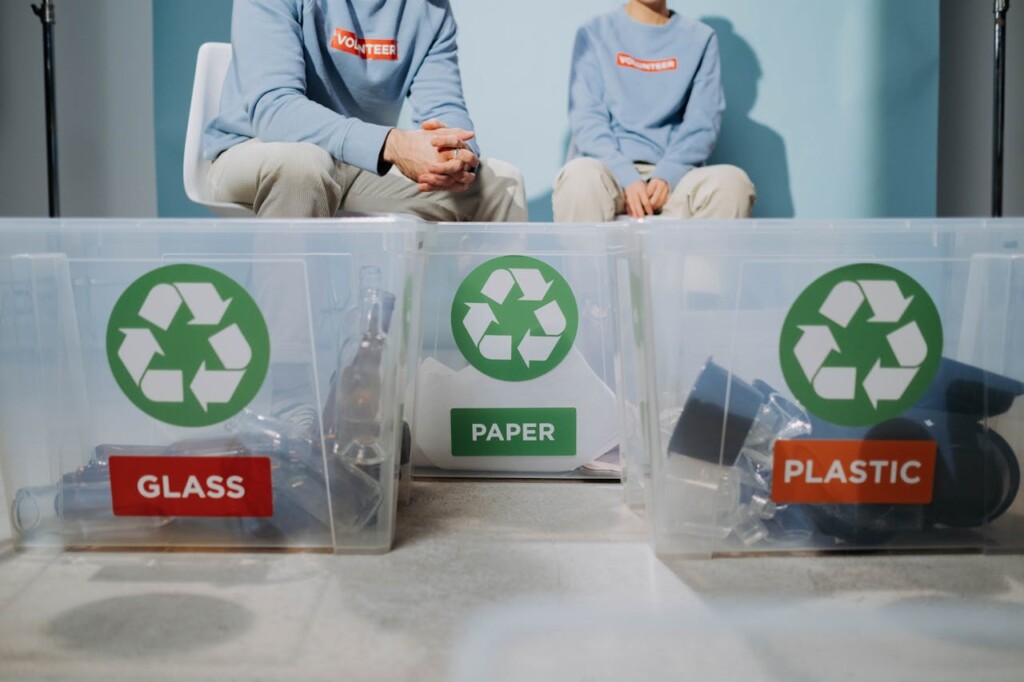
Recycling facilities that process construction and demolition materials operate through standardized workflows designed to maximize material separation and recovery rates. Understanding these processes helps contractors coordinate deliveries and ensure compliance with facility requirements.
Material Handling and Sorting Operations
C&D recycling operations begin with weighing incoming trucks to establish accurate tonnage records for compliance documentation. Mixed loads are unloaded at a tipping pad, where materials are deposited into commingled piles for systematic sorting.
Workers and equipment operators separate materials using hydraulic excavators and manual picking lines. Steel reinforcing bar, carpeting, large wood pieces, and concrete chunks require initial separation before materials move to conveyor belt sorting systems for detailed recovery.
Wood Processing and End Uses
Wood waste represents approximately 30% of typical C&D recycling streams and offers multiple recovery pathways. Clean wood is mulched onsite or prepared for sale as landscaping mulch, providing immediate value for the facility.
Wood with low moisture content becomes boiler fuel for biomass energy production. Some facilities process dimensional lumber into engineered wood products, while wood chips serve as compost feedstock or soil amendment materials.
Quality control measures ensure painted wood and treated lumber with potential contaminants are handled separately to prevent environmental hazards during processing.
Concrete and Masonry Recycling
Concrete and brick materials undergo crushing operations to produce recycled aggregate products. Embedded metals are extracted using magnetic separation before crushing begins, ensuring clean aggregate output.
Crushed concrete becomes road base material, building pad foundation, or new concrete aggregate. The recycled material typically meets DOT specifications for road construction projects when properly processed and screened.
Some facilities produce multiple aggregate sizes by screening crushed materials through different mesh sizes, creating products for various construction applications.
Metal Recovery Operations
Ferrous metals are extracted using electromagnetic systems positioned over sorting lines, while non-ferrous metals like aluminum and copper require manual separation by trained workers. These materials consistently achieve the highest diversion rates due to strong commodity markets.
Metal recovery operations include cleaning and preparation for transport to metal recyclers. Copper wiring, aluminum siding, and steel framing components are sorted by type to maximize market value.
Specialized Material Streams
Asphalt shingles undergo grinding and sizing operations before shipment to hot mix asphalt plants. The processed shingles become paving material, cold patch for pothole repairs, or road cover applications.
Cardboard and plastic materials are baled for transport to third-party recycling facilities. Cardboard becomes new packaging materials or paperboard, while plastics are processed into bottles, bags, or other consumer products.
Carpet requires trailer loading for transport to specialized carpet recycling facilities that can separate fiber materials from backing compounds. Gypsum from drywall is processed into soil amendment or new wallboard manufacturing feedstock.
How Should Contractors Document Compliance And Avoid Delays Or Penalties?
Weight tickets form the foundation of every compliance documentation strategy. These receipts prove debris moved to authorized facilities and validate diversion calculations during final reviews. We maintain comprehensive ticket collections throughout project duration, understanding that missing documentation can derail approvals and trigger substantial financial penalties.
Pasadena Documentation Requirements
Pasadena projects require meticulous Green Halo management to secure deposit refunds. We upload all weight tickets directly into the system and track submission dates to maintain compliance visibility. The city requires complete documentation before processing any refund requests.
Upon project completion, we submit a formal Request for Refund through the city portal to initiate deposit recovery. Projects failing initial compliance reviews receive 14 days to submit additional documentation. We use this grace period strategically, gathering any supplemental weight tickets or facility certifications that strengthen our compliance position.
Los Angeles County Critical Deadlines
Los Angeles County operates under stricter timeline enforcement with significant financial consequences. We submit all weight tickets within 45 days of the estimated project end date, treating this deadline as non-negotiable. Missing this window can trigger penalties reaching $50,000, making deadline management a project priority.
The Final Compliance Report serves as our comprehensive submission package, combining weight tickets with supporting documentation like facility certifications and project photos. County approval of this report directly gates final building inspection scheduling and Certificate of Occupancy issuance. We coordinate FCR submission timing with inspection schedules to prevent delays in project closeout.
Managing Project Changes
Scope modifications, timeline adjustments, or facility changes require immediate application amendments. We file EPIC-LA RRP amendments before final submission to maintain compliance integrity. These amendments capture shifts in hauler selection, processing facility changes, or material quantity variations that affect original approval parameters.
Facility verification remains ongoing throughout construction phases. We confirm recycling rate certifications and third-party validations, particularly for facilities claiming high diversion percentages. Universal waste management follows CALGreen Section 301.3 requirements, with proper documentation retained for mercury thermostats, batteries, and fluorescent materials processed separately from standard C&D streams.
Conclusion And Next Steps
We approach recycling center construction by coordinating compliance requirements from the ground up. Local C&D ordinances drive material handling designs, structural layouts, and operational workflows. Green Halo tracking systems in jurisdictions like Contra Costa County and EPIC-LA reporting in Los Angeles County shape our project timelines and documentation protocols.
Our construction process centers on verified facilities and third-party certification requirements. We coordinate with certified C&D processing facilities to ensure diversion targets align with building operations. Weight ticket systems get integrated into daily workflows, and we structure final report submissions to meet jurisdiction deadlines. Universal waste handling areas and IDEFO soil management capabilities become part of our facility design when projects require these specialized processing streams. When LEED documentation supports project goals, we coordinate with RCI-certified facilities during the design phase.
Contact EB3 Construction to discuss how we integrate C&D compliance requirements into your recycling center project.