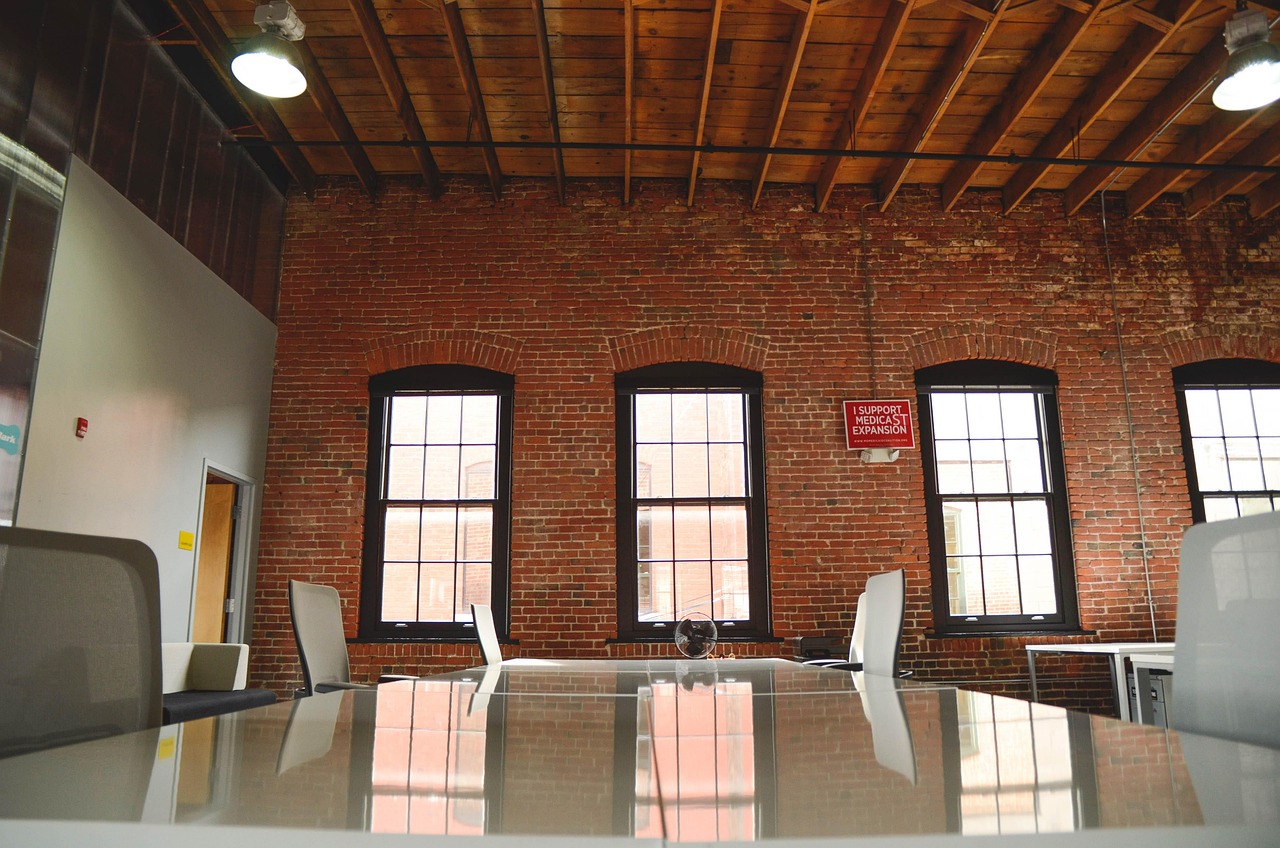
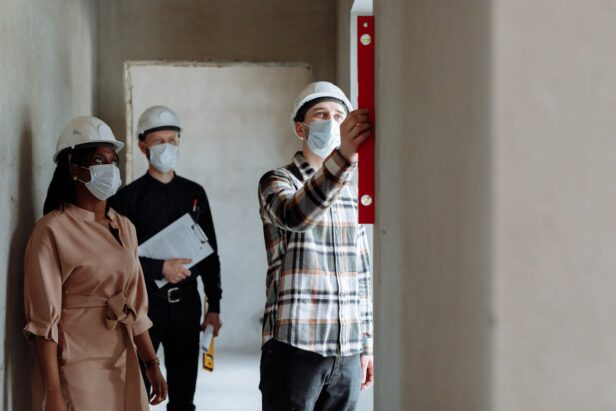
Retail landlords rely on white box finish contractors to transform raw commercial space into a clean, functional shell ready for tenant improvements. These specialized contractors handle the essential groundwork that transforms an unfinished space into what retailers call a blank canvas.
A retail white box finish contractor delivers code-compliant infrastructure including HVAC systems, basic electrical wiring, ADA restrooms, windows and doors, and concrete subfloor. We coordinate permits and inspections while installing fundamental building systems that meet local regulations.
What Does A Retail White Box Include And What Is Left To The Tenant?

The scope of a retail white box delivery creates clear boundaries between landlord responsibilities and tenant improvements. We coordinate these base building elements to establish a foundation that meets code requirements while providing flexibility for retail customization.
What We Include In A White Box Delivery
The exterior shell forms the structural backbone with complete exterior walls, a finished roof system, and rear wall construction. This weatherproof envelope protects the interior space and provides the framework for all subsequent improvements.
Interior basics include sheetrock demising walls that separate tenant spaces, properly installed windows and doors, and concrete slab flooring or appropriate subfloor systems. These elements create defined spaces while maintaining accessibility between areas.
We install one or two ADA-compliant restrooms depending on occupancy requirements, complete with necessary plumbing fixtures and a drinking fountain as mandated by local codes. These facilities meet accessibility standards and eliminate a major tenant responsibility during build-out.
Standard electrical wiring runs throughout the space with basic lighting systems that provide adequate illumination for construction activities and code compliance. We coordinate electrical rough-in to support future tenant upgrades without requiring extensive rewiring.
The HVAC system installation includes ductwork, basic controls, and equipment sized for the space. We ensure proper air distribution and temperature control while leaving room for tenant-specific adjustments during their fit-out process.
Basic plumbing fixtures beyond restroom requirements include connections for janitor sinks and any code-required water access points. Fire protection systems with sprinkler coverage meet current safety codes and inspection requirements.
Accessibility elements such as elevators or staircase systems comply with ADA requirements. We secure all building permits and required licenses, eliminating regulatory hurdles for incoming tenants.
Tenant Responsibilities After White Box Completion
Interior wall finishing remains entirely with the tenant, including paint application, wallcoverings, and any decorative treatments that align with brand standards. This approach allows retailers complete control over their visual identity.
Additional plumbing fixtures beyond basic code requirements fall under tenant scope, as do upgraded electrical fixtures and specialized lighting systems. Tenants handle these upgrades based on operational needs and design preferences.
Telephone, cable, and data wiring installations require tenant coordination with service providers. We provide conduit pathways during construction, but final connections happen during tenant improvements to match specific technology requirements.
Security systems design and installation align with individual tenant operations. Retailers determine access control, surveillance, and alarm systems based on merchandise protection and operational security needs.
HVAC specifications may require adjustment for tenant equipment or specialized environmental controls. While base systems handle general comfort, retailers often need modifications for specific operational requirements.
All tenant equipment, furniture, fixtures, and custom improvements remain outside white box scope. These elements define the retail experience and require tenant investment during the fit-out phase.
Why Do Landlords And Retailers Choose White Box Finishes?
White box finishes deliver strategic advantages that align with operational goals for both property owners and retail tenants. We observe landlords choosing this approach to accelerate lease-up timelines while providing retailers with maximum control over their brand presentation.
The primary benefit lies in customization flexibility. Retailers start with a blank canvas to align their layout and finishes with their brand identity and operational requirements. This approach eliminates the constraints of inherited designs from previous tenants, allowing full creative control over customer flow, display areas, and brand expression.
Budget control represents another significant advantage. Core building systems are already in place, which reduces prep costs substantially before tenant improvements begin. Research indicates a 20 to 30 percent cost difference compared to spaces without white box finishes. This reduction stems from having essential infrastructure like HVAC, basic electrical, and plumbing already installed and code-compliant.
Faster move-in timelines create competitive advantages in retail markets. Ready-to-build conditions can shorten the timeline to opening significantly because tenants avoid the extended coordination required for core system installations. The fit-out process becomes more predictable when basic infrastructure is confirmed and operational.
Quality assessment becomes more straightforward with exposed basics. Construction defects are easier to spot before build-out begins, reducing the risk of discovering issues mid-project. This transparency allows retailers to address potential problems early rather than encountering costly surprises during tenant improvement work.
Waste reduction benefits both landlords and tenants. Fewer removals of prior tenant work means cleaner project starts and reduced disposal costs. The absence of conflicting systems or finishes streamlines the tenant improvement allowance process and reduces construction timeline delays.
Broad market appeal strengthens lease-up potential for property owners. Flexible white box spaces attract a wider range of retail tenants because the neutral shell accommodates various retail operations without requiring extensive demolition or system modifications. This versatility enhances the property’s marketability across different retail sectors.
How Should Landlords And Tenants Plan A Retail White Box Build-Out And Lease?

Successful white box projects require coordinated planning between property owners and tenants from the start. We approach each project by establishing clear scope definitions and ensuring all parties understand their responsibilities before construction begins.
Tenant Improvement Allowance Structure
When we negotiate tenant improvement allowances, we focus on essential building systems rather than business-specific elements. The TIA typically covers structural modifications, basic mechanical systems, and code compliance work. However, it excludes furniture, fixtures, and equipment, along with paint, wallpaper, and specialized business upgrades that serve the tenant’s brand rather than the building itself.
Funding arrangements vary by project scope and tenant creditworthiness. We coordinate with landlords who may provide progress payments tied to construction milestones, or structure lump sum disbursements upon project completion. The payment schedule gets finalized during lease negotiations and documented in the construction agreement.
Strategic Lease Negotiations
We guide clients through lease negotiations that align the TIA amount with the lease term length and the value of improvements that remain with the building. Longer lease terms often justify higher allowances since landlords retain the improvements for extended periods. The lease agreement must detail specific allowances, construction specifications, and which party handles permits and approvals.
Smart negotiation considers the tenant’s operational timeline and the landlord’s leasing objectives. We help structure agreements where both parties benefit from clearly defined scope of work and realistic completion schedules.
Legal Agreement Finalization
The lease agreement requires completion before build-out work begins to avoid costly disputes over scope and responsibilities. We recommend legal consultation for both parties, particularly when dealing with complex retail spaces or high-value tenant improvements. Clear documentation prevents misunderstandings about what the white box includes versus what falls under tenant responsibility.
The agreement should specify construction standards, change order procedures, and inspection protocols. This clarity protects both landlords from unauthorized tenant modifications and tenants from unexpected costs during the build-out phase.
Contractor Selection And Permitting
We coordinate with architects and experienced contractors who understand retail white box requirements and local building codes. The contractor should demonstrate expertise in similar projects and maintain relationships with local permitting authorities to expedite approvals. All construction permits must be secured before work begins, whether for basic improvements or more extensive modifications.
Code-compliant design requires careful attention to accessibility requirements, fire protection systems, and mechanical system integration. We ensure contractors provide detailed plans that meet inspection standards and support the tenant’s future build-out needs.
Cost Control And Communication
We require itemized estimates that break down labor, materials, and permit costs for complete project transparency. Any scope changes get documented immediately with written change orders that specify cost impacts and schedule adjustments. Early communication about potential modifications prevents budget overruns and keeps projects on schedule.
Regular progress meetings between landlords, tenants, and contractors maintain project momentum and address issues before they become costly problems. This collaborative approach ensures the white box delivery meets everyone’s expectations and timeline requirements.
What Should You Budget—And How Does A White Box Compare To Gray Or Warm Shells?
When we price white box work, cost structure follows predictable patterns across major building systems and finishes. HVAC systems with supply and return air plus controls typically range from $5 to $10 per square foot, though complete HVAC unit replacement for retail spaces averages $5,000 to $8,000 per unit. We coordinate these mechanical installations to ensure proper sizing and distribution for retail operations.
Drywall installation covers a broad range from $5 to $10 per square foot depending on partition complexity and finish requirements. Drop ceiling systems with tiles average around $4 per square foot for standard installations. Lighting and electrical switch work runs approximately $4 per square foot, covering basic illumination and power distribution that meets code requirements.
Restroom construction represents a significant line item at $5,000 to $10,000 per restroom, incorporating all fixtures, finishes, and ADA compliance elements. Flooring installation averages $4 per square foot for standard commercial-grade materials. Architectural services typically cost around $3 per square foot, while MEP services average $1.50 per square foot for engineering and design coordination.
Project management fees generally run 4 to 5 percent of total construction costs. ADA inspection costs exceed $50,000 for comprehensive accessibility review on larger projects. Permit fees vary significantly, with demolition permits around $250 and full building permits reaching $1,500. Complete warm white or vanilla shell build-out typically costs $20 to $50 per square foot, depending on finish levels and specific tenant requirements.
Understanding shell condition differences helps property owners and tenants align expectations with budget realities. White box spaces deliver the most complete base condition with HVAC systems, plumbing rough-in, basic lighting, standard electrical wiring, finished ceilings, and painted walls ready for tenant finishes. Warm gray box conditions include HVAC, electrical, and plumbing systems but provide only minimal lighting and fire alarm protection without complete finishes.
Gray or cold gray box spaces offer unfinished walls and floors with no permanent HVAC systems and minimal building systems in place. Cold dark shell conditions provide the most basic structural envelope with no ceilings, HVAC ductwork, plumbing, electrical systems, or sprinkler protection. Each shell type requires different tenant improvement investments, with cold dark shells demanding the most extensive work to reach operational status.
| White Box | $5 – $20 per square foot | Included: Finished exterior walls, ceilings, flooring, lighting, HVAC systems, basic plumbing, electrical systems. |
| Grey Shell | $30 – $100+ per square foot | Included: Unfinished walls and floors, may include basic features like HVAC without controls or ductwork. |
Disclaimer: Pricing figures are based on publicly available market data and are intended for general estimation purposes as of November 2025. They do not represent a formal quote from EB3 Construction. Actual costs will vary by project scope, location, labor rates, and material prices.
We use these cost benchmarks during initial project scoping to establish realistic budgets before detailed design work begins. Market conditions, local labor rates, and specific project requirements create variations within these ranges, but these figures provide reliable planning guidance for retail white box projects.
Conclusion And Next Steps
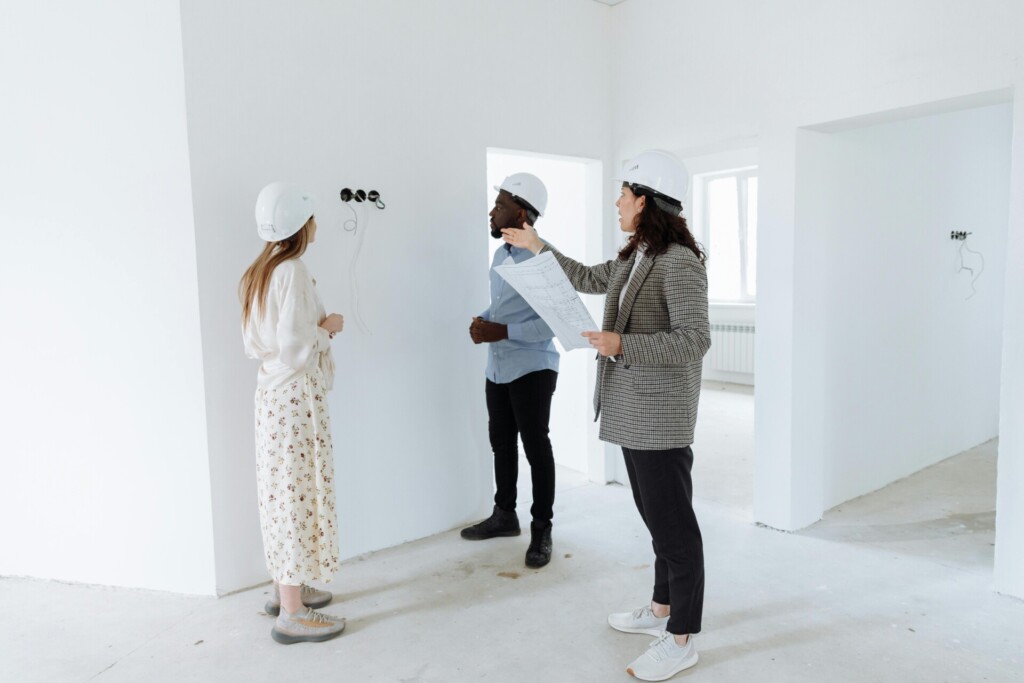
A retail white box finish establishes the foundation that property owners and tenants need for successful retail development. We deliver code-compliant base systems that create a ready-to-build environment, allowing retailers to focus their resources on brand differentiation rather than fundamental infrastructure.
Clear scope definition prevents costly surprises during tenant improvements. When TIA amounts, lease responsibilities, and construction specifications align from the start, projects move through permitting and fit-out scheduling with greater efficiency. Working with experienced contractors who understand retail code compliance ensures that base building systems support the tenant’s operational timeline and reduce delays that impact opening schedules.
Ready to plan your retail white box project with confidence? Contact EB3 Construction to discuss how we can deliver code-compliant base systems that support your tenant improvement goals.