
Heavy equipment dealers operate complex businesses that blend sales floors with outdoor displays, service bays with parts warehouses, and financing offices with rental operations. A tractor dealership construction contractor specializes in designing and building facilities that support this unique mix of equipment sales, rentals, parts, service, and financing.
Modern dealerships handle everything from compact track loaders and skid steers to excavators, dozers, and motor graders. These facilities must accommodate new and used equipment inventories, rental fleets requiring regular inspections, service departments with trained technicians, and parts counters that stock OEM components and attachments. Many also feature outdoor demonstration areas and equipment displays that showcase equipment to potential buyers across applications in agriculture, construction, and industrial work.
Which Dealership Operations Should Drive The Building Program?
We structure dealership facilities around six core operations that generate revenue and serve customers daily. Each operation requires specific space allocations, workflow patterns, and infrastructure to function efficiently.
Sales and Inventory Management
The sales floor accommodates new and used equipment across multiple categories. We plan display areas for tractors, utility vehicles, mowers, and construction equipment such as excavators and loaders. Hay and farm implements require dedicated zones due to their seasonal demand patterns.
Used equipment inventory needs flexible storage because trade-ins arrive unpredictably. We design inventory zones that can adapt to varying equipment sizes and types. The sales operation also benefits from outdoor display areas, where customers can examine larger machines and attachments in natural settings.
Rental Program Infrastructure
Rental operations support both short-term projects and longer-term equipment needs. We allocate space for rental fleet staging, where equipment awaits deployment or return. Inspection bays handle the critical process between rentals, ensuring each machine meets safety and performance standards.
Lease-to-own programs require administrative space for contract processing and customer consultations. The rental department coordinates closely with service technicians to maintain fleet readiness and minimize customer downtime.
Parts Counter and Storage Systems
The parts counter serves as the customer interface for OEM parts and aftermarket components. We position this area for easy customer access while maintaining security for high-value inventory. Behind the counter, organized storage systems accommodate everything from small hydraulic fittings to large engine components.
Attachment display areas showcase buckets, forks, and specialized implements that generate significant profit margins. Fast-moving parts require accessible storage, while seasonal items can occupy higher shelves or secondary areas.
Service Department Layout
Service bays support preventive maintenance, inspections, lubrication services, and major repairs. We size bays to accommodate the largest equipment the dealership services, with overhead cranes or lifting systems for heavy components. Each bay needs compressed air, hydraulic test equipment, and electrical connections.
Trained technicians require workspace for diagnostics and repair documentation. Tool storage and parts staging areas keep frequently needed components within reach. The service workflow connects directly to the parts department for efficient component retrieval.
Customer Support and Technology Services
Modern dealerships provide equipment technology services, including GPS calibration, telematics setup, and software updates. We create dedicated spaces for these technical services, equipped with computer workstations and diagnostic equipment.
Quick-response capabilities minimize customer downtime during critical seasons. These include emergency service dispatch areas and mobile service vehicle staging. Customer lounge areas provide comfortable spaces during service visits.
Financing and Administrative Functions
On-site financing requires private offices for credit applications and loan discussions. We plan spaces that accommodate online finance applications, seasonal promotional campaigns, and partnership programs with equipment manufacturers.
Financing options such as 0% APR promotions and deferred payment programs require administrative support. Credit processing areas need secure document storage and direct communication links to lending partners. Customer-facing spaces should convey professionalism and trust during financial discussions.
How Should Site Planning And Yard Design Support Heavy And Compact Equipment?
Site planning for tractor dealerships requires a coordinated approach that balances the needs of heavy equipment, compact equipment, and customer demonstration activities. We design equipment yards that accommodate the full range of equipment while maintaining efficient circulation patterns and secure storage.
Designing Circulation Paths for Mixed Equipment
Equipment yards must handle everything from compact skid steers to articulated dump trucks and motor graders. We establish wide, reinforced circulation paths that accommodate the turning radii of large machinery while maintaining clear sight lines for safety. These paths typically require asphalt or concrete surfaces capable of supporting heavy loads without rutting or cracking under repeated use.
The key lies in creating a logical traffic flow that separates heavy equipment movement from customer areas. We designate primary circulation routes for large machinery such as dozers and motor graders, with secondary paths for compact equipment and customer access. This separation prevents bottlenecks during busy periods when multiple machines need to move at once.
Turning areas and maneuvering zones require careful sizing. Articulated dump trucks and trailers need substantial space for backing and positioning, while compact loaders turn within tighter radii. We plan these zones around the largest equipment the dealership expects to handle, ensuring adequate clearance for safe operation.
Outdoor Display and Demonstration Areas
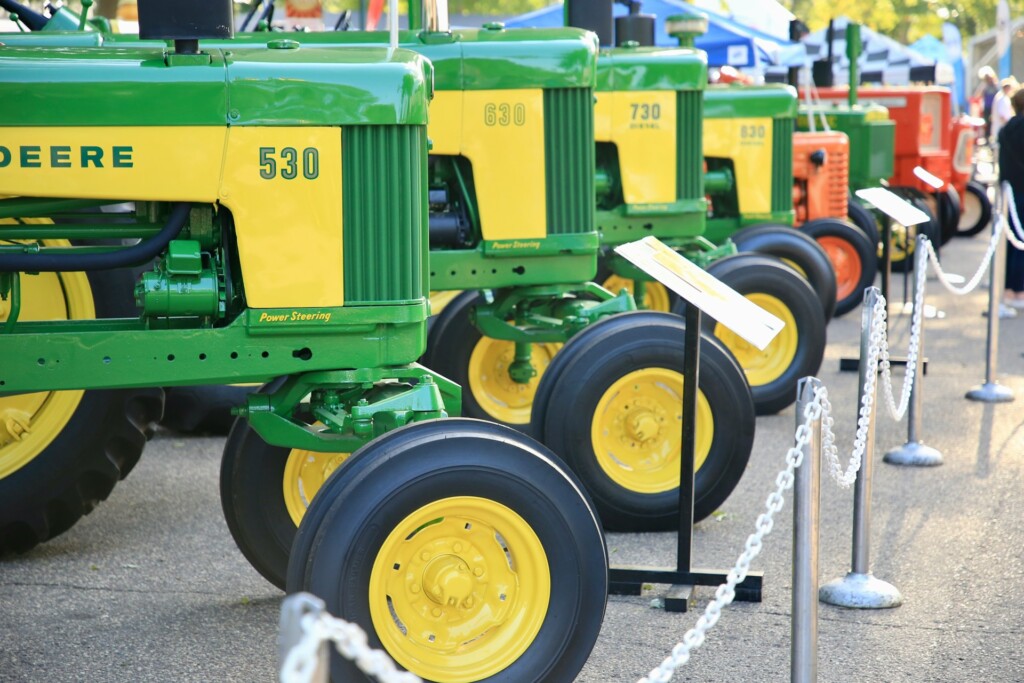
Display areas serve dual purposes: showcasing available inventory and providing space for customer demonstrations. We organize outdoor equipment displays in rows that allow customers to walk around machines while keeping clear access for equipment movement. These display zones typically feature concrete pads or stabilized surfaces that prevent equipment from sinking during wet conditions.
Demo areas require open space for customers to operate equipment under realistic conditions. We design these areas with varied terrain when possible, allowing different machine capabilities to be demonstrated. The demo space connects directly to the display area through dedicated circulation paths, streamlining movement between storage, display, and demonstration functions.
Weather protection is important for sensitive equipment displays. We incorporate covered display areas or design layouts that allow for temporary shelter installation during inclement weather.
Secure Storage Zones for Equipment and Attachments
Used equipment and high-value attachments require secure storage separate from general display areas. We create fenced compounds within the larger yard layout, often positioned near service areas for easy access during inspection and maintenance activities. These secure zones feature controlled access points and adequate lighting for after-hours security.
Attachment storage presents unique challenges due to the variety of sizes and weights involved. We design dedicated storage areas with concrete pads and organized spacing that accommodate everything from small hydraulic thumbs to large forestry mulchers. Clear identification systems help staff locate specific attachments quickly when customers need them.
The storage layout considers frequency of use, placing commonly requested attachments near circulation paths while positioning specialized forestry equipment or roadbuilding attachments in designated zones that reflect their typical usage patterns.
Flexible Space for Diverse Applications
Dealerships serve multiple industries, from aggregates and roadbuilding to landscaping and waste handling. We design yards with flexible zones that can be reconfigured as inventory mixes change with market demands. This flexibility is essential when dealerships expand into new application areas or adjust their equipment focus based on regional construction activity.
Utility placement supports this flexibility with strategically located electrical service points and water access that can serve different yard configurations. We avoid permanent structures that limit future layout modifications, instead designing with movable elements that can adapt to changing equipment types and customer needs.
The yard layout accommodates seasonal variations in equipment types. Agricultural dealerships may need more space for hay and farm implements during peak seasons, while construction-focused dealers require additional room for roadbuilding equipment during infrastructure development periods.
What Building Features Help Reduce Downtime For Contractor Customers?
When contractors face equipment breakdowns, every minute of downtime translates to lost productivity and revenue. We design dealership facilities with specific features that minimize service delays and keep customer fleets operational. These building elements create efficient workflows that reduce repair times and ensure parts availability when contractors need them most.
Efficient Service Flow Systems
Service bay design directly impacts repair turnaround times. We plan service areas with adequate overhead clearance for large equipment and position hydraulic lifts to handle everything from compact loaders to articulated dump trucks. Wide drive-through bays allow technicians to move equipment efficiently without bottlenecks.
Proper ventilation systems remove exhaust fumes and maintain comfortable working conditions for technicians. We integrate compressed air lines, electrical outlets, and hydraulic fluid dispensing stations throughout the service area. These features enable technicians to perform preventive maintenance, inspections, and lubrication without delays caused by inadequate infrastructure.
Service scheduling areas connect directly to customer waiting spaces. This proximity allows service advisors to provide real-time updates and maintain clear communication about repair progress and completion estimates.
Strategic Parts Storage and Distribution
OEM parts availability can make or break service delivery timelines. We design parts departments with high-density storage systems that maximize inventory capacity while maintaining quick access to common components. Automated inventory tracking systems help parts managers monitor stock levels and trigger reorders before shortages occur.
Loading dock placement supports rapid replenishment. When overnight sourcing is required, receiving areas accommodate express freight deliveries without disrupting ongoing service operations. Climate-controlled storage protects sensitive electronic components and hydraulic seals from temperature fluctuations.
Parts counters integrate with digital catalog systems that help technicians locate specific components quickly. We position these counters with clear sight lines to the service bays so parts staff can respond immediately to urgent requests during repairs.
Rental Fleet Readiness Infrastructure
Rental operations require rapid equipment turnaround between customer loans. We design inspection bays specifically for rental fleet processing, where technicians can quickly assess equipment condition and perform necessary maintenance. These areas include wash stations that remove job site debris before detailed inspections begin.
Dedicated rental storage areas keep ready-to-rent equipment separated from customer-owned machines awaiting service. Clear sight lines from the rental office to equipment storage help staff monitor inventory levels and equipment availability in real time.
Fuel stations positioned near rental storage areas enable quick equipment preparation. We integrate DEF dispensing systems and basic fluid top-off capabilities that reduce preparation time when customers arrive for equipment pickup.
Connected Support and Monitoring Capabilities
Modern dealerships leverage technology to minimize downtime through proactive monitoring. We design facilities with robust internet infrastructure to support connected support systems that monitor equipment health remotely.
Technical support areas include videoconferencing capabilities that enable remote diagnostics with manufacturer experts. These systems help technicians troubleshoot complex issues without waiting for factory representatives to travel to the dealership.
Customer support offices accommodate service plan administration and extended warranty processing. We position these spaces near service reception areas so customers can easily discuss protection programs while their equipment receives attention.
Fleet monitoring stations allow dealership staff to track customer equipment performance and schedule preventive maintenance based on actual usage data. This proactive approach prevents unexpected failures that would otherwise create emergency service situations.
Warranty and Rebuild Program Support
Warranty claim processing requires dedicated documentation areas with secure storage for warranty parts and components. We design these spaces with proper lighting and workspace for detailed photography and inspection procedures that manufacturers require for claim validation.
Rebuild programs need specialized work areas with heavy-duty hoists and component cleaning stations. These facilities support complete equipment overhauls that extend machine life and provide cost-effective alternatives to new equipment purchases.
Component storage areas accommodate rebuilt engines, transmissions, and hydraulic systems. Proper organization and inventory tracking ensure rebuilt components remain available when customers need them, reducing downtime compared to ordering new replacement parts.
Conclusion and Next Steps
Building a tractor dealership requires understanding how equipment sales, service, and support work together. We coordinate these functions through strategic facility design that accommodates equipment ranging from compact loaders to articulated dump trucks. The facility program must support new and used equipment sales, rentals with defined inspection workflows, comprehensive parts storage, and service bays equipped for preventive maintenance and repairs.
Equipment yard design is foundational to operational success. We design circulation paths that handle heavy equipment movement while providing secure storage for used inventory and attachments. Outdoor display areas must be flexible for demos and seasonal equipment shows while maintaining clear sight lines for security. The facility must adapt to a wide range of applications, from construction and roadbuilding to forestry and waste-handling operations.
Ready to develop your tractor dealership facility program? Contact EB3 Construction to align your building design with operational needs and phase construction for rapid deployment.