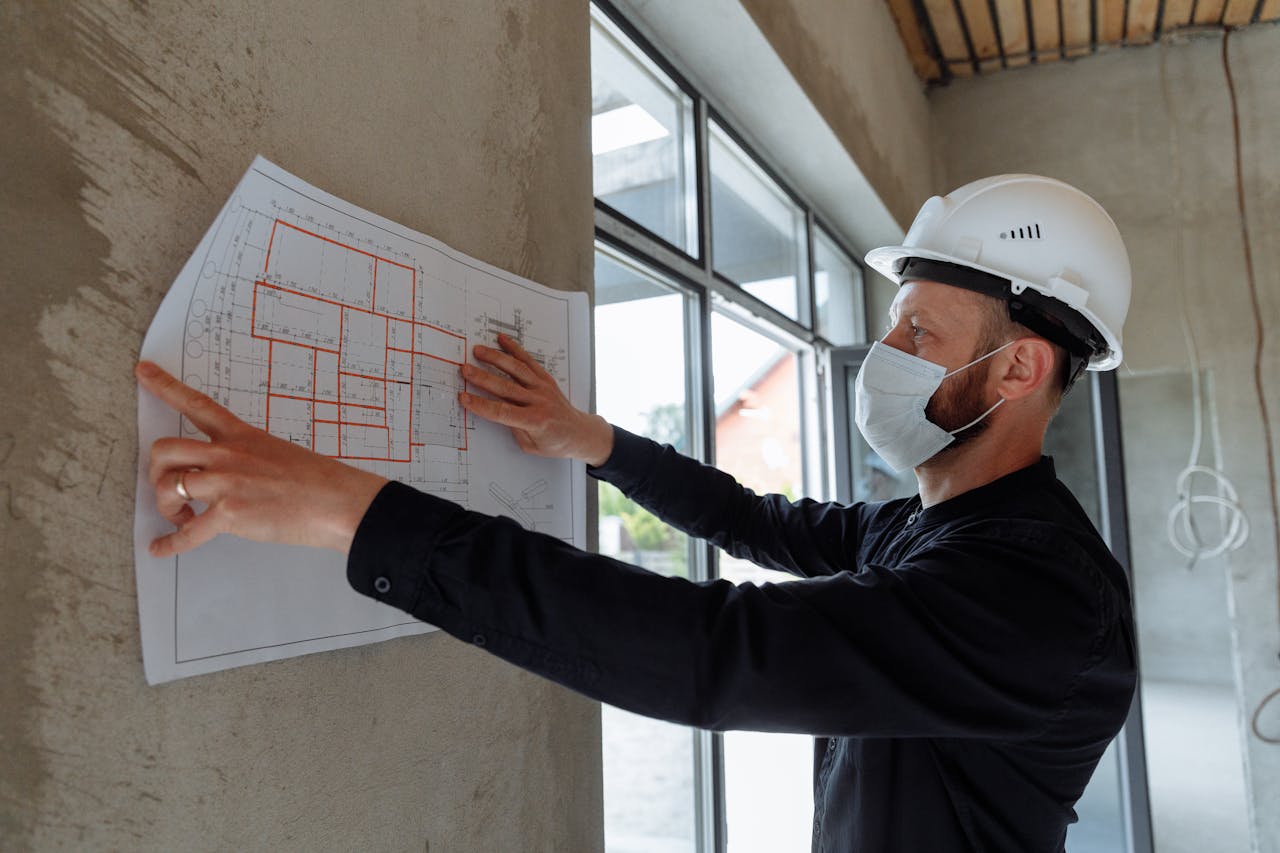
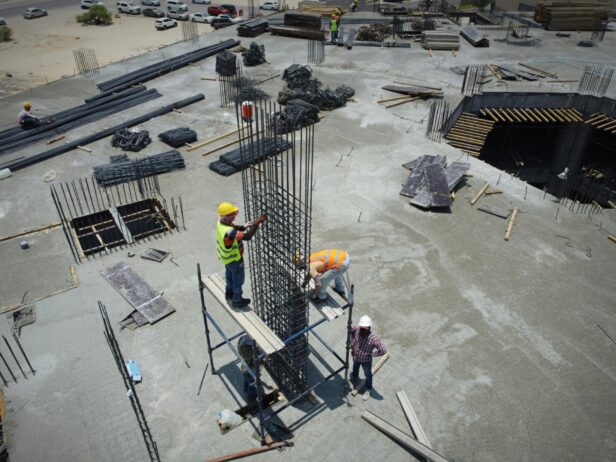
Houston developers face mounting pressure to deliver projects faster than ever. The difference between seizing a market opportunity and losing it often comes down to finding a Houston contractor who can meet tight deadlines without compromising quality.
We approach compressed schedules through systematic project controls, proactive trade coordination, and streamlined permit handling. The foundation for meeting aggressive timelines starts with clear scope definition, accurate early estimates, and milestone checkpoints that keep quality and budget aligned with schedule demands throughout construction.
What Capabilities Help A Houston Contractor Hit Tight Deadlines?

Meeting compressed construction schedules requires capabilities that extend beyond basic project management. We rely on integrated systems and streamlined workflows to control the schedule and protect quality standards.
Project Scheduling and Resource Management
We build detailed project schedules that account for resource leveling and critical path analysis. This platform helps coordinate multiple trades and identify potential bottlenecks before they affect the timeline.
Resource alignment is critical when deadlines compress. The software lets us track labor hours, equipment utilization, and material deliveries in real time. When schedules shift, we can quickly redistribute resources to maintain momentum.
Fabrication-to-Field Integration
Traditional construction separates shop fabrication from field installation, creating handoff delays and rework risks. We manage both phases with unified teams to eliminate coordination gaps.
Shop drawings are reviewed alongside field installation sequences. This integration lets us catch conflicts early and adjust fabrication details before field crews arrive. The result is fewer change orders and installation that stays on schedule.
Procurement and Subcontractor Coordination
Centralized procurement keeps materials flowing to match construction phases. We establish vendor relationships early and maintain backup suppliers for critical items that could delay progress.
Subcontractor management starts during the bid phase with thorough vetting of capabilities and capacity. We align scope boundaries clearly and establish communication protocols to keep daily coordination issues from escalating into schedule delays.
Regular coordination meetings keep all trades informed of sequence changes and upcoming work. This proactive approach helps subcontractors prepare crews and materials to match the project pace.
Permit Processing and Start Windows
Harris County permit processing typically allows project starts within 2-4 weeks of contract signing, depending on project scope and approval complexity. We manage permit applications early and maintain relationships with county offices to expedite reviews when possible.
Understanding permit approval workflows helps us structure project phases to begin work while permits are processing. Site preparation and material ordering can often proceed while final approvals are completed, reducing overall project duration.
On-Time Delivery Culture
Clear communication protocols keep all project participants informed of schedule status and upcoming milestones. Daily progress reports and weekly schedule updates help identify issues before they become delays.
Responsive problem-solving keeps minor issues from turning into major schedule impacts. When conflicts arise between trades or unexpected conditions emerge, quick resolution helps maintain project momentum.
These capabilities work together to compress construction schedules while maintaining quality standards. Each element supports the others to create a comprehensive approach to fast-track project delivery.
How Does Upfront Estimating Protect A Fast-Track Schedule?
Fast-track construction success hinges on accurate cost projections established before any material orders are placed or crews are committed. We use a streamlined four-step estimating process that transforms drawings into reliable budgets within days rather than weeks.
Our project analysis phase examines scope, specifications, and site conditions to identify cost drivers that affect schedule feasibility. This upfront evaluation prevents budget surprises that derail compressed schedules when expensive changes surface mid-construction.
Digital Takeoff Tools Drive Speed and Precision
Bluebeam measurement tools allow us to perform quantity takeoffs directly from PDF construction documents, with customizable markups. Dynamic quantity linking automatically updates Excel worksheets whenever we modify measurements, reducing the manual calculation errors common in traditional estimating methods.
Trimble platforms integrate with our BIM workflows for automated quantity extraction from 3D models. This technology helps eliminate measurement mistakes common in manual takeoffs and also provides assembly-based estimating that groups related materials and labor into reusable components.
RSMeans cost data provides current market pricing adjusted for Houston labor rates and material costs. These comprehensive databases help ensure our estimates reflect today’s pricing rather than outdated information that creates budget gaps during procurement.
Quality Assurance Prevents Cost Overruns
Our final QA review compares quantity calculations against similar completed projects to catch obvious errors before bid submission. This verification step includes cross-checking measurements against specification requirements and flagging potential scope gaps that could impact schedule assumptions.
We validate labor productivity rates against actual field data from recent Houston projects. This analysis ensures our cost projections match realistic installation timeframes rather than theoretical best-case scenarios that compromise schedule reliability.
Bid Management Supports Milestone Planning
Reliable cost forecasting enables faster bid preparation because we spend less time second-guessing numbers and more time refining the project approach. Accurate estimates support confident milestone planning by providing realistic budget allocations for each construction phase.
Our estimating QA process creates detailed cost breakdowns that help identify long-lead items requiring early procurement. This visibility allows us to place material orders immediately after contract execution rather than waiting for detailed shop drawings that delay project starts.
Research indicates that efficient scheduling combined with coordinated subcontractor management can reduce project delays by significant margins. However, these coordination benefits only materialize when supported by realistic cost projections that account for current market conditions and site-specific factors that affect Houston construction projects.
What Risks Come With Compressed Timelines, And How Are They Managed?

Compressed construction timelines create challenges that can affect project outcomes. We identify risks early and implement controls that help keep projects on schedule.
Scope and Documentation Conflicts
Incomplete or conflicting construction documents pose significant risks under tight schedules. We build to the specifications in the documents and flag conflicts immediately. This approach prevents costly delays that arise when discrepancies surface during active construction.
Research from the construction industry shows that 41% of liability claims stem from subcontractor work, often triggered by unclear documentation or scope gaps. Our project teams review drawings and specifications before breaking ground to catch these issues early.
Coordination and Communication Breakdowns
Fast-track projects demand seamless coordination between multiple trades working in compressed sequences. We negotiate clear agreements with subcontractors and vet their capabilities before bringing them onto projects. Daily coordination meetings resolve conflicts quickly before they cascade into larger delays.
Subcontractor-related risks continue to dominate construction liability claims, according to recent industry data. Our vetting process evaluates technical capabilities, scheduling reliability, and safety records to minimize these exposures.
Quality Control Under Pressure
Accelerated schedules can lead to quality drift as teams rush to meet milestones. We implement phase-by-phase quality assurance checks that catch defects before they get buried in subsequent work. These inspections prevent rework that can erase schedule gains and inflate costs.
Each construction phase includes defined quality checkpoints with clear pass/fail criteria. This systematic approach maintains standards while keeping work moving efficiently through the project sequence.
Cash Flow and Payment Pressures
Tight schedules require steady material deliveries and consistent crew availability. Cash flow problems can halt progress instantly. We maintain strong financial capacity to ensure vendors and subcontractors receive timely payments, avoiding work slowdowns that stem from payment disputes.
Financial strength is particularly critical during compressed timelines when material orders and labor commitments create higher short-term cash demands. Our approach prioritizes payment reliability to maintain project momentum.
Weather and External Contingencies
Houston projects face weather risks that can disrupt tight schedules. Storm systems and extreme heat affect outdoor work and material deliveries. Teams that plan for weather contingencies and maintain clear communication can still deliver on compressed timelines, as noted in client feedback.
Weather planning includes flexible sequencing that allows indoor work to proceed during adverse conditions. This adaptability helps maintain progress even when external factors threaten schedule performance.
Cost Trade-offs of Professional Management
Using a general contractor typically adds 15-25% to project costs through management fees and markups. However, this investment often reduces overall schedule risk and can decrease delays through better coordination and resource management. The fee structure reflects the additional oversight, planning, and risk management that compressed timelines demand.
Industry analysis indicates that projects with professional general contractor management experience fewer costly delays compared to owner-managed or fragmented delivery approaches. The cost premium often pays for itself through improved schedule performance and reduced risk exposure.
Which Houston Project Types Often Need Fast Turnarounds?
Industrial facilities across Houston’s energy corridor face some of the most demanding schedule requirements in commercial construction. Midstream and downstream operations depend on precise timing for turnarounds, maintenance cycles, and capital construction that cannot afford extended downtime.
Commercial projects in Houston’s expanding metro area require aggressive scheduling for mixed-use developments, corporate offices, and logistics warehouses. These buildings often operate under fixed lease-up dates, staged tenant openings, and infrastructure milestones that drive compressed schedules throughout development.
Industrial Process and Maintenance Projects
Turnarounds represent the most time-sensitive work in Houston’s industrial sector. Refineries, chemical plants, and petrochemical facilities schedule these maintenance windows months in advance, creating narrow construction windows that require flawless execution.
We coordinate maintenance projects during planned shutdowns, when every day of downtime costs operators significant revenue. Capital construction at downstream facilities follows similar constraints, with new equipment installations and process modifications requiring completion before production resumes.
Midstream infrastructure projects face regulatory deadlines and seasonal constraints that compress schedules. Pipeline installations, compression stations, and storage facilities often must be completed before weather windows close or permit conditions expire.
Commercial and Mixed-Use Development
Mixed-use projects drive Houston’s urban development and often include complex phasing that demands careful schedule coordination. These developments typically combine retail, office, and residential components with staggered completion dates that serve different market segments.
Corporate office construction operates under lease commitments and business relocation schedules that create firm deadlines. Companies moving operations or expanding facilities rarely adjust their timelines, requiring construction teams to deliver space when needed.
Logistics warehouses and distribution centers serve Houston’s port activity and regional commerce with tight operational deadlines. These facilities support time-sensitive supply chains in which delayed openings affect multiple business operations across the network.
Healthcare Construction Requirements
Emergency departments and surgical suites require specialized sequencing that cannot accommodate typical construction delays. Medical facilities also maintain strict infection control during construction, creating coordination challenges that extend beyond normal scheduling concerns.
Healthcare projects involve systems such as medical gas, emergency power, and advanced HVAC that require extended testing and commissioning. These technical requirements compress the available construction window while maintaining rigorous quality standards.
Surgical suite renovations often occur while hospitals maintain operations in adjacent areas. We coordinate these projects during specific hours and implement containment measures to prevent disruption to patient care.
Residential Remodeling Timelines
Kitchen remodeling projects are typically completed within 4–6 weeks when permits process smoothly and materials arrive on schedule. These timelines assume standard layouts without major structural changes or utility relocations that would extend construction phases.
Bathroom renovations generally require 2–3 weeks for standard updates, including fixtures, tile, and finishes. However, HOA approvals in Houston’s planned communities can add weeks to the front end of residential projects, particularly for exterior modifications or structural changes.
Weather impacts residential timelines more than commercial projects due to smaller crews and limited indoor work areas. Houston’s hurricane season and heavy rainfall patterns can extend exterior work and delay project completion by several weeks.
Multi-Phase Delivery Coordination
Fabrication-to-field workflows serve multiple project types by allowing simultaneous shop work and site preparation. We manage both fabrication schedules and field installation timing to maintain continuous progress across different construction phases.
Coordinated subcontractor management is critical for fast-track delivery across all sectors. Early trade alignment prevents conflicts between electrical, plumbing, and HVAC installations that commonly cause delays on compressed schedules.
Infrastructure work supporting these project types requires permit coordination with Harris County and city departments. Utility connections, drainage improvements, and access modifications follow established timelines that affect overall project delivery regardless of construction method.
Conclusion and Next Steps

Meeting tight deadlines in Houston requires precision at every stage. We coordinate multiple moving parts through proven project controls that keep milestones on track and trades coordinated. The combination of early estimating, permit coordination, and systematic QA checkpoints forms the foundation for successful fast-track delivery across industrial, commercial, healthcare, and residential sectors.
Your next steps should include defining the project scope with detailed drawings, establishing realistic schedules with clear milestones, and confirming permit requirements early in the process. Align subcontractors and procurement timelines before work begins, then implement QA checkpoints at each project phase to maintain quality standards. These fundamentals help control the budget while protecting schedule integrity throughout compressed construction timelines.
Ready to discuss your tight-deadline project? Contact EB3 Construction to explore how we can keep your Houston project on track.