Construction timelines in Dallas can compress by weeks when teams use the city’s phased permitting system. A phased construction approach in Dallas enables projects to start site work while building permits undergo review, reducing overall project delivery time through strategic coordination with City Planning and Development processes.
The City’s phased site development review pairs with optional site work permits to create parallel processing paths. Pre-development meetings align stakeholders early on critical items such as zoning compliance, utility connections, drainage requirements, and easement coordination before design documents reach their final form. We sequence these City touchpoints with our documentation-driven project phases to maintain schedule certainty and regulatory compliance from initiation through closeout.
How Does Dallas’ Phased Permitting And Review Process Work?

Dallas operates a structured permitting sequence that allows construction teams to advance work in phases. The city provides an optional phased site development review alongside the standard building permit track, creating parallel pathways that can reduce overall project timelines.
The optional pre-development meeting serves as the entry point for complex projects. Teams typically schedule these sessions within two weeks of the request. We use these meetings to identify potential conflicts in zoning compliance, drainage requirements, utility connections, platting needs, and easement obligations before finalizing design documents.
Prescreen and Application Intake
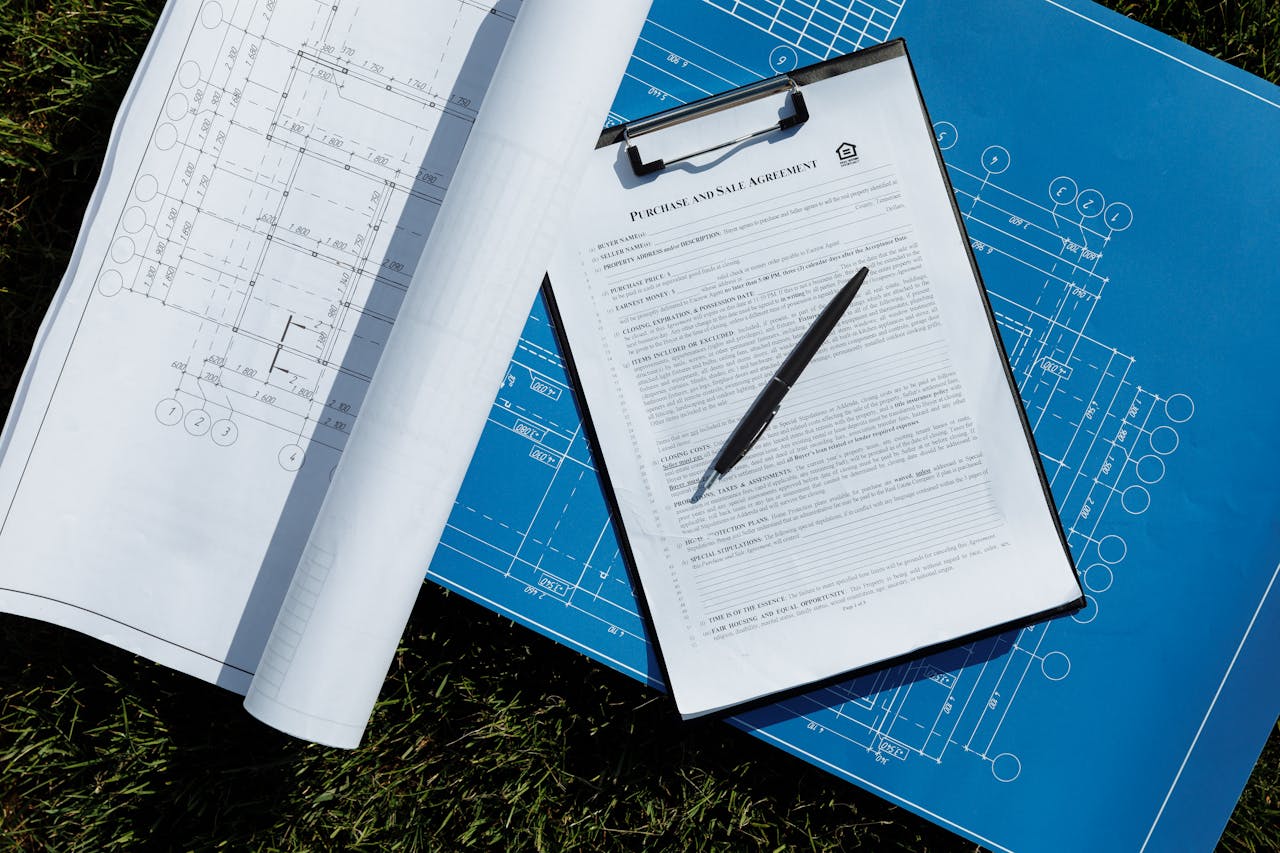
The formal process begins with prescreen intake, where city staff verify submittal completeness. This phase targets a five-day turnaround once all required documents and fees are submitted. The city’s time clock starts after successful fee payment, establishing the official review timeline.
Complete submittals help prevent the most common delays at this stage. Missing documents, incorrect forms, or incomplete fee payments extend the prescreen period and delay the start of technical review.
Site Permit Plan Review
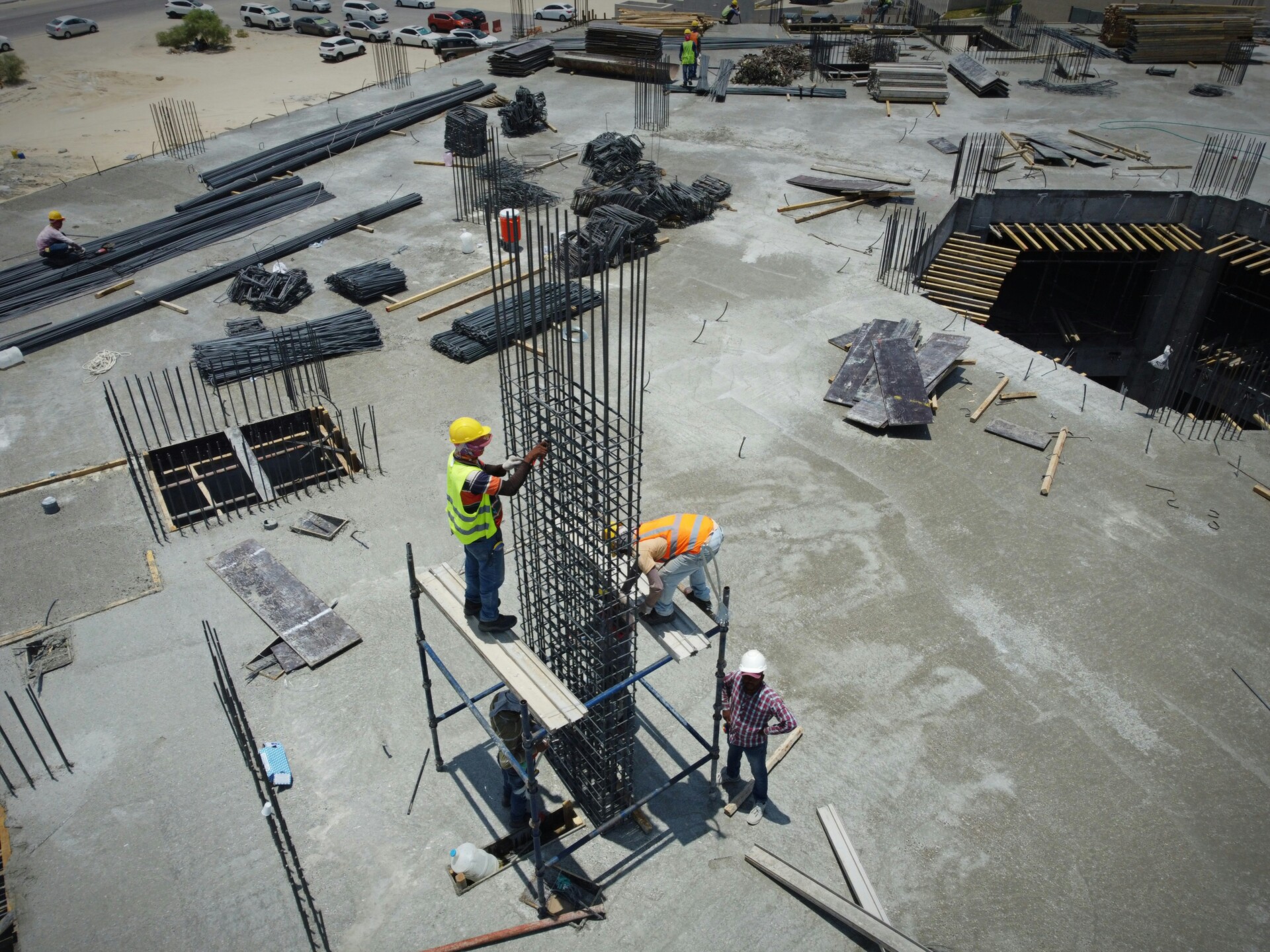
When using the phased approach, the site permit plan review runs parallel to building permit processing. The initial review targets 15 business days for sites that meet code requirements. This permit authorizes excavation, utilities, paving, and other site work within the approved scope.
We coordinate site permit applications with utility providers and engineering consultants to ensure the permitted work aligns with overall project requirements. Site permits create immediate value by allowing earth movement, utility rough-in, and foundation preparation while building plans undergo review.
| Permit Type | Dallas Timeline | Fort Worth Timeline |
| Over-the-counter Permits | Same day | Not specified |
| Plan Check Review | 10–20 business days | 8 days for commercial, 5 days for residential |
| Resubmittal Review | 7–10 business days | 5 days after corrections, 3 days for repeated processes |
| Complex Projects | 30–60 days | 7 days for smaller residential projects |
| Commercial New Builds | Median of 189 days (2024) | 32 days |
| Residential New Builds | Median of 8 days (2024) | 12 days |
Building Permit Plan Review Options
Standard building permit plan review follows the same 15-business-day initial target. For projects requiring faster turnaround, Dallas offers Q-Team Express Plan Review as an alternative path. Q-Team meetings are typically scheduled within 12 working days, though additional hourly fees apply based on project size and complexity.
The Q-Team process brings all reviewing departments into a single collaborative session. Fire, building code, zoning, engineering, and other specialists review plans simultaneously. If revisions are needed, changes can often be made during the meeting with all stakeholders present.
Construction Phase Inspections
Once permits are issued, the inspection sequence begins. All inspections require at least 24 hours’ advance scheduling. Approved plans must remain on-site throughout construction for inspector reference.
Dallas enforces specific construction hours: Monday through Friday from 7 a.m. to 7 p.m., and Saturdays from 8 a.m. to 6 p.m. Work outside these hours requires special approval and typically applies only to emergency situations or critical-path activities.
We schedule inspections strategically to maintain construction momentum. Common inspection points include foundation pre-pour, rough framing, MEP rough-in, insulation, and final walkthrough stages.
Certificate of Occupancy Process
Final inspections culminate in either a Certificate of Occupancy (CO) or Temporary Certificate of Occupancy (TCO). The CO represents full compliance with all code requirements and approved plans. TCOs address situations where minor items remain incomplete but occupancy can proceed safely under defined conditions.
We coordinate final inspections across all trades and city departments to avoid delays at project closeout. The fire department, building officials, electrical inspectors, and other specialists must all sign off before CO issuance.
Which Construction Phases Should Teams Align With City Milestones?
We break construction delivery into six phases aligned with Dallas permitting requirements. Each phase has specific objectives and deliverables that support the next milestone.
Initiation validates your project’s fundamental viability before major commitments. We confirm site feasibility through geotechnical assessments, verify existing utility capacity, and identify zoning constraints that could affect design. This phase also includes logistics planning for site access, staging areas, and the construction traffic patterns required by Dallas during permitting.
Planning and Design builds your project schedule around the critical path to occupancy. We develop code-compliant designs that meet Dallas accessibility standards and energy requirements. During this phase, we iterate cost estimates with value-engineering options to keep budgets aligned with market conditions while ensuring constructability throughout design.
Preconstruction finalizes all permitting requirements and contractor selections before mobilization. We secure necessary permits, finalize subcontractor scopes with qualified trades, and establish site logistics that comply with Dallas work-hour restrictions. This phase confirms that geotechnical and environmental data meet design assumptions and develops comprehensive risk management plans for weather delays and supply chain issues.
Procurement coordinates material and equipment purchases with permit-approval timelines. We schedule deliveries to align with expected plan-review completions and inspection sequences. This approach prevents costly storage fees and ensures materials arrive when crews are ready to install according to approved schedules.
Construction maintains daily coordination among trade contractors and with inspection requirements. We implement safety and quality control systems that meet Dallas standards, schedule inspections with adequate lead time, and document progress against approved plans. Our superintendents ensure all work stays within permit scope and passes required inspections on the first attempt.
Post-Construction manages closeout activities that lead to occupancy approval. We coordinate punch list completion, commissioning of building systems, and final documentation requirements. This phase includes securing a Certificate of Occupancy or a Temporary Certificate of Occupancy, delivering as-built drawings, collecting warranties from all trades, and providing operations and maintenance materials to the owner.
Clear documentation drives success across every phase. We maintain detailed records of decisions, approvals, and changes that support compliance reviews and help resolve any questions that arise during inspections or final approvals.
How Do Dallas Approvals Map To Each Project Phase?
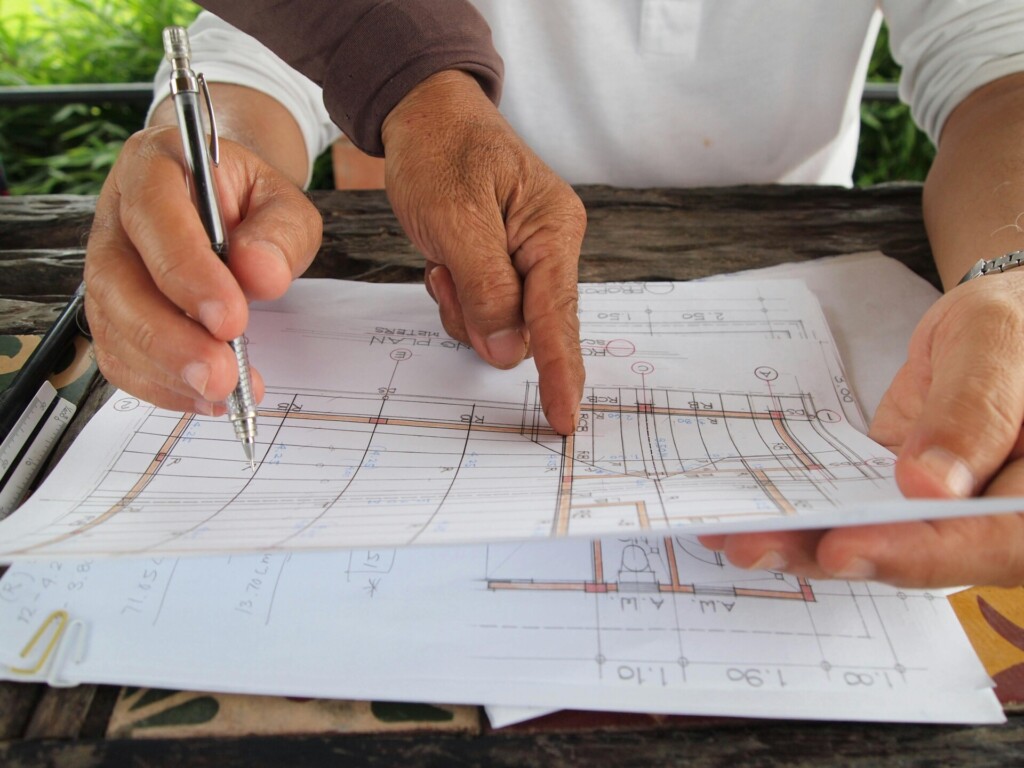
We align city approval requirements with each phase of our construction schedule to maintain momentum and avoid regulatory bottlenecks. Dallas has specific requirements that map to distinct project phases, and understanding these connections prevents delays and rework.
Effective project phasing requires us to anticipate which Dallas approvals align with our construction timeline. Each phase has mandatory and optional paths that can accelerate or complicate delivery.
Initiation Phase Requirements
During project initiation, we focus on fundamental approvals that set the development path. An optional pre-development meeting helps identify early issues related to zoning, drainage, utilities, and easements before design begins.
We confirm whether platting is required based on lot configuration and existing approvals. Dallas requires preliminary plat approval through the City Plan Commission for major plats exceeding specific acreage limits or requiring new infrastructure.
Tree survey requirements apply when protected trees (8 inches diameter at breast height or greater) exist on site. We assess these needs early since tree mitigation can influence site layout and development costs.
Zoning change applications or Planned Development District development plan submissions belong in this phase if current zoning doesn’t support the intended use. Similarly, Thoroughfare Plan amendments are necessary when proposed street modifications don’t align with the City’s official street network plan.
Planning and Design Phase Approvals
Site and landscape plan preparation occurs during design development. Article X of the Dallas Development Code triggers landscape requirements when non-permeable coverage increases by more than 2,000 square feet within 24 months or when building expansions exceed specific thresholds.
We identify whether Floodplain Fill permits apply to properties in 100-year flood zones. The Engineering Division requires detailed hydrologic analysis, environmental impact studies, and coordination with multiple agencies including the U.S. Army Corps of Engineers.
Escarpment permits become necessary for development in the Geologically Similar Area near Dallas’ environmental bluff. This process requires geologist reports, slope stability analysis, and erosion control planning.
Development Impact Review is triggered when developments generate 6,000 or more trips per day and 500 trips per day per acre in non-residential districts. Residential Adjacency Review applies when projects with specific uses adjoin residential zoning.
Preconstruction Phase Coordination
We secure the site work permit when using Dallas’ phased review process to begin site construction while building permits are under review. This optional permit requires engineering plan approvals and early release coordination.
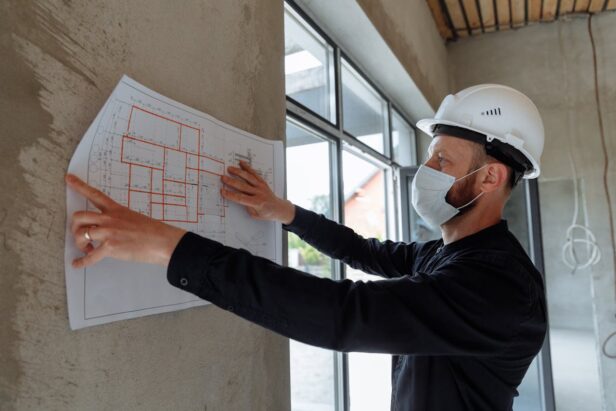
Building permit applications require complete construction documents, and we use Q-Team Express Plan Review for expedited processing when projects meet prequalification criteria. Standard review targets 15 business days for initial commercial permits.
Engineering approvals for paving, drainage, water, and wastewater systems are coordinated through the Engineering Division. Off-site easements often require Real Estate Division involvement and county recording before plat release.
Private development contracts become necessary when infrastructure work occurs within City right-of-way. These agreements require performance bonds and must be executed before construction authorization.
Sidewalk waivers apply when specific conditions justify not installing required sidewalks. Special parking agreements address situations where required parking cannot be provided on-site or require shared arrangements between developments.
Street lighting requirements for platted developments must be confirmed with the Street Department to ensure proper coordination with electrical service installation.
Construction Phase Compliance
Inspection sequencing follows Dallas protocols with 24-hour advance scheduling through the automated system or district offices. We maintain approved plans on-site and ensure inspector access for all scheduled reviews.
Site management requirements include controlling stormwater runoff, maintaining cleanliness standards, and preventing impacts to adjacent properties. Construction hours are limited to Monday through Friday, 7 a.m. to 7 p.m., and Saturday, 8 a.m. to 6 p.m.
Sign permits apply to signage exceeding 20 square feet, over 8 feet in height, or incorporating illumination. These require separate applications with structural calculations for larger installations.
Post-Construction Closeout Activities
Final trade inspections must pass before Certificate of Occupancy applications can be approved. We schedule these systematically to avoid delays in the occupancy timeline.
Open permits require closure through final inspections and administrative processes. Outstanding items prevent CO issuance and can delay project delivery.
A Temporary Certificate of Occupancy provides an alternative when minor non-life-safety items remain incomplete. TCO applications cost $104 plus the standard CO application fee of $215.
Final documentation delivery includes as-built drawings, warranties, and operations manuals as specified in contract requirements. We coordinate these submittals with final inspection scheduling to ensure smooth project handover.
What Pitfalls, Durations, And Costs Should You Plan For In Dallas?
Dallas construction projects often face predictable delays and cost variations. We build project schedules around these known variables to keep clients informed and budgets stable.
Common Permit and Review Delays
Residential projects most often stumble on technical documentation issues. Not-to-scale (NTS) plans trigger immediate rejection during initial review. Plat and site plan mismatches create coordination delays that can extend review timelines by weeks.
Missing engineer letters for structural or mechanical, electrical, and plumbing (MEP) systems halt progress until design professionals provide sealed documentation. Egress path conflicts with local fire codes require design revisions and resubmittal cycles.
Commercial projects face different but equally predictable obstacles. Not-to-scale or illegible architectural plans cannot pass initial screening. Multi-tenant buildings require key plans showing unit relationships and common areas.
Existing-condition floor plans are mandatory for renovation work. Unlabeled room uses create code compliance questions that reviewers cannot resolve without additional information. Missing TDLR accessibility registration for projects requiring ADA compliance halts approvals entirely.
Typical Review and Approval Durations
City Plan Commission decisions on preliminary plats target completion within 30 days of submission. Development plans typically require six weeks from complete submission to approval.
Site plan reviews average three weeks for initial feedback. Commercial building permits are processed within two to three weeks when documentation is complete. Single-family permits move fastest at two to three days for standard residential construction.
Q-Team Express Plan Review meetings are scheduled within approximately 12 working days but carry additional hourly fees. Building inspections often occur the next working day when scheduled with proper notice.
Key Fees and Financial Planning
Certificate of Occupancy fees run approximately $215 per project. A Temporary Certificate of Occupancy costs about $104 plus the standard CO fee. These fees apply regardless of project size or complexity.
Sidewalk waiver applications cost approximately $208 when site conditions require pedestrian accommodation alternatives. Development Impact Review processing carries a $50 fee for environmental and infrastructure assessment.
Special Parking Agreements start at $375, plus additional per-space fees for projects requiring nonstandard parking solutions. Q-Team hourly review fees apply on top of prequalification costs for expedited processing.
Construction Phase Impacts and Logistics
Active construction creates community impacts that require proactive management. Noise from equipment and trades affects surrounding properties during normal working hours.
Traffic pattern changes around construction sites require coordination with city traffic management. Temporary access limitations for pedestrians and vehicles need clear signage and safe routing alternatives.
Utility and service constraints during early construction phases can limit site access and material deliveries. We incorporate these impacts into project communications and neighbor relations from day one.
Conclusion and Dallas-Focused Next Steps

A phased construction approach in Dallas delivers the best results when city milestones and project phases align from start to finish. This coordination transforms complex permitting into a predictable sequence that supports earlier project starts and smoother execution.
Begin with a pre-development meeting to identify zoning, drainage, and utility considerations before committing to design. Confirm platting requirements and assess any special permits early in the process. Use the optional sitework permit to advance earthwork and infrastructure while building permits remain under review. For time-sensitive projects, consider the Q‑Team expedited review services to compress approval timelines. Keep documentation current across design, procurement, and construction phases. Schedule inspections proactively and plan for a Certificate of Occupancy or a Temporary Certificate of Occupancy at project closeout.
Ready to implement a phased construction strategy for your Dallas project? Contact EB3 Construction to coordinate city reviews, manage logistics, and minimize community impacts throughout your project.