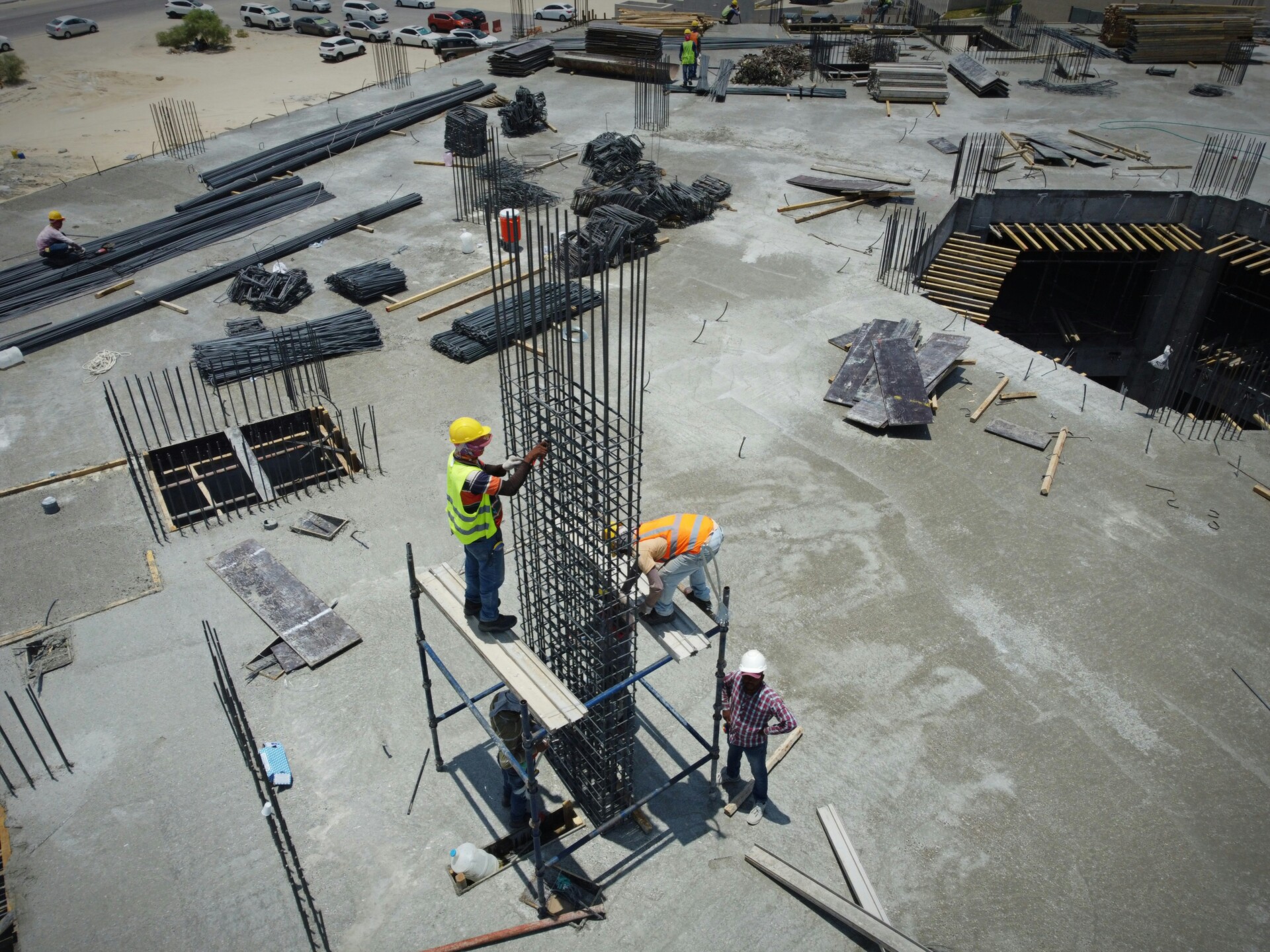
Dallas construction permit delays once stretched for months. Today, contractors who understand the city’s systems can launch exterior projects in days rather than weeks.
Quick-start construction in Dallas means we structure our approach around rapid deployment while maintaining compliance with local requirements. The process includes planning site-ready work, moving efficiently through Dallas permitting and scheduling, and executing projects across the DFW area.
Which Services Fit A Quick-Start Scope In Dallas?
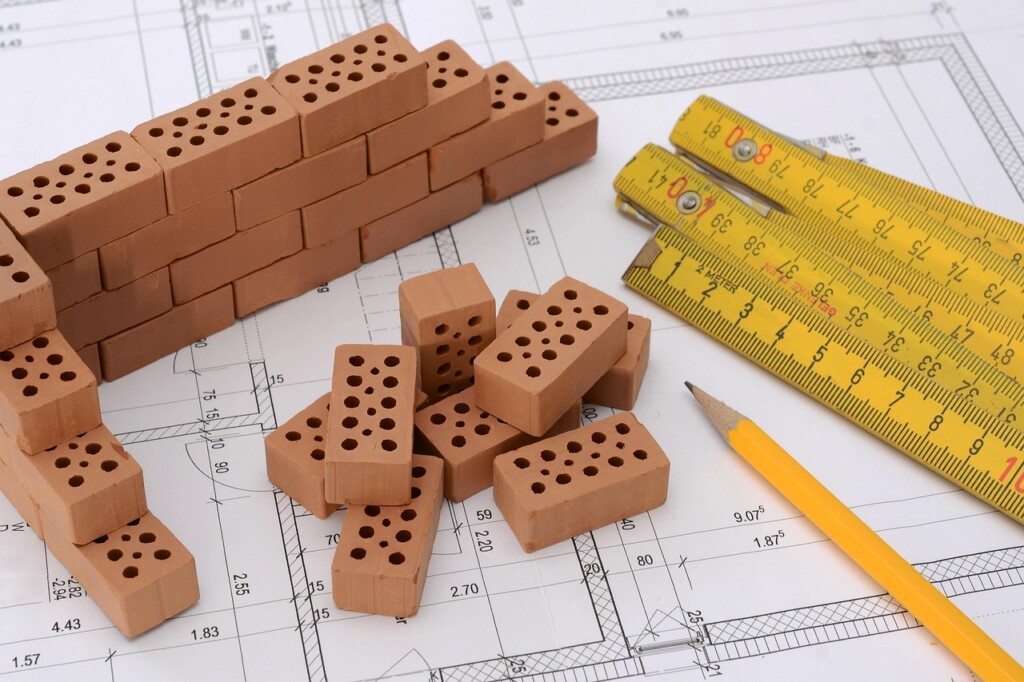
Dallas fence installation projects often lead the quick-start category. We install wood, vinyl, chain-link, and decorative metal options for both residential and commercial applications. Privacy fences typically take just a few days to complete, depending on size and material choices.
DFW patio cover installations create immediate outdoor comfort. These structures provide shade and weather protection while allowing quick enjoyment of outdoor spaces. Pergolas offer similar benefits with an open-air design that enhances outdoor entertaining areas.
Roof replacement services cover shingles, metal roofing, and flat roofing systems. We coordinate installation, replacement, and repair work to protect properties from Texas weather. Metal roofing installations often proceed faster than traditional shingle work once materials arrive on-site.
Siding installation focuses on fiber-cement siding and lap siding options that withstand regional climate challenges. These materials offer durability against wind, rain, and temperature fluctuations common in the Dallas area.
Seamless gutter installation protects foundations through proper drainage management. We size and install gutter systems that move water away from structures effectively. This helps prevent foundation settling issues common with Dallas clay soil conditions.
Exterior painting involves careful surface prep to ensure long-lasting finishes. We use quality materials suited to Texas sun exposure and weather patterns. Proper preparation prevents premature paint failure and reduces future maintenance needs.
Window installation emphasizes energy-efficient units that improve interior comfort and natural light. These upgrades often qualify for utility rebates while enhancing property value and reducing energy costs.
Carpentry services include trim work and custom wood features that add finishing touches to exterior projects. These details complete the overall appearance while maintaining structural integrity.
Home remodeling encompasses complete renovations as well as focused kitchen and bathroom updates. We coordinate these larger projects to minimize disruption while delivering comprehensive improvements to living spaces.
How Do In-House Teams And Local Know-How Speed Up Delivery?
We maintain an in-house construction approach to eliminate delays caused by coordinating multiple subcontractors. When every crew member reports directly to our project managers, schedules stay consistent and timelines remain predictable. This direct control lets us address issues immediately instead of waiting for callbacks from external contractors.
Quality control becomes more straightforward when the entire team follows our established procedures. We conduct regular progress reviews and can implement corrections on the spot. This direct oversight reduces rework that typically extends project schedules and increases costs.
Communication flows smoothly through every phase when everyone operates under the same management structure. Our foremen provide daily updates to project coordinators, who maintain clear communication with property owners. This streamlined flow prevents misunderstandings that often lead to costly change orders and delays.
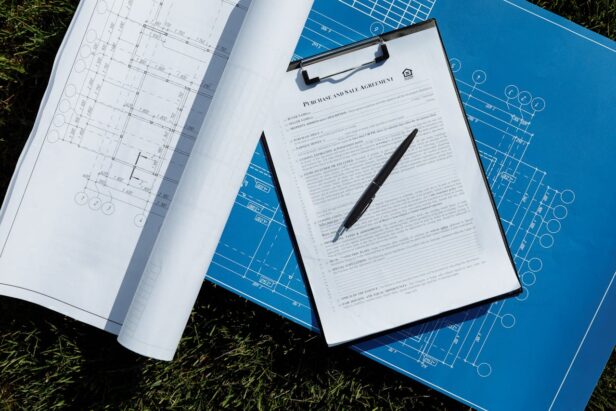
We establish upfront pricing with detailed written estimates that outline every aspect of the scope of work. This transparency helps developers and property owners understand exactly what they are purchasing and when each phase will be completed. Clear documentation prevents scope creep that can derail timelines and budgets.
Our local knowledge of Dallas clay soils allows us to plan for fence posts, foundation work, and drainage systems properly from the start. Clay soil requires specific techniques for proper post setting and drainage management. We factor these considerations into our initial planning rather than discovering them during construction.
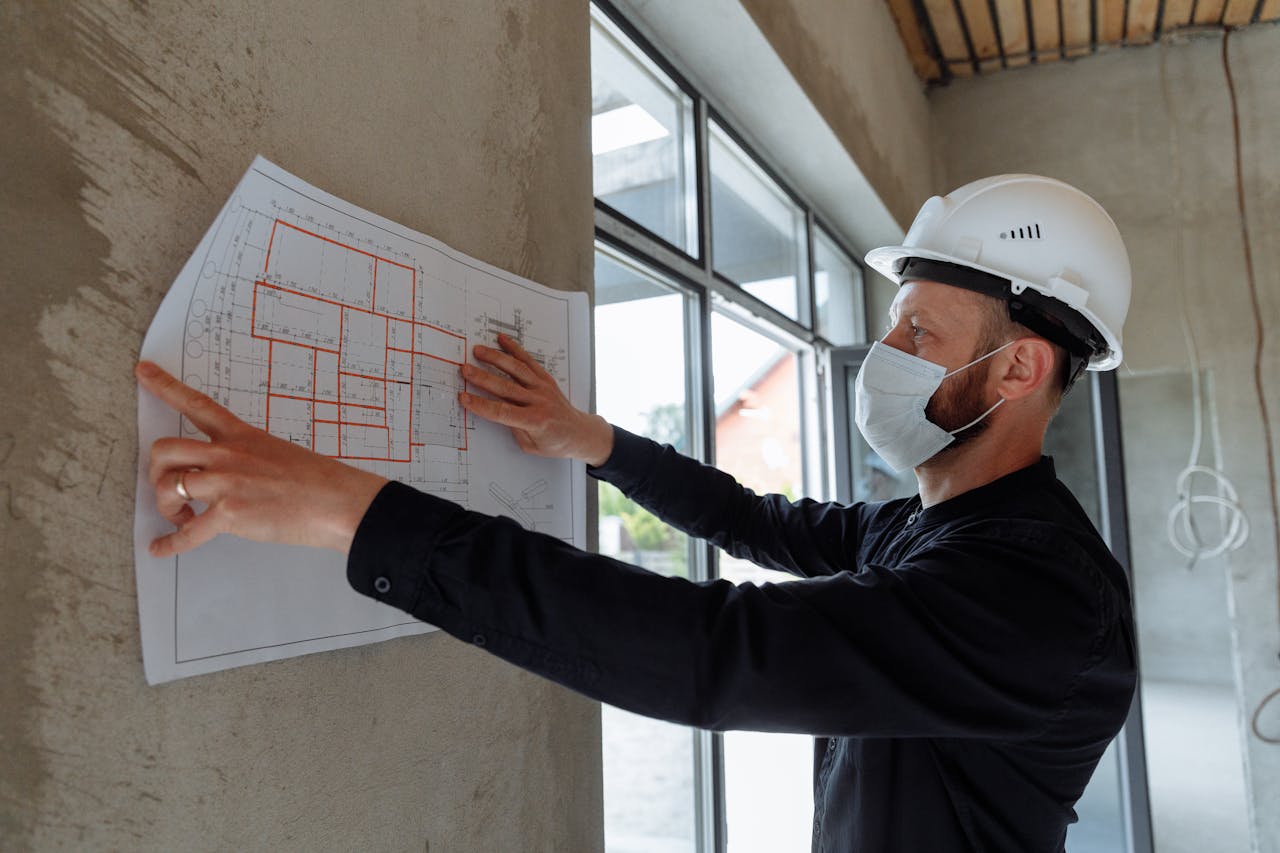
Understanding Dallas permit requirements and inspection procedures helps us prepare documentation and schedule approvals efficiently. We maintain relationships with local permitting offices and know which inspectors prefer specific documentation formats. This familiarity reduces the back-and-forth that can significantly extend approval timelines.
We keep job sites organized and inspection-ready throughout the construction process. Clean, well-organized work areas allow inspectors to complete their reviews quickly and identify any issues that need immediate attention. This preparation streamlines closeout procedures and helps us deliver projects on schedule.
What Common Mistakes Slow Exterior Projects In Dallas—And How To Avoid Them?

Several recurring problems create unnecessary delays and drive up costs in Dallas-area exterior construction projects. We see these issues repeatedly during inspections and project evaluations.
Understanding these pitfalls helps property owners spot potential issues before they affect schedules and budgets.
Low-Quality Materials Fail in Texas Weather
Low-grade lumber warps and cracks quickly under Dallas heat cycles and seasonal moisture changes. Hardware made from inferior metals corrodes quickly in Texas humidity. These failures often force expensive replacements within months—when they should last years.
We specify pressure-treated lumber rated for ground contact and galvanized or stainless steel fasteners. Quality materials cost more upfront but prevent premature failures that cause project delays. Texas weather demands durable components that handle temperature swings from freezing winters to 100-degree summers.
Improper Post Setting Causes Structural Problems
Shallow fence posts shift and lean as Dallas clay soil expands and contracts. Uneven depths create weak points that fail during storms. Many contractors rush this critical step to save time, creating problems that require full reconstruction.
Proper post installation requires digging below the frost line and setting posts in concrete. We excavate to appropriate depths based on fence height and soil conditions. Quality materials and proper installation techniques prevent the structural failures that force expensive rework.
Poor Drainage Planning Causes Foundation Issues
Ignoring water flow creates standing water that rots wooden structures and undermines foundations. Dallas clay soil holds moisture, making drainage even more critical. Projects that skip grading and slope planning face costly repairs when water damage appears.
We evaluate site drainage during planning and incorporate proper slopes into all installations. Foundation protection requires directing water away from structures through careful grading. Surface preparation includes creating positive drainage that prevents moisture accumulation near critical areas.
Rushed Finishing Work Forces Expensive Rework
Sloppy joinery leaves gaps that let in moisture and pests. Uneven paint application fails quickly and looks unprofessional. Skipping proper surface preparation causes finishes to peel and fade prematurely.
Professional finishing requires proper alignment, thorough sanding, and appropriate sealing for each material type. We allocate sufficient time for surface prep and apply finishes according to manufacturers’ specifications. Quality finishing work protects the underlying structure and maintains appearance for years.
Skipping Structural Reinforcement at Key Points
Gate posts, corner posts, and connection points handle significant stress and require additional reinforcement. Many contractors skip these critical elements to save material costs. These weak points fail first and compromise the entire installation.
We identify high-stress areas during planning and specify appropriate reinforcement for each application. Corner bracing, additional concrete, and upgraded hardware at critical points ensure long-term structural performance. Proper reinforcement prevents cascading failures that require extensive repairs.
How Should You Vet A Contractor For A Fast, Compliant Start?
Selecting the right contractor determines whether your project launches smoothly or faces costly delays. We use a systematic approach to evaluate potential partners before breaking ground.
Performance History and Communication Standards
Reviews reveal patterns that matter more than individual complaints. Look for consistency in project completion times and communication responsiveness across many clients. Contractors who maintain steady performance under various conditions demonstrate the reliability needed for quick starts.
Direct access to completed work provides clearer insights than portfolio photos alone. Ask for local addresses where you can observe their craftsmanship firsthand. This approach shows how their work holds up over time and helps verify their quality claims.
Crew Structure and Quality Control
In-house crews deliver tighter scheduling and consistent quality standards. When we manage our own teams, communication flows directly without the coordination delays that come with juggling subcontractors. This structure eliminates the common problem of trades showing up out of sequence or failing to meet project timelines.
Quality control becomes more predictable when the same crew handles multiple phases of your project. Our teams understand our standards and can catch potential issues before they require rework. This consistency translates directly into faster project completion and fewer unexpected delays.
Written Estimates and Scope Clarity
Detailed written estimates prevent the scope creep that derails project timelines. We break down labor costs, material specifications, and cleanup responsibilities so nothing gets overlooked during execution. A comprehensive estimate serves as the project roadmap and helps identify potential scheduling conflicts before work begins.
The scope of work should address site preparation, material delivery logistics, and cleanup protocols. Clear documentation of these elements prevents misunderstandings that can stop progress mid-project. When contractors provide vague estimates, they often lack the planning depth needed for quick execution.
Permits and Insurance Verification
Permit compliance protects against work stoppages that can derail tight schedules. Contractors familiar with Dallas-area permit requirements move through approvals faster than those learning the process on your project. We verify permit responsibilities upfront to ensure regulatory compliance doesn’t become an unexpected delay.
Insurance verification through a Certificate of Insurance protects against liability risks that can shut down projects. Travelers Insurance recommends confirming both general liability and workers’ compensation coverage before signing any contract. Proper coverage allows work to continue even if incidents occur on site.
Site Inspection and Estimate Process
Free on-site estimates demonstrate a contractor’s commitment to understanding project specifics before quoting. We examine soil conditions, access limitations, and drainage considerations that affect the schedule and cost accuracy. This thorough approach prevents the change orders that commonly slow exterior projects.
The inspection process should cover utility locations, property boundaries, and permit requirements specific to your site. Contractors who skip detailed site evaluations often encounter surprises that require work stoppages for replanning. Comprehensive upfront inspection keeps projects moving forward on schedule.
Commercial Project Capabilities
Commercial projects require specialized experience with perimeter fencing systems, access control gates, and compliance with distinct regulatory standards. We evaluate contractors based on their track record with commercial installations and their understanding of ADA requirements and security considerations.
Commercial fencing demands coordination with multiple stakeholders and often involves phased installation to maintain business operations. Contractors experienced in this environment understand the planning required to minimize disruption while maintaining project momentum.
Conclusion And Next Steps

Quick-start construction projects in Dallas require clear planning and coordinated execution from the outset. We establish project timelines by defining scope, scheduling thorough on-site estimates, and confirming material specifications, drainage requirements, and permit procedures. This approach ensures construction begins promptly, with regulatory approvals and site preparations in place.
EB3 Construction provides free inspections and comprehensive insurance claim assistance for storm damage in Dallas and nearby cities, including Plano, Richardson, and Fort Worth. Our in-house team eliminates subcontractor delays while maintaining consistent quality standards throughout every project phase. We manage permit requirements and drainage considerations specific to Dallas’s clay soils to ensure long-term performance.
Ready to start your exterior construction project? Contact EB3 Construction for your free estimate and site consultation.