

Quick-turnaround construction in Houston delivers buildings and facilities faster without sacrificing quality. Commercial and industrial property owners across the expanding metro area often need warehouse space, manufacturing facilities, or distribution centers operational within months—not years—to capture market opportunities.
We achieve speed through integrated project delivery that eliminates coordination delays and dedicated oversight from experienced field teams. While scope and site conditions still drive baseline schedules, these approaches consistently shorten timelines compared with traditional sequential construction methods.
How Fast Can Warehouse Projects Be Delivered In Houston?

Prefabricated components substantially shorten warehouse construction timelines compared to traditional methods. Small to medium warehouses typically complete within 12–34 weeks using prefabricated systems, saving several months. Large warehouses and distribution centers usually require 20 or more weeks, yet still see meaningful schedule reductions with prefabrication.
These ranges reflect baseline expectations for the Houston area. Actual delivery schedules depend on multiple project-specific factors that we manage throughout the construction phases.
| Warehouse Size | Construction Method | Timeline (Weeks) | Notes |
|---|---|---|---|
| Small to Medium | Prefabricated Components | 12–34 weeks | Substantially shorter than traditional methods |
| Large Warehouse/Distribution Center | Prefabricated Components | 20+ weeks | Requires large-scale coordination but remains faster than traditional methods |
| Standard Facilities | Traditional Methods | 12–18 months | Typically longer due to sequential construction phases |
Schedule Factors That Affect Delivery
Weather conditions directly affect warehouse construction in Houston. Hurricane season (June through November) can halt outdoor work. Heavy rainfall and flooding in spring and summer frequently delay concrete pours, site work, and structural activities.
Subcontractor availability is another critical timeline factor. Houston’s active construction market creates competition for qualified trades, particularly skilled electricians, HVAC technicians, and specialty installers. We typically see 2–6-week delays when key trades become overloaded during peak seasons.
Logistics coordination heavily influences prefabricated warehouse schedules. Delivery timing, staging areas, and crane access require precise planning to maintain momentum. Site accessibility for large trucks and equipment also affects how quickly prefabricated elements can be installed.
Prefabrication Advantages for Houston Warehouses
Manufacturing components off-site allows simultaneous site preparation and fabrication, compressing the overall timeline by reducing sequential phases. Quality control in factory environments also reduces field rework that often extends schedules.
Distribution centers benefit in particular from prefabricated structural systems due to their repetitive design elements. Large clear spans and standardized building heights align well with prefabricated panel systems, maximizing time savings for these facilities.
Scale affects prefabrication benefits across warehouse sizes. Smaller warehouses see the largest percentage reductions in construction time, while larger facilities still achieve meaningful savings despite increased coordination complexity. The 20-week minimum for large distribution centers reflects the inherent challenges of managing extensive MEP systems and specialized loading dock installations, regardless of construction method.
Which Delivery Methods And Controls Shorten Schedules?
Design-build delivery combines architectural design and construction under one contract. We coordinate with architects and engineers from project start, allowing design and construction phases to overlap rather than run sequentially. This integration eliminates typical delays during the transition from design completion to contractor selection.
Research shows that turnkey design-build approaches commonly result in a schedule reduction of 20% or more compared with traditional design-bid-build delivery. This translates to 10 months or more saved on most projects. The efficiency comes from having design and construction teams work toward shared performance goals instead of operating in separate silos.
Single Point of Contact Coordination
Turnkey construction creates one contractual relationship for the entire project scope. We handle development, design, and construction through unified project leadership. This eliminates the coordination challenges and potential disputes that arise when multiple prime contracts exist.
The consolidated expertise allows tasks like permitting, submittals, inspections, and quality control processes to occur in parallel with construction. Traditional methods require these activities to happen sequentially, adding weeks or months to project timelines.
Project Manager Impact on Schedule Control
A dedicated project manager serves as the central hub for all construction coordination. We assign this role early in the preconstruction phase to establish communication protocols and decision-making processes before fieldwork begins.
The project manager tracks critical-path activities, manages subcontractor schedules, and addresses potential delays before they affect overall timelines. They provide consistent updates to stakeholders and handle scope changes or unforeseen conditions through established change-management procedures.
Early involvement allows the project manager to influence design decisions that affect constructability and the schedule. This proactive approach prevents costly redesigns and field modifications that often occur when construction teams inherit completed designs without input during development.
Field Supervision for Daily Progress Control
Field supervisors maintain direct oversight of trade coordination and work sequencing on site. We position experienced supervisors to monitor progress against established milestones and identify potential conflicts between trades before they cause delays.
Daily quality verification prevents rework that can derail schedules. Supervisors enforce safety protocols that keep crews productive and minimize work stoppages due to incidents. They coordinate material deliveries and equipment placement to maintain workflow efficiency.
The supervisor acts as the liaison between project management and field crews, ensuring that schedule adjustments or priority changes are communicated immediately. This real-time coordination prevents the communication gaps that often cause trades to work out of sequence or duplicate efforts.
What Houston-Specific Factors Shape Quick Turnaround Planning?
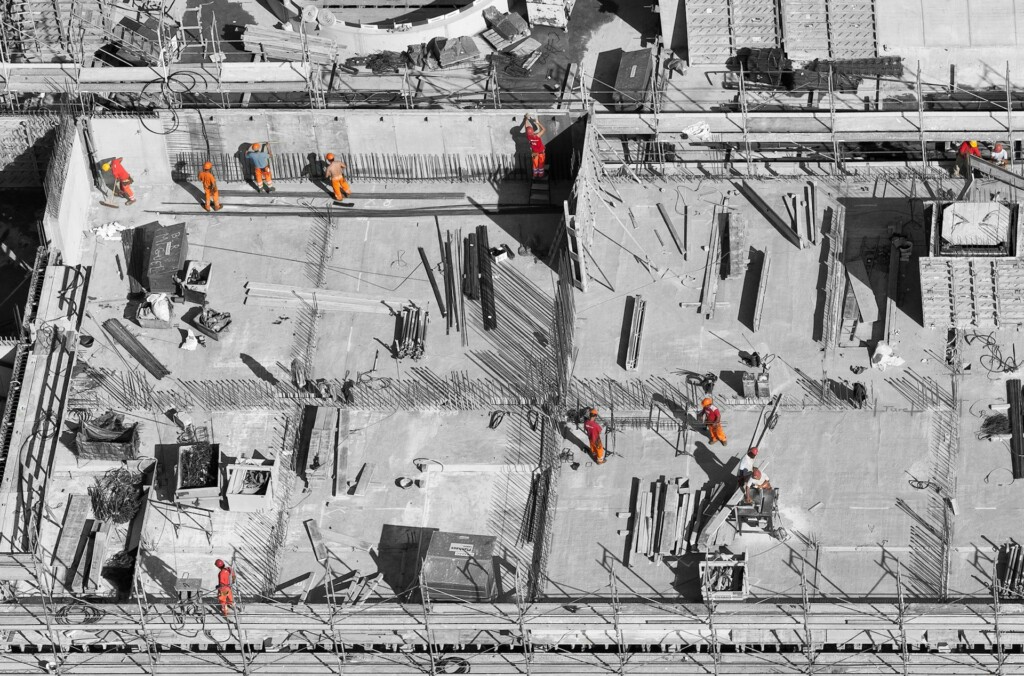
Houston’s industrial landscape requires tailored planning for quick-turnaround construction. Local conditions, regulations, and infrastructure create specific challenges that we navigate to keep projects on schedule.
Land and Location Strategy
Houston operates as a major logistics hub, making proximity to the Port of Houston, highways, and rail yards critical for warehouse development. We prioritize access for large trucks and efficient distribution routes during site selection. Industrial submarkets such as the Northwest, Northeast, and the Port-adjacent Southeast typically offer the highest demand and strategic value.
The city lacks traditional zoning, but ordinances and deed restrictions still govern land use. We verify that the intended industrial uses align with local requirements, particularly for Light Industrial (I-1) or Heavy Industrial (I-2) designations. These classifications determine permissible activities and can affect project timelines if overlooked during planning.
Site Readiness Assessment
Parcel size and shape must accommodate the planned building footprint, truck courts, loading docks, parking, and potential future expansion. We verify utility availability and capacity for water, sewer, electricity, gas, and telecommunications. Adequate capacity and proximity to existing lines directly impact construction schedules.
Topography, drainage, soil conditions, and floodplain considerations require early evaluation through comprehensive environmental assessments. These factors can significantly affect development costs and timelines if contamination or ecological concerns emerge during construction phases.
Industrial and Maintenance Operations
Turnarounds, maintenance, and capital projects benefit from integrated fabrication-to-field support and robust project controls. We coordinate procurement and subcontractor management to maintain schedule predictability. These industrial scopes need specialized coordination that differs from standard construction.
Rapid response service work helps keep existing operations running during construction activities. Interior remodels and renovations can be initiated on short notice while facilities remain active. In healthcare and essential facilities, we implement infection control protocols and whole-space disinfection using commercial cold-foggers to ensure safe work environments.
Specialty Trades and Safety Protocols
Division 10 and other specialty product scopes require accurate estimating, budgeting, value engineering, and professional installation for smooth execution. We coordinate these specialized trades early to prevent schedule conflicts with primary construction activities.
Safety-focused teams with OSHA 10 and OSHA 30 certifications support predictable schedules by reducing incident-related delays. These certifications ensure our crews understand safety requirements specific to Houston’s industrial environment and maintain consistent safety standards across all project phases.
Conclusion And Next Steps
Quick-turnaround construction in Houston requires strategic coordination across multiple fronts. The combination of prefabricated components, design-build delivery methods, and dedicated project oversight provides a foundation for accelerated timelines without compromising quality. We’ve seen how local market factors—from port proximity to industrial zoning—directly impact schedule reliability for warehouse and distribution projects.
To keep projects on track, property owners and developers should consider the following steps to optimize timelines. First, assess whether prefabricated components align with your building requirements and site conditions. Consider adopting a design-build or turnkey approach to streamline coordination and establish clear accountability from day one. Assign a dedicated project manager and field supervisors early to ensure consistent communication and proactive issue resolution throughout construction. Thorough site assessment remains critical in Houston. Verify access routes for industrial logistics, confirm zoning compliance for I-1 or I-2 classifications, and evaluate utilities, drainage, and floodplain considerations before breaking ground. For work in occupied facilities, implement proper infection control protocols to maintain safe operations while construction proceeds. Finally, align specialty trades, ensure estimating accuracy, and staff OSHA-certified safety teams to protect schedule reliability and project quality standards.
Ready to accelerate your Houston construction project? Contact EB3 Construction to discuss your timeline and delivery requirements.