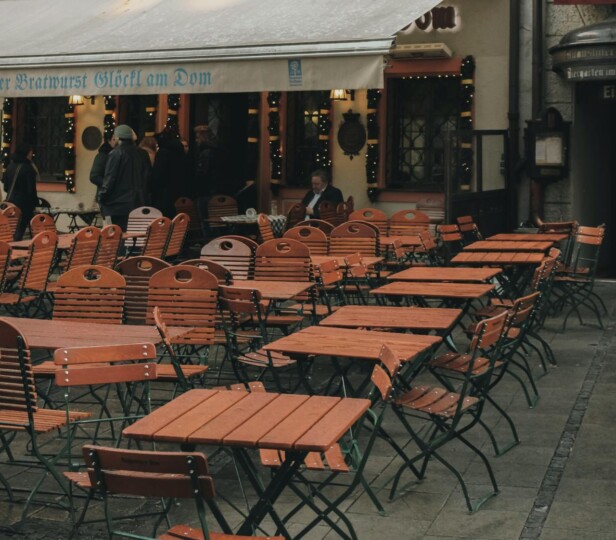
Commercial Beer Garden Construction transforms underutilized outdoor spaces into vibrant dining and entertainment venues where guests gather to enjoy food, drinks, and social connection. These projects require careful coordination among site planning, regulatory approval, and design execution to create spaces that function smoothly year-round.
Successful beer garden projects integrate communal tables, weather protection using wooden canopies or retractable systems, ambient string lights, and strategic plantings, defining zones while maintaining an open, welcoming atmosphere. The construction process involves securing proper permits, developing layouts that optimize traffic flow, and implementing phased construction that balances immediate functionality with long-term expansion possibilities.
How Should You Plan The Site And Layout For A Beer Garden?
Effective site planning determines whether your beer garden becomes a destination or struggles with operational challenges. We begin each project with a thorough space assessment that examines dimensions, grade changes, and environmental factors. Sun exposure patterns throughout the day influence seating placement and shade requirements, while prevailing wind directions affect guest comfort and operational flow.
Site selection requires balancing multiple factors to maximize guest experience and business performance. Proximity to parking areas and existing hospitality clusters drives foot traffic, while adequate square footage prevents cramped conditions that discourage longer visits. We evaluate adjacent structures, utility access points, and potential noise sources that could affect the atmosphere you want to create. For planning references, review brewery floor plans and example parking codes.
Define Your Brand Identity and Primary Purpose
The planning process starts with clarifying your beer garden’s core function within your overall business strategy. Some operators prioritize high-volume service during peak hours, while others focus on creating intimate gathering spaces that encourage extended stays. This decision shapes subsequent design choices, from seating arrangements to service station placement.
Brand identity alignment influences aesthetic choices and operational flow patterns. A family-focused concept requires different pathways and sightlines than an evening entertainment venue. We work with developers to establish these priorities early because changing direction mid-construction creates costly delays and compromises.
Develop Floor Plans with Accurate Dimensions
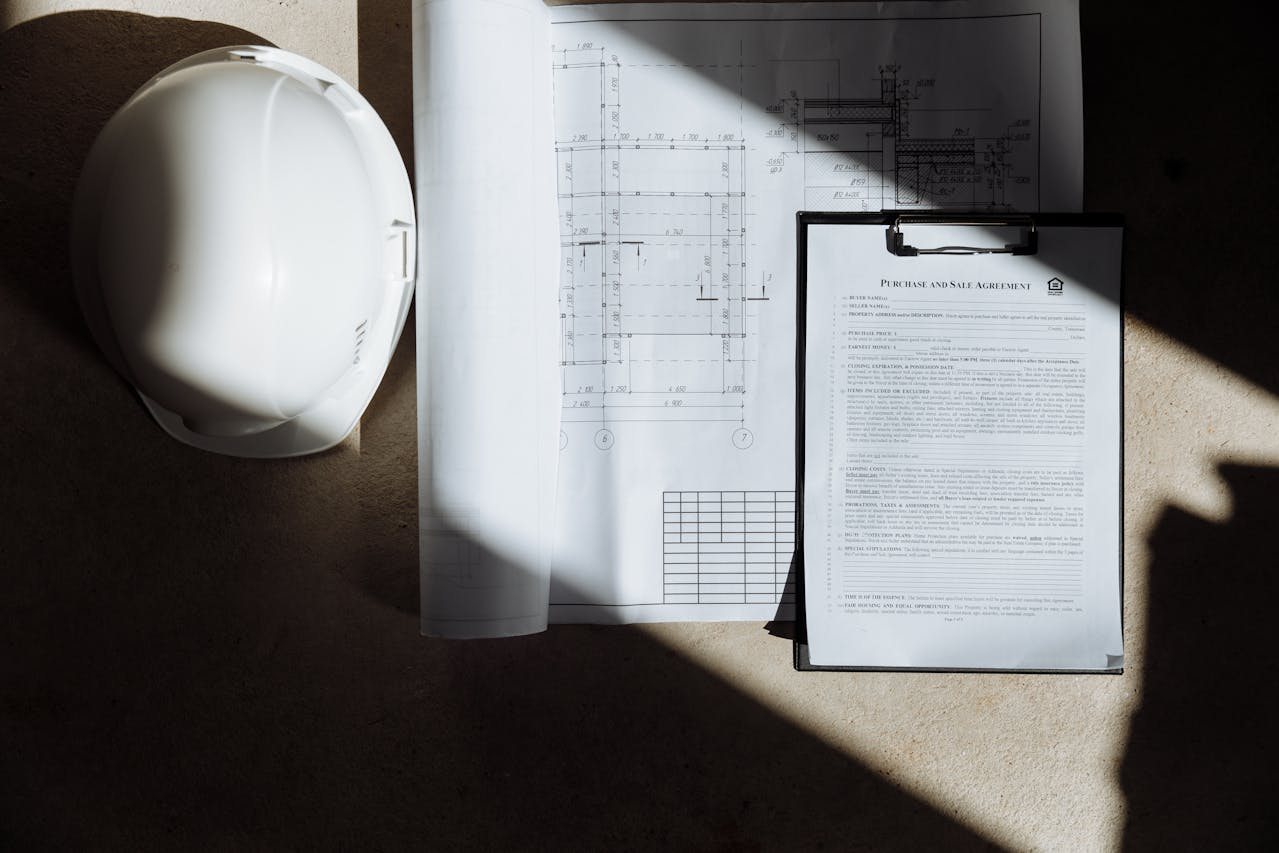
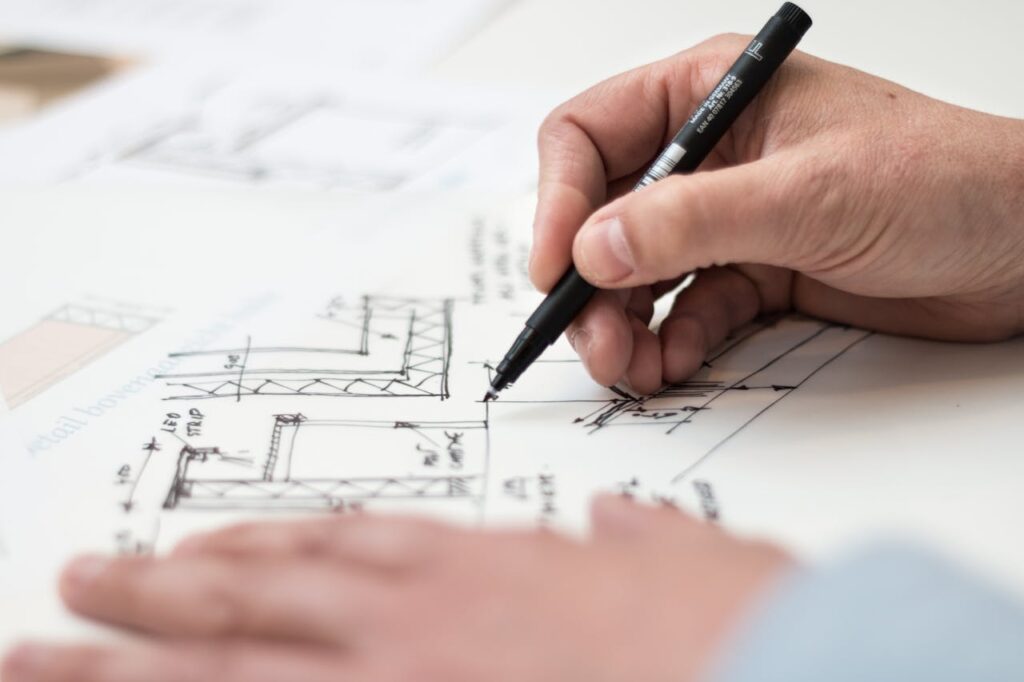
Creating detailed floor plans prevents construction issues and ensures optimal space utilization. We measure existing structures, mark utility locations, and note grade changes that affect drainage and accessibility compliance. Accurate dimensions allow precise placement of key features like outdoor bars, communal tables, and service pathways.
The floor plan process involves multiple iterations as we refine seating zones and circulation patterns. Initial concept sketches explore different layouts, while detailed drawings specify exact measurements for construction teams. This methodical approach reduces change orders and keeps projects on schedule and on budget.
Plan Indoor-Outdoor Flow for Natural Movement
Successful beer gardens feel like natural extensions of interior spaces rather than separate destinations. We design transition zones that guide customers smoothly between indoor and outdoor areas without creating bottlenecks or confusion. Wide openings, consistent flooring materials, and aligned sightlines help achieve this seamless connection.
Staff efficiency depends heavily on logical flow patterns between service areas. Kitchen access, beverage stations, and storage locations must connect through clear pathways that don’t interfere with guest circulation. Poor indoor-outdoor planning forces servers to navigate around seated customers, slowing service and creating awkward interactions.
Ensure Accessibility with Wide, Clear Pathways
ADA compliance requires more than meeting minimum code requirements – we design spaces that work comfortably for all users. Wide pathways accommodate wheelchairs and mobility devices while also handling peak-hour traffic flow. Surface materials must provide stable, slip-resistant walking surfaces that remain safe in various weather conditions. For related considerations, see our ADA pool compliance guide.
Accessibility planning influences every design decision, from entrance locations to table placement. We ensure accessible routes connect all major areas, including seating zones, restrooms, and service counters. Proper grading prevents water accumulation while maintaining gentle slopes that don’t impede movement.
Design a Seating Mix for Different Group Sizes
Strategic seating variety maximizes occupancy while accommodating diverse customer preferences. Communal tables encourage social interaction and efficient space use during busy periods. Smaller two- and four-person tables provide intimate options for couples and business meetings. This balanced approach captures different market segments throughout operating hours.
Traffic flow design minimizes congestion by separating high-activity zones from quiet seating areas. We position service stations and restroom access along natural circulation paths while keeping dining areas protected from constant foot traffic. Clear sightlines between all areas help staff monitor service needs and maintain security.
What Permits And Licenses Are Required Before Construction?
Commercial beer garden construction requires careful attention to regulatory compliance before breaking ground. We coordinate permit acquisition and licensing requirements to prevent costly delays and ensure smooth project delivery.
Construction Permits And Local Approvals
Every beer garden project begins with verifying local construction permits for outdoor modifications and applicable Texas building regulations. Building departments require detailed plans showing structural changes, electrical work, and plumbing connections. We submit applications for site preparation permits, outdoor electrical installation permits, and any covered structure additions.
Zoning compliance plays a critical role in project approval. Municipal codes specify setback requirements, maximum occupancy levels, and noise restrictions that directly impact design decisions. Early coordination with planning departments helps identify potential conflicts before construction begins.
Liquor License Requirements
Beer garden operators must secure appropriate liquor licenses before serving alcoholic beverages. The application process varies significantly by jurisdiction and can take several months to complete. We recommend starting liquor license applications early in the design phase to prevent opening delays.
In Texas, for example, the TABC Brewpub License operates as a subordinate license to primary permits such as the Wine and Malt Beverage Retailer’s Permit or Mixed Beverage Permit. This structure allows brewpubs to manufacture up to 10,000 barrels annually while serving on-premises customers.
Specialized Licensing Considerations
The three-tier system in many states creates specific distribution requirements for beer garden operations. Brewpubs must follow strict territorial agreements when selling to distributors and comply with product registration requirements through TABC.
Federal TTB COLA approval becomes necessary when distributing products beyond the immediate premises. This Certificate of Label Approval process requires detailed product formulations and labeling compliance with federal regulations. Operations selling to other retailers must register products with state authorities and maintain accurate production records.
Late Hours Certificate applications extend serving hours beyond standard closing times in approved jurisdictions. These permits require additional safety measures and staff training to maintain compliance with extended operational windows.
Financial And Operational Compliance
Cash law requirements govern malt beverage purchases from distributors in many jurisdictions. Beer garden operators must pay for inventory upon delivery without extending credit terms. This regulation affects cash flow planning and requires careful coordination with suppliers.
The Alcoholic Beverage Code sets hours-of-operation restrictions that vary with local approvals. We help operators understand these limitations and design spaces that maximize profitable operating windows while maintaining regulatory compliance.
Monthly reporting requirements track production volumes, sales to retailers, and tax obligations. Proper record-keeping systems must be established before opening to maintain compliance with state oversight requirements.
Which Design Features Make Beer Gardens Functional And Weather-Ready?

Weather Protection Systems
Weather protection often determines whether your beer garden stays active across seasons or sits empty during unpredictable weather. Retractable awnings provide instant coverage as storms approach and retract to allow full sun during clear weather. We install pergolas with adjustable canopies that create defined zones and offer structural support for lighting and greenery. Large umbrellas positioned over key seating areas deliver targeted protection while preserving the open-air atmosphere guests expect.
Durable, easy-to-clean materials form the foundation of weather-ready construction. We select powder-coated aluminum frames that resist corrosion and composite decking that handles moisture without warping. Canvas and vinyl coverings withstand UV exposure and frequent cleaning between service periods.
Strategic Seating Arrangements
A thoughtful seating mix accommodates different group dynamics and maximizes capacity throughout the day. Communal tables encourage social interaction and handle large parties efficiently. We balance these with smaller two- and four-person tables for intimate conversations and business meetings. Tiered seating creates visual interest while improving sightlines across the space.
We place seating with sun angles and prevailing winds in mind. Morning coffee service benefits from east-facing tables, while evening cocktails work better in areas with western exposure and appropriate shade structures.
Comprehensive Lighting Design
Effective lighting extends service hours and creates the ambiance that keeps customers engaged after sunset. String lights provide warm, diffused illumination that defines the space without harsh glare. We install weather-resistant LED systems that reduce energy costs and maintenance requirements. Solar lighting options work well for accent features and pathway illumination where electrical runs are challenging.
Lanterns placed at individual tables create intimate lighting zones while providing functional illumination for reading menus and handling payments. We incorporate dimmer controls so staff can adjust lighting levels based on crowd size and time of night.
Service Infrastructure
Outdoor bars and serving stations reduce wait times and improve staff efficiency during peak periods. We design these features to integrate with existing kitchen and beverage systems while maintaining proper ventilation and drainage. Mobile serving carts provide flexibility for special events and seasonal menu changes.
Entertainment features such as small stage areas accommodate acoustic performances without overpowering conversation. Simple yard games create activity focal points that encourage longer stays and repeat visits.
Integrated Greenery Solutions
Strategic landscaping serves multiple functional purposes beyond aesthetics. Planters filled with native plants require minimal irrigation while providing natural windbreaks and privacy screens. Vertical gardens maximize green space in compact layouts and can incorporate herbs for kitchen use.
We use large planters on casters as flexible dividers that reconfigure based on crowd patterns and private events. Dense plantings along property lines reduce noise transmission to neighboring properties while creating a more enclosed, intimate atmosphere.
Seasonal Adaptability Features
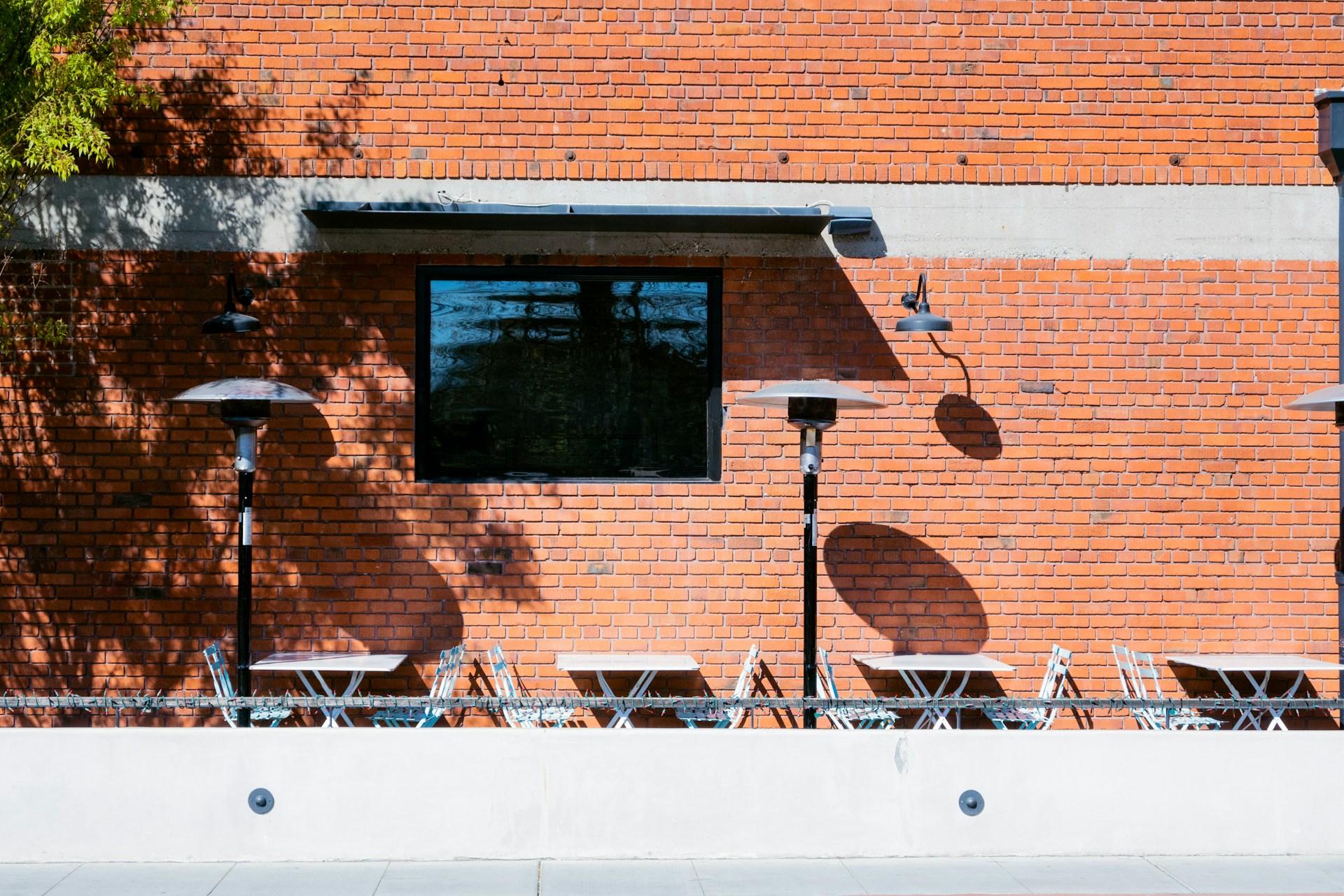
Year-round operation requires systems that adjust to changing weather conditions and customer preferences. Outdoor heating extends the comfortable season with infrared systems that warm people rather than air, remaining effective even in light winds. Fire features provide both warmth and visual focal points during cooler months.
Stackable furniture stores efficiently during off-season periods or severe weather events. Protective covers shield fixed installations and reduce maintenance needs. Windbreaks positioned according to local weather patterns protect seating areas without blocking desirable views or creating stagnant air pockets that trap odors.
How Should Construction Be Phased From Concept To Opening?
Strategic, phased implementation helps us manage budgets effectively while ensuring each construction element receives proper attention. We typically organize beer garden builds into distinct phases that minimize risk and optimize resource allocation throughout the project.
Initial Design and Planning
We start with a comprehensive concept sketch that captures the overall vision for the space. This preliminary drawing establishes the basic layout, seating arrangements, and feature placement before moving into detailed technical specifications. Following concept approval, we develop floor plans with precise dimensions, seating zones, and infrastructure requirements.
Material selection occurs during this phase, with an emphasis on durability and long-term maintenance needs. We evaluate weather resistance, cleaning protocols, and replacement costs to support sustainable operations. Lighting and landscape plans are integrated into the design documents, establishing electrical load requirements and irrigation specifications that inform construction sequencing.
Budgeting and Contractor Selection
We build comprehensive budgets that include construction costs, furniture procurement, and feature installation across all phases. This level of planning improves cost control and helps prevent overruns during construction. Budget allocation addresses immediate needs and future enhancement opportunities.
Contractor selection focuses on teams with proven commercial patio experience and a demonstrated understanding of outdoor hospitality construction. We evaluate past projects, licensing credentials, and availability to match project timelines. Regular site visits are scheduled throughout the build-out phase to maintain quality standards and address issues promptly.
Phased Construction Approach
Essential infrastructure forms the foundation of our phased approach, beginning with site preparation, utilities, and weather protection systems. We prioritize elements such as retractable awnings, drainage, and electrical infrastructure that enables basic operations. This strategy allows spaces to open with core functionality while additional features are added incrementally.
Secondary phases typically include entertainment features, enhanced lighting systems, and specialized landscaping elements. This approach spreads costs over time while generating revenue from initial operations. Storage solutions and seasonal adaptability features are often included in later phases when operational patterns become clear.
Compliance and Launch Planning
Permitting and regulatory compliance require ongoing attention throughout all construction phases. We coordinate with local authorities to ensure each phase meets current codes and maintains required approvals. Regular compliance reviews prevent delays and costly modifications during later construction stages.
Launch planning begins during the final construction phase, coordinating marketing activities with project completion schedules. We develop promotional strategies that highlight new features and capabilities while managing customer expectations during the opening period. This coordinated approach ensures a smooth transition from construction to full operations.
Conclusion And Next Steps
A comprehensive commercial beer garden construction project demands careful coordination across multiple phases. We begin with thorough site planning that evaluates space, accessibility, and indoor–outdoor flow. Securing permits and licenses comes next, addressing both construction approvals and liquor permits specific to your jurisdiction. Design implementation follows, incorporating weather-ready features, lighting systems, and flexible seating arrangements that serve diverse customer groups.
The phased build approach we recommend starts with essential infrastructure such as weather protection and utilities, then moves through lighting installation, landscaping, and final programming elements. This structured sequence reduces construction risks, manages cash flow effectively, and ensures regulatory compliance throughout the project. Each phase builds on the previous one, creating a beer garden that operates efficiently from day one while providing room for future enhancements.
Ready to move forward with your beer garden project? Contact EB3 Construction to discuss your site requirements and begin the permitting process.