Commercial commissary kitchen construction contractors build shared and delivery-focused kitchens designed for rapid launch and code compliance. We coordinate every element, from initial design to inspection readiness, creating functional spaces where food businesses can begin production immediately.
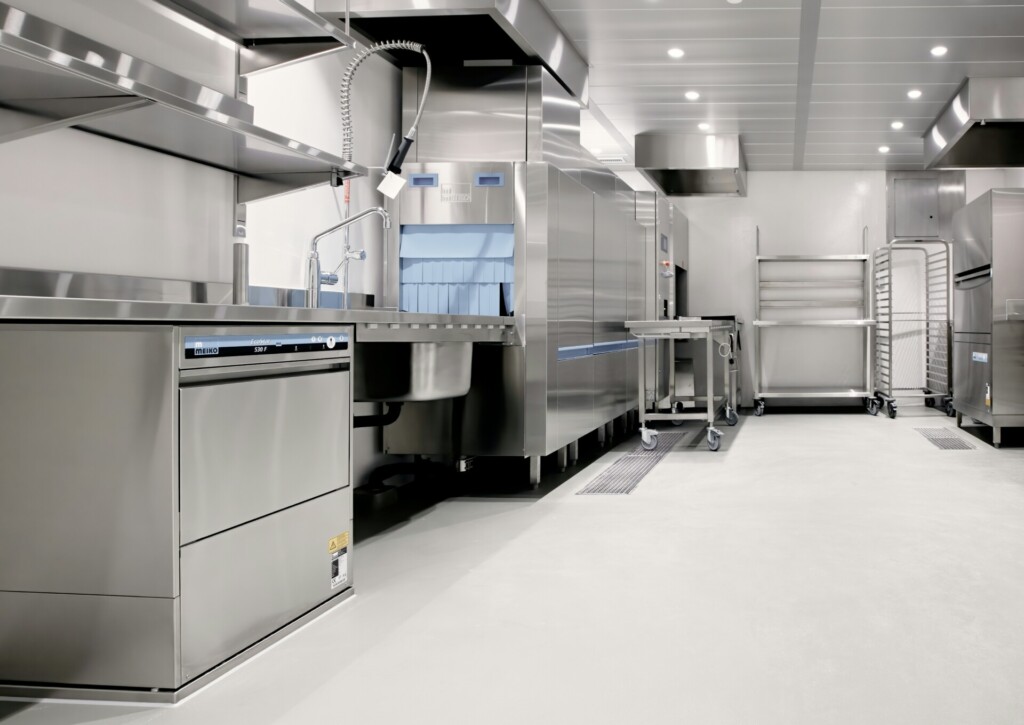
These specialized facilities feature stainless steel worktables, hood ventilation systems, triple-sink configurations, prep sinks, utility sinks, and storage areas optimized for efficient workflow. We manage design input, permitting processes, MEP trades coordination, equipment mounting, and final inspections so your commissary kitchen meets health department standards and operational demands from day one.
What Scopes And Line Items Belong In A Commissary Kitchen Build?
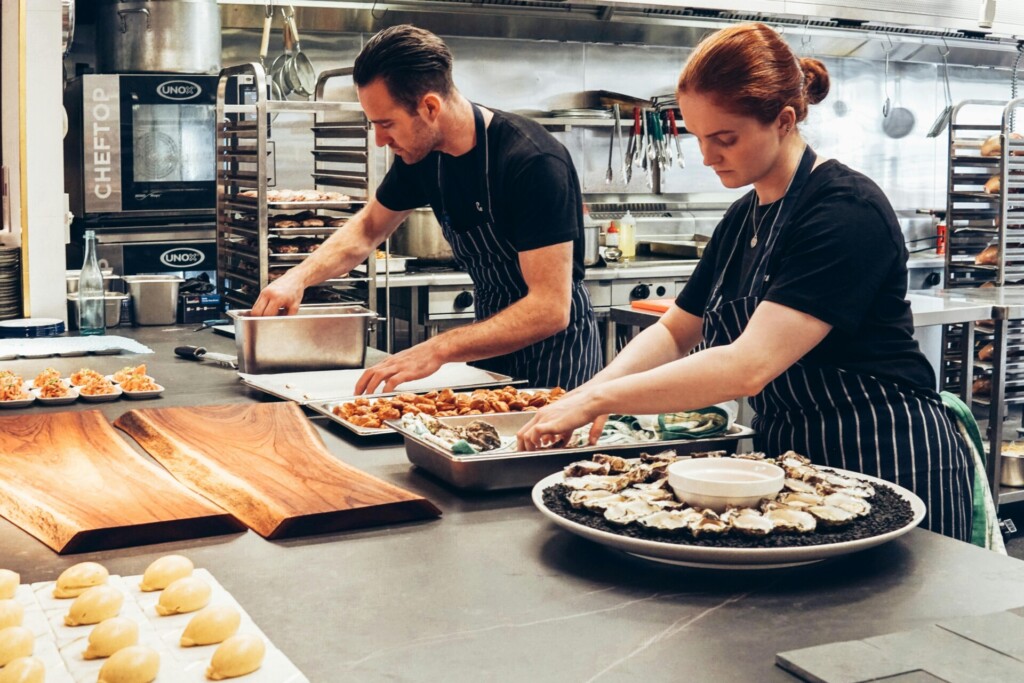
We organize commissary kitchen builds into six main scopes that keep projects moving toward health department approval. Each scope has specific line items that must align with inspection schedules and code requirements.
Assessment And Planning Phase
Our assessment work lays the foundation for everything that follows. We confirm the space can support commercial food operations. Layout and design consultation ensures workflow efficiency from receiving through final plating areas.
Building code review catches potential issues before construction starts. We analyze energy requirements, safety protocols, and fire suppression planning to meet local regulations. This phase prevents costly changes once trades are mobilized.
Preparatory Work Scope
Site preparation begins with permit acquisition through local authorities. We establish protective barriers and dust control systems to contain construction activity. Temporary utilities keep essential services running during the build.
Waste haul-away, floor leveling, and structural reinforcement preparation create clean working conditions. Site clearing, selective demolition, and hazardous material abatement remove obstacles safely. Each task follows environmental and safety protocols.
Structural And Carpentry Systems
We install insulation packages that meet commercial energy codes. Drywall and ceiling systems use moisture-resistant materials suitable for food service environments. Framing and wall systems accommodate heavy equipment loads and utility runs.
Commercial doors and windows provide required egress and natural light. Custom shelving and cabinetry maximize storage in compact spaces. Countertops use non-porous materials that withstand constant sanitizing. Structural steel supports walk-in coolers and heavy exhaust systems.
MEP Systems Installation
Electrical upgrades include panel expansions to handle commercial equipment loads. We install lighting levels appropriate for food prep and safety. Gas line installation serves cooking equipment with proper shutoff controls.
Plumbing rough-in includes grease traps and interceptors required by municipal codes. Water heaters and softeners supply adequate hot water capacity. Kitchen exhaust hoods and ductwork remove heat, smoke, and grease-laden vapors.
Fire suppression systems protect cooking areas with wet- or dry-chemical agents. Commercial HVAC maintains temperature control and air quality throughout the facility. Each system undergoes testing before final inspection.
Finishes And Equipment Installation
We install stainless steel backsplashes that meet health department standards. Access control hardware manages entry to storage and prep areas. Sinks and faucets include handwashing, prep, and utility configurations.
Acoustic ceilings reduce noise in shared kitchen environments. Paint and coatings feature antimicrobial formulations where required. Floor finishes and wall tiling provide slip resistance and easy cleaning.
Commercial kitchen equipment mounting includes proper utility connections and clearances. Each piece receives final positioning and calibration before inspection.
Project Support And Completion Services
We coordinate all required inspections with building, health, and fire departments. As-built documentation captures any field changes for facility management records. Waste management planning addresses ongoing grease trap servicing and solid waste removal.
Site safety inspections ensure compliance throughout construction. Energy-efficiency certification support helps meet utility rebate requirements. Final cleaning removes all construction debris before health department walk-through.
EB3 Construction also handles specialized services like walk-in cooler installation, refrigeration system commissioning, and equipment welding modifications. We safely demolish outdated equipment and coordinate new appliance delivery and placement.
How Do Permits, Code Compliance, And Health Approvals Work?
Most cities require four core approvals before commissary operations can launch. We coordinate these steps early in the build process to avoid delays at opening.
The basic requirements are straightforward. A business license from the city establishes your legal right to operate. A food establishment permit from the local health department follows a successful inspection. Zoning and building compliance confirm that your space meets municipal codes. Liability insurance protects your operation and meets lender requirements.
Building codes, ADA requirements, and health regulations influence design choices throughout the project. Fire suppression systems must meet both building and health codes. Kitchen ventilation requires approval from multiple inspectors. Plumbing rough-in demands coordination among MEP trades to meet health department standards.
Scheduled inspections create project milestones. Building inspectors review structural work, electrical panel upgrades, and gas line installation. Health department officials focus on food-contact surfaces, handwashing stations, and temperature-control equipment. Fire marshals inspect suppression systems and egress routes.
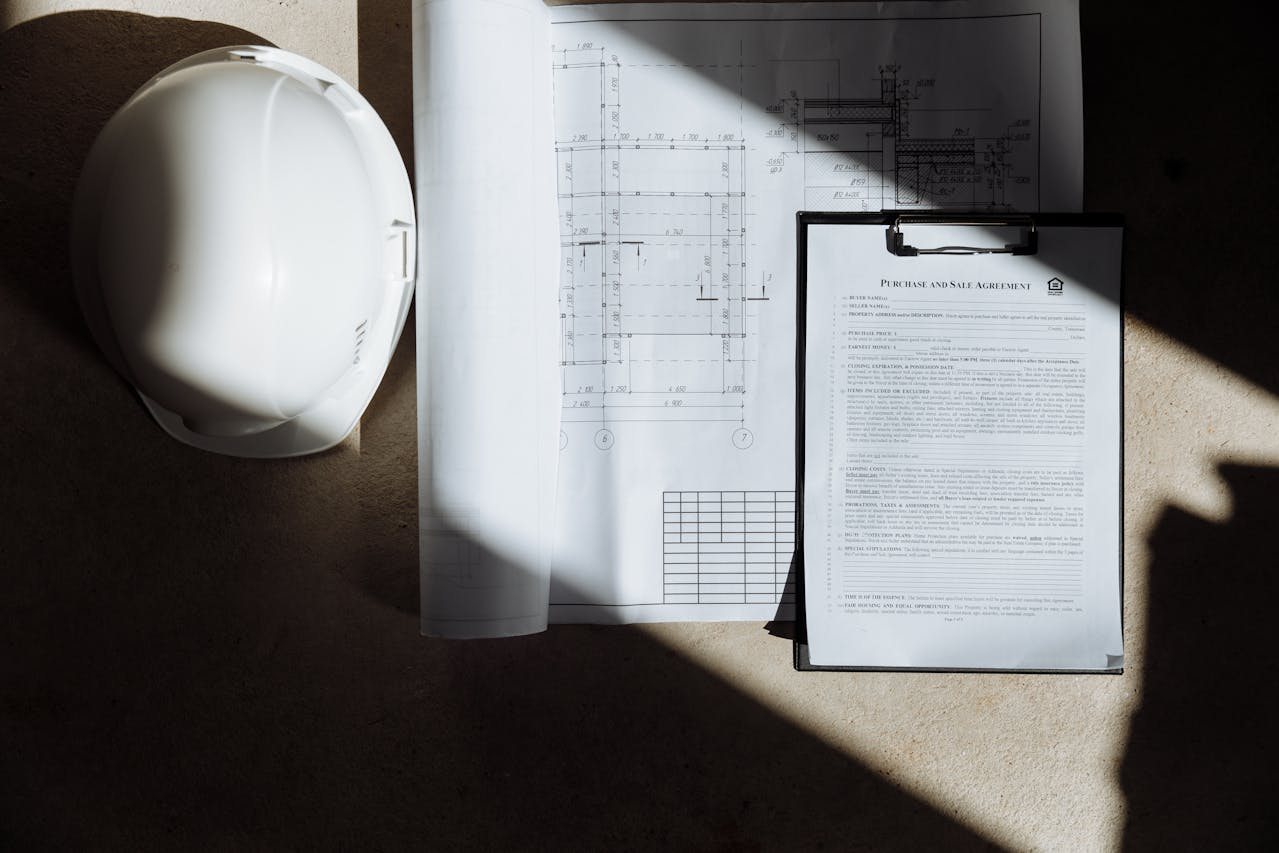
We handle permit applications at the project start and coordinate inspections as work progresses. This includes scheduling health department walk-throughs, building code compliance checks, and final approval meetings. Our permit management approach ensures that each trade knows inspection requirements and timing, so the build stays on schedule and meets all local standards.
How Do Dark/Ghost Commissary Kitchens Compare To Traditional Brick-And-Mortar Builds?
Construction costs vary dramatically between these approaches. We typically see upfront investments of about $1 million for traditional brick-and-mortar restaurants, compared with $30,000-$100,000 for ghost kitchen setups. This tenfold difference shapes every aspect of project planning, from financing to timeline expectations.
Square footage requirements tell a similar story. Traditional restaurants typically need about 2,000 square feet to accommodate dining areas, kitchens, and support spaces. Ghost kitchens operate efficiently in 200-300 square feet, focusing exclusively on food production and packaging for delivery-only operations.
Staffing levels reflect the operational differences. Brick-and-mortar restaurants employ approximately 24 staff members to cover front-of-house service, kitchen operations, and management roles. Delivery-only facilities require 4-6 team members focused on food prep, cooking, and order fulfillment.
Launch timelines show the most striking contrast in our experience. Traditional restaurant builds typically require 52 weeks from concept to opening, accounting for design, permitting, construction, and inspection phases. Ghost kitchens can launch within 8-12 weeks when permits, equipment procurement, and site preparation align properly.
Break-even timing follows the same cost and complexity patterns. Traditional restaurants often need 3-5 years to recover initial investments due to higher overhead, staffing costs, and market development. Ghost kitchens frequently reach profitability within 6-12 months thanks to lower operating expenses and a focused delivery model.
| Aspect | Traditional Restaurant | Ghost Kitchen |
|---|---|---|
| Initial Investment | $1 million | $30,000-$100,000 |
| Square Footage | Approximately 2,000 sq ft | 200-300 sq ft |
| Staffing | About 24 staff members | 4-6 staff members |
| Launch Timeline | 52 weeks | 8-12 weeks |
| Break-even Timeframe | 3-5 years | 6-12 months |
Disclaimer: Pricing figures are based on publicly available market data and are intended for general estimation purposes as of January 2026. They do not represent a formal quote from EB3 Construction. Actual costs will vary by project scope, location, labor rates, and material prices.
These models serve different business strategies and market approaches. Ghost kitchens and dark kitchens represent the same delivery-focused concept using interchangeable terminology. In shared commissary facilities, multiple operators lease individual kitchen spaces within the same building, sharing common areas such as loading docks and waste management while maintaining separate food production areas.
The construction scope shifts significantly between these approaches. Traditional builds require dining room finishes, customer restrooms, front-of-house electrical systems, and extensive HVAC for comfort. Ghost kitchens eliminate these elements, focusing mechanical, electrical, and plumbing (MEP) systems on food safety, ventilation, and efficient workflow support.
What Planning Steps Reduce Risk Before You Build Versus Rent?
Strategic planning separates successful food operations from failed ventures. We often see operators rush into construction decisions without adequate preparation, leading to cost overruns, delayed openings, and operational bottlenecks that could have been avoided.
Product research and development drives every successful kitchen decision. Study your target market, analyze competitor offerings, and understand local demand patterns. Build detailed financial models with realistic revenue projections, operating costs, and break-even timelines. Test your concept in a kitchen incubator or shared commissary before committing to permanent construction.
Construction carries inherent risks that rental arrangements avoid. Building your own facility requires substantial upfront capital, lengthy permit processes, and construction delays that can add months to your timeline. Shared kitchen spaces and commissary lease arrangements let you start operations immediately while testing market reception and refining your processes.
Expect a sales ramp-up period regardless of your kitchen model. Most operations experience slower-than-projected revenue for the first six months as they build customer bases, optimize menus, and establish delivery routes. Factor this reality into your financial planning and ensure adequate working capital for the early months.
Choose the kitchen model that matches your current needs and growth trajectory. Test kitchens work well for concept validation and small-scale production. Shared commissary facilities support moderate volume with reduced overhead. Dedicated builds make sense once you have proven demand, established cash flow, and clear expansion plans.
Logistics and co-packer decisions affect both cost structure and operational complexity. Evaluate whether third-party food production, packaging, or distribution services reduce your facility requirements and startup costs. Co-packers can handle specialized equipment needs like blast freezing or high-volume bottling that would be costly to install in a custom facility.
Site selection, staffing plans, and coordination with your professional team require early attention. We help operators time the transition from shared space to dedicated facilities by ensuring code-ready scopes, permit paths, and construction schedules align with proven business growth and market validation.
Conclusion And Next Steps

Commercial commissary kitchens require rigorous planning, detailed scopes, and strict compliance. Comparison data on ghost kitchens and brick-and-mortar facilities show significant differences in investment, schedule, and operational complexity that directly affect your construction approach. Budget allocation, permit sequencing, and MEP coordination need early attention to prevent delays and cost overruns.
Map your line items, permits, and inspections early in the process. Build a realistic schedule and budget that align with health department requirements, building codes, and ADA standards. The success of your commissary kitchen project depends on coordinated execution across design phases, equipment installation, and regulatory approvals. Schedule inspections strategically to maintain momentum through final approval and launch readiness.
Contact EB3 Construction to coordinate design, MEP systems, equipment installation, and approvals for your commissary kitchen project.