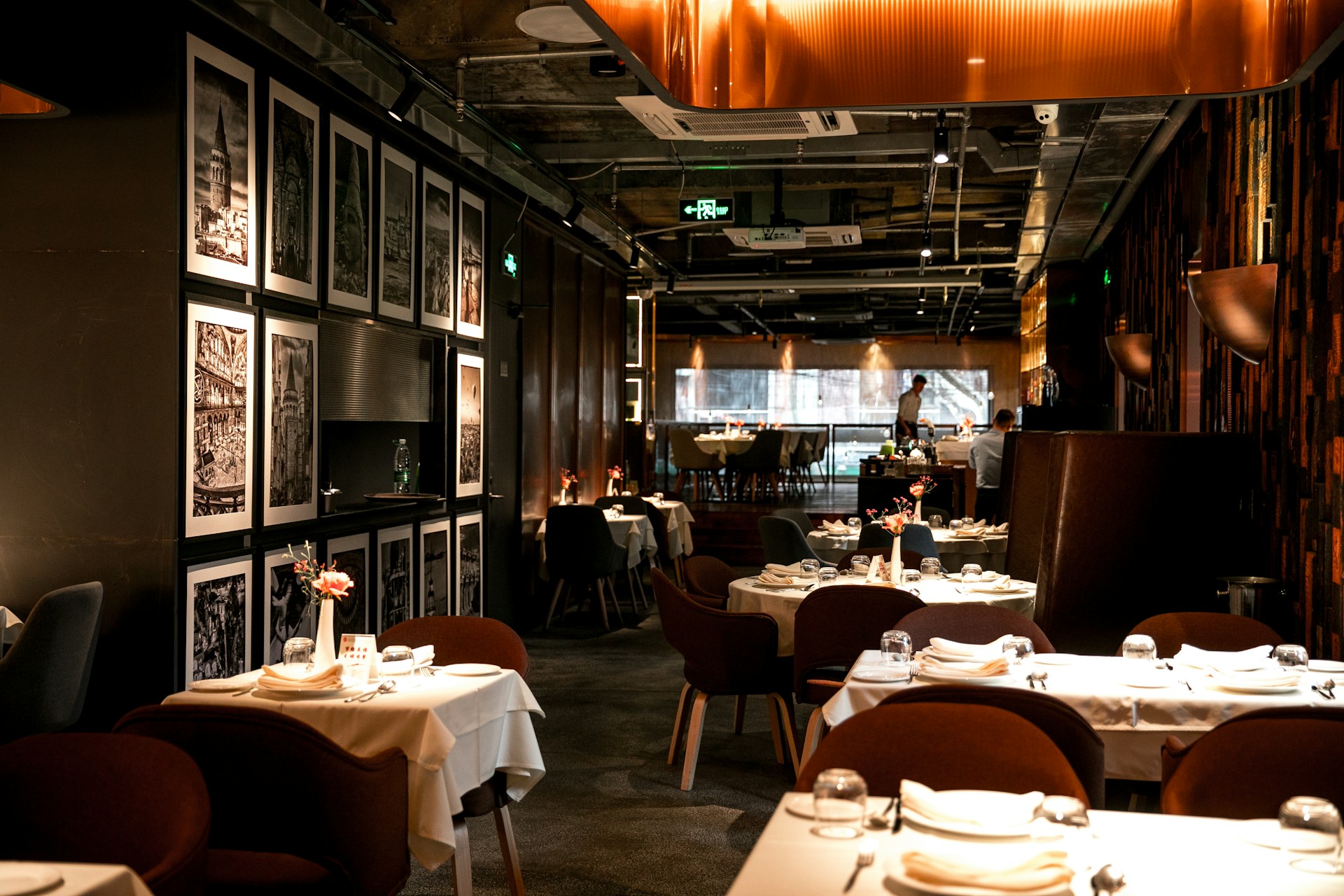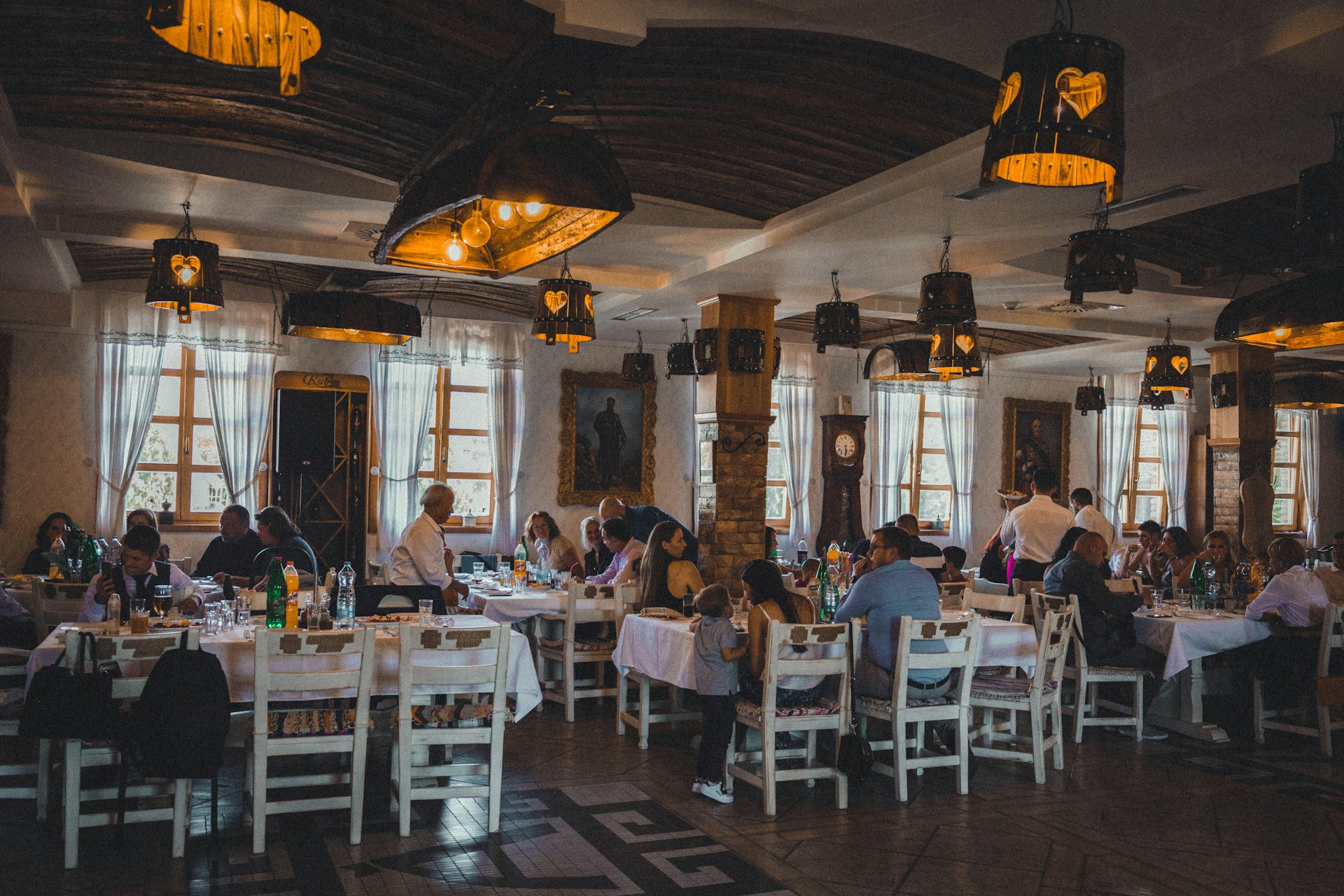

Restaurant and bar construction failures can cost tens of thousands of dollars in delayed openings and code violations. Fire suppression systems that fail inspection, incorrectly installed grease traps, or ADA compliance issues discovered during the final walk-through can derail opening dates and strain budgets. These specialized builds demand contractors who understand health department requirements, ventilation codes, and the operational flow that keeps guests and staff moving efficiently.
Speaking with past clients reveals how contractors handle these high-stakes challenges. We’ve seen projects where inadequate ventilation planning led to expensive rework, and others where poor acoustic design created dining rooms too noisy for conversation. Reference calls offer insight into performance on critical elements such as kitchen infrastructure coordination, inspection management, and reducing costly downtime during construction.
Which Project-Specific Restaurant And Bar Experience Should References Confirm?
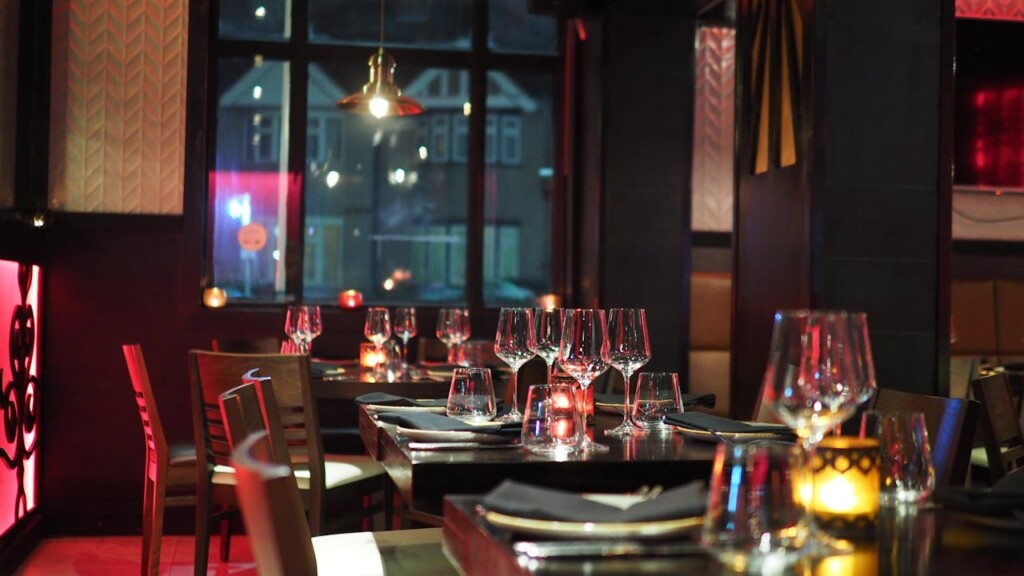
Restaurant and bar construction demands specialized knowledge across multiple systems and codes. When speaking with references, these questions help verify whether the contractor truly understands the unique challenges of hospitality builds.
Project Type And Scope Verification
Start by confirming the contractor has handled similar work. What type of project did they complete for you? Was it a restaurant or bar with a similar scope to yours?
This question establishes whether the contractor has direct experience with your project type. A contractor who has built coffee shops may struggle with full-service restaurant demands, while someone experienced in nightclub construction might excel at bar acoustics but lack commercial kitchen expertise.
Commercial Kitchen Infrastructure Knowledge
Kitchen systems form the backbone of any successful restaurant operation. Ask whether the team understood kitchen infrastructure, including hoods, exhaust systems, grease traps, walk-in coolers, drainage, and gas, electrical, and plumbing connections.
These MEP systems require precise coordination and specialized installation. Hood systems must integrate with fire suppression and exhaust ventilation. Walk-in coolers need proper drainage and electrical connections. A contractor without this experience can create costly problems during inspections.
Health Department And Code Compliance
Regulatory compliance separates experienced contractors from generalists. How did they handle health department requirements, fire suppression systems, and ventilation standards? Did inspections pass without major corrections?
Failed inspections delay openings and increase costs. Contractors who regularly work with local health departments understand inspection criteria and build accordingly. They coordinate fire suppression with kitchen equipment and ensure ventilation meets commercial cooking demands.
ADA Compliance Implementation
Accessibility requirements affect every aspect of restaurant design. Were ADA requirements properly addressed in restrooms, entries, and seating layouts?
ADA compliance goes beyond basic accessibility. We often see contractors miss details such as proper door clearances, accessible seating ratios, and restroom configurations. These oversights require expensive corrections and can delay occupancy certifications.
Guest Flow And Operational Design
Successful restaurants balance aesthetics with functionality. Did the build improve guest flow between the host area, bar, kitchen, and tables? How were sightlines, lighting, and acoustic considerations handled?
This question reveals whether the contractor understands hospitality operations. Poor guest flow creates service bottlenecks. Inadequate acoustic planning leads to noise complaints. Lighting affects both ambiance and staff efficiency.
Permit Management And Documentation
Complex projects require careful permit coordination. Who managed permits and inspections? Were permit records and inspection logs clear and timely?
Permit delays can derail construction schedules. Experienced contractors either handle permitting directly or coordinate closely with expeditors. They maintain detailed inspection logs and ensure all approvals align with construction phases. Clear documentation protects both the contractor and the owner throughout the approval process.
What Should You Ask About Budget, Change Orders, And Schedule?
Restaurant and bar projects demand tight financial control. Revenue-generating spaces cannot afford surprise costs or extended downtime. These questions help reveal how the contractor manages budgets and schedule demands in hospitality environments.
Start with the written estimate. Did you receive a comprehensive written estimate before work began? Were scope boundaries, allowances, and exclusions clearly defined? A solid estimate protects both parties by establishing expectations up front. Ask references who can explain how allowances were handled for items like specialty kitchen equipment, custom millwork, or acoustic treatments.
Budget adherence tells the real story. Did the final cost match the original estimate? If costs increased, what drove those changes? Were additional expenses explained and approved before work proceeded? Cost overruns happen, but the process matters. We find that transparent communication about budget impacts prevents disputes and maintains project momentum.
Change orders require strict documentation on restaurant projects. How were change orders priced and processed? Were schedule impacts clearly noted alongside cost adjustments? Restaurant builds often involve owner-driven changes as the space takes shape. References should be able to describe the contractor’s pricing methodology and any timeline adjustments for modifications.
Schedule performance directly affects revenue. Was the project completed on time? If delays occurred, how were they communicated and resolved? Ask about specific causes rather than just outcomes. Weather delays affect all projects, but missed inspections or coordination failures can indicate contractor management issues that could recur.
Downtime minimization separates experienced restaurant contractors from general builders. How did the contractor limit operational disruption? Did they phase work to keep parts of the space open? Were crews scheduled for overnight shifts or during seasonal closures? These strategies require extra coordination but help preserve revenue during construction.
Payment structure can reveal a contractor’s financial stability. How were deposits, progress payments, and final billing handled? Were there payment surprises or unexpected billing practices? Contractors with solid cash flow management typically follow predictable payment schedules tied to milestone completion rather than demanding unusual terms or early payments.
How Did Communication, Site Management, And Supervision Work Day-To-Day?

Daily project supervision shows how a contractor manages the complex coordination required for restaurant and bar construction. These projects demand constant communication between trades, health inspectors, and ownership teams working within tight operational windows.
Ask references about the contractor’s on-site presence and management structure. Strong project managers maintain daily visibility and provide regular updates on progress, inspections, and any emerging issues that could affect opening schedules.
Project Manager Presence and Communication
Consistent on-site leadership can be the difference between smooth project flow and costly delays. The person you meet during the sales process may not be the person overseeing your site each day. Ask references who was physically present each day directing trades, ensuring quality workmanship, and confirming building standards were understood and met.
Effective project managers serve as the communication hub, coordinating with ownership, staff, subcontractors, and inspectors so all parties function smoothly. They provide clear, consistent communication about progress, potential delays, and solutions before issues escalate into schedule impacts.
Problem Resolution and Documentation
Restaurant and bar projects encounter unique challenges that require prompt, documented solutions. Ask references how quickly the contractor addressed issues and whether their responses prevented delays or cost overruns. Well-managed contractors identify problems early and communicate solutions with supporting documentation.
Look for patterns in how the contractor handled unexpected discoveries common in food service construction: outdated electrical systems, plumbing complications, or structural modifications needed for equipment installation. The best contractors anticipate these issues and have protocols for rapid resolution while maintaining inspection pass rates.
Site Cleanliness and Safety Management
Construction sites in occupied buildings or those preparing for health department inspections require exceptional cleanliness and safety protocols. Ask references about daily housekeeping standards and whether the contractor maintained safe, organized work areas throughout the project.
Food service construction often occurs in phases to minimize downtime, making worksite safety particularly critical when coordinating multiple trades in compressed timeframes. References should confirm whether the contractor maintained proper safety protocols and whether there were any conduct issues that affected project progress or created liability concerns.
Subcontractor Oversight and Professional Standards
Restaurant and bar construction relies heavily on specialized subcontractors for MEP systems, kitchen equipment installation, and health department compliance work. Ask references about how the contractor managed subcontractors and whether all trades maintained professional standards throughout the project.
Effective general contractors ensure their subcontractors understand food service requirements and maintain appropriate licensing for specialized work. References should confirm that subcontractor work consistently passed inspections without requiring extensive corrections that could delay occupancy certification.
How Do You Verify References And Spot Red Flags?
Collecting multiple references provides a more complete picture of how a contractor operates across different projects and timelines. We request contacts from ongoing work, recently completed jobs, and projects finished over a year ago. This mix shows whether quality has remained consistent or standards have shifted. For restaurant and bar builds, we require at least three references from similar commercial food-service projects with comparable scope and complexity.
Phone conversations or face-to-face meetings provide the depth we need to evaluate contractor performance. Text messages and emails miss the nuanced responses that reveal true experiences. We prepare open-ended questions that require detailed explanations rather than simple yes-or-no answers. Questions like “How did the contractor handle the health department inspection process?” or “Walk me through how change orders were managed” generate specific insights about working relationships and problem-solving approaches.
Cross-Check Documentation and Claims
We verify every significant claim through independent sources and documentation. Permit records from city or county offices confirm whether required permits were actually pulled and inspections passed. We request copies of inspection logs to verify that health department, fire suppression, and building inspections occurred as promised. Project photos with timestamps help confirm completion dates and quality standards.
Documentation cross-checks protect against exaggerated claims or misrepresented project scope. We compare what references tell us against permit applications, occupancy certificates, and inspection records. This verification process has helped us catch discrepancies in which contractors claimed responsibility for work they only partially completed or took credit for permits obtained by others.
Identify Patterns Across Multiple References
Single comments carry less weight than patterns we observe across multiple conversations. We track recurring themes such as budget overruns, schedule delays, communication gaps, or quality concerns. Three separate references mentioning surprise charges or poor subcontractor coordination signal a systemic issue rather than an isolated incident.
We also note positive patterns that indicate reliable performance. Consistent praise for on-time completion, clear communication during inspections, or prompt warranty support suggests these behaviors are standard practice. According to industry research on reference verification, patterns in feedback are more reliable predictors of future performance than isolated praise or complaints.
Recognize Staged References
Staged references cannot provide specific details about project execution, costs, or day-to-day operations. We watch for people who struggle to explain the scope of work, cannot recall timeline details, or provide vague answers about subcontractors and inspections. Legitimate references readily discuss challenges that arose, how problems were solved, and specific aspects of the contractor’s performance.
We ask detailed questions about project phases, permit timing, and inspection schedules that only genuine clients would know firsthand. References who cannot explain why certain work required permits, how long inspections took, or which subcontractors handled specialized tasks may not have actually worked with the contractor on a substantial project.
Conduct Site Visits When Possible
On-site inspections reveal quality and durability that photos cannot capture. We examine finish work around hood systems, tile installations in high-moisture areas, and code-driven details like ADA compliance features. Well-executed commercial kitchen builds show clean penetrations through walls, properly sealed surfaces, and systems that have aged well under heavy use.
Site visits also confirm that the claimed work was completed by the contractor being evaluated. We look for consistent installation methods, material choices, and attention to detail that match the contractor’s described approach. Projects that have held up well over time demonstrate both initial quality and appropriate material selection for commercial food-service environments.
Conclusion And Next Steps
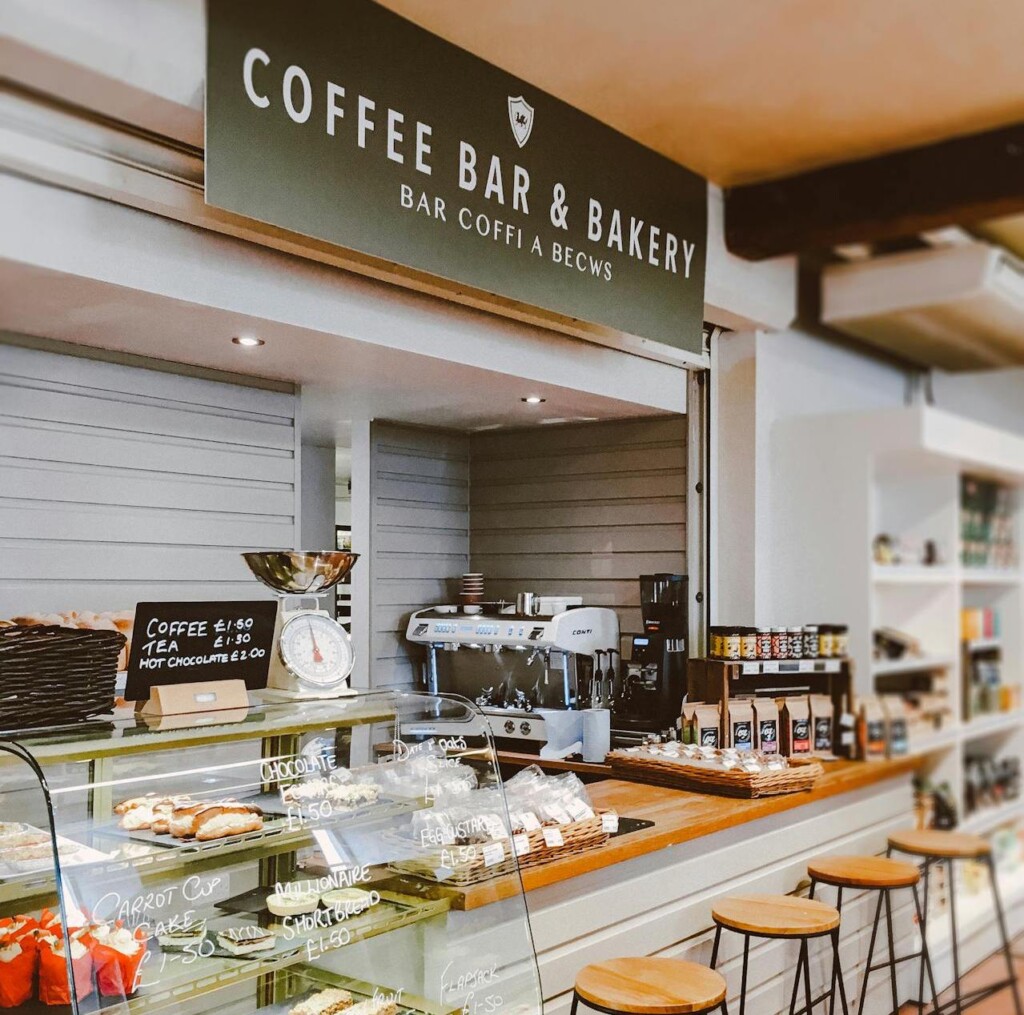
Thorough reference calls help reduce risk on restaurant and bar projects where code compliance and guest experience drive success. We’ve seen these high-stakes projects require specialized knowledge of kitchen infrastructure, health department requirements, and acoustic considerations that typical commercial builds rarely encounter. For statewide context, see Texas home building regulations.
Your due diligence process should include at least three recent references from similar projects. Document their responses on budget adherence, schedule performance, permit records management, and communication patterns. Cross-check claims against inspection logs and visit completed sites when possible. Verify warranty support and how quickly post-completion issues were resolved. This systematic approach helps identify contractors with proven track records in restaurant and bar construction, where failure can carry major financial and operational consequences.
Ready to start your restaurant or bar project with confidence? Contact EB3 Construction to discuss how our experience with hospitality projects can support your vision.