A restaurant build-out is one of the most technically demanding tenant improvements in commercial construction. Commercial kitchen ventilation, grease management, fire suppression integration, and health department compliance all have to come together within a single coordinated scope; and the contractor you hire determines whether that coordination happens before the walls close or after an inspection failure.
Knowing exactly what to evaluate before you sign a contract is what separates a smooth opening from a costly delay.
How to Hire the Right Contractor for a Restaurant Build-Out: MEP, Permits, and Closeout
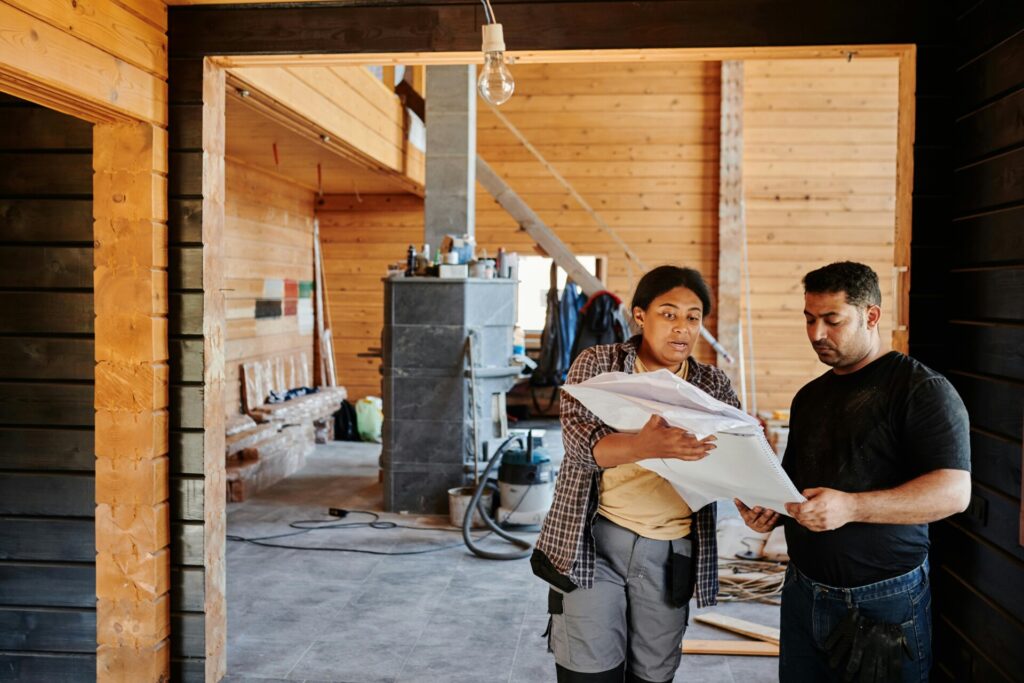
Business Legitimacy and Contractor Licensing
Before reviewing a single bid, confirm that the contractor operates as a legitimate, established business. A verifiable physical address, an active phone number, a current website, and a documented portfolio of restaurant work are baseline indicators of professional standing. A contractor without these fundamentals presents a real risk on a complex commercial kitchen project.
Contractor licensing requirements vary by state and municipality, so cross-reference credentials directly with the relevant state licensing board or local building department. General contractor licensing covers the overall project, but restaurant build-outs also require licensed trade work in the electrical, plumbing, and mechanical scopes. Verify each trade license independently, not just the GC credential.
Portfolio verification deserves the same rigor as license checks. A contractor should be able to show documented restaurant work, not just general commercial tenant improvements. The complexity of a commercial kitchen, with dedicated circuits, gas line sizing, and grease management systems, demands contractors who have navigated those scopes before.
Insurance Requirements and Certificate of Insurance Verification
Request a certificate of insurance (COI) directly from the carrier, not from the contractor. This single step prevents the submission of outdated or altered documents. Commercial general liability (CGL) coverage for commercial work typically carries a minimum of $1 million per occurrence and $2 million aggregate, though project-specific requirements may call for higher limits.
Workers’ compensation coverage is nonnegotiable. Any lapse in this coverage shifts liability for on-site injuries directly to the project owner. Confirm that the policy is active and that coverage extends to all workers on the project, including subcontractor labor where applicable.
A surety bond adds another layer of financial protection. Where insurance responds to damage and liability, a surety bond addresses non-performance. Performance bonds guarantee project completion per contract terms, while payment bonds protect subcontractors and material suppliers from non-payment. For larger restaurant build-outs, requiring bonding is a practical safeguard, not an administrative formality.
References and Contract Review
Call at least three recent references from restaurant projects, not general commercial work. Ask questions that matter: Did the contractor meet the schedule? How were budget overruns handled? Did they resolve MEP coordination conflicts without stalling the project? References reveal problem-solving patterns that no proposal document can replicate.
The Better Business Bureau and state contractor databases can surface complaint histories that references might not disclose. Cross-checking both gives a clearer picture of how a contractor performs under pressure, which is exactly the condition a restaurant build-out creates.
When reviewing contract documents, look for clearly defined scopes of work, milestone-based schedules, and explicit change-order procedures. Pricing transparency matters here: a contract that lacks a defined process for change orders creates budget exposure from day one. The contract should also confirm permit ownership, inspection responsibilities, and the contractor’s acknowledgment of applicable code compliance requirements across building, fire, and health departments.
| License Type | Licensed | Registered | Unlicensed |
| Insurance Minimums | Varies by state and project type | General liability and workers’ compensation | None |
| Bond Types | Performance & Payment bonds often required | No bonds required | No bonds required |
| Reference Criteria | Active license, current COI, confirmed bond, no OSHA violations | Minor documentation gaps addressable | Expired or absent license, unconfirmed bond, active complaints |
What Restaurant-Specific MEP Competencies Must The Contractor Demonstrate?
Commercial Kitchen Equipment Integration
Hood alignment to cooking appliances sets the foundation for everything downstream. A contractor working on a restaurant MEP scope must confirm that every hood position matches the equipment layout, with BTU load and CFM calculations verified against actual appliance specifications before rough-in begins.
Gas line sizing follows directly from that equipment schedule. Lines must deliver adequate supply pressure when all connected appliances operate simultaneously, and routing must maintain code-required clearances from ductwork and electrical conduit. Panel capacity planning happens in parallel, with dedicated circuits assigned to high-draw equipment such as combi ovens, fryers, and walk-in compressors.
Walk-in cooler and freezer coordination carries its own set of requirements. Proper insulation values, vapor barriers, and clearances around condensing units affect both energy performance and equipment longevity. A contractor who treats walk-in installation as a simple box placement, rather than a coordinated mechanical scope, creates problems that surface after occupancy.
HVAC And Ventilation
Commercial kitchen ventilation systems can account for up to 50% of a facility’s total HVAC load, according to the ASHRAE Design Guide for Commercial Kitchen Ventilation. Managing that heat load demands early coordination between the mechanical design and the equipment layout, not a reactive fix once ductwork is in place.
Makeup air design directly controls whether the kitchen operates under negative pressure. When exhaust volume exceeds supply, doors become difficult to open, gas appliances can backdraft carbon monoxide into the space, and the hood loses capture efficiency. A competent contractor sizes the makeup air unit to deliver approximately 90% of the calculated exhaust CFM, drawing the remaining 10% from adjacent spaces to prevent cooking odors from migrating into dining areas.
Return placement and variable-speed controls round out the HVAC scope. Returns positioned incorrectly pull grease-laden air toward dining zones. Demand-controlled kitchen ventilation systems use optical and temperature sensors to modulate fan speed during low-cooking periods, reducing airflow by 50% or more and cutting energy costs without compromising NFPA 96 compliance.
Plumbing And Grease Management
Grease interceptor sizing is one of the most scrutinized items in a health department review. Sizing must be calculated against actual fixture flow rates, not estimated, and local wastewater authority requirements vary enough that a contractor without restaurant plumbing experience will often undersize the unit. An undersized interceptor fails inspection and triggers costly rework after finish work is complete.
Hot water capacity planning addresses simultaneous peak demand across prep sinks, three-compartment sinks, hand-wash stations, dish machines, and steam equipment. A dish machine alone requires sustained hot water delivery at sanitizing temperatures. Waste line slope and accessible cleanout placement keep the drainage system functional and maintainable, while floor drains with backflow preventers protect against sewer surges during heavy cleaning cycles.
Water filtration for ice machines and beverage systems is a detail that affects both equipment performance and health code compliance. Scale buildup from unfiltered water shortens equipment life and can create conditions that fail inspection. A contractor with restaurant plumbing expertise plans filtration as part of the rough-in, not as a field addition after equipment is set.
Fire And Life Safety
Fire suppression integration with hood systems follows a specific sequence of operations. When heat sensors activate the wet chemical suppression system, gas and electrical interlocks must shut off simultaneously to prevent re-ignition. That sequence requires coordinated installation between the mechanical, electrical, and fire protection scopes, with suppression nozzles positioned directly above each protected appliance per UL 300 requirements.
Alarm and sprinkler coordination extends the life safety scope beyond the hood. The kitchen suppression system must interface with the building’s fire alarm system, and sprinkler coverage must address areas outside the hood’s protection zone. Rated separations between the kitchen and adjacent occupancies, exit lighting, and emergency systems all fall within the contractor’s coordination responsibility and will be verified during the fire marshal’s review.
Class K fire extinguishers must be positioned within 30 feet of cooking equipment per NFPA 10. Emergency gas shutoff valves must be accessible to kitchen staff and located per local fire code. These are not finishing touches; they are inspection checkpoints that determine certificate of occupancy eligibility.
ADA And Universal Design
ADA compliance in a restaurant build-out covers both public-facing areas and applicable back-of-house elements. Door widths, aisle clearances, and counter heights in dining and service areas must meet minimum dimensional requirements. Accessible routes from entry through seating, service counters, and restrooms require continuous planning across the architectural and construction scopes.
Restroom compliance carries detailed dimensional requirements for turning radii, fixture placement, grab bar positioning, and approach clearances. These dimensions are fixed by code and cannot be adjusted in the field without triggering a redesign. A contractor who coordinates ADA requirements during layout, rather than during the punch list, avoids the expensive partition moves and fixture relocations that follow a compliance review failure.
Back-of-house accessibility considerations apply in areas where employees with disabilities may work. Aisle clearances between equipment, workstation heights, and pathway widths to emergency exits all factor into a compliant and operable kitchen. Treating ADA as a front-of-house checklist, rather than a full-building coordination requirement, leaves the project exposed at final inspection.
How Will They Manage Schedule, Communication, And On-Site Coordination?

Daily On-Site Lead
A restaurant build-out without a consistent on-site authority is prone to delays. Every contractor you evaluate should name a specific superintendent or project manager who will be present daily—someone with the decision-making authority to resolve field conflicts without escalating every issue up a chain of command. That individual needs to understand both MEP sequencing and the space’s physical constraints.
The daily lead also serves as the primary communication hub between trade contractors, vendors, and the design team. When equipment deliveries, rough-in inspections, and subcontractor schedules converge, a distracted or part-time superintendent cannot keep pace. Ask the contractor directly: who will be on-site every day, and what are the limits of their field authority?
Communication Cadence and Progress Meetings
Sporadic updates create gaps that cost time and money. A structured communication plan should include daily check-ins at the site level and weekly written summaries distributed to all stakeholders through agreed channels, whether that is project management software, email, or a shared document platform. The weekly summary should cover completed work, upcoming tasks from the look-ahead schedule, open RFIs, and any permit sequencing issues that need resolution.
Progress meetings are where field reality is compared to the plan. A contractor who runs these consistently and documents decisions made in the meeting gives developers and property owners a reliable record. That documentation matters when change orders arise or when a local inspector asks for a timeline of approvals.
Look-Ahead Scheduling and Trade Sequencing
A master schedule shows the full project arc, but a look-ahead schedule drives daily execution. Look-ahead schedules typically cover two to six weeks and are updated weekly to reflect actual progress and upcoming resource requirements. For a restaurant build-out, this tool is critical because MEP rough-ins, equipment deliveries, and inspections must occur in a precise sequence.
A contractor working in a multi-tenant retail center faces additional constraints that a standalone build rarely presents. Shared corridors, loading dock schedules, and noise ordinances from adjacent tenants can compress usable work windows. The look-ahead schedule must account for these retail center constraints, sequencing trades so electrical rough-in does not conflict with plumbing inspections, and hood installation aligns with gas line completion rather than arriving weeks earlier.
After-hours work or phased construction may be necessary depending on the center’s operating hours. Confirm that the contractor has managed this before and that their subcontractor network can accommodate non-standard schedules without incurring premiums that blow the budget.
Local Permitting Fluency and Subcontractor Networks
Local permitting knowledge separates contractors who guess from those who plan. Permit sequencing for a commercial kitchen involves building permits, health department reviews, fire marshal approvals, and sometimes separate mechanical permits for hood suppression systems. A contractor unfamiliar with the local jurisdiction’s review timeline can easily build a schedule that assumes two-week turnarounds when the reality is six weeks.
Established relationships with local electrical, plumbing, and HVAC subcontractors matter here. When a health department inspection requires a correction before a fire inspection can proceed, a contractor with local subcontractor ties can mobilize quickly. One relying on out-of-area trades will lose days waiting for availability.
Vendor Coordination and Site Logistics
Equipment vendors and the construction schedule must run in parallel, not in sequence. Walk-in cooler deliveries, commercial hood shipments, and dish machine installations each carry lead times that can run eight to sixteen weeks or longer depending on the manufacturer. A contractor who does not align these delivery windows with the MEP rough-in schedule will either have equipment sitting in a finished space before mechanical connections are ready or be scrambling to complete work before an operator’s opening date.
Site logistics also include a phased cleanup and waste removal plan. On a working commercial property, debris accumulation in shared areas creates liability exposure and can trigger complaints from neighboring tenants. Ask the contractor to describe their waste management plan by phase and confirm it is written into their site safety and logistics documentation.
Which Contract Terms, Budget Controls, And Closeout Standards Protect Your Project?
Payment Structure And Retainage
Milestone-based or progress-based payment schedules keep financial exposure in check throughout a restaurant build-out. Rather than releasing large lump-sum payments tied only to calendar dates, structured payments align disbursements with verified completion of defined scopes, such as rough MEP, framing, or equipment setting.
Retainage provides an additional financial safeguard. Retainage typically ranges from 5% to 10% of each progress payment and is held until the project reaches substantial or final completion. This withheld amount gives owners direct leverage when deficiencies surface late in the build-out, and it incentivizes contractors to see the work through with the same rigor they applied in the early phases.
State law governs how much retainage can be withheld and when it must be released, so the specific percentage and release conditions should be confirmed against local statutes before the contract is signed. Ignoring these rules can expose either party to payment disputes that outlast the project itself.
Change Orders And Budget Controls
Every contract should include a clearly documented change-order process that requires written approval before any scope addition or substitution proceeds. Restaurant projects are particularly susceptible to scope creep: equipment substitutions, health department revision requests, and late design changes can each trigger cost adjustments that compound quickly without a formal approval chain in place.
A materials budget cap limits uncontrolled spending on procurement, which is especially relevant when supply chain disruptions push lead times and unit costs upward. Pricing transparency on materials, combined with documented approval thresholds for changes, keeps the project budget defensible from preconstruction through turnover.
The contract should also address termination rights. A clear termination clause defines the conditions under which either party can exit the agreement, the notice required, and how work completed to that point will be compensated. Without this language, a mid-project breakdown can leave an owner with an incomplete kitchen and no clear contractual path forward.
Risk Management And Insurance Continuity
Written risk management provisions should cover three categories that directly affect restaurant timelines: supply chain delays, weather events, and code revision responses. A contingency plan for each identifies who is responsible for communicating the issue, how schedule recovery will be documented, and what cost adjustments require owner approval.
Insurance coverage must remain active and verifiable for the full duration of construction, not just at contract signing. Owners should require updated certificates of insurance at each major milestone. A lapse in coverage during structural work, MEP installation, or equipment commissioning creates liability exposure that shifts to the property owner if an incident occurs.
Closeout Standards For Restaurant Projects
Closeout on a restaurant build-out carries more complexity than a typical commercial tenant improvement. System testing for HVAC, hood suppression, and fire alarm integration must be documented before any final inspection can proceed. A formal punch list captures every deficiency identified during the substantial completion walkthrough, and each item requires verified resolution before the final application for payment is submitted.
Operation and maintenance manuals for critical systems, including hood suppression, walk-in refrigeration, and HVAC equipment, are a required closeout deliverable. These documents confirm that the owner can operate and service installed systems correctly and protect warranty coverage from the date of substantial completion forward.
Service agreements for critical equipment should be addressed before the project closes, not after. Coordinating commissioning, startup, and initial service contracts while the contractor and trade partners are still active on site reduces the handoff gap that often leads to callbacks and unresolved warranty claims.
Final Inspections And Occupancy Certification
Restaurant occupancy requires sign-off from multiple authorities: the building department, fire marshal, and health department each conduct independent reviews. These inspections do not happen simultaneously, and the sequencing matters. A building certificate of occupancy alone does not authorize food service operations; health department approval must follow its own inspection timeline and may require separate punch items tied to kitchen layout, ventilation, and plumbing configurations.
The contractor should own responsibility for coordinating all final inspection scheduling, tracking open items from each agency, and confirming that every permit is closed before turnover is declared. Leaving inspection coordination as an informal task, rather than a defined contractual obligation, is one of the most common sources of last-minute delays on restaurant projects. Inspection sequencing, spelled out in the contract, keeps the path to occupancy certification clear and accountable.
Conclusion And Next Steps
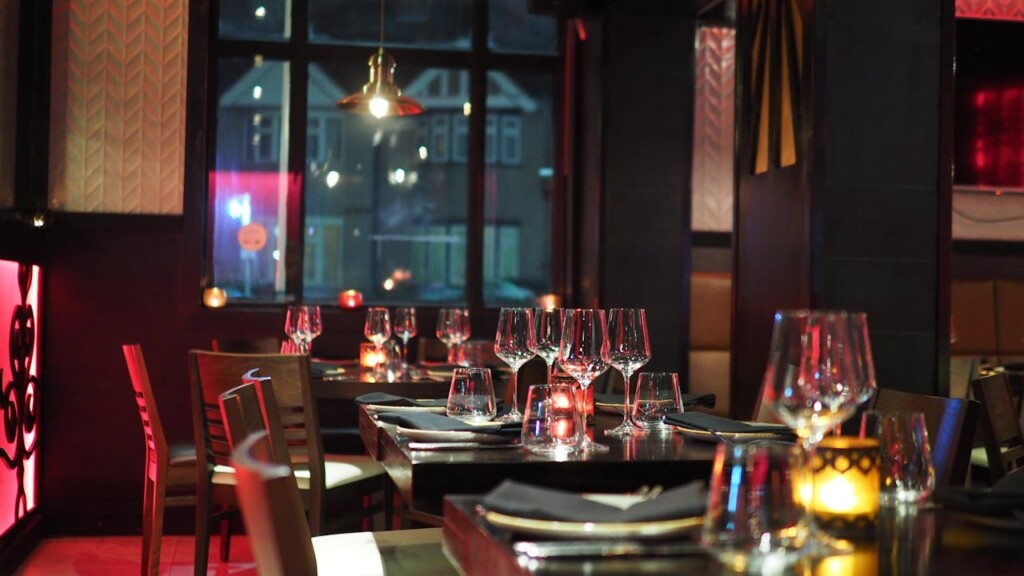
Selecting the right contractor for a restaurant build-out comes down to evidence, not assurances. Hard documentation covering licensing, active insurance, and verified restaurant work provides the foundation. Technical depth across kitchen equipment integration, ventilation, grease management, fire and life safety, and ADA compliance separates capable contractors from those who will struggle once the complexity of a commercial kitchen build surfaces on site.
Operational readiness before contract award matters just as much as credentials. Confirm that the contractor can demonstrate daily leadership presence, a structured communication cadence, and local permitting fluency across building, health, and fire approvals. Pair that with airtight contract protections, documented budget controls, and a defined closeout path that ends with occupancy certification to create a framework that holds the project accountable from permit submittal through final inspection.
The practical next steps are straightforward. Shortlist contractors with documented restaurant MEP work, then verify licenses and insurance directly with the issuing agencies. Call recent references and ask specifically about permit sequencing and inspection readiness. Request a draft schedule that shows trade sequencing across MEP rough-ins, and align on ownership of permit coordination and inspection scheduling before any contract is awarded. At EB3 Construction, we approach every restaurant project with this same rigor because the stakes at every phase are real.
Contact EB3 Construction to discuss your restaurant build-out and how we manage MEP coordination, permit sequencing, and closeout from day one.