Fast-food restaurant construction in San Antonio covers a broad scope of work. Ground-up builds start from empty lots, while tenant finish-outs transform existing spaces into functional quick-service (QSR) locations.
Projects typically move from initial site planning and feasibility studies through permitting, construction, interior finishes, and final inspections. Local contractors who understand Texas health codes and San Antonio’s approval processes help fast-casual brands meet aggressive timelines; construction completion often determines launch dates.
Which Phases And Approvals Define A Fast-Food Build In San Antonio?

We organize restaurant construction projects into clear phases that move from concept to opening. Our teams start with estimating and feasibility studies that establish project viability and align expectations. These early assessments examine site conditions, zoning compliance, and budget parameters that shape the build sequence.
Site development follows when a property requires clearing, grading, or utility extensions. This phase addresses drainage requirements, parking layouts, and accessibility compliance before structural work begins. Each site presents unique challenges that we evaluate during the feasibility phase.
Permitting and Code Alignment
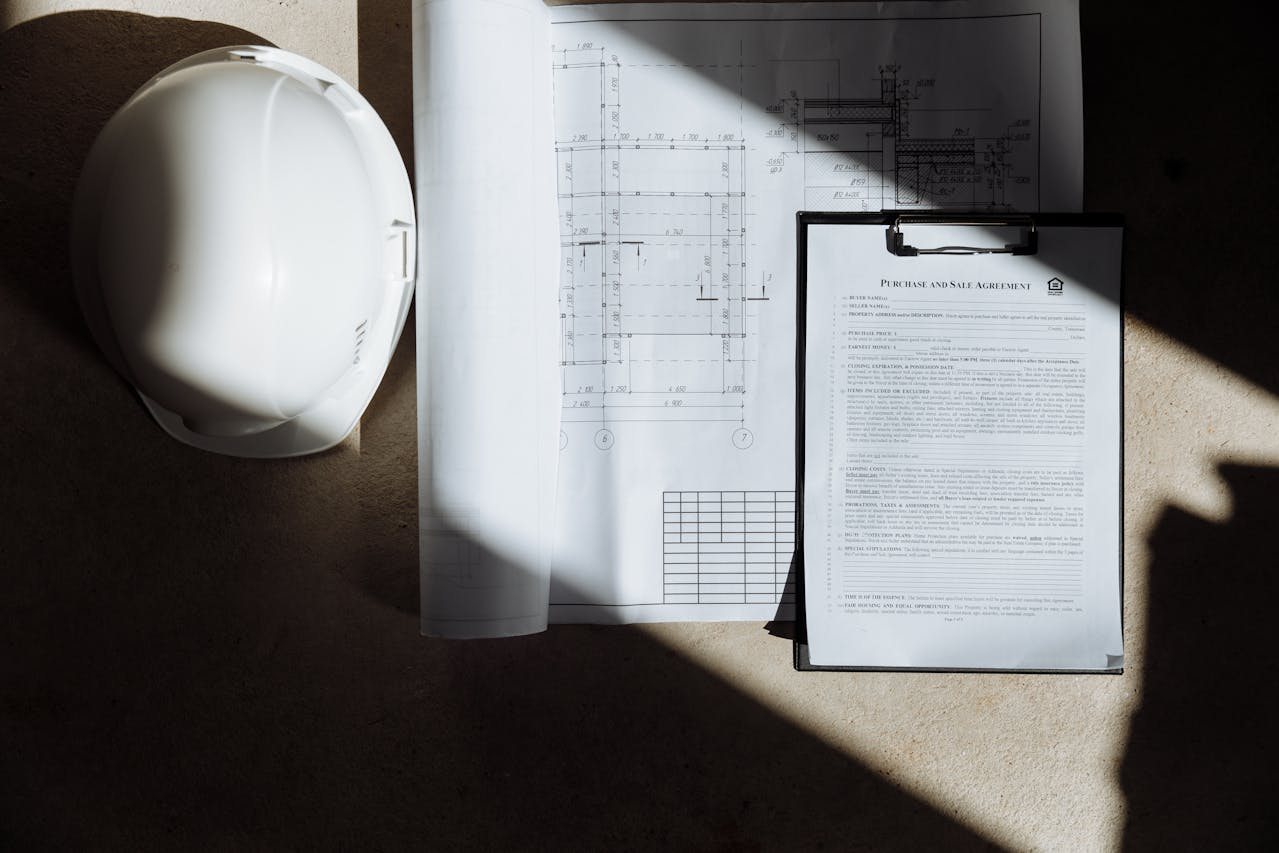
San Antonio’s Development Services Department manages the commercial permit process through the BuildSA portal. We submit construction drawings for plan review alongside completed applications that specify project scope and building classification. The city coordinates reviews across multiple departments, including Building, Fire, Planning, and Health.
Restaurant projects include specific health department requirements aligned with Texas health codes. These standards govern kitchen layouts, ventilation systems, and food-handling areas. We coordinate early with health inspectors to confirm equipment specifications and finish materials meet regulatory standards.
Permit timelines vary by project complexity. Minor restaurant remodels under 8,000 square feet average about 26 days for review, while larger builds typically require around 70 days. We track applications through the online system and respond promptly to reviewer comments to avoid delays.
Construction and Interior Systems
Construction begins once permits are issued and fees are paid. We coordinate structural, mechanical, electrical, and plumbing work to create integrated systems that support restaurant operations. Kitchen areas require specialized ventilation, grease management, and adequate electrical capacity for commercial equipment.
Interior finishing integrates brand standards with functional requirements. We install flooring that withstands commercial traffic, wall finishes that meet health codes, and lighting that creates the desired atmosphere. Each element must balance durability with brand identity.
Final inspections occur at key milestones throughout construction. We schedule building, electrical, plumbing, mechanical, and health department inspections as systems come online. This staged approach identifies issues early and maintains momentum toward a Certificate of Occupancy.
Tenant Fit-Out Coordination
Leased spaces require coordination between landlord improvements and tenant-specific work. We manage the interface between base-building systems and restaurant fit-out requirements. This includes coordinating utility connections, HVAC modifications, and structural attachments for kitchen equipment.
Brand standards drive many fit-out decisions, from color schemes to equipment layouts. We translate corporate design guidelines into construction specifications that local inspectors can approve. This process requires ongoing communication among brand representatives, local officials, and our field teams.
Our teams integrate all trade work to ensure mechanical systems support kitchen operations, electrical capacity matches equipment loads, and structural modifications accommodate brand-specific layouts. We maintain regular communication with all stakeholders to keep projects moving efficiently through each approval phase.
How Should QSR Kitchens And Dining Areas Be Planned For Speed And Compliance?
Back-of-House Kitchen Design
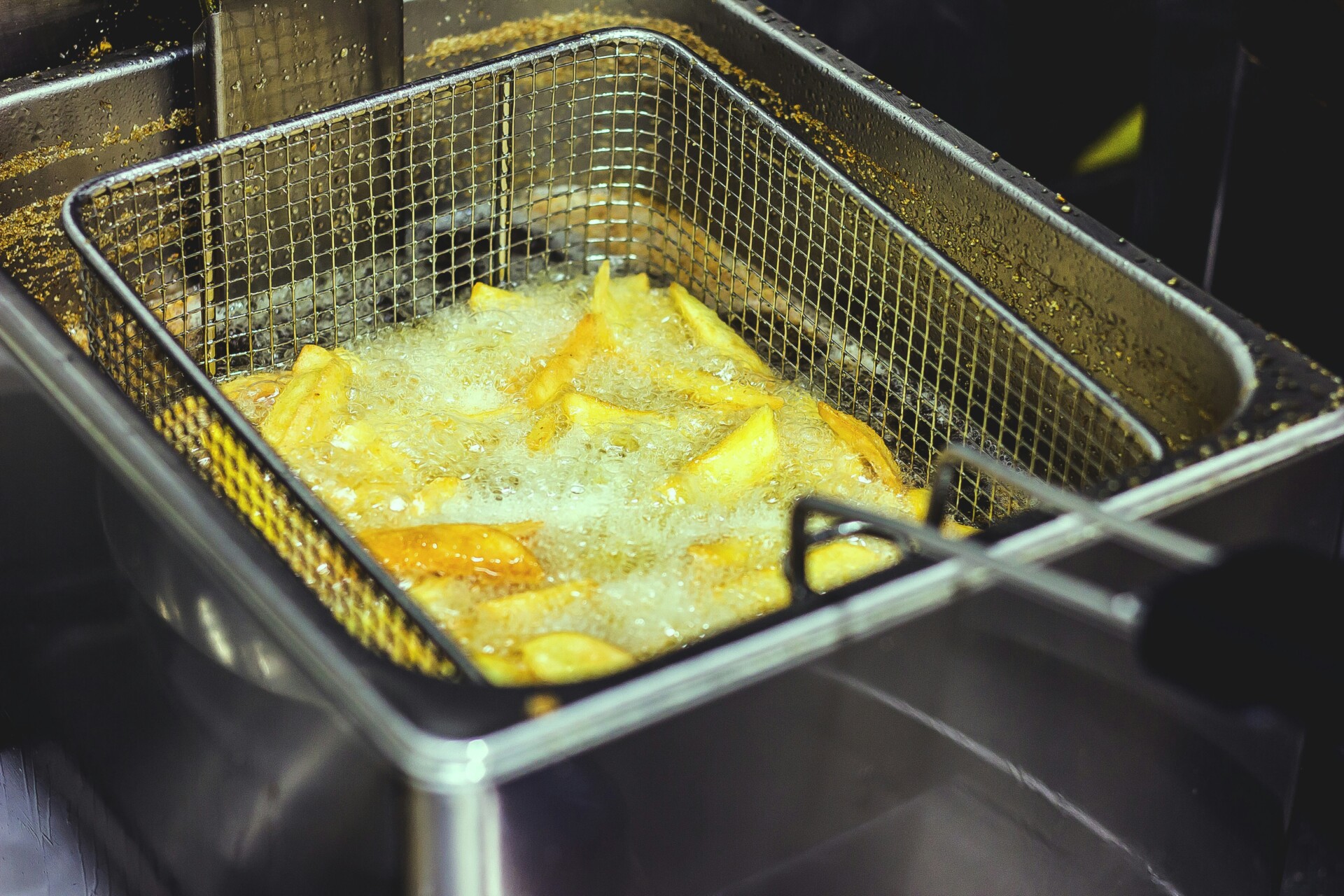
We build QSR kitchens around efficient workflows that reduce steps and eliminate bottlenecks during peak service. Equipment placement follows the cooking line’s natural progression from prep to assembly to packaging. Commercial-grade surfaces, proper ventilation, and durable flooring materials are selected to withstand the demands of high-volume operations.
Texas health codes set requirements for hand sinks, three-compartment sink areas, and food storage temperatures. We position these elements to support service flow while meeting the Texas Food Establishment Rules, which govern everything from surface materials to temperature monitoring systems. Upgrades often involve modernizing equipment layouts to increase throughput without expanding the kitchen footprint.
Front-of-House Dining Layout
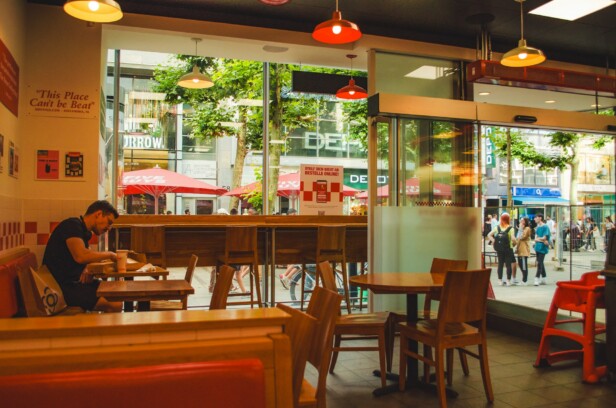
Dining area construction balances customer comfort with operational speed. We design seating arrangements that accommodate peak traffic while maintaining clear pathways for service staff. Counter heights, booth configurations, and table spacing reflect brand standards while supporting quick turnover during rush periods.
Interior finishes contribute to both atmosphere and functionality. Durable materials handle heavy use while reinforcing brand identity through color schemes and textures. When projects include bar elements, we coordinate plumbing and electrical rough-ins early to avoid delays during final buildout.
Integrated Construction Approach
Successful QSR construction requires coordination between structural, mechanical, and finishing trades from day one. We link kitchen ventilation with dining area HVAC to maintain consistent temperatures and air quality. Electrical loads for cooking equipment influence panel sizing and circuit distribution throughout the space.
Certified restaurant fit-outs verify that all systems function together before opening day. This integrated approach prevents issues that arise when back-of-house and front-of-house areas operate as separate systems rather than as connected components of one service operation.
What Keeps Fast-Food Projects On Schedule And Within Budget?

Three interconnected systems define successful project control: project management, technology integration, and cost oversight. Each element supports the others to maintain timelines and protect budgets throughout construction.
Project Management Framework
Clear schedules form the backbone of every fast-food project we deliver. Detailed timelines map critical milestones from permit submission through final inspection, with buffer periods built into each phase to accommodate review cycles and potential setbacks.
Vendor coordination requires ongoing oversight of subcontractor performance and material deliveries. Regular check-ins with electrical, plumbing, and HVAC teams keep work on track and surface potential conflicts before they affect the schedule.
Transparent updates at key milestones keep all stakeholders informed of progress and emerging issues. Weekly progress meetings and milestone reports help owners, franchisors, and local authorities stay aligned on project status and upcoming requirements.
Technology-Enabled Visibility
Unified office-to-field tools connect project managers with on-site teams through shared platforms that track progress, document changes, and coordinate daily activities. These systems reduce communication gaps that often cause delays and rework.
Live camera feeds provide real-time visibility into construction progress without requiring constant site visits. Remote monitoring helps identify issues early and supports faster decision-making when adjustments are needed.
Daily updates through mobile applications keep teams synchronized on completed tasks, material deliveries, and schedule changes. Real-time progress reporting enables immediate response to emerging challenges and maintains project momentum.
Cost Control Strategies
Comprehensive bids establish clear boundaries around scope, deliverables, timelines, and costs before construction begins. Detailed specifications prevent scope creep and provide a baseline for evaluating changes throughout the project.
Feasibility reviews and accurate cost estimates set realistic expectations early in the process. These assessments identify potential cost drivers and help owners make informed decisions about design options and material selections.
Value engineering addresses evolving codes and material constraints through a systematic review of alternatives. The process identifies opportunities to reduce costs without compromising functionality or compliance. Strong supplier relationships also help secure hard-to-source materials at competitive prices.
Which Delivery Models And Scopes Fit Fast Food Projects In San Antonio?
QSR construction in San Antonio supports a wide range of project scopes, from single-location builds to corporate rebrandings. New restaurant builds typically involve full ground-up construction, while franchise expansions often focus on tenant buildouts within existing commercial spaces. Corporate rebrandings call for interior and exterior updates aligned with current brand guidelines while maintaining operational continuity.
Turnkey restaurant construction packages consolidate multiple services under one contractor, combining design, construction, and project management for efficient execution. These approaches reduce coordination challenges among vendors and provide single-point accountability for schedule and budget control. We handle everything from initial space evaluation through final inspections and the certificate of occupancy.
Renovation and Refurbishment Approaches
Restaurant refurbishment projects focus on modernizing existing spaces while preserving operational capacity. Kitchen upgrades often include energy-efficient equipment installations that reduce long-term operating costs and meet current Texas health codes. Dining area renovations incorporate durable materials that withstand high-traffic conditions and support the updated brand aesthetic.
Sustainability options during refurbishment include LED lighting systems, higher-efficiency HVAC upgrades, and water-saving fixtures that support environmental goals and operational savings. We coordinate these improvements with minimal disruption to ongoing operations, often scheduling work during off-hours or temporary closures. Careful planning ensures that sustainability upgrades integrate smoothly with existing building systems.
Quality Control and Documentation Standards
Brand-level consistency requires detailed tracking of design specifications, material selections, and installation standards throughout construction. We maintain comprehensive documentation that includes health department communications, permit approvals, and inspection records. This systematic approach ensures that each location meets corporate standards while satisfying local regulatory requirements.
ADA compliance verification involves detailed measurements of door clearances, counter heights, and accessible route specifications. Punch list management systematically addresses remaining items before the final walkthrough, while closeout documentation packages include warranties, operation manuals, and as-built drawings. These materials support ongoing operations and future maintenance needs across San Antonio locations.
Contractor Selection and Bidding Practices
Effective contractor selection starts with verifying current licenses through the Texas Department of Licensing and Regulation and local San Antonio building departments. We recommend reviewing past project portfolios and speaking directly with previous clients about timeline performance, budget adherence, and post-completion support. These conversations reveal important details about contractor reliability and problem-solving capabilities during challenging phases.
Comprehensive bid requests should specify exact scope boundaries, material quality standards, and timeline expectations to enable accurate price comparisons. Multiple bids from qualified contractors provide leverage in negotiations while ensuring competitive pricing. We suggest including change order procedures and warranty terms in initial bid discussions to avoid surprises during construction phases.
Conclusion And Next Steps

Successful fast food restaurant construction in San Antonio starts with a clear scope, a plan for permits and inspections, and layouts that meet brand needs and Texas health codes. We coordinate with vendors, provide transparent updates at project milestones, and use digital tools for visibility throughout construction. These fundamentals support smoother builds and faster approvals.
Your next steps include defining project scope—whether ground-up construction, tenant fit-out, or remodel work. Outline realistic timelines and budgets based on San Antonio permit requirements and local code standards. Request comprehensive bids that detail all phases, from site preparation through final inspections. Confirm contractor licensing with local boards, and plan for punch list completion and closeout documentation. These actions position your project for a compliant opening that meets brand standards.
Ready to move forward with your fast food restaurant construction project in San Antonio? Contact EB3 to discuss your specific requirements and timeline.