Modern shopping centers face intense pressure to create experiences that keep guests engaged, spending, and returning. Food courts have evolved far beyond simple dining areas to become powerful social hubs that drive foot traffic and extend shopping visits. When we plan and build these spaces, every detail matters for both guest satisfaction and tenant success.
A food court construction company today manages comprehensive projects that integrate seating zones, vendor kitchens, restrooms, lighting design, and ventilation systems into cohesive environments. Our work directly impacts how long shoppers stay and how much revenue tenants generate through strategic space planning and system coordination.
How Should Planning, Zoning, And Seating Be Designed For Performance?
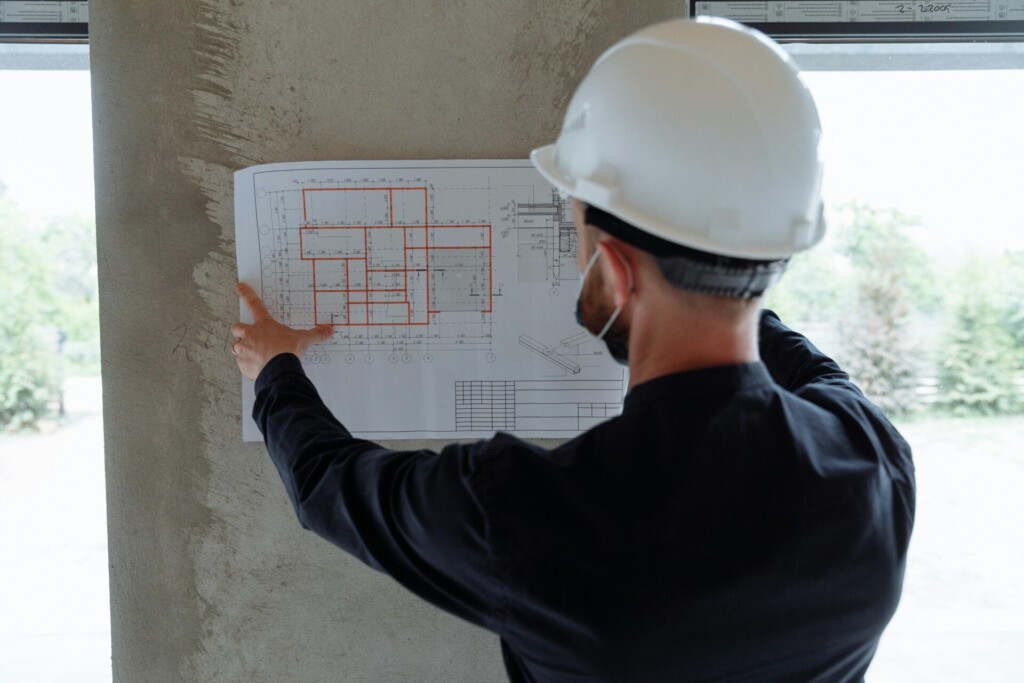
Effective food court design balances guest flow, accessibility, and comfort to maximize dwell time and tenant revenue. We plan spaces that feel open yet organized, guiding guests naturally through the environment while providing diverse seating options for different group sizes and dining preferences.
Entrance Design And Wayfinding
Clear entrances with visible signage set expectations and direct guest movement from the start. We position entrance signage at eye level and use consistent branding to help guests identify food court boundaries within the larger shopping center.
Open layouts near entrances prevent bottlenecks during peak hours. Wide entryways accommodate wheelchairs, strollers, and groups entering simultaneously without creating congestion that could deter foot traffic.
Accessibility Infrastructure
Wide walkways of at least 60 inches allow comfortable two-way traffic and accommodate mobility devices. We design clear paths between seating zones that remain unobstructed even during busy periods.
Escalators and elevators positioned strategically near main circulation routes ensure guests can reach all seating levels easily. Proper placement reduces crowding around vertical transportation and maintains smooth guest flow throughout the space.
Flexible Seating Solutions
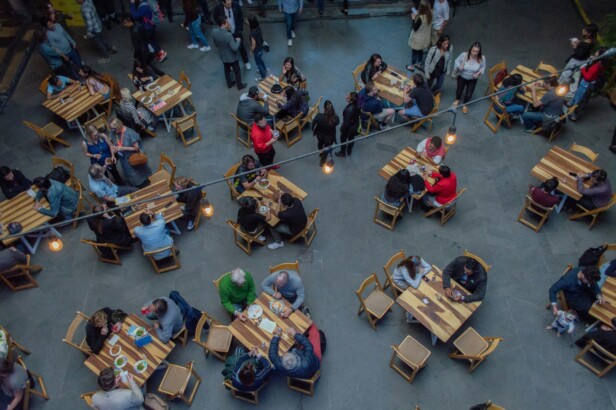
Mixed seating arrangements serve different customer needs and dining occasions. Communal tables work well for quick meals and solo diners, while cozy booths provide privacy for families or business meetings.
We select durable furniture designed for high-traffic environments. Commercial-grade materials resist wear while maintaining appearance over time, reducing replacement costs and maintaining a fresh look.
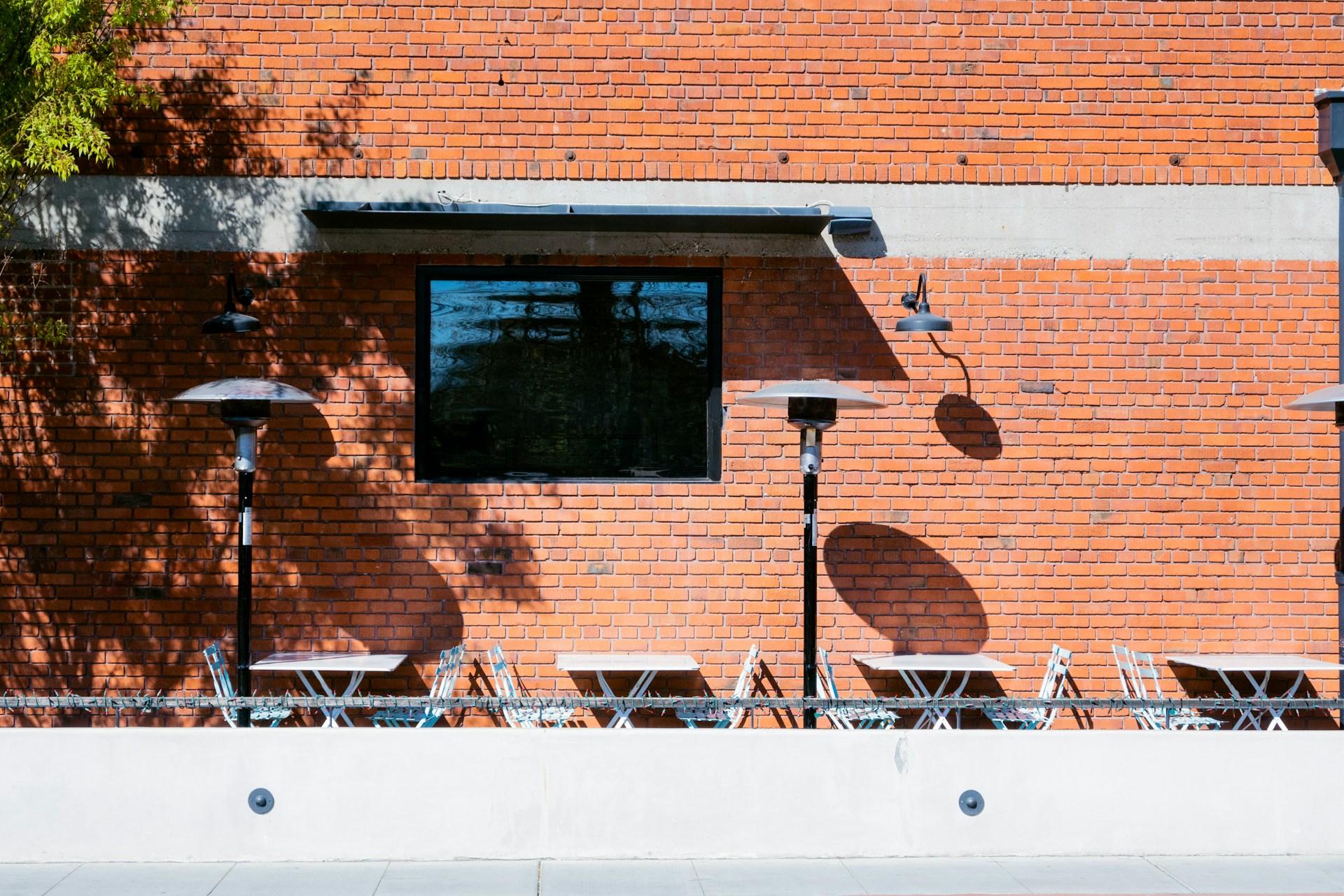
Outdoor dining areas, where climate permits, extend capacity and create appealing spaces that draw guests from interior mall corridors. These zones require weather-resistant furniture and proper drainage to remain functional year-round.
Natural Light And Biophilic Elements
Natural light from skylights and large windows creates an inviting atmosphere that encourages longer visits. We position seating to take advantage of daylight while avoiding glare that could make dining uncomfortable.
Biophilic design elements like living walls, planters, and natural materials reduce stress and create a more pleasant dining environment. Research from GSA studies shows that biophilic design creates positive physiological and psychological experiences, including stress reduction and enhanced mood.
Wood accents, stone finishes, and greenery soften hard surfaces typical in mall environments. These natural elements make food courts feel less institutional and more welcoming.
Strategic Zoning For Performance
Thoughtful zoning separates different activities while maintaining visual connections across the space. We create distinct areas for quick service, sit-down dining, and social gathering without isolating any zone.
High-energy zones near vendor stalls accommodate guests waiting for orders, while quieter seating areas allow for conversation and relaxation. This variety helps food courts serve multiple functions throughout the day.
Research indicates that 78% of guests stay longer in well-zoned, welcoming food courts. Extended dwell time directly benefits tenant revenue as guests are more likely to make additional purchases or return visits when the environment encourages lingering.
What Back-of-House And Building Systems Are Critical?
The back-of-house infrastructure determines whether your food court operates smoothly or faces constant disruption. We design these systems to handle diverse vendor needs while maintaining safety and efficiency across all operations.
Customizable Vendor Fit-Outs
Each vendor stall requires unique configurations to match their specific food operations. A pizza vendor needs different electrical loads and ventilation than a smoothie bar or Asian stir-fry station.
We build flexibility into the base infrastructure from day one. This includes standardized utility rough-ins with capacity for various equipment types, from high-BTU wok stations to refrigerated display cases. Modular electrical panels allow vendors to add circuits as needed without major rewiring.
The key lies in planning utility distribution that can adapt to changing tenant mix over time. We position water lines, gas connections, and electrical feeds to serve multiple potential configurations without costly retrofitting.
Ventilation And Fire Safety Systems
Proper ventilation becomes complex when multiple cuisines operate simultaneously in one space. We install commercial-grade kitchen exhaust systems sized for the highest-demand cooking operations expected in the development.
Grease traps require careful sizing based on projected fat, oil, and grease loads from all vendors combined. We typically install interceptors that can handle peak capacity during busy meal periods. These systems need regular maintenance access for cleaning crews.
Fire suppression systems must integrate with individual vendor equipment while providing comprehensive coverage. We use wet chemical systems that automatically shut off gas and electrical feeds when activated. Each vendor stall gets its own suppression zone with manual activation points.
HVAC And Air Quality Management
Advanced HVAC systems maintain comfortable temperatures and fresh air circulation despite heat from multiple cooking operations. We design separate zones for food preparation areas and dining spaces to optimize comfort and energy efficiency.
Make-up air systems replace the large volumes of air exhausted by kitchen operations. Without proper make-up air, doors become difficult to open and cooking equipment may not function properly. We balance these systems to maintain slight negative pressure in cooking areas.
Airflow planning prevents cross-contamination of cooking odors between vendor stalls. We use directional air patterns and exhaust capture zones to contain smoke and odors at their source before they reach dining areas.
Smart climate controls monitor temperature, humidity, and air quality throughout the food court. These systems automatically adjust ventilation rates based on occupancy levels and cooking activity, improving energy efficiency while maintaining comfort.
Which Materials And Hygiene Features Fit High-Traffic Food Courts?
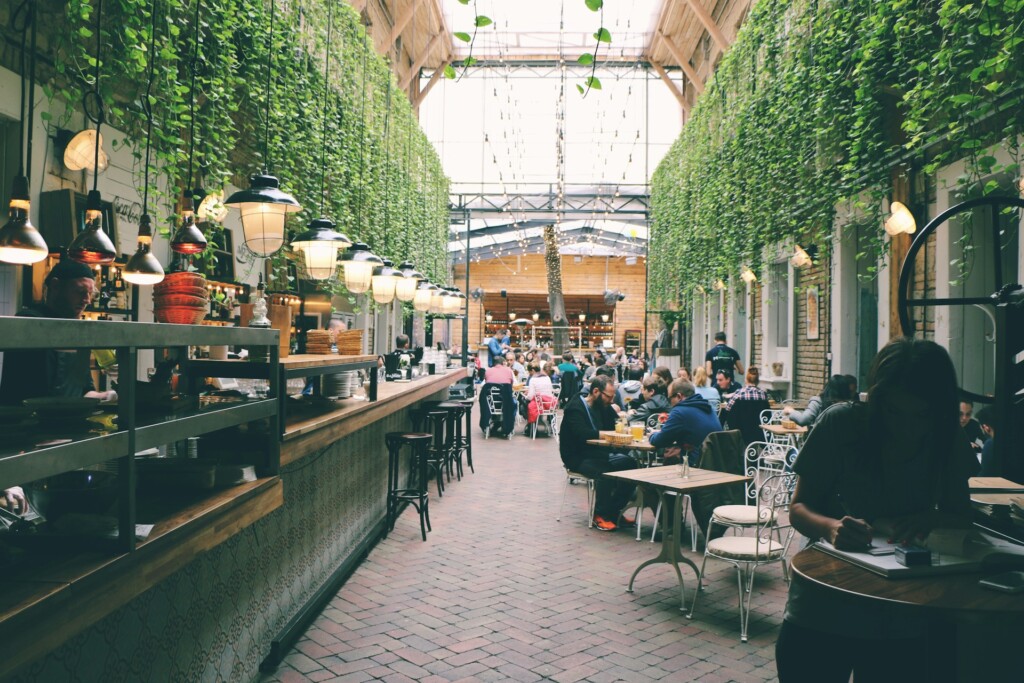
Food courts face unique challenges when it comes to material selection and hygiene management. We handle thousands of daily visitors, frequent spills, and demanding cleaning schedules that require surfaces and features built to last.
Material choices directly affect long-term maintenance costs and operational efficiency. The right selections create environments that stay clean and safe while minimizing downtime for repairs or deep cleaning.
Non-Slip Flooring Solutions For Safety
We specify durable commercial flooring materials that prioritize slip resistance in high-traffic areas. Polished concrete provides seamless surfaces that resist moisture penetration and eliminate grout lines where bacteria can collect.
Porcelain tiles deliver excellent stain resistance and withstand heavy foot traffic without showing wear patterns. Their dense structure handles frequent mopping and chemical cleaning agents without degrading surface integrity.
Strategic placement of engineered wood accents adds warmth to dining zones while maintaining durability. These materials require proper sealing and regular maintenance to prevent water damage in spill-prone areas.
Restroom Design For High-Occupancy Environments
High-occupancy restrooms demand materials and fixtures that handle constant use. We design these spaces with durable partitions made from solid surface materials or powder-coated steel that resist vandalism and moisture damage.
Touchless fixtures reduce surface contamination and maintenance needs. Automatic faucets, soap dispensers, and paper towel dispensers minimize contact points where germs spread between users.
Restroom ventilation systems require adequate capacity to handle peak usage periods. Proper airflow prevents odors from reaching dining areas and maintains air quality standards throughout busy periods.
ADA Compliance And Universal Design Features
We incorporate ADA-compliant features that serve all users while supporting operational efficiency. Wide doorways and accessible routes accommodate mobility devices and service equipment.
Grab bars, accessible sinks, and properly positioned fixtures meet regulatory requirements. Clear signage with tactile elements helps all visitors navigate spaces safely and independently.
Counter heights and service areas follow universal design principles that benefit both customers and staff during daily operations.
How Do Technology, Procurement, And Delivery Methods Improve Outcomes?
Technology Solutions That Streamline Operations
Self-order kiosks and mobile ordering platforms reduce service bottlenecks by letting guests place orders at their own pace. Digital menus display real-time availability and pricing, allowing vendors to adjust offerings based on demand patterns throughout the day.
Smart occupancy sensors track foot traffic and seating utilization across different zones of the food court. We integrate these systems with facility management platforms to help operators monitor peak dining periods and adjust staffing levels accordingly. These sensors also support capacity planning for special events or seasonal traffic variations.
Comprehensive Procurement Support
We coordinate equipment sourcing for everything from commercial-grade kitchen appliances to dining furniture and tableware. Our procurement approach includes vendor coordination to ensure delivery schedules align with construction milestones and fit-out phases.
Equipment sourcing covers specialized items like grease management systems, ventilation equipment, and point-of-sale hardware. We handle ordering logistics and work with suppliers to secure bulk pricing advantages. This coordination reduces delays and helps control costs across multiple vendor spaces.
A strategic light refresh approach can deliver significant cost savings compared to full renovation. Research shows renovation savings of up to 30% when focusing on high-impact elements like updated seating, refreshed finishes, and enhanced technology integration while preserving functional infrastructure.
Delivery Methods And Project Planning
Design-build delivery creates a streamlined process where we coordinate both design development and construction execution. This method reduces schedule friction by eliminating handoff delays between separate design and construction teams.
Construction management approaches give owners more control over vendor selection and project phasing. We use critical path scheduling to identify dependencies and optimize the sequence of work across different areas of the food court. Value engineering sessions help balance feature requests with budget constraints.
Project planning tools support budget development and payback strategy analysis. We calculate ROI projections based on projected foot traffic increases, vendor lease premiums, and operational cost reductions. Timeline planning typically includes a 1-2 month concept development phase, followed by 6-12 months for design and construction depending on project scope and complexity.
Conclusion and Practical Next Steps

Food court construction brings together multiple layers that require careful coordination. We balance guest flow patterns with vendor operational needs while ensuring building systems support both efficient service and a welcoming atmosphere. Success depends on early planning that addresses clear entries, flexible seating arrangements, robust kitchen infrastructure, durable materials, and touchless hygiene features that keep spaces safe and appealing.
Moving forward with your food court project requires systematic planning across several key areas. Start by defining your zoning strategy and capacity planning targets based on expected foot traffic and peak usage patterns. Document vendor mix requirements including equipment needs, utility connections, and space allocations for different food service concepts. Assess your HVAC and exhaust system requirements to ensure proper ventilation across multiple cuisines while maintaining comfortable dining conditions. Finally, map a concept-to-completion timeline that aligns with your budget constraints and allows for phased delivery to manage cash flow and reduce project risk.
Ready to transform your food court vision into reality? Contact EB3 Construction to discuss your project needs and timeline.