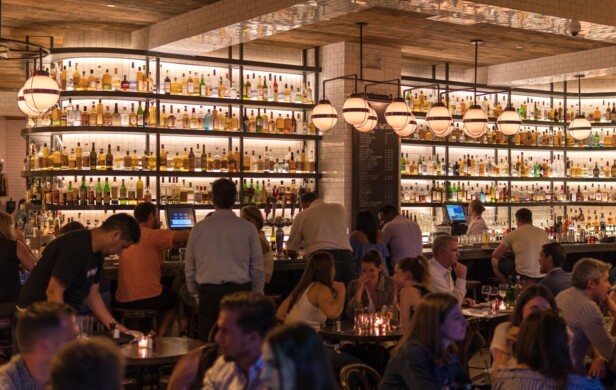
Dallas fine dining construction requires precise coordination between upscale aesthetics and strict operational requirements. We balance luxury materials with health department standards while managing complex mechanical systems. Projects typically span months of detailed coordination across multiple specialties.
High-end restaurant construction in Dallas includes ground-up builds, tenant finish-outs, and complete remodels across neighborhoods like the Design District and Downtown. We align front-of-house ambiance with back-of-house efficiency through feasibility studies, schedule development, and quality assurance protocols to ensure compliance with ADA requirements and local health standards.
How Should Pre-Planning And Feasibility Shape A Luxury Dining Build?
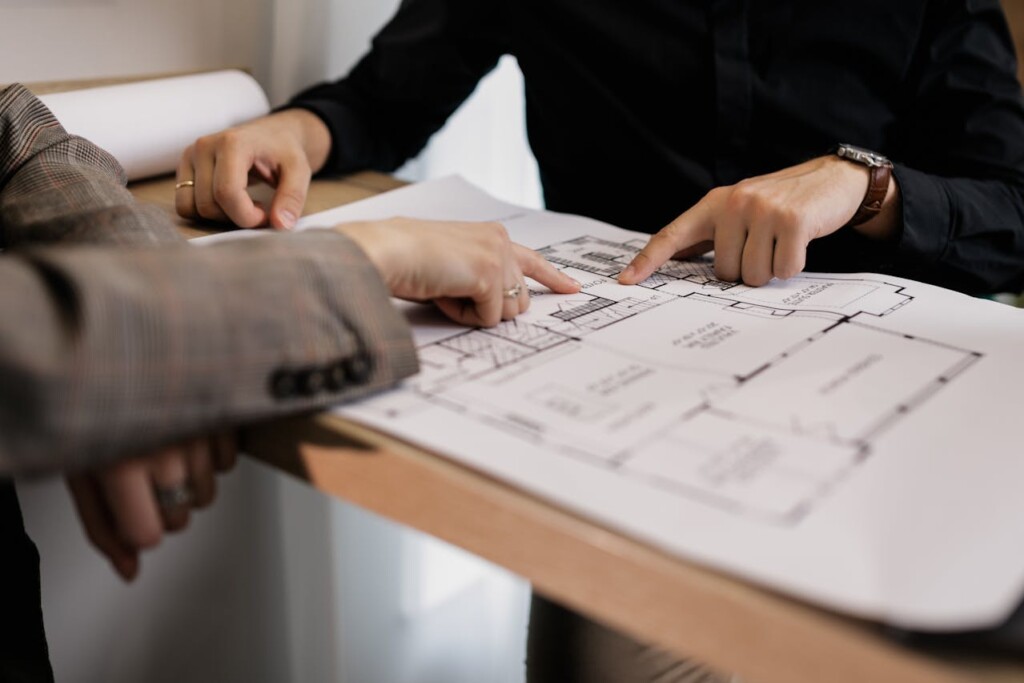
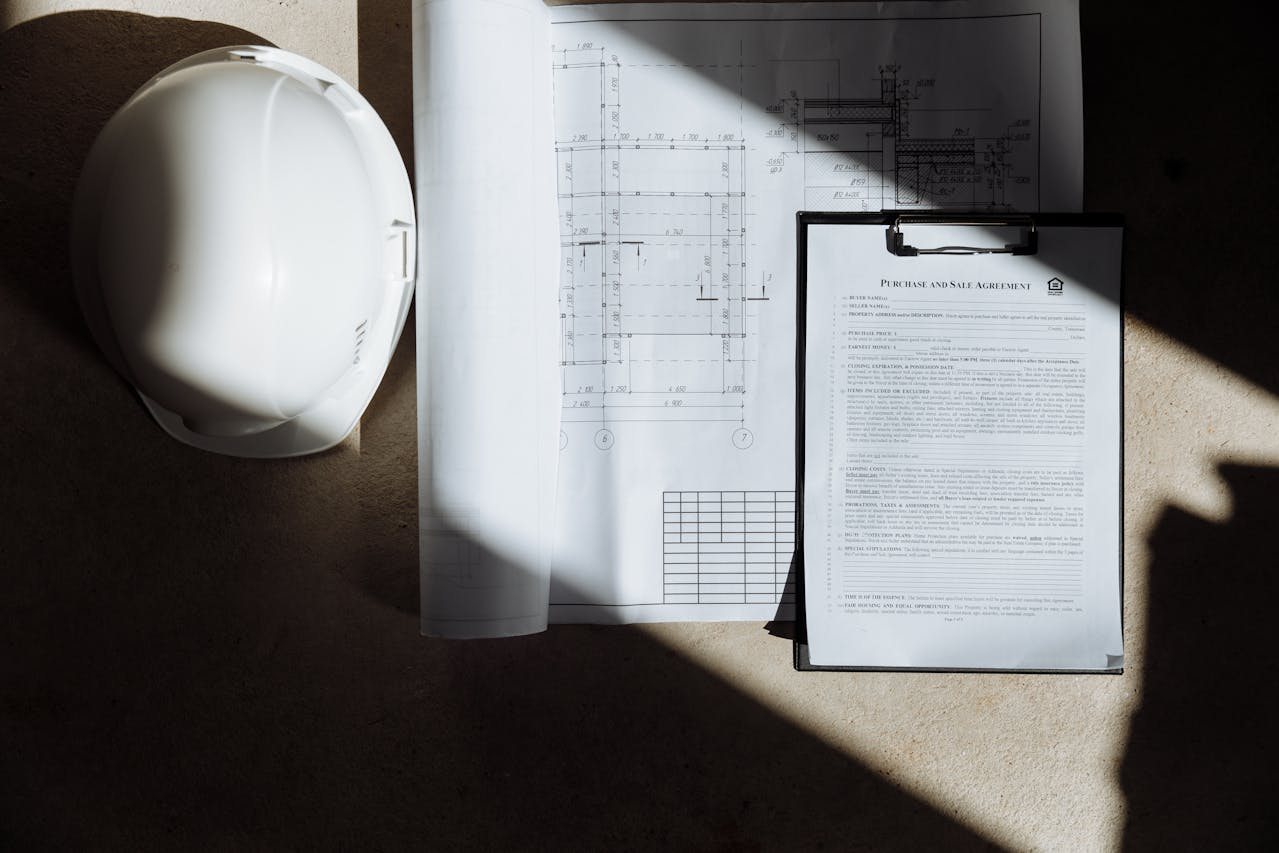
We begin each high-end restaurant project with feasibility studies to ground the plan in reality. These studies examine budget constraints, site limitations, and schedule requirements before design begins. The goal is to align expectations with what the site can realistically deliver.
Site feasibility reveals infrastructure gaps early. We evaluate existing utilities, structural capacity, and building code requirements. This helps prevent costly surprises during construction, when changes become expensive and disruptive.
Define Project Scope and Delivery Method
Scope definition shapes every decision that follows. Ground-up construction offers complete design freedom but requires longer timelines and higher capital investment. Tenant finish projects work within existing shells, limiting layout flexibility while reducing infrastructure costs.
Retrofit projects present the most variables. We assess existing systems, the structural modifications needed, and permit requirements. Each delivery method carries a different risk profile that affects scheduling and cost estimating.
Build Risk-Informed Project Plans
Risk management starts with identifying what can go wrong and when. We document potential issues such as permit delays, material availability, and weather impacts. Safety planning covers both construction phases and operational requirements.
Schedule development maps critical path activities from site preparation through interior detailing. We sequence trades to avoid conflicts and build in buffer time for inspections. Quality controls establish checkpoints throughout the process to catch issues before they compound.
Establish Transparent Cost Controls
Value-focused estimating breaks down costs by trade and phase. We provide detailed line items for materials, labor, and equipment installation. This transparency helps owners understand where money goes and make informed decisions about upgrades or changes.
Cost reviews happen at regular intervals, not just when issues arise. We track actual expenses against budgets and provide variance reports. This ongoing monitoring protects the project from cost overruns and keeps financial performance visible.
Document Construction Sequencing
Construction sequencing coordinates multiple trades working in tight spaces. We map out when rough-ins occur, when finishes are installed, and how kitchen equipment integrates with utilities. Clear documentation prevents conflicts and reduces rework.
Daily reporting systems track progress against schedule milestones. These reports flag potential delays early, allowing us to adjust resources or sequences before issues impact the opening date. Consistent communication keeps all stakeholders aligned on project status and upcoming decisions.
What Codes, Permits, And Compliance Steps Matter Most In Dallas?
Restaurant construction in Dallas follows a structured permitting path that calls for early coordination with city departments. We start by reviewing the Dallas Development Code requirements for your specific zoning district, which establish baseline setbacks, height limits, and allowed uses. The City of Dallas Building Inspection Department oversees plan review and field inspections at the Oak Cliff Municipal Center.
Key Code Requirements and Permitting
Dallas building codes set the framework for restaurant compliance. We coordinate with multiple city departments during plan review to address structural, electrical, plumbing, and mechanical systems. The permitting process requires master permits for work involving structural elements, equipment installation, or utility connections.
Life safety requirements drive many design decisions in restaurant construction. Fire-rated assemblies, emergency egress paths, and sprinkler system integration must align with Dallas Fire Department standards. We plan for proper exit widths, travel distances, and occupancy loads based on your seating capacity and operating model.
ADA Compliance and Accessibility Standards
ADA accessibility requirements apply to all public areas, restrooms, and employee workspaces. We design accessible routes from parking areas to dining spaces, ensuring proper door widths, ramp slopes, and clear floor space at tables. Kitchen areas need accessible work surfaces and equipment controls where employees with disabilities may work.
Restroom accessibility requires specific fixture heights, grab bar locations, and clear floor space dimensions. We incorporate these requirements during the design phase to avoid costly modifications during construction. Parking lots need designated accessible spaces with proper signage and access aisles connecting to building entrances.
Health Department Standards and Food Service Requirements
Dallas County Health Department regulations govern food service facility design and construction. We coordinate early with health inspectors to confirm kitchen layout, equipment specifications, and sanitation requirements. Handwashing stations, floor drainage, and surface materials must meet specific health code standards.
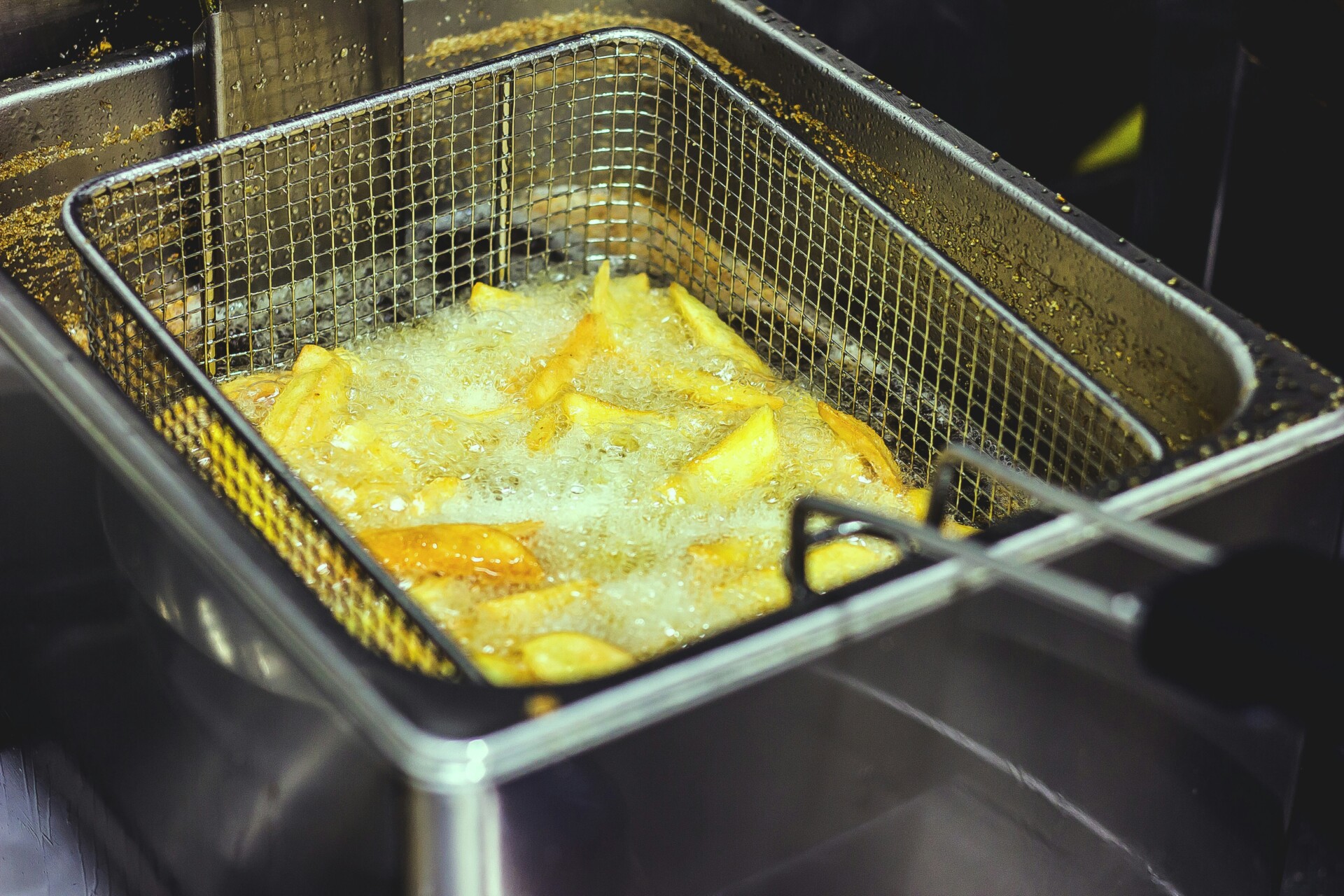
Grease management systems require careful coordination between kitchen equipment, plumbing, and building systems. We design grease interceptors, waste lines, and cleaning access points to meet both health department and environmental regulations. Ventilation systems must provide adequate air changes and grease removal in cooking areas.
Kitchen Hood Systems and Ventilation
Commercial kitchen ventilation requires coordination between multiple trades and city departments. We plan hood sizes, ductwork routes, and makeup air systems during early design. Dallas building codes specify minimum ventilation rates, fire suppression integration, and equipment access requirements.
Fire suppression systems in kitchen hoods must integrate with building sprinkler systems and alarm panels. We coordinate with fire department plan reviewers to confirm system design, detector locations, and manual activation controls. Regular testing and maintenance access must be incorporated into the building design.
Outdoor Lighting and Drive-Through Design
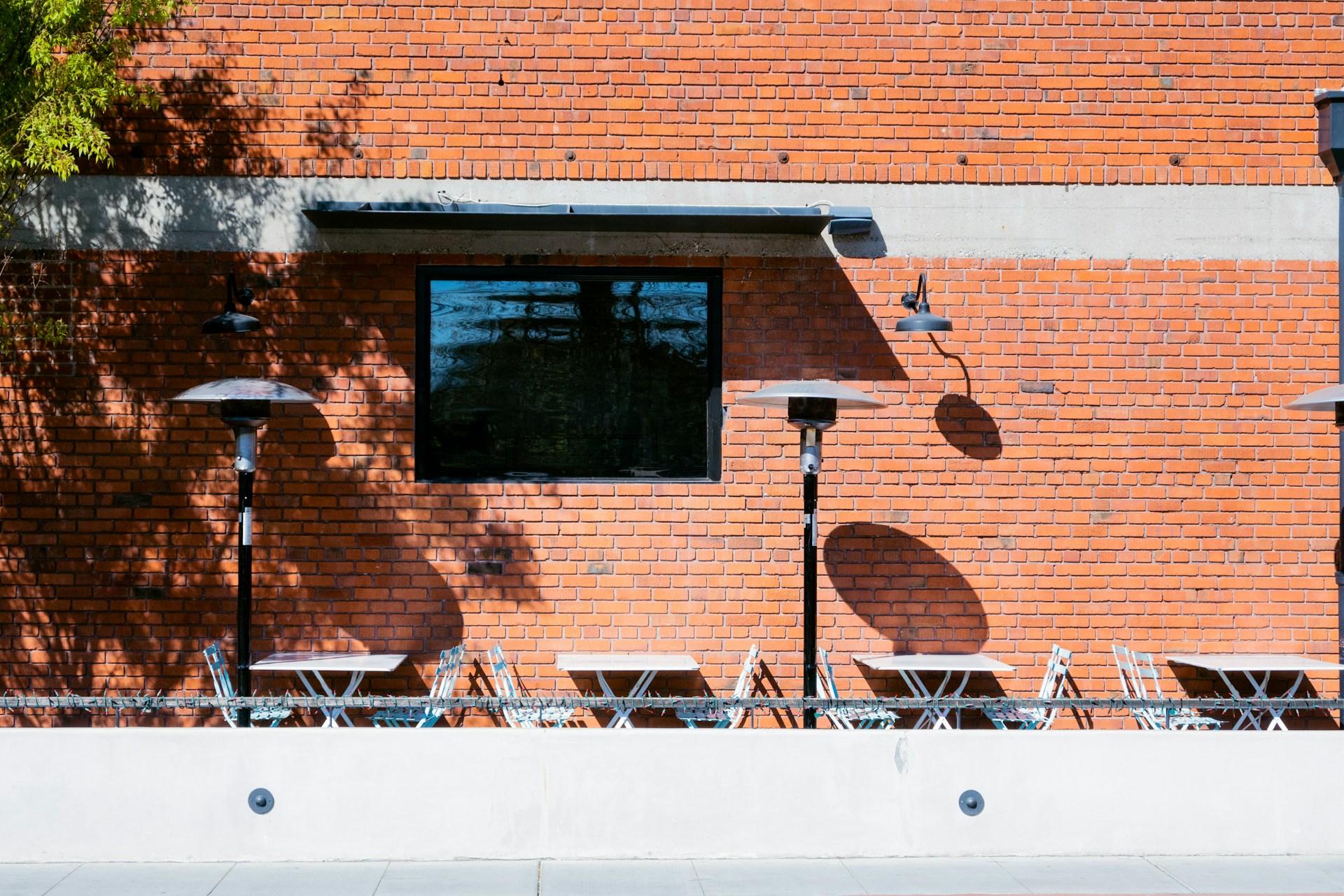
Outdoor lighting plans require coordination with Dallas zoning regulations and neighboring property considerations. We design lighting systems that provide adequate illumination for safety while minimizing light pollution and glare. Fixture heights, shielding, and photometric calculations must meet city standards.
Drive-through facilities have specific design requirements for lane widths, stacking spaces, and traffic flow patterns. We coordinate with traffic engineering departments to confirm sight distances, signage locations, and connection points to public streets. Menu boards, speaker locations, and service windows must meet ADA accessibility requirements.
How Do Design, MEP/HVAC, And Kitchen Workflows Elevate The Guest Experience?
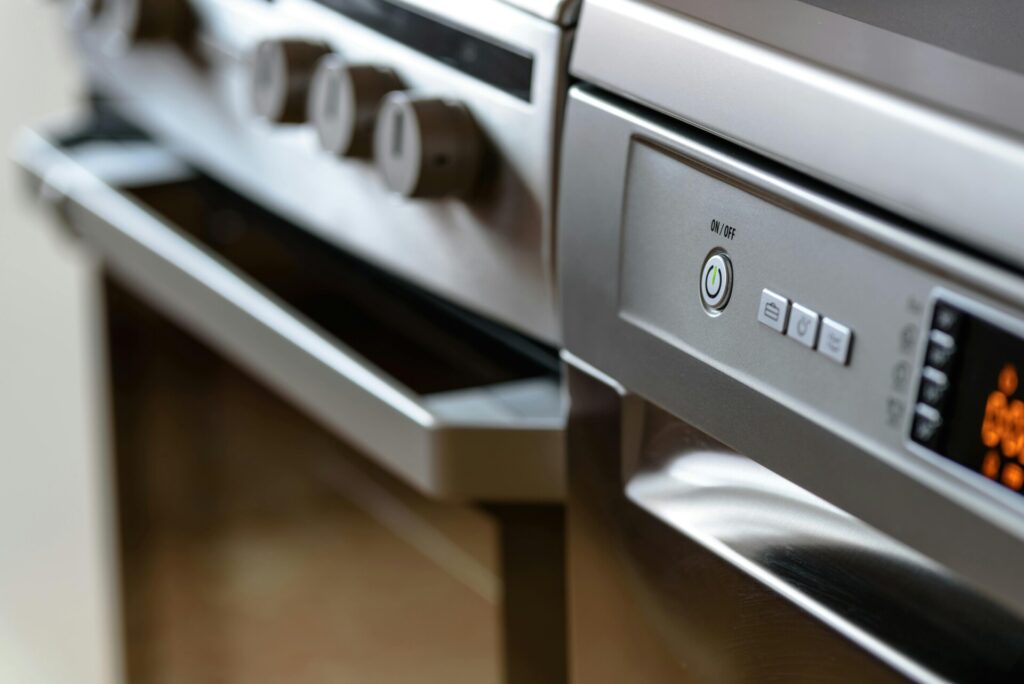
Exceptional dining experiences emerge from the seamless integration of interior design, mechanical systems, and operational workflows. We coordinate these elements to create spaces where guests feel comfortable and service runs at peak efficiency.
Strategic Interior Design and Space Planning
Bespoke interiors set the tone for memorable dining. We plan layouts that optimize guest circulation from the entrance to the table, minimizing congestion during peak service hours. Strategic bar planning creates inviting gathering spaces while supporting efficient service workflows.
Premium finishes establish the visual foundation of fine dining spaces. We select materials that deliver luxury aesthetics while withstanding daily use. Durable, cleanable surfaces maintain their elegance under constant use, helping protect long-term investment value.
MEP and HVAC Systems for Optimal Comfort
Comfort depends on mechanical systems that guests never notice. We engineer HVAC solutions that maintain consistent temperatures throughout dining areas, accounting for kitchen heat loads and variations in occupancy. Proper ventilation prevents cooking odors from reaching dining spaces.
Noise control requires careful coordination between system design and acoustics. We position equipment to minimize sound transmission while ensuring adequate airflow. Variable-volume exhaust systems respond to kitchen demands without creating drafts in guest areas.
Occupancy-based demand-controlled ventilation reduces energy consumption while maintaining proper temperatures during varying service periods.
Kitchen Equipment Installation and Workflow Optimization
Kitchen layouts directly impact service speed and food quality. We optimize equipment placement to create efficient workflow patterns from prep through plating. Strategic positioning reduces staff movement while maintaining safety clearances.
Utility coordination ensures seamless kitchen equipment installation. We plan electrical, gas, and water connections early to avoid conflicts during construction. Properly integrated ventilation supports equipment performance while meeting code requirements.
Workflow optimization considers both throughput and safety. We design clear pathways between stations, adequate storage access, and proper ergonomics for kitchen staff. These decisions translate to faster service and better guest experiences.
Lighting Design and Acoustic Integration
Lighting design shapes ambiance while supporting operations. We layer ambient, task, and accent lighting to create the desired atmosphere for each dining area. Controls allow staff to adjust lighting throughout service periods, from bright lunch service to intimate evening dining.
Acoustic design balances lively conversation with comfortable sound levels. We select materials and plan layouts that control sound transmission between dining areas and from the kitchen. Proper acoustics let guests enjoy conversation without straining to hear.
Brand alignment ensures that all design elements reinforce the restaurant’s identity. We coordinate finishes, lighting, and acoustics to support the intended dining experience, whether casual elegance or formal fine-dining standards.
Which Delivery Scopes And Tools Fit Dallas High-End Projects?
Dallas restaurant construction offers multiple delivery paths to match owner goals and site conditions. We handle ground-up builds where complete control over design and infrastructure creates signature dining experiences from the foundation up. Retrofit projects transform existing spaces while preserving structural advantages and reducing timeline pressures.
Tenant finish-out work focuses on interior buildouts within existing shells, ideal for developers seeking controlled costs and faster occupancy. Remodels update operational restaurants during closure windows, requiring precise sequencing to minimize downtime and protect revenue streams.
Turnkey Construction Streamlines Project Delivery
Turnkey delivery bundles design coordination, construction management, and project closeout under single-source responsibility. This approach eliminates gaps between design and construction phases while maintaining clear accountability throughout the delivery process. We coordinate architectural teams, engineering consultants, and specialty contractors to ensure seamless handoffs between project phases.
The integrated approach reduces change order exposure by catching conflicts early in design development. Material procurement becomes more predictable when specifications align with construction methods from the start of the project. Turnkey delivery also simplifies owner communication by providing a single point of contact for all project decisions and updates.
Technology Tools Support Project Transparency
Live progress tracking through construction management platforms such as ConstructionOnline and other construction management software gives stakeholders real-time visibility into project status and milestone completion. Daily reports document work progress, material deliveries, and any issues requiring immediate attention or owner decisions.
Live camera feeds positioned at key construction areas allow remote monitoring of critical work phases without disrupting field operations. These feeds are especially valuable during kitchen equipment installation and final finishing work where quality control demands constant oversight. Digital documentation creates clear records for warranty purposes and future maintenance planning.
Specialized Capabilities for Restaurant Construction
Civil works and site development establish proper utilities, drainage, and parking configurations that support restaurant operations from day one. We coordinate utility connections for increased electrical loads, grease management systems, and specialized ventilation requirements unique to commercial kitchens.
QSR-to-fine-dining conversions require careful planning to accommodate different service models, kitchen workflows, and customer circulation patterns. These projects often involve significant MEP upgrades and interior reconfigurations while maintaining operational capabilities during transition periods.
Rebranding programs integrate new visual identity elements, signage packages, and interior finishes that align with updated brand standards. We manage FF&E integration to ensure furniture, fixtures, and equipment installations coordinate with construction schedules and avoid delays during final project phases.
Conclusion And Next Steps
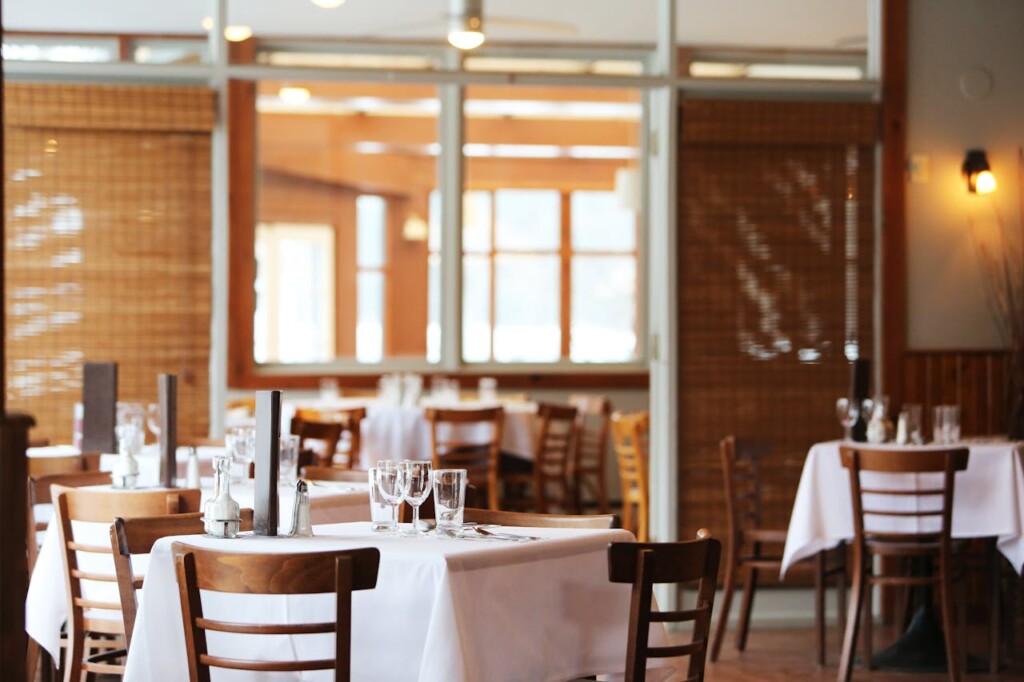
High-end restaurant construction in Dallas succeeds when we build on a strong foundation of comprehensive pre-construction planning. Our projects show that early feasibility studies, precise schedule development, and detailed cost estimating create a clear roadmap for quality delivery. We coordinate these elements to protect opening dates and maintain fine dining standards throughout construction.
Our approach emphasizes early definition of compliance requirements, premium finishes, and kitchen equipment specifications to prevent costly delays and change orders. We integrate MEP coordination with permit-readiness strategies, ensuring that health department approvals, ADA compliance, and building code requirements align with construction sequencing. Quality assurance protocols and transparent reporting keep stakeholders informed while protecting both schedule control and project outcomes.
Ready to plan your high-end restaurant project in Dallas? Contact EB3 Construction to discuss pre-construction strategies tailored to your goals.