Launching a successful pizzeria is about more than just a great recipe; it requires a meticulously planned and expertly executed construction process. As your dedicated Pizzeria Build-Out Contractor, we understand that every detail directly impacts your operational efficiency and long-term profitability.
This comprehensive guide breaks down the essential steps of a professional pizzeria build-out, starting with initial feasibility analysis and site evaluation, moving through detailed design and plan submission, and culminating in the complex installation of specialized equipment and mechanical systems.
From Concept to Code: The Pizzeria Pre-Construction Planning Phase
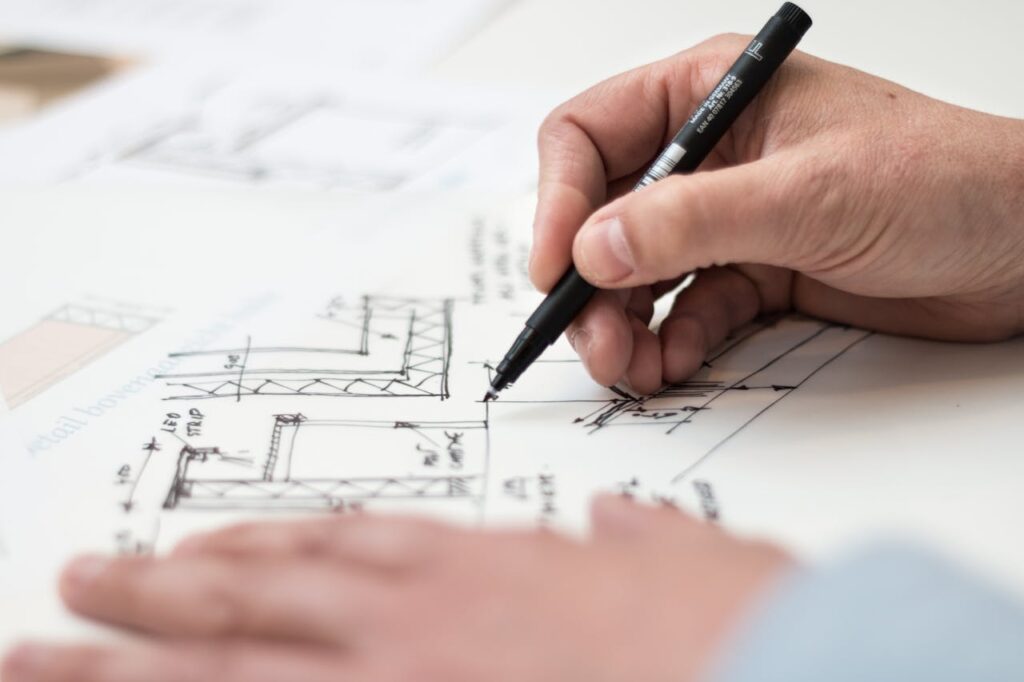
Effective pizzeria construction requires thorough planning before breaking ground. We start with concept and feasibility analysis, defining your service model whether dine-in, take-out, or ghost kitchen operations. This initial phase establishes space requirements, essential equipment needs, and realistic budget parameters that guide all subsequent decisions.
Site evaluation covers zoning compliance, utility capacity, accessibility requirements, parking availability, and traffic flow patterns. We examine electrical load capabilities, gas line access, water pressure, and drainage systems. Each factor influences equipment placement and operational efficiency once your pizzeria opens.
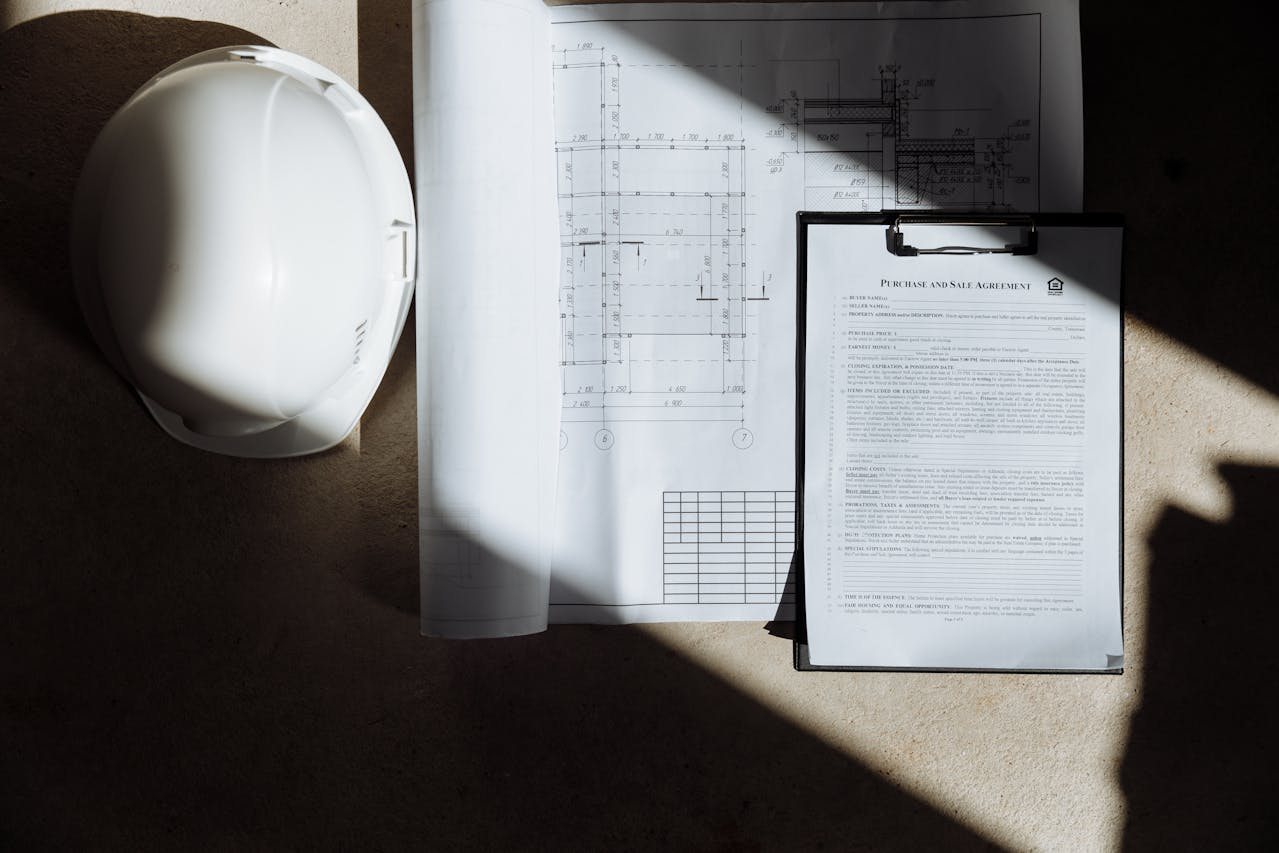
Develop Comprehensive Architectural Drawings
Professional architectural drawings form the backbone of successful pizzeria construction. We create detailed floor plans covering front-of-house dining areas, kitchen workflows around oven placement, prep stations, storage zones, restrooms, POS stations, and pickup areas. These plans optimize customer movement and staff efficiency during peak service periods.
Kitchen design focuses on workflow optimization around your specialty ovens. We position prep areas, storage, and service stations to minimize steps during pizza assembly and baking. Proper spacing ensures staff can work efficiently without creating bottlenecks during busy periods.
Create Precise Equipment Layouts Using CAD
CAD systems allow us to document exact equipment positioning with millimeter precision. We detail power requirements, water connections, drainage needs, gas lines, and hood placements for each piece of equipment. This precision prevents costly revisions during installation and ensures all utilities align perfectly with your operational needs.
Equipment specifications include electrical loads, BTU requirements, ventilation needs, and clearance distances. We coordinate oven placement with prep tables, refrigeration units, and service areas to create smooth production flows. Every connection point gets documented to streamline installation and future maintenance.
Coordinate Electrical, Plumbing, And Mechanical Plans
Integrated MEP planning ensures all building systems work together seamlessly. Electrical plans specify circuits for high-heat ovens, refrigeration systems, lighting schedules, and emergency power requirements. We calculate total electrical loads and coordinate with utility companies for adequate service capacity.
Plumbing layouts cover water supply, drainage systems, grease interceptors, and backflow prevention devices. Mechanical plans integrate HVAC systems, exhaust ventilation, and makeup air requirements. We add detailed ADA compliance notes and health code specifications to meet all regulatory requirements.
Submit Plans For Official Approvals
Stamped architectural plans go to multiple agencies for review and approval. Building departments verify structural compliance and code adherence. Health departments examine food safety requirements and sanitation systems. Fire marshals review suppression systems, exit routes, and emergency access.
Zoning officials confirm permitted use and occupancy limits. Additional approvals may be required for grease interceptors, exterior signage, and outdoor seating areas. We coordinate submission timing to minimize delays and keep your project timeline on track. Proper documentation and early submissions prevent costly construction delays and ensure smooth inspections throughout the build process.
Which Specialty Oven Choices Affect Construction Requirements?
Commercial pizza oven selection shapes every aspect of your kitchen layout. The type and configuration you choose directly influence utility routing, structural requirements, and workflow design.
Oven formats range from assembled commercial units to modular kits that accommodate custom finishes and sites with challenging access points. Modular systems ship in sections that can navigate through standard doorways, making installation possible in locations where fully assembled ovens cannot reach. Mobile-ready formats offer flexibility for operations that may relocate or expand their service area.
Production Capacity And Temperature Control
Performance specifications vary significantly across oven models. High-output units can exceed 900°F operating temperatures and produce up to 200 ten-inch pizzas per hour under optimal conditions. These production rates require careful coordination of prep space, ingredient storage, and service areas to maintain efficient workflow.
Revolving brick ovens deliver automated rotation that ensures consistent heat distribution without manual intervention. The rotating mechanism eliminates hot spots and reduces the skill level required for consistent results. User-friendly digital controls allow staff to manage temperature and rotation speed, which can reduce labor costs in high-volume operations.
Fuel Systems And Safety Certifications
Oven fueling options include wood, gas, or hybrid systems with burner capacities reaching 100,000 BTU. Hybrid configurations combine gas burners for consistent base heat with wood firing for flavor enhancement. Each fuel type creates specific utility requirements for gas lines, electrical connections, and ventilation systems.
Safety certifications through ETL, UL, and NSF indicate compliance with electrical, fire, and sanitation standards. These certifications affect permit approvals and insurance requirements. We verify that selected ovens meet local code requirements before finalizing specifications.
Sizing And Placement Coordination
Cooking surface dimensions typically range from 48 to 56 inches in diameter for commercial revolving ovens. Landing depth affects the space required for loading and unloading pizzas safely. We coordinate oven sizing with kitchen dimensions to ensure adequate clearances for operation and maintenance.
Placement decisions consider workflow patterns, service speed requirements, and throughput targets. The oven becomes the focal point of kitchen operations, so its position must support efficient movement between prep areas, storage, and service stations. We analyze traffic flow to optimize placement for both current needs and future expansion possibilities.
How Do You Design Venting, HVAC, And Fire Systems For High-Heat Ovens?
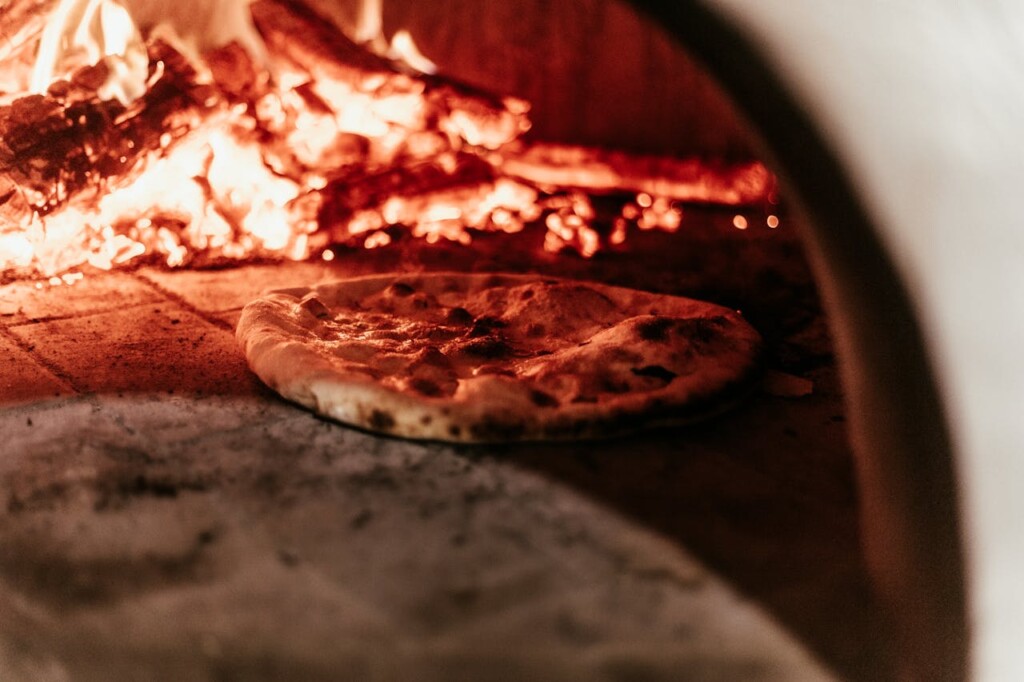
High-heat specialty ovens create intense thermal loads that push standard ventilation systems to their limits. These ovens can reach temperatures exceeding 900°F and generate substantial heat, smoke, and moisture that must be captured and removed safely.
We approach each installation by evaluating the oven’s heat output, placement within the kitchen workflow, and local code requirements. This assessment determines whether direct venting or hood-based exhaust provides the most effective solution for your specific setup.
Direct Venting Options For Specialty Ovens
Many high-temperature ovens can connect directly to UL-compliant chimney systems or dedicated exhaust ducts. This approach eliminates the need for a full hood system and often provides more efficient heat removal.
Direct vent systems require precise sizing to handle the oven’s specific BTU output and exhaust volume. We calculate ductwork diameter, fan capacity, and routing to ensure adequate draft while meeting fire code clearances from combustible materials.
Stainless steel or aluminized steel ductwork rated for high temperatures forms the backbone of these systems. All joints must be sealed with materials rated for temperatures of at least 1500°F, and the entire exhaust path needs proper slope to prevent grease accumulation.
Type I Hood Integration
Wood-fired ovens and some gas models require Type I hood coverage due to grease production during cooking. These systems demand liquid-tight construction, integrated fire suppression, and grease filtration capabilities.
Hood positioning becomes critical with high-heat sources. We maintain minimum 18-inch clearances from combustible surfaces and ensure adequate overhang to capture thermal plumes effectively.
Grease duct systems connected to Type I hoods must use continuous welded seams and non-combustible supports designed for both gravity and seismic loads. Access panels at regular intervals allow for required cleaning and maintenance.
Makeup Air And HVAC Load Management
High-volume exhaust systems create substantial negative pressure that affects kitchen comfort and equipment performance. Makeup air units must supply approximately 80-90% of exhausted air volume to maintain proper balance.
We size makeup air systems based on total exhaust CFM while considering the additional cooling load from introducing outdoor air. In hot climates, this can significantly impact HVAC capacity requirements.
Temperature differential between makeup air and kitchen space cannot exceed 10°F per most mechanical codes. This often requires tempering capabilities on makeup air units, especially during extreme weather conditions.
Fire Suppression And Safety Systems
Automatic fire suppression systems integrate directly with oven ventilation controls. When activated, these systems must shut off gas or electrical supply to cooking equipment while maintaining exhaust fan operation to clear smoke.
Suppression nozzle placement follows NFPA 96 guidelines for coverage patterns and agent distribution. We coordinate nozzle locations with duct routing and access requirements to ensure complete protection.
Manual pull stations and emergency controls must be positioned within easy reach of cooking staff but protected from accidental activation. All fire suppression connections require coordination with local fire marshals during plan review and final inspection.
What Timeline, Budget, And Team Should You Expect?
Pizzeria construction operates on compressed timelines once permits clear. We typically see build-out timeframes running 8 to 16 weeks after approval, though complexity and size drive the actual duration. A straightforward takeout operation might complete in 8 weeks, while full-service pizzerias with extensive dining areas and complex kitchen systems often require the full 16-week window.
Budget planning requires realistic expectations about square footage costs. Industry data shows pizzeria build-outs ranging from $150 to $400 per square foot, with most projects falling somewhere in the middle. A typical 1,500-square-foot pizzeria investment spans $225,000 to $600,000 for complete build-out. Location, equipment specifications, and finish quality all influence where your project lands within this range.
Construction Phases And Timeline Breakdown
Demolition kicks off the construction sequence once permits arrive. We strip existing fixtures, flooring, and non-load-bearing walls to prepare for new systems. This phase typically consumes 1 to 2 weeks depending on space condition and complexity.
Framing and utilities follow immediately after demolition. We frame new walls while running rough plumbing, electrical, and gas lines according to approved drawings. This critical phase establishes infrastructure for all kitchen equipment and dining room needs, usually requiring 3 to 4 weeks for completion.
HVAC and ventilation installation demands specialized coordination. High-heat pizza ovens require robust exhaust systems, makeup air units, and proper ductwork routing. We coordinate with mechanical contractors to ensure adequate airflow and code compliance, typically allocating 2 to 3 weeks for this specialized work.
Finishes transform raw construction into functional space. We install flooring, wall finishes, ceiling systems, and lighting fixtures. Kitchen areas receive commercial-grade materials that withstand high temperatures and frequent cleaning, while dining spaces get customer-facing finishes that support your brand vision.
Equipment installation requires precise coordination between suppliers and installers. Pizza ovens, prep tables, refrigeration units, and POS systems arrive in sequence. We coordinate delivery timing, utility connections, and placement according to workflow requirements. This phase typically spans 2 to 3 weeks.
Final inspections close out the construction process. Building officials, health departments, and fire marshals conduct their reviews. We schedule these inspections strategically to avoid delays and ensure compliance before opening.
Essential Team Members For Success
Architects skilled in foodservice design understand commercial kitchen requirements, health codes, and workflow optimization. They translate your concept into buildable plans that satisfy regulatory requirements while supporting operational efficiency.
General contractors with commercial kitchen expertise know the unique demands of restaurant construction. They coordinate specialized trades, manage equipment installations, and navigate inspection processes efficiently. Experience with pizza ovens and high-heat systems proves essential for avoiding costly mistakes.
Hospitality-focused interior designers balance aesthetics with functionality. They select materials that withstand commercial use while creating atmosphere that attracts customers and supports staff productivity.
A design-build approach streamlines communication and reduces project risk. Single-source responsibility eliminates finger-pointing between designers and builders while accelerating decision-making throughout construction. We can provide installation services directly in many areas or coordinate with certified professionals through our national network to ensure quality execution regardless of location.
Conclusion And Next Steps
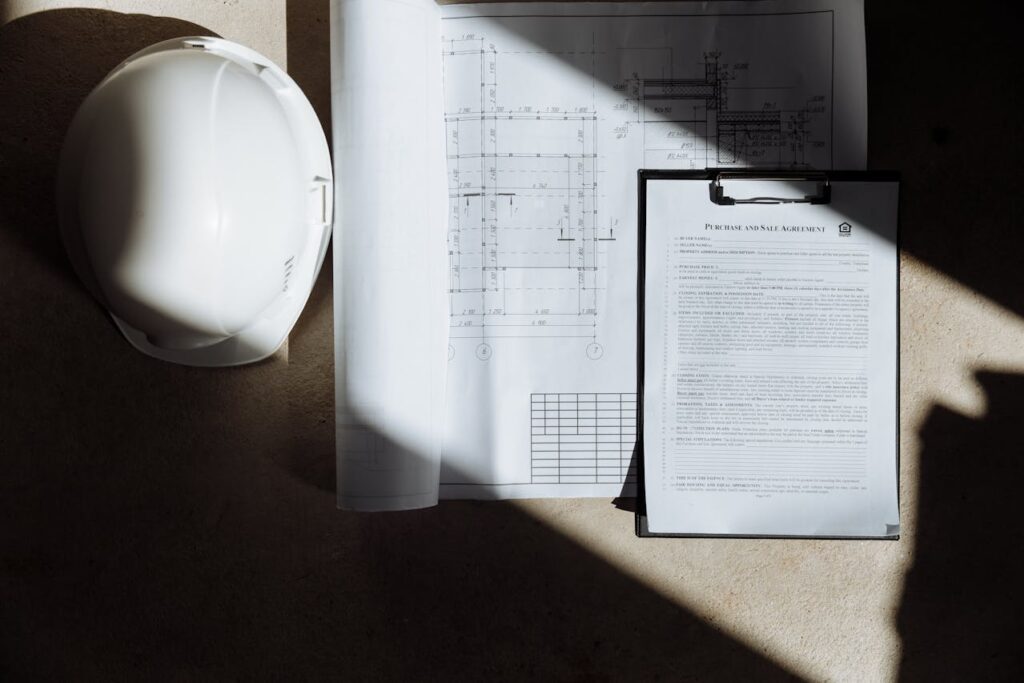
A successful pizzeria build-out starts with clear feasibility checks, detailed drawings, the right specialty oven, and code-ready venting and HVAC systems. Setting realistic budgets and timelines, assembling an experienced team, and planning for final inspections creates a foundation for operational success. The process moves from concept through permitting to construction completion, with each phase building on the previous work.
To move forward effectively, align your menu and volume goals with oven selection to ensure your equipment matches your operational needs. Confirm utility and venting paths early to avoid costly changes during construction. Schedule your permit submissions with adequate time for review and approval cycles. These steps prevent delays and keep your project timeline intact.
Contact EB3 Construction to review layouts, document connection points, and coordinate installation and inspections for your pizzeria build-out.