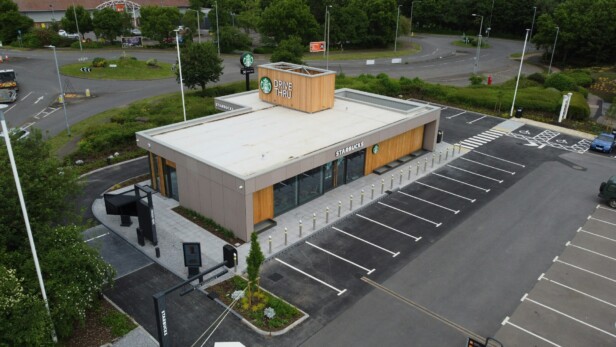
Dallas developers start more than 2,000 new restaurant projects each year, yet many overlook critical permitting requirements that can derail even well-funded builds. Quick-service restaurant build-outs in Dallas require precise coordination among city approvals, health department oversight, and trade sequencing to avoid costly delays.
We approach each restaurant build-out through comprehensive planning that addresses Dallas’s specific food establishment codes, MEP coordination requirements, and budget realities. This guide outlines the essential steps from food establishment permit applications through final health department approvals.
Which Dallas Permits And Approvals Are Required Before Construction?
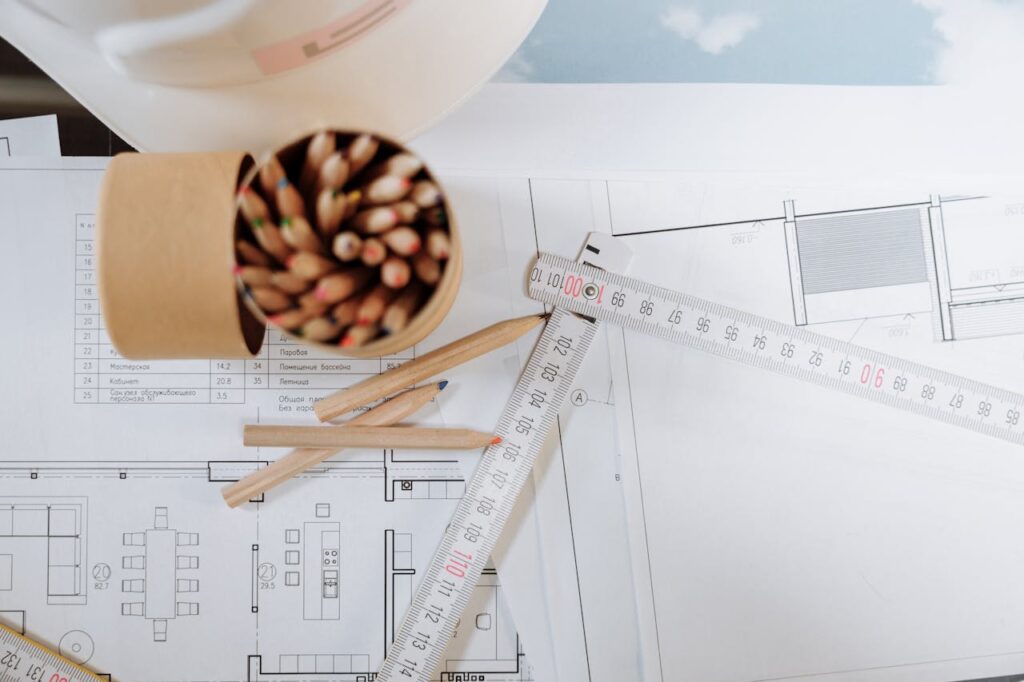
Before breaking ground on your quick-service restaurant, we secure the Dallas Food Establishment Permit at the Oak Cliff Municipal Center. This application serves as your entry into the city’s permitting system and must be completed before submitting construction plans to the Building Inspection Division.
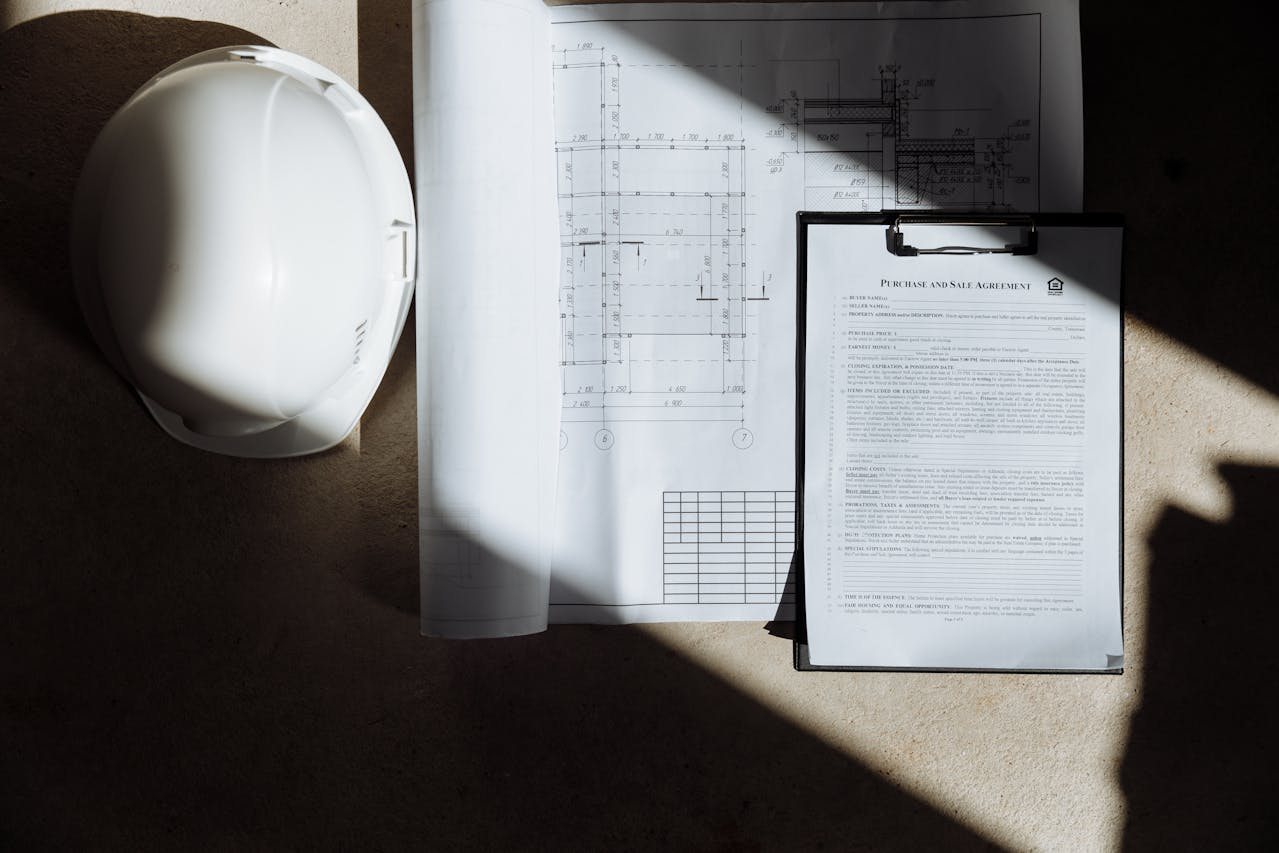
The permit application requires two identical plan sets that detail your floor layout, fixture placement, equipment positioning, room finish schedule, and the locations of floor and hub drains. These drawings serve as the blueprint for all subsequent approvals and inspections throughout your build-out.
Building, Plumbing, Electrical, and Mechanical Permits
Dallas consolidates building permit, plumbing permit, electrical permit, and mechanical permit approvals under health department oversight. This coordination streamlines the review process while ensuring food safety compliance from design through final occupancy.
The building permit covers structural modifications, while mechanical permits address HVAC systems and ventilation requirements. Electrical permits govern power distribution, lighting circuits, and equipment connections. Plumbing permits encompass water supply and drainage systems, along with specialized food-service fixtures.
Remodel and Ownership Change Requirements
Existing facilities undergoing a remodel or a change of ownership require a new permit application with the Department of Environmental and Health Services. Dallas mandates approval within 30 days of submission for ownership transfers, providing a clear timeline for project planning.
Extensive renovations trigger the same permitting requirements as new construction. We coordinate these applications early to prevent delays during the transition period, when timing is often critical for business operations.
Grease Trap Approval Process
Grease trap systems require separate approval from Dallas Water Utilities before installation begins. These systems must comply with both plumbing and mechanical codes, including submission of the appropriate blueprints to Building Department Technical Services.
We size grease traps according to your kitchen’s discharge requirements and coordinate with Dallas Water Utilities for system approval. When site conditions allow, placing the unit outside the building perimeter is recommended.
Final Inspections and Opening Approvals
Final inspections and health department approvals are required before opening to the public. We schedule these inspections in sequence and address any deficiencies promptly to maintain your target opening date.
Early coordination with health department inspectors helps identify potential issues during construction rather than at the final walkthrough. This approach prevents last-minute delays that can disrupt staff training and opening announcements.
What Health, Building, And Kitchen Standards Shape A QSR Layout In Dallas?
Dallas food code requirements influence every aspect of restaurant construction, from floor materials to equipment placement. We integrate these standards into our build-out process to ensure compliance and avoid costly rework during inspections.
Floor and Drainage Requirements
Floors in kitchens, dishwashing areas, and restrooms must be constructed of smooth, non-absorbent materials such as sealed concrete, terrazzo, ceramic tile, or quarry tile. These surfaces must slope to trapped floor drains to prevent standing water. Wood and other absorbent materials are prohibited in these areas.
Utility lines may not be installed on the floor surface. All service lines must be routed through floors, walls, or ceilings and stubbed out at equipment locations. Floor drains must be positioned adjacent to equipment that discharges waste, with specific clearance requirements based on equipment height.
Wall and Ceiling Standards
Walls in food preparation, storage, and washing areas require smooth, rigid, non-absorbent materials that are light in color and easily cleanable. Acceptable materials include fiberglass-reinforced plastic (FRP) panels, ceramic or quarry tiles, and stainless steel. FRP panels are not recommended behind heat-generating equipment such as fryers, griddles, or ranges due to heat damage concerns.
Coved joints between walls and floors are mandatory, with seams no greater than 1/32 inch. Ceilings must be constructed of smooth, non-absorbent materials or T-type lay-in acoustical tiles in approved metal grids. Light-colored finishes are required in kitchens, dishwashing areas, bars, and storage rooms.
Lighting Requirements
Dallas code specifies minimum lighting levels throughout the facility. Food preparation and utensil-washing work surfaces require at least 50 foot-candles. All other areas need a minimum of 10 foot-candles at 30 inches above the floor, including storage rooms and walk-in units.
Light fixtures in food preparation, storage, and display areas must be shatterproof, coated, or shielded to prevent broken glass from falling into food. Heat lamps require protective shields that surround and extend beyond the bulb.
Equipment Installation Standards
All equipment must meet or exceed NSF design standards for commercial food service. Floor-mounted equipment requires installation on six-inch legs, casters, complete sealing to the floor, or placement on a smooth concrete or masonry platform with a minimum two-inch height.
Counter-mounted equipment that cannot be easily moved must be sealed to surfaces or elevated on legs to allow cleaning access. Adequate space between walls and equipment is required for cleaning; caster wheels are needed when space is insufficient.
Sink and Plumbing Requirements
Handwashing sinks must be located within 25 unobstructed feet of food-handling and utensil-washing areas. Each establishment requires a stainless steel utility sink at least 14 inches deep on legs, plus three-compartment sinks for utensil washing or commercial dishwashers meeting NSF standards. Bar areas need four-compartment stainless steel sinks with attached drainboards.
All plumbing fixtures must include backflow prevention devices. Food-contact equipment, including preparation sinks, ice bins, and ice machines, requires indirect drainage through air gaps to prevent backsiphonage. Ice machines specifically need a one-inch minimum air gap between drain lines and the sewer system.
Ventilation and Hood Systems
Ventilation hoods with removable filters are required over all cooking surfaces. These systems must comply with mechanical and plumbing codes and include fire suppression systems. Ice machines and other food equipment must provide adequate ventilation that meets all mechanical code requirements.
Hood systems require blueprint submittal to Building Department Technical Services for sizing approval. Grease extraction equipment must be designed for easy removal and cleaning or for cleaning in place.
ADA Accessibility Standards
All areas must meet ADA accessibility requirements, including entrances, restrooms, seating areas, and pathways. Door hardware, counter heights, and aisle widths must accommodate wheelchair access. Restroom facilities require specific fixture heights and clear floor space.
Self-closing exterior doors must be tight-fitting to exclude insects and rodents while maintaining accessibility compliance. Customer service windows require effective pest-exclusion methods such as air curtains or self-closing mechanisms.
How Should MEP Sequencing, Hoods, And Grease Systems Be Planned?
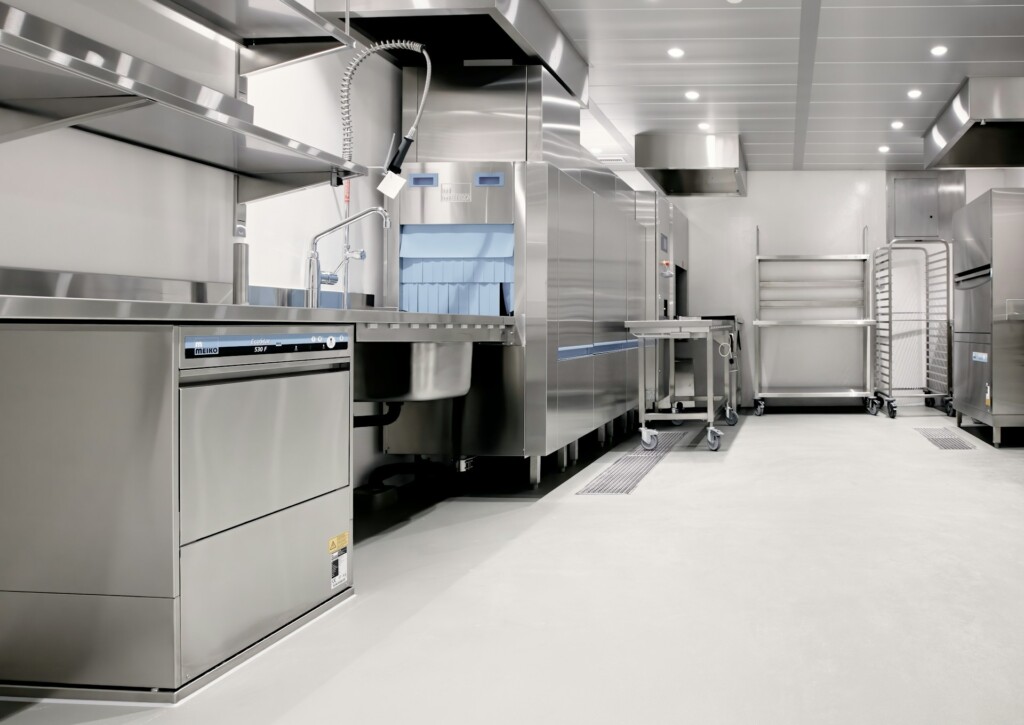
MEP coordination forms the backbone of successful restaurant construction, especially when mechanical exhaust, fire suppression, and kitchen equipment must work together effectively. We approach this coordination by establishing equipment locations first, then routing utilities to match those positions, rather than forcing equipment to fit around predetermined utility runs.
Early coordination between mechanical and fire protection systems prevents costly rework during construction. The fire suppression system must integrate with hood controls, gas shutoff valves, and electrical disconnects for cooking equipment. We coordinate these connections during the design phase to ensure proper sequencing when trades arrive on site.
Plumbing Integration and Drainage Planning
Indirect drains require careful planning to meet health code requirements while accommodating equipment discharge patterns. Ice machines, dishwashers, and prep sinks need proper air gaps – typically a minimum of one inch – to prevent backflow contamination. We position floor drains adjacent to discharging equipment rather than trying to route discharge lines across the kitchen floor.
Backflow prevention devices must be installed at the appropriate locations in the water supply system. These devices protect potable water from contamination and must remain accessible for testing and maintenance. We coordinate with plumbing contractors to ensure proper sizing and placement during the rough-in phase.
Grease Management System Design
Grease traps serve sinks, dishwashers, and floor drains in food preparation areas, and we typically recommend exterior installation for accessibility and maintenance. Interior grease interceptors can work in some situations but require more complex venting and access arrangements. The sizing calculations must account for all fixtures served, and Dallas Water Utilities requires a review before installation.
Blueprint submissions to the Building Department Technical Services cover both grease trap sizing and ventilation hood specifications. These submittals require detailed equipment schedules, flow calculations, and installation details. We prepare comprehensive drawings that show equipment connections, vent routing, and maintenance access to expedite the approval process.
Utility Stub Coordination
Utility stubs – gas, water, electrical, and drainage connections – must align precisely with equipment mounting locations. We establish these positions during the design phase and communicate them clearly to all trades. Adjusting utility locations after concrete placement or wall framing creates expensive change orders and schedule delays.
Mechanical exhaust ductwork requires coordination with structural elements and other building systems. We route ductwork to minimize conflicts while maintaining proper slope for grease drainage back to collection points. Access panels for cleaning must be positioned where maintenance personnel can reach them safely.
Our design/build approach integrates these coordination requirements from project start through final inspection. We handle engineering calculations, permit applications, trade scheduling, and communication with Dallas inspectors and the health department. This integrated approach reduces coordination gaps that typically cause delays and cost overruns in traditional design-bid-build projects.
What Are Realistic QSR Build-Out Costs In Dallas?
Texas restaurant construction costs in 2025 range from $350–$650 per square foot for most projects. These figures reflect current material prices, labor rates, and the specialized mechanical systems that QSR operations require. Dallas construction benefits from competitive pricing due to strong contractor availability and established supply chains throughout the DFW region.
Fast-casual concepts typically fall between $350–$500 per square foot. This range covers basic kitchen equipment, simple dining layouts, and standard finishes that support efficient service models. Full-service establishments require $450–$650 per square foot due to more complex kitchen setups, enhanced dining environments, and additional mechanical capacity.
Drive-thru operations typically cost $400–$600 per square foot. This range reflects specialized equipment such as menu boards, communication systems, and the dual kitchen capacity needed to serve both drive-thru and walk-in customers efficiently.
| Fast Casual Concepts | $350 – $500 per square foot |
| Full Service Establishments | $450 – $650 per square foot |
| Drive-Thru Operations | $400 – $600 per square foot |
Disclaimer: Pricing figures are based on publicly available market data and are intended for general estimation purposes as of January 2026. They do not represent a formal quote from EB3 Construction. Actual costs will vary by project scope, location, labor rates, and material prices.
Key Cost Drivers
Ventilation and exhaust hoods are among the largest single cost items in QSR construction. Commercial kitchen ventilation systems require substantial ductwork, fire suppression integration, and makeup air systems that can add $50,000–$100,000 to your project budget.
Grease trap systems and drainage infrastructure are another significant cost driver. External grease traps, required by Dallas Water Utilities, typically cost $8,000–$20,000 installed, depending on capacity and site conditions. The associated plumbing work for proper grease management adds to overall mechanical costs.
High-capacity mechanical systems drive costs higher than in typical commercial spaces. QSR kitchens demand robust electrical service, enhanced HVAC capacity for heat loads, and specialized plumbing for food preparation equipment. These systems often require 30% more capacity than standard retail spaces.
Soft Costs and Contingency Planning
Soft costs typically account for 8%–12% of your total project budget. These include architectural fees, engineering services, permit costs, and inspection fees required throughout construction. Dallas permitting fees are generally competitive compared with other major Texas markets.
Keep a 3%–5% contingency for unforeseen conditions or scope adjustments. This buffer covers potential issues such as unexpected utility conflicts, code interpretation changes, or minor design modifications that arise during construction. Dallas construction projects benefit from predictable site conditions and established building practices.
The DFW region maintains competitive pricing across commercial building types. Strong subcontractor availability keeps labor costs stable, while proximity to major distribution centers ensures reliable material access. This market stability helps control both hard costs and project schedules for restaurant construction.
Conclusion And Next Steps

A successful quick-service restaurant build-out in Dallas requires careful coordination across permitting, design compliance, and MEP sequencing. We organize projects around three critical phases: securing Health Department approvals and coordinating with Dallas Water Utilities; producing code-compliant designs; and managing construction sequencing to avoid costly rework.
Budget planning should reflect current Texas market conditions, with a baseline of $350–$650 per square foot. Include 8–12% for soft costs such as design fees, permitting, and inspections, and maintain a 3–5% contingency for unforeseen conditions. MEP systems, ventilation hoods, and grease management often drive higher costs but are essential infrastructure for long-term operations. Final inspections must be scheduled and completed before opening, so early coordination with city inspectors is crucial to meet your target opening date.
Contact EB3 Construction today to discuss your Dallas QSR build-out.