Building a quick-service restaurant with a drive-thru in Texas typically costs $400 to $600 per square foot, significantly higher than fast-casual concepts, which range from $350 to $500 per square foot. These elevated costs reflect the specialized equipment, site modifications, and operational layouts required for efficient drive-thru service.
Several key factors drive construction budgets for Texas QSR projects. Site work and lane geometry create immediate cost pressures, while kitchen systems and MEP infrastructure push per-square-foot pricing above standard retail builds. Regional code requirements vary substantially, from Houston’s wind-resistant standards to more straightforward requirements in secondary markets like San Antonio.
How Do Texas Per-Square-Foot Ranges And Regional Factors Shape Your Base Build Cost?
Understanding restaurant construction pricing across Texas requires examining both statewide ranges and regional differences. We find that location-specific factors can shift budgets significantly, making early market analysis essential for accurate project planning.
Per-Square-Foot Construction Ranges
Restaurant construction costs in Texas vary widely by concept and complexity. Fast-casual operations typically fall within $350–$500 per square foot, reflecting simpler kitchen layouts and streamlined service models.
Drive-thru projects command higher costs at $400–$600 per square foot due to specialized equipment and operational layout demands. The drive-thru premium stems from lane construction, window systems, menu board installations, and kitchen modifications needed to support dual service channels.
Full-service restaurants push toward the upper end of the $350–$650 range. Dense plumbing networks for multiple prep stations, complex HVAC systems for dining comfort, and expanded electrical loads for varied equipment drive these higher costs.
| Service Type | Cost Range (per sq ft) | Notes |
|---|---|---|
| Fast Casual | $350–$500 | Simpler kitchen layouts |
| Drive-Thru | $400–$600 | Specialized equipment and operational layout |
| Full Service | $450–$650 | Dense plumbing, complex HVAC systems |
Disclaimer: Pricing figures are based on publicly available market data and are intended for general estimation purposes as of March 2026. They do not represent a formal quote from EB3 Construction. Actual costs will vary by project scope, location, labor rates, and material prices.
Regional Cost Variations Across Major Markets
Houston presents the highest construction costs due to coastal building requirements. Hurricane and windstorm design standards add structural reinforcement costs, while floodplain compliance often requires elevated foundations or specialized drainage systems.
Strong labor demand in Houston’s energy corridor creates competition for skilled trades, particularly MEP contractors familiar with restaurant ventilation systems. We typically see an 8–15% premium compared to other Texas markets for comparable projects.
The Dallas-Fort Worth metroplex benefits from robust subcontractor availability and competitive bidding environments. Fewer storm-related code requirements keep structural costs manageable, while the region’s logistics advantages help control material delivery expenses.
Austin commands premium pricing driven by sustainability requirements and complex MEP expectations. LEED certification demands and energy efficiency standards add upfront costs, though many developers accept these investments for long-term operational savings and market positioning.
San Antonio and secondary markets like Corpus Christi, Lubbock, and El Paso often deliver the most cost-efficient construction. Lower labor competition and reduced regulatory complexity help keep projects within tighter budgets while maintaining quality standards.
Material And Labor Market Pressures
Steel pricing remains volatile due to global supply chain fluctuations and trade policy impacts. Restaurant projects using significant structural steel or specialty framing feel these price swings most acutely during procurement phases.
Concrete costs continue to rise with fuel and transportation expenses. Ready-mix delivery premiums affect foundation work and site concrete, while precast elements face longer lead times and higher freight costs.
HVAC equipment availability creates scheduling challenges across Texas markets. Commercial kitchen ventilation systems and high-capacity dining area units often carry 12–16-week lead times, requiring early ordering to maintain construction timelines.
Labor availability constraints hit restaurant construction particularly hard. Skilled electricians, plumbers, and MEP trades command premium wages, while specialized restaurant equipment installers remain in short supply. These tight labor markets push hourly rates higher and extend project schedules when crews aren’t secured early.
Concrete finishing crews also face high demand, especially for polished floors and decorative elements common in modern restaurant designs. Competition from residential and commercial sectors keeps these specialized trades busy and pricing elevated.
Which Site Work And Drive-Thru Lane Choices Move The Budget Most?
Lane geometry decisions and site preparation largely determine drive-thru construction costs. We coordinate these elements early because changes after construction begins become significantly more expensive.
Lane Construction and Retrofit Costs
Adding a drive-thru to an existing site typically costs $35,000 to $80,000, with most of the expense in paving and striping. Traffic flow modifications often require additional approvals from local jurisdictions, which can extend project timelines. We approach these retrofits by evaluating existing site circulation patterns and identifying the most cost-effective path for drive-thru integration.
The approval process varies significantly across Texas municipalities. Some cities require detailed traffic impact studies, while others focus mainly on stacking requirements and fire access. Early coordination with local planning departments helps us avoid costly redesigns during the permit phase.
Geometry and Stacking Requirements
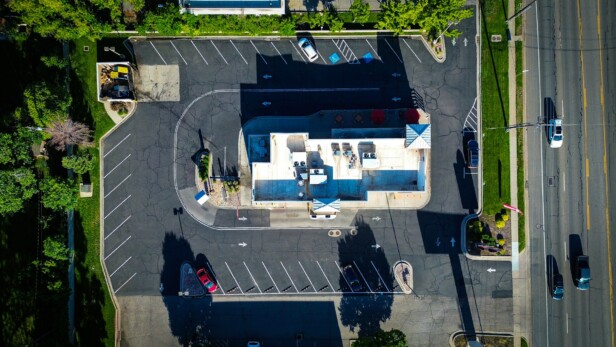
Lane width choices directly impact both construction costs and operational efficiency. Standard drive-thru lanes are 10 to 12 feet wide, with tighter turning radii often requiring the wider 12-foot width. We design lane geometry to balance construction costs with vehicle maneuverability, particularly for larger delivery trucks and emergency access.
Escape lanes represent a significant cost driver when required by local jurisdictions. These bypass options can push total lane width to approximately 20 feet, substantially increasing the scope of paving and site work. Queue length requirements vary by municipality and typically require 6 to 10 vehicle stacking spaces, which in turn increase curb work, concrete placement, and landscaping adjustments to accommodate turning radii.
Stormwater management becomes more complex as paving areas expand. We coordinate drainage solutions early to avoid costly retrofits when water flow patterns change with new lane configurations.
Drive-Thru Windows and Signage Systems
Drive-thru window installations range from $550 to $1,000, with the cost difference primarily between manually operated and electric models. We typically recommend electric windows for high-volume operations where speed of service impacts throughput. Window placement requires coordination with interior layout to ensure proper sight lines and efficient order handoff.
Menu boards and exterior signage systems average about $8,000 and play a key role in traffic flow and customer experience. Digital menu boards cost more upfront but offer operational flexibility that can improve order accuracy and upsell opportunities. We position signage to support clear wayfinding while meeting local sign ordinances.
Communication systems, including speakers, headsets, and timing loops, add operational capabilities but require careful electrical coordination. These systems integrate with point-of-sale technology and must be sized for the expected volume and staffing model.
Hidden Site Variables and Risk Management
Soil conditions present one of the most unpredictable cost factors in drive-thru construction. Poor drainage or unstable soils can require additional base preparation or specialized paving techniques that may not be apparent during initial site evaluation. We recommend geotechnical analysis for sites with questionable soil conditions, particularly in areas with clay soils or previous development.
Utility tie-ins often reveal unexpected complications during construction. Existing electrical, water, or sewer lines may require relocation or upgrading to support drive-thru operations. Gas line conflicts with new paving areas can trigger costly utility relocation work that extends project schedules.
Drainage upgrades frequently exceed initial estimates when existing site conditions do not accommodate increased impervious surface area. Texas stormwater regulations require proper management of runoff, and retrofitting drainage systems can involve extensive underground work that impacts both cost and timelines.
What Kitchen, Ventilation, Plumbing, HVAC, And Tech Items Drive QSR Build Budgets?

Quick-service restaurants require specialized equipment and systems that directly influence construction costs. Kitchen equipment typically represents the largest single line item, while ventilation, MEP systems, and technology infrastructure add cost layers that distinguish QSR projects from standard retail build-outs.
Kitchen Equipment and Core Systems
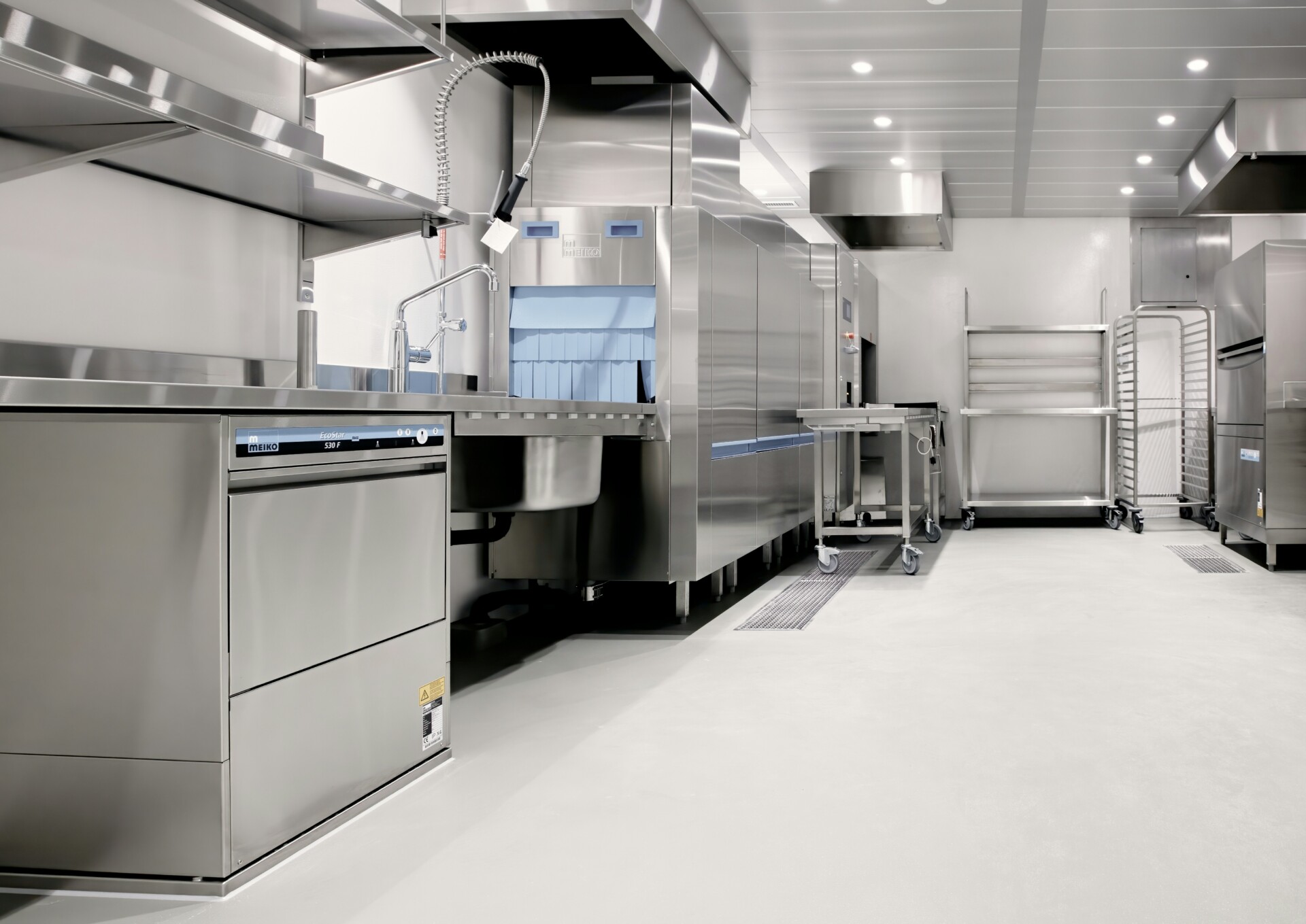
A typical kitchen equipment package averages about $70,000 for core cooking, refrigeration, and prep stations in high-volume QSR operations. This figure covers essential items like commercial ranges, fryers, grills, reach-in refrigerators, freezer units, and prep tables designed for quick-turn service.
Equipment costs increase with throughput and menu complexity. Drive-thru operations often need dual cooking lines or higher-capacity units to manage peak periods. Specialized equipment such as conveyor ovens, rapid-cook systems, or automated fryers can push budgets beyond baseline figures.
Installation and utility connections add substantial costs beyond purchase prices. Gas line runs, electrical capacity upgrades, and water connections require coordination with MEP trades and often trigger permitting requirements.
Ventilation Systems and Code Compliance
Exhaust hoods, make-up air systems, grease ducting, and grease trap installations are major cost drivers in QSR construction. These systems must meet strict fire and health codes while handling the high-volume cooking typical in quick-service environments.
Commercial kitchen ventilation requires precise engineering to balance exhaust and make-up air volumes. Inadequate sizing leads to poor air quality, excessive energy costs, or failed inspections. Ductwork runs, roof penetrations, and fire suppression integration add complexity and cost to these installations.
Grease management systems, including grease traps and interceptors, protect municipal sewer systems and require regular maintenance access. Sizing depends on kitchen capacity and local regulations, and larger systems may require excavation and specialized installation procedures.
MEP Capacity Requirements
High-capacity HVAC and dense plumbing configurations elevate construction costs per square foot compared to retail shells. QSR operations demand substantial electrical loads for kitchen equipment, lighting, and climate control systems operating continuously during service hours.
Plumbing density in QSR kitchens exceeds most commercial applications due to multiple sinks, dishwashing equipment, ice machines, and beverage systems. Floor drains, grease-resistant piping, and adequate water pressure for equipment operation require careful planning and installation.
HVAC systems must maintain customer comfort in dining areas while managing heat loads from kitchen operations. Split systems, zone control, and adequate filtration are essential for consistent operation and energy efficiency.
Technology Infrastructure and POS Systems
Plan for roughly $22,000 for comprehensive POS hardware and online ordering setup, typically split between $10,000 for hardware components and $12,000 for platform development and integration. This investment covers front-of-house terminals, kitchen display systems, and mobile ordering capabilities essential for modern QSR operations.
Kitchen display systems have replaced traditional ticket printers in most QSR operations, requiring network infrastructure, mounting systems, and integration with cooking timers. These systems improve order accuracy and reduce paper waste while supporting drive-thru throughput targets.
Drive-thru technology adds specialized components, including order confirmation displays, timer systems, and payment processing equipment. Audio systems, camera monitoring, and queue management technology further enhance operational efficiency but require additional investment and installation coordination.
Layout Impact on System Costs
Drive-thru equipment placement and operational layout choices directly influence costs in the $400-$600 per square foot range for QSR construction. Kitchen design affects equipment runs, utility requirements, and ventilation system sizing.
Efficient layouts minimize utility runs and reduce installation costs while supporting operational flow. Poor layout decisions can require extensive rework, additional equipment, or compromised functionality that impacts long-term profitability.
We coordinate equipment placement with architectural design to optimize both construction costs and operational efficiency. Early integration of equipment specifications, utility requirements, and code compliance ensures accurate budgeting and smooth installation sequences.
How Should You Plan For Soft Costs, Hidden Costs, And Contingencies In Texas?
Understanding how project costs break down gives you more control over the budget from day one. We structure restaurant budgets around distinct cost categories, each of which demands its own planning approach and financial management strategy.
Hard costs typically account for 75% to 85% of the total project budget. These direct construction expenses cover everything we physically build into your restaurant, from structural work to final finishes. Within this category, foundations alone represent approximately 11.5% of total project costs, reflecting engineering requirements and soil conditions across Texas markets.
Soft costs account for 8% to 12% of the budget and cover the professional services that enable construction to proceed legally and safely. Design and engineering fees form the largest portion of soft costs and can range from 6% to 12% of total project costs for restaurant builds. Permitting and inspection fees vary by jurisdiction but remain essential for code compliance and occupancy approval.
Legal and insurance costs protect your investment throughout the construction process. These expenses include contract reviews, liability coverage, and bonding requirements for contractors and subcontractors. We factor these costs into early budget planning to avoid surprises during project execution.
Hidden risks can emerge during construction and require proactive financial planning. Soil remediation becomes necessary when environmental contamination or poor soil conditions surface during excavation. These issues can add weeks to your timeline and thousands to your budget, particularly in urban areas with industrial history.
Permit delays affect schedules and costs when municipal review processes extend beyond expectations. Some Texas cities experience longer permitting cycles during peak construction seasons, while others maintain more predictable approval schedules. We track these patterns to help you plan realistic timelines.
Material price spikes affect restaurant builds when steel, concrete, or specialized equipment costs rise between budget approval and material procurement. Current market volatility makes this risk especially relevant for projects with extended design and approval phases. Change orders are another significant cost driver if scope modifications occur during construction.
Contingency planning protects your project against unforeseen circumstances and market fluctuations. We recommend establishing a 3% to 5% contingency fund, with the specific percentage adjusted for regional market conditions and project complexity. Houston projects may warrant higher contingencies due to stricter code requirements and weather-related risks, while secondary markets often allow for more conservative planning.
Our budgeting approach follows a three-stage process that maintains cost control throughout project development. Preliminary budgeting establishes baseline costs using per-square-foot estimates and known scope parameters. Design development budgeting refines these estimates as architectural plans solidify and mechanical, electrical, and plumbing (MEP) requirements become clear.
Final construction budgeting incorporates actual trade quotes and material pricing to establish definitive project costs. This progression allows for course corrections at each stage instead of discovering cost overruns during construction. Early scope lock-in is essential for controlling expenses, particularly regarding lane layout geometry, MEP system sizing, and ventilation requirements that drive significant cost variations in restaurant projects.
Conclusion And Next Steps
Successful drive-thru budgeting in Texas requires balancing the core cost drivers we’ve outlined throughout this planning process. The $400–$600 per-square-foot benchmark for drive-thru construction provides a solid foundation, but regional variations and project-specific factors will affect your final numbers. Houston’s windstorm requirements, DFW’s competitive subcontractor market, and Austin’s sustainability demands each create distinct cost pressures that shape your bottom line.
We recommend locking in your layout and MEP design early to control scope creep and avoid costly change orders. Drive-thru lane geometry, kitchen ventilation systems, and technology infrastructure are the largest variables in your budget, so securing trade quotes and confirming lead times protect against market volatility. Carrying a 3%–5% contingency is essential given Texas material price fluctuations and the complexity of coordinating site work with operational requirements.
Ready to move forward with your Texas drive-thru project? Contact EB3 Construction to discuss your specific requirements and regional considerations.