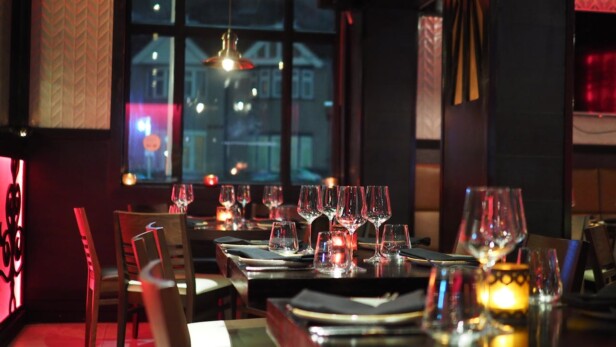
Restaurant construction in San Antonio requires more than separate contractors working with loose coordination. A restaurant design-build firm in San Antonio combines design coordination, remodeling, fit-outs, and construction under one unified team.
This integrated approach—often called integrated project delivery (IPD)—streamlines every phase, from estimating through final inspections. We handle site planning, permitting, building, and finishing, while helping restaurants balance brand identity with efficient front-of-house and back-of-house workflows. Our teams coordinate directly with San Antonio’s municipal requirements and Texas health and safety standards, eliminating the typical delays that arise when multiple vendors work independently on permits and licenses.
Which Services Should A San Antonio Restaurant Design-Build Team Provide?
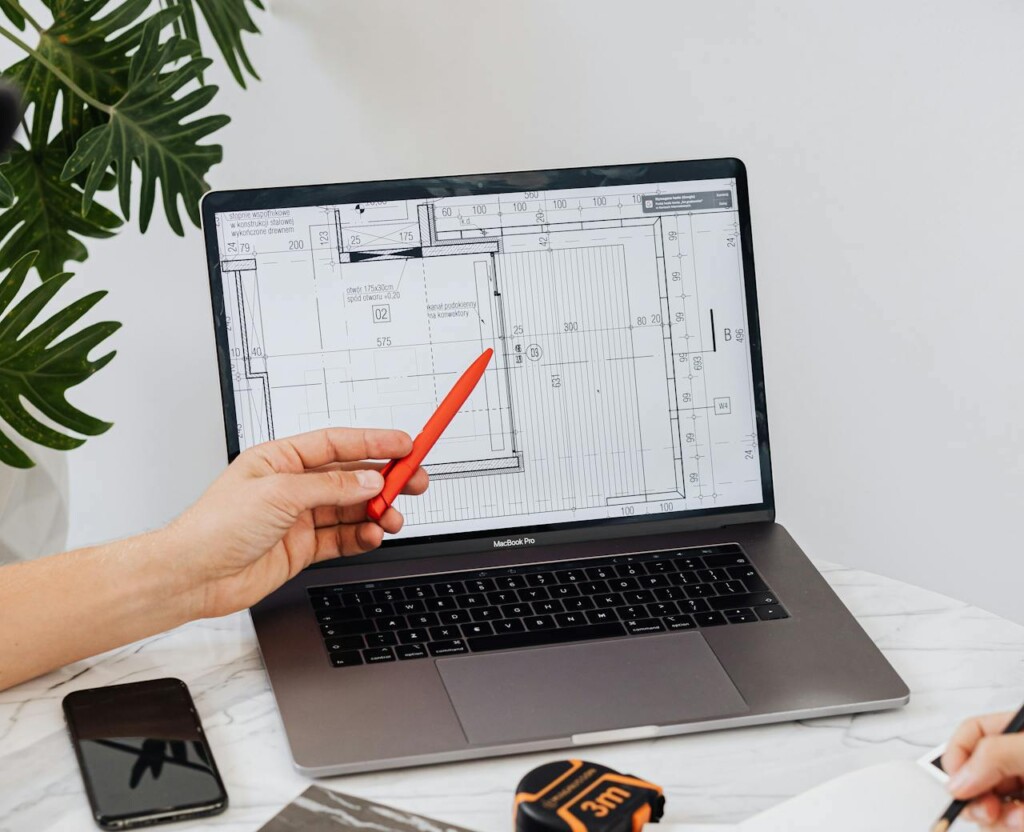
A comprehensive restaurant design-build team handles every phase of construction, from initial concept through final inspection. We coordinate ground-up builds, tenant finish-outs, remodeling projects, and refurbishment work under one contract. This approach eliminates the complexity of managing multiple vendors while ensuring consistent quality and communication throughout the project.
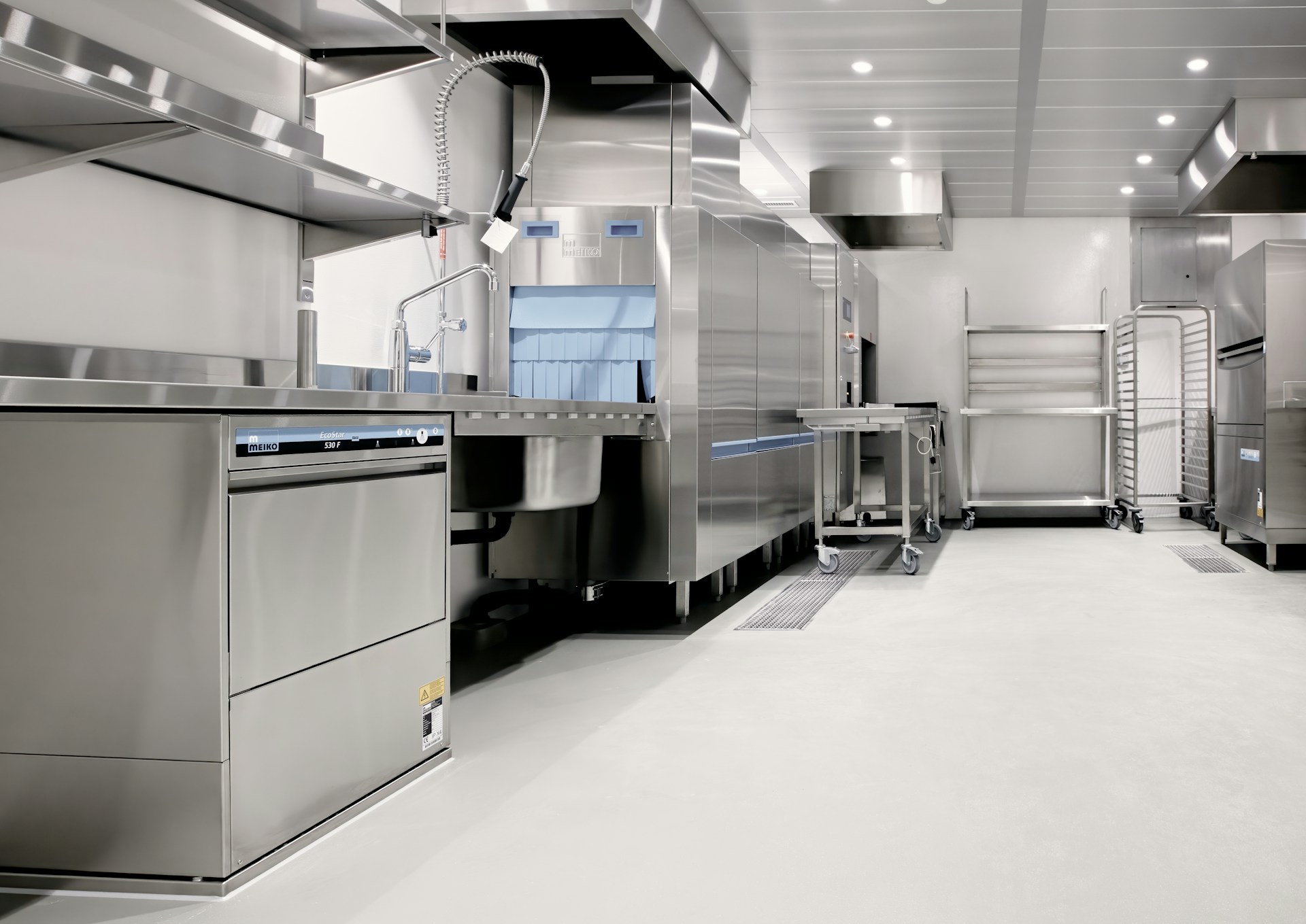
The scope of services extends beyond basic construction. Kitchen modernization is a core component of our work, involving equipment installation, ventilation systems, and workflow optimization for efficient food preparation. Bar upgrades require specialized knowledge of plumbing, electrical systems, and custom millwork to create functional serving areas that enhance the guest experience.
Dining layout redesign considers traffic flow, seating capacity, and accessibility requirements while maintaining the restaurant’s brand identity. Custom finishes distinguish each establishment through specialized materials, lighting design, and architectural details that create a memorable atmosphere.
Project Management and Coordination
Strong project management keeps restaurant construction on schedule and within budget. We coordinate subcontractors, manage material deliveries, and maintain clear communication with owners throughout the construction process. Vendor coordination ensures that specialized equipment arrives on time and integrates properly with building systems.
Schedule control is critical in restaurant projects, where opening delays directly impact revenue. We track milestones, anticipate potential delays, and adjust resources to maintain timelines. Regular project updates keep stakeholders informed of progress and any necessary adjustments to scope or schedule.
Many teams now integrate technology for greater transparency. Real-time progress tracking allows owners to monitor construction phases remotely. Remote site monitoring provides visual documentation of daily activities and helps resolve issues quickly without constant on-site presence.
Code Compliance and Quality Assurance
Restaurant projects must meet strict health and safety standards specific to food service operations. We handle permit applications, coordinate inspections, and ensure compliance with municipal zoning requirements. Texas health codes govern everything from kitchen ventilation to waste disposal systems, requiring specialized knowledge for successful approvals.
Accurate estimating prevents budget overruns that can derail restaurant openings. We analyze material costs, labor requirements, and permit fees to provide realistic project budgets. This includes contingency planning for potential code changes or unforeseen site conditions that commonly arise during construction.
Sustainability options are increasingly important for long-term operational efficiency. Energy-efficient HVAC systems, LED lighting, and water conservation measures reduce ongoing utility costs while meeting environmental standards. These investments often provide measurable returns through reduced operating expenses over time.
How Does The Restaurant Construction Process Work From Start To Finish?
Understanding how restaurant construction flows from initial planning through completion helps owners manage expectations and coordinate decisions effectively. We break down this complex process into clearly defined phases, each with specific deliverables and checkpoints that keep projects moving forward.
Estimating and Site Planning
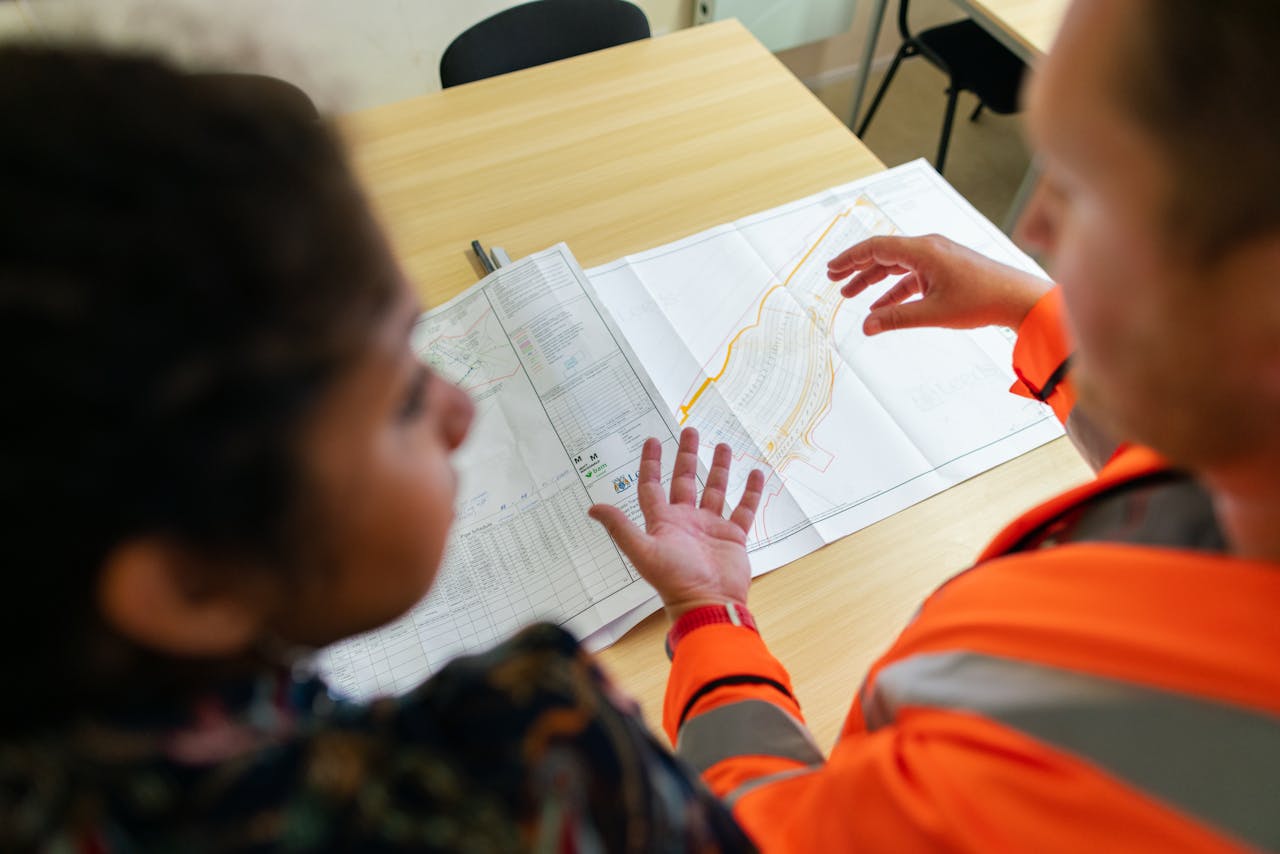
The construction process begins with detailed cost estimating and comprehensive site planning. We analyze existing conditions, evaluate structural requirements, and assess utility capacity to develop accurate project budgets. This phase includes measuring spaces, reviewing architectural drawings, and calculating material quantities.
Site planning addresses practical construction challenges such as equipment access, material storage, and work sequencing. We coordinate with property owners to understand any restrictions on construction hours or shared utility access. Early site evaluation helps identify potential issues that could impact the schedule or budget later in the process.
Pre-Construction Coordination
Pre-construction brings together design coordination, contract finalization, and resource planning before work begins on site. We finalize subcontractor selections, confirm material delivery schedules, and establish communication protocols with all stakeholders. This phase typically takes two to four weeks, depending on project complexity.
During pre-construction, we also conduct final reviews of mechanical, electrical, and plumbing plans to ensure proper integration with kitchen equipment and dining area requirements. Building codes and municipal zoning requirements are verified one final time before permits are pulled.
Permitting and Municipal Approvals
The permitting process involves coordinating multiple approvals from different municipal departments. Building permits address structural work, while health department permits focus on food service areas and equipment installation. Fire department approvals cover safety systems and emergency access requirements.
We submit permit applications in the correct sequence to avoid delays, often starting with basic building permits before moving to specialized approvals. Regular communication with permit reviewers helps address questions quickly and keeps the approval process moving smoothly.
Construction and Quality Management
Active construction begins with demolition and rough-in work for utilities, followed by framing, mechanical installations, and finish work. Project managers track the schedule, budget, and subcontractors daily to maintain momentum and catch issues early. We coordinate material deliveries to match work sequences and minimize site congestion.
Throughout construction, regular inspections verify that work meets applicable building codes and project specifications. Schedule management becomes critical as different trades must coordinate closely in restaurant spaces where kitchen equipment, dining finishes, and utility systems all intersect.
Final Inspections and Closeout
The closeout phase includes final inspections from multiple authorities, system testing, and project documentation. Health department inspections verify that food service areas meet safety standards. Fire department reviews confirm proper installation of suppression systems and emergency equipment.
We coordinate punch list completion, deliver equipment manuals and warranties, and ensure that all permit approvals are finalized before the restaurant opens. Final construction documentation is organized and delivered to support ongoing operations and future maintenance needs.
When Should You Choose Remodeling, Fit-Out, Or Refurbishment?
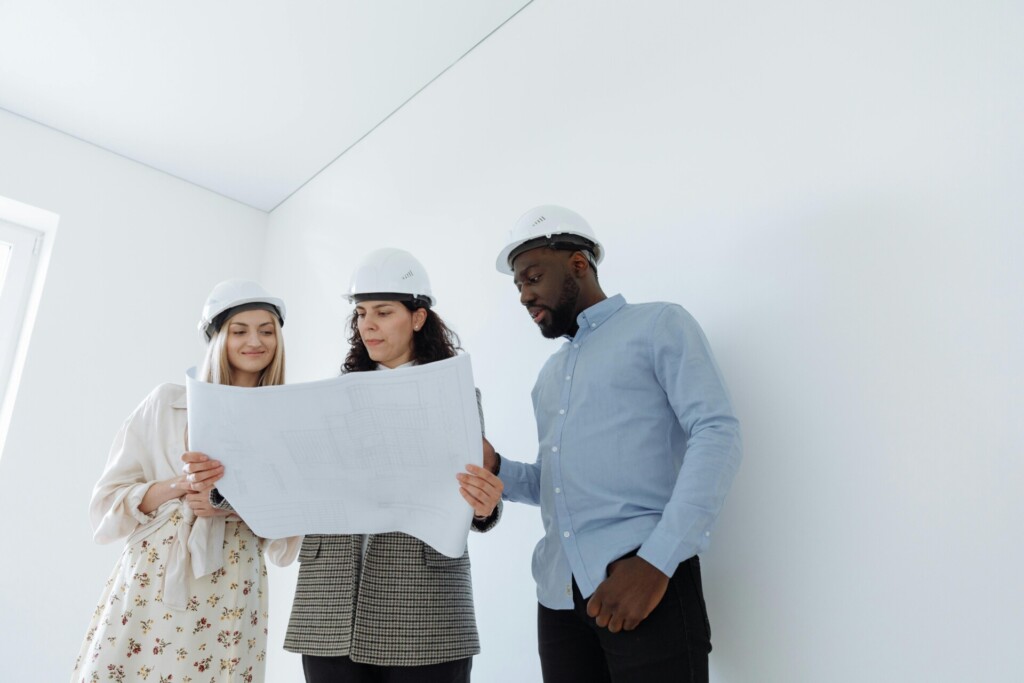
Restaurant remodeling is ideal when you need fresh dining layouts, bar upgrades, or interior finish updates without changing the basic structure. We recommend this approach when the existing space functions well but needs new finishes, lighting, or seating arrangements to align with an updated brand or improve the guest experience.
Restaurant fit-outs (tenant finish-outs) serve a different purpose. These projects transform shell spaces into fully operational restaurants with integrated kitchen systems, dining areas, and branded finishes. We recommend fit-outs when starting with raw commercial space that needs a complete build-out, from electrical and plumbing rough-ins through final fixtures and equipment installation.
Understanding Each Approach by Scope
Remodeling typically involves surface-level changes and layout adjustments. We focus on replacing flooring, updating wall finishes, reconfiguring seating, and refreshing fixtures while working around existing mechanical systems. This approach maintains most of the underlying infrastructure while creating a refreshed appearance and improved flow.
Fit-outs require comprehensive construction coordination. We install new HVAC systems, electrical service, plumbing lines, fire suppression systems, and kitchen equipment from the ground up. The scope includes everything needed to turn an empty shell into a restaurant that meets health codes and operational requirements.
Refurbishment emphasizes long-term operational improvements and sustainability. We update aging kitchen equipment, improve ventilation, add energy-efficient lighting, and upgrade systems to meet current codes. This approach often includes workflow efficiency improvements that reduce operating costs over time.
Decision Factors for Project Selection
Your starting condition determines which path makes the most sense. Existing restaurants with functional layouts but dated appearances benefit from remodeling. Shell spaces or buildings that previously housed other businesses typically require full fit-outs to support restaurant operations.
Budget and timeline considerations also influence the decision. Remodeling projects generally cost less and finish faster since we work with existing systems. Fit-outs require larger investments but create exactly what you need for long-term success. Refurbishment falls between these options, targeting specific improvements that deliver measurable operational benefits.
Brand alignment plays a crucial role in our recommendations. New concepts or major brand changes often call for comprehensive fit-outs that create the right guest experience from entry to kitchen. Established restaurants maintaining their core identity can achieve their goals through targeted remodeling or strategic refurbishment.
We evaluate each project based on the condition of existing systems, required code updates, and operational goals. The right approach depends on whether you need cosmetic refreshes, a complete transformation, or targeted improvements that enhance efficiency and compliance while supporting your restaurant’s success.
Conclusion and Next Steps
A restaurant design-build firm in San Antonio brings together all the pieces needed to turn your concept into a fully operational restaurant. We manage the entire journey from initial estimating and permitting to construction and final closeout. This integrated approach ensures your brand vision, guest comfort, and kitchen efficiency work together seamlessly while meeting all local code requirements.
Ready to move forward? Start by defining your restaurant concept, establishing a realistic budget, and setting your target timeline. Map out your front-of-house and back-of-house needs, review the applicable code requirements in San Antonio, and establish a regular communication schedule. Working with a single design-build team streamlines vendor management, schedule control, and project coordination from the first design meeting through your grand opening. Contact EB3 Construction to discuss your restaurant project.