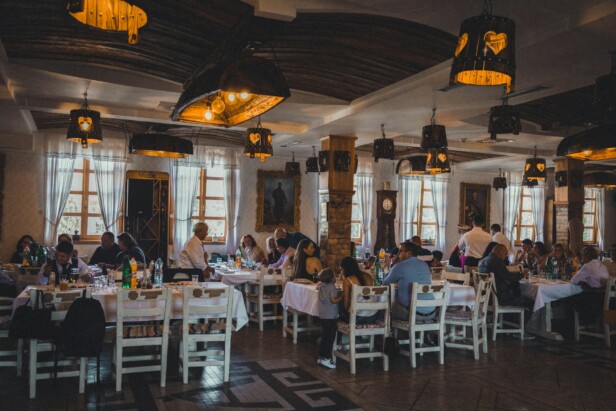
COVID-19 transformed the commercial real estate landscape, leaving countless restaurants, cafes, and bars vacant across urban districts. Property owners face a critical challenge: how to breathe life back into these spaces while adapting to shifting market demands.
A restaurant to retail conversion transforms former dining establishments into retail spaces, offering a practical solution for vacant properties. This adaptive reuse approach has surged as brick-and-mortar businesses seek new configurations and communities work to revitalize empty storefronts. The conversion process addresses immediate community needs while creating sustainable revenue streams for property owners navigating post-pandemic realities.
Which Zoning, Permits, And Codes Should You Confirm First?

Zoning regulations determine whether your restaurant space can legally operate as retail. Most jurisdictions classify restaurants under food service or commercial use while retail falls under mercantile occupancy. These different classifications often require different parking ratios, fire safety systems, and operational permits.
Contact your local planning department to verify the current zoning designation. Request a zoning determination letter that confirms retail use is permitted. Some areas allow retail as a permitted use while others require conditional use permits or variances.
Building Code Requirements For Use Change
Building codes govern occupancy classifications and safety systems. Restaurant spaces typically fall under Assembly (A-2) or Business (B) occupancy while retail is usually Mercantile (M) occupancy. This change affects required exits, fire protection systems, and occupant load calculations.
Schedule a meeting with your building official early in the planning process. Bring preliminary floor plans and discuss your intended retail use. Ask specifically about egress requirements, fire alarm upgrades, and sprinkler system modifications.
Some jurisdictions require full code compliance when changing occupancy types. Others allow existing conditions to remain if they meet basic life safety standards. Understanding these requirements prevents costly surprises during construction.
ADA Compliance And Accessibility Upgrades
ADA accessibility requirements apply to both the existing space and any new construction. Restaurant layouts often include features that don’t work for retail, such as narrow aisles between tables or inaccessible restrooms.
Evaluate door widths, ramp slopes, and counter heights against current ADA Standards for Accessible Design. Retail spaces need clear 36-inch-wide pathways throughout the sales floor. Cash wrap counters must include accessible sections no higher than 36 inches.
Restroom accessibility becomes critical for retail operations. Verify that existing facilities meet current standards or budget for upgrades. Missing grab bars, incorrect door swing directions, or inadequate turning space can trigger expensive modifications.
Life Safety And Egress Planning
Retail occupancy often requires different egress calculations than restaurant use. The number and location of exits depend on occupant load, which varies significantly between food service and retail operations.
Calculate your maximum occupant load based on retail square footage and merchandise layout. This determines exit requirements and influences fire protection systems. High-density retail may need additional exits compared to the original restaurant configuration.
Fire department access and emergency vehicle positioning also matter. Loading areas and delivery access should accommodate both retail operations and emergency response. Coordinate with local fire officials to ensure your conversion meets their operational requirements.
What Existing Conditions And MEP Systems Drive Scope And Cost?
A thorough assessment of existing conditions forms the foundation of any successful restaurant to retail conversion. We start by documenting the current state of all building systems to understand what can be reused, what requires modification, and what needs complete replacement. This evaluation directly impacts both project scope and budget.
The electrical system assessment begins with verifying available power capacity and distribution. Most restaurants operate with higher electrical loads than typical retail spaces due to commercial kitchen equipment. We examine the main service panel, branch circuits, and outlet locations to determine if the existing electrical infrastructure can support new retail uses or requires upgrades.
HVAC And Ventilation System Review
HVAC capacity evaluation reveals whether existing systems can handle the different load patterns of retail operations. Restaurant spaces typically feature heavy-duty ventilation systems designed for cooking operations, including kitchen exhaust systems and make-up air units. We assess whether this equipment can be adapted or if a complete system replacement is necessary.
Outside air handling requires careful analysis of existing facade louvers and intake systems. Restaurant ventilation systems often include specialized exhaust arrangements that may not suit retail operations. The existing ductwork layout and capacity determine whether we can reconfigure the system or need to install entirely new distribution networks.
Plumbing And Water Systems Assessment
Water pressure testing and system capacity verification help determine what plumbing infrastructure remains viable. We check hot water systems, which in restaurants often include high-capacity units that may be oversized for retail use. Sanitary line capacity and routing affect layout options, particularly if the conversion involves changing restroom locations or adding new fixtures.
Grease interceptor systems require special attention during restaurant conversions. These components typically need removal or abandonment, which affects both scope and cost. The existing plumbing rough-in may limit fixture placement options in the converted retail space.
Fire Protection And Life Safety Infrastructure
Fire prevention infrastructure assessment covers sprinkler systems, fire alarm networks, and emergency egress requirements. Restaurant spaces often have specialized fire suppression systems designed for kitchen operations that require modification for retail use. We evaluate whether existing sprinkler coverage meets retail occupancy requirements or needs reconfiguration.
Life safety systems evaluation includes emergency lighting, exit signage, and alarm systems. The conversion from restaurant to retail may trigger different code requirements that affect the scope of necessary upgrades. This baseline assessment allows us to model different layout options and accurately price potential changes before committing to a specific conversion approach.
How Should Owners Plan Scope, Budget, And Tenant Strategy?
Property owners face critical decisions when planning scope, budget, and tenant strategy for restaurant to retail conversions. Each decision affects overall project costs and tenant demand. We approach these choices by evaluating how existing infrastructure supports different uses and tenant types.
System Limitations Drive Configuration Options
Existing MEP systems determine which layouts work within your budget. A former restaurant’s electrical capacity might handle retail lighting but struggle with high-power displays. HVAC zones designed for kitchen exhaust may not align with retail customer flow patterns.
We evaluate whether water lines can be capped or relocated without major structural work. Gas lines for kitchen equipment often require removal or abandonment when converting to standard retail use. Fire suppression systems may need reconfiguration if sprinkler patterns don’t match new tenant requirements.
Cost Estimates Vary By Building Type And Use
Retrofit costs depend heavily on the space’s original design and target use. Adaptive reuse projects in older buildings with complex infrastructure can exceed $200 per square foot. Standard in-line retail conversions in newer strip centers average $75 to $150 per square foot for basic tenant improvements.
Building complexity affects pricing significantly. Former restaurants with specialized exhaust systems, grease management, and commercial-grade utilities require more extensive modifications. Simple spaces with standard retail infrastructure need minimal changes to attract tenants.
We track cost drivers that property owners encounter most often. Kitchen removal and floor patching represent immediate expenses. Electrical upgrades to support new lighting and point-of-sale systems add to the total. ADA compliance modifications can increase costs when entrance configurations don’t meet retail accessibility standards.
Tenant Improvement Negotiations Depend On Market Position
Who pays for tenant improvements depends on lease negotiations and tenant creditworthiness. Strong retail tenants often secure higher TI allowances, especially in competitive markets. Smaller businesses may contribute more to fit-out costs in exchange for lower base rent.
We structure lease negotiations around the tenant’s financial capacity and the space’s income potential. Restaurant-to-retail conversions sometimes require higher TI allowances because tenants face unique challenges adapting unconventional layouts. Market demand affects leverage in these discussions.
Property owners can offer flexible arrangements when dealing with infrastructure limits. Some provide base building improvements while tenants handle interior finishes. Others offer turnkey solutions with higher rent to offset their investment in extensive modifications.
Equipment Removal Strategy Affects Tenant Mix
Smart equipment removal expands tenant options while controlling costs. We recommend removing most restaurant-specific equipment that won’t serve retail purposes. Commercial dishwashers, specialized exhaust hoods, and walk-in freezers typically provide no value to retail tenants.
Keeping select equipment supports flexible leasing strategies. Maintaining basic food service infrastructure allows owners to market to cafes, delis, or hybrid retail concepts. A standard sink and basic electrical can support light food preparation without full restaurant complexity.
Storage and utility areas often transition well to retail back-of-house needs. Former prep areas work as inventory storage or employee break rooms. Loading areas designed for restaurant deliveries can handle retail shipments with minimal modification.
Conclusion And Next Steps
Restaurant to retail conversion requires systematic planning and technical expertise. We approach these projects by establishing a solid foundation through careful due diligence and baseline assessments. Each conversion presents unique challenges, but following proven steps creates a clear path forward.
Start with regulatory compliance by confirming zoning requirements and ADA accessibility paths. Complete an adaptive reuse-focused property condition assessment that documents existing infrastructure capacity and identifies necessary upgrades. Map MEP and fire systems thoroughly to establish realistic scope boundaries and avoid costly surprises during construction. Model several layout and budget scenarios that reflect different tenant types and improvement levels, then align these options with your broader tenant strategy and market positioning.
These conversions can restore street-level activity and property value when executed with clear goals and proper technical groundwork. The key lies in balancing infrastructure realities with market opportunities, ensuring code compliance while creating spaces that serve evolving community needs.
Ready to evaluate your restaurant-to-retail conversion project? Contact EB3 Construction to discuss your adaptive reuse goals and development timeline.