Property damage strikes when you least expect it. Water floods your commercial space at 3 AM, or severe weather tears through your building during peak business hours. The immediate question becomes: how quickly can operations resume?
A commercial contractor for insurance claims bridges the gap between damage and restoration. We coordinate with adjusters, manage documentation, and execute repairs to get properties operational again. This comprehensive approach covers damage assessment, claim coordination, and the complete repair cycle from emergency mitigation through final restoration and reopening.
How Should You Structure The Claims-And-Recovery Workflow?
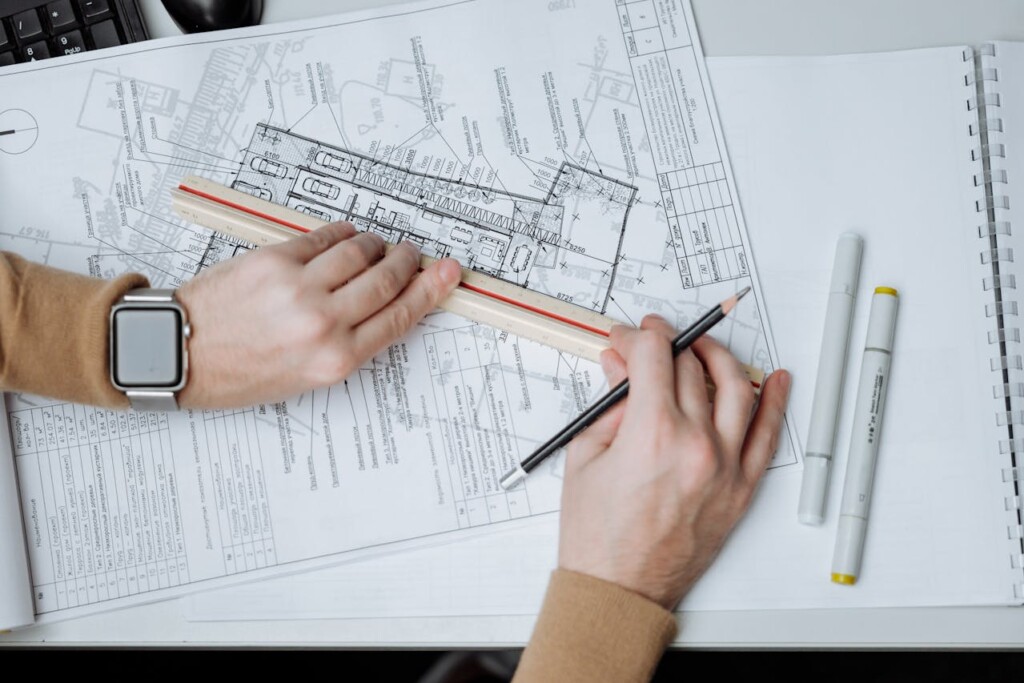
We structure our claims-and-recovery workflow around four key phases that keep property owners in control while minimizing business disruption. Each phase builds on the previous one, creating a systematic approach that addresses common bottlenecks before they derail your timeline.
Initial Assessment And Documentation
We begin with comprehensive damage assessment within the first 24-48 hours after an incident. Our structural engineers, safety experts, and environmental specialists conduct thorough evaluations that cover all building systems, potential hazards, and code compliance issues. This multi-disciplinary approach prevents surprises later in the process.
Documentation starts immediately. We photograph every affected area, catalog damages systematically, and create detailed reports that support your insurance claim. Complete documentation at this stage eliminates disputes with adjusters and speeds approvals. We also identify immediate safety concerns and temporary stabilization needs.
Environmental checks are crucial but often overlooked. We assess air quality, moisture levels, and potential contamination to determine if specialized remediation is required. These findings shape our restoration strategy and help us coordinate the right specialists from day one.
Claims Initiation And Contractor Mobilization
Once assessment is complete, we launch the claims process while simultaneously mobilizing our pre-qualified contractor network. This parallel approach eliminates the typical delay between claim approval and work commencement. We maintain relationships with structural engineers, restoration specialists, and trade contractors who can respond within hours of notification.
Pre-qualifying vendors is essential for rapid mobilization. We verify licenses, insurance coverage, and safety compliance before emergencies occur. This preparation allows us to deploy qualified teams immediately rather than spending valuable days vetting contractors during a crisis. Our vetted network includes specialists for water damage, fire restoration, structural repairs, and environmental remediation.
Coordination with insurance adjusters begins during assessment. We share documentation in real-time, provide detailed scope estimates, and maintain open communication throughout the claims cycle. This collaborative approach reduces back-and-forth negotiations that typically slow the process.
Restoration And Code Compliance
During restoration, we coordinate multiple trades while ensuring all work meets current building codes and safety regulations. Our project managers maintain detailed schedules and hold daily coordination meetings to prevent delays. We track progress digitally and provide stakeholders with real-time updates through secure dashboards.
Code compliance is non-negotiable and often requires upgrades beyond simple repair. We work with local authorities early to understand requirements and secure necessary permits. This proactive approach prevents work stoppages and ensures smooth inspection processes.
We manage material procurement and delivery schedules to avoid shortages that commonly delay projects. Our established supplier relationships and bulk purchasing power help secure materials even during high-demand periods following widespread disasters.
Final Inspections And Reopening
Before reopening, we coordinate all required inspections, complete final cleaning, and ensure all systems are operational. We work directly with local authorities to schedule inspections efficiently and address any concerns promptly. Our systematic approach to final inspections prevents last-minute surprises that could delay occupancy.
We also conduct thorough testing of all building systems, including HVAC, electrical, plumbing, and fire protection. This comprehensive approach ensures safe reopening and prevents post-occupancy issues that could trigger additional claims or business interruptions.
Common Bottlenecks And Solutions
The most frequent delays we encounter include slow insurance processing, contractor coordination gaps, material shortages, and unforeseen structural issues. We address these systematically through our established processes.
Slow claim processing typically stems from incomplete documentation or poor adjuster communication. Our comprehensive initial assessment and real-time documentation sharing eliminates most delays at this stage. We also maintain direct relationships with major insurers to expedite complex claims.
Coordination gaps between trades cause expensive delays and rework. Our dedicated project managers prevent these issues through detailed scheduling and daily coordination meetings. We also use digital project management tools that provide transparency and accountability for all team members.
Material shortages can derail even well-planned projects. We address this through early procurement, established supplier relationships, and backup sourcing options. Our bulk purchasing power and industry connections help secure materials even during supply chain disruptions.
What Documentation And Communication Accelerate Insurance Approvals?
Successful claims processing depends on structured organization and consistent communication protocols. We designate a single claims lead who manages all documentation pathways and maintains accountability for approval timelines. This centralized approach prevents critical information from falling through gaps and ensures adjusters receive complete, organized submissions.
Organized records form the foundation of efficient claims processing. We maintain comprehensive files that separate damages, costs, and restoration expenses into clearly labeled categories. Photo logs capture damage progression, repair specifications, and temporary solutions implemented during construction. Detailed damage reports document structural impacts, safety concerns, and required interventions. These organized records support coverage decisions and minimize disputes between property owners and adjusters.
Complete documentation includes specifications for temporary repairs, which often determine immediate coverage decisions. We capture material lists, labor costs, and timeline estimates for temporary solutions. This documentation demonstrates our proactive approach to preventing further damage while permanent repairs are planned. Temporary repair specifications also establish baseline costs that inform final settlement calculations.
Clear adjuster communication eliminates delays and confusion throughout the claims cycle. We establish regular contact schedules with adjusters, providing structured updates on construction progress and any emerging complications. Open communication includes sharing real-time challenges, such as material delays or unexpected structural issues, before they impact project timelines. This transparency builds trust and supports collaborative problem-solving between our construction teams and insurance representatives.
Stakeholder updates prevent confusion among property managers, tenants, and insurance teams. We provide regular progress reports that outline completed work, upcoming milestones, and any changes to original restoration plans. These updates keep all parties informed about construction impacts on daily operations and expected reopening timelines. Regular stakeholder communication reduces phone calls to adjusters and maintains project momentum.
Digital platforms streamline progress tracking and support faster approval decisions. Many construction teams now use project management dashboards that provide real-time visibility into milestone completion and budget tracking. These platforms allow adjusters to review progress remotely and make informed decisions about additional coverage needs. Standardized estimate reviews through digital tools reduce processing time and improve accuracy across multiple insurance carriers.
Progress tracking through digital platforms also supports estimate reviews by providing clear documentation of work completed versus work remaining. Adjusters can access updated project costs, material specifications, and timeline adjustments without scheduling site visits. This digital transformation approach reduces claim cycle time and improves decision accuracy for complex restoration projects.
Which Qualifications And Insurance Should Your Contractor Have?

Selecting the right contractor for insurance claims restoration requires thorough vetting of their professional credentials and insurance coverage. We evaluate contractors based on their licensing status, certifications, commercial track record, and immediate response capabilities. These qualifications directly impact project success and claim outcomes.
Essential Licensing And Professional Credentials
Start by verifying active contractor licenses in your jurisdiction. Every state requires general contractors to maintain current licenses with proper classifications for the work scope. Check certification levels through state licensing boards and confirm any specialty endorsements for restoration or commercial work.
Professional certifications from industry organizations demonstrate expertise in specific areas. Look for Institute of Inspection, Cleaning and Restoration Certification (IICRC) credentials for water damage and mold remediation work. National Association of Fire Equipment Distributors (NAFED) certifications indicate fire damage restoration expertise.
Commercial experience matters significantly in insurance claims projects. Review their portfolio of similar projects, focusing on scope, timeline performance, and client satisfaction. We request detailed references from recent commercial clients and verify completion dates against original schedules.
Insurance Coverage Requirements
General liability insurance forms the foundation of contractor protection. Require minimum limits of $1 million per occurrence and $2 million aggregate coverage. This protects against third-party property damage and bodily injury claims during restoration work.
Builder’s risk insurance covers the structure and materials during construction or restoration. This coverage protects against fire, theft, vandalism, and weather-related damage while work progresses. Many property owners require contractors to maintain this coverage throughout the project duration.
Commercial auto insurance covers vehicles and equipment transportation between job sites. Fleet operations require comprehensive coverage for multiple vehicles, equipment trailers, and specialized restoration machinery. Verify adequate limits match the value of transported equipment and materials.
Enhanced Protection And Bonding
Excess liability coverage provides additional protection beyond standard policy limits. Large commercial projects often require $3 million to $5 million in total liability coverage. This umbrella protection becomes essential when dealing with high-value properties or complex restoration projects.
Surety bonds guarantee project completion and payment to subcontractors and suppliers. Performance bonds ensure work completion according to specifications, while payment bonds protect subcontractors and material suppliers. Bond requirements typically range from 50% to 100% of contract value.
Workers’ compensation coverage protects employees injured during restoration work. This coverage is mandatory in most states and shields property owners from liability claims by contractor employees. Verify coverage includes all workers who will access the property.
Risk Management And Claims Support
Safety compliance programs demonstrate the contractor’s commitment to loss control and accident prevention. Review their safety protocols, training records, and OSHA compliance history. Strong safety programs reduce project risks and support smoother insurance claim processing.
Environmental compliance becomes critical in restoration projects involving hazardous materials. Contractors must maintain proper certifications for asbestos, lead, and mold remediation work. Verify they carry pollution liability coverage for environmental exposures during restoration activities.
A dedicated construction claims team provides specialized support throughout the restoration process. These professionals understand insurance requirements, documentation standards, and adjuster communication protocols. Their expertise helps streamline approvals and reduces project delays from administrative issues.
How Do Contractors Minimize Downtime During Restoration?
We approach downtime reduction through immediate action and structured coordination. Emergency mitigation forms the foundation of our response, followed by strategic project management that keeps operations moving while permanent repairs take shape.
Emergency Mitigation And Site Stabilization
We prioritize immediate hazard elimination when we arrive on scene. Standing water gets extracted using industrial pumps and vacuums to prevent further infiltration into building systems. Electrical hazards require immediate attention through power shutoffs to affected areas, protecting both occupants and our restoration teams.
Site stabilization follows water removal. We secure compromised structural elements and establish containment barriers to isolate damaged areas from operational spaces. This containment approach allows businesses to continue functioning in unaffected areas while we address the damage. Temporary weatherproofing protects exposed areas from additional water intrusion during the restoration timeline.
Structural Drying And Mold Prevention
We deploy industrial-grade dehumidifiers and air movers immediately after water extraction. These systems work continuously to remove moisture from building materials like drywall, insulation, and subflooring. Our teams monitor moisture levels using specialized meters to ensure thorough drying and prevent secondary damage.
Mold remediation becomes necessary when moisture has been present for extended periods. We contain affected areas using negative air pressure systems and HEPA filtration to prevent spore dispersal. Contaminated materials get removed safely, while salvageable surfaces receive antimicrobial treatments. This proactive approach prevents costly mold issues that could extend project timelines significantly.
Temporary Solutions And Business Continuity
We implement temporary repairs to maintain basic building functions while permanent restoration proceeds. Temporary roofing, wall coverings, and utility connections keep essential systems operational. These interim measures protect ongoing business activities and prevent revenue losses during restoration.
Business continuity planning addresses operational needs beyond basic repairs. We coordinate with property managers and tenants to identify critical functions and alternative workspace solutions when necessary. Our engineering support team evaluates structural integrity to determine which areas can safely remain operational during restoration work.
Project Management And Digital Tracking
We assign a dedicated project manager to coordinate all restoration activities. This single point of contact manages trade scheduling, material deliveries, and stakeholder communication to prevent delays and conflicts. Regular progress meetings keep all parties informed and address issues before they impact timelines.
Digital progress tracking provides real-time visibility into restoration milestones. We use project management platforms that allow stakeholders to monitor completion percentages, upcoming tasks, and potential delays. Photo documentation captures work progress and helps insurance adjusters track claim developments efficiently.
Our 24/7 emergency response capability ensures immediate action when new issues arise. Building consultancy services provide ongoing support for code compliance questions and structural assessments. This comprehensive approach minimizes interruptions and accelerates safe reopening timelines for commercial properties.
Conclusion And Next Steps

A commercial contractor for insurance claims bridges the gap between property damage and successful restoration. We coordinate assessment teams, manage documentation workflows, and execute managed repair strategies that minimize business interruption. The right contractor transforms a chaotic claims process into a systematic approach that protects your operations while ensuring compliance with insurance requirements.
Set your plan now before disaster strikes. Pre-qualify contractors who demonstrate proven commercial experience and maintain current licenses. Name a dedicated claims lead within your organization to serve as the single point of contact for adjusters, contractors, and stakeholders. Standardize your documentation processes using digital tools that capture photo logs, damage reports, and restoration expenses in real-time. Verify that your selected contractors carry adequate general liability, builder’s risk, and commercial auto coverage. Build a comprehensive response playbook that includes emergency contacts, preferred vendor lists, and clear escalation procedures so your team can mobilize quickly when incidents occur.
Ready to establish a proactive approach to commercial property claims management? Contact EB3 Construction to develop your customized response strategy.