
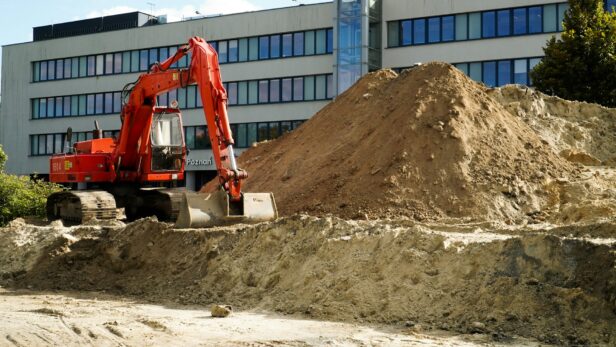
Construction projects generate debris quickly, overwhelming crews. The pace of new builds and renovations across Houston’s growing landscape produces concrete chunks, wood scraps, metal pieces, and drywall sections that stack up within hours.
Poor debris handling creates immediate safety hazards, delays project timelines, and triggers compliance violations. When construction debris removal teams in Houston handle materials correctly from the start, projects maintain momentum and avoid costly setbacks. This guide reviews debris removal options contractors can use—from trained haul-away crews to strategic dumpster placement and direct coordination with disposal sites.
What Debris Streams Are Common, And Why Do They Matter?
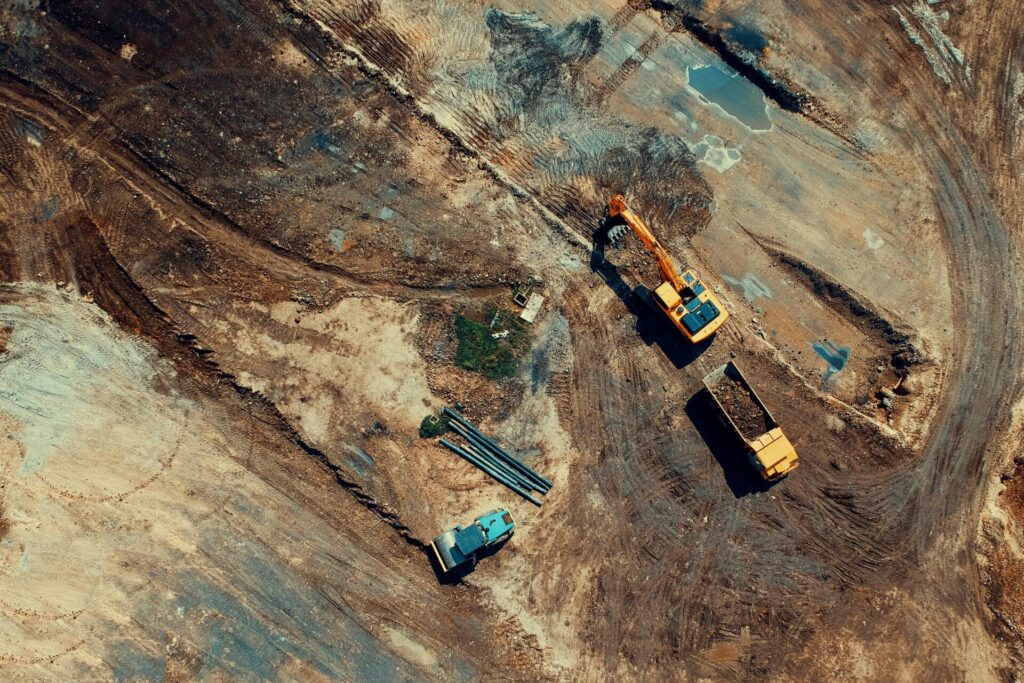
Construction waste management begins with identifying the materials your Houston project will produce. Concrete, wood, metals, and drywall account for the majority of debris on most construction sites. Each material has distinct handling requirements that directly influence disposal costs and compliance obligations.
Primary Material Types
Concrete represents the heaviest portion of construction debris. This includes foundation remnants, sidewalk sections, and structural elements from demolition work. Wood waste encompasses framing lumber, plywood, and treated materials from both new construction and renovation projects.
Metal debris consists of structural steel, reinforcing bar, pipes, and conduit systems common in pre-engineered buildings. Drywall waste includes gypsum board from interior work, often mixed with paper backing and metal trim.
Special Handling Requirements
Some materials require specialized disposal processes that affect project timelines and costs. Treated wood may contain chemicals that restrict disposal options at standard facilities. Painted concrete and metal components need evaluation for lead content before recycling.
Contaminated materials create additional challenges for construction waste management. When debris becomes mixed with hazardous substances, the entire load may require special handling at higher disposal rates. Clean separation prevents these complications and helps maintain lower disposal fees.
Impact on Project Operations
Poor material sorting creates delays when disposal facilities reject contaminated loads. Teams must then find alternative disposal sites, often at premium rates and with longer transport distances. This disruption affects scheduling and increases labor costs for re-handling materials.
Environmental compliance requires proper identification and separation of waste streams. Facilities monitor incoming loads for prohibited materials, and violations can result in fines for both contractors and property owners. Safety compliance depends on removing materials that create hazards such as sharp metal edges or unstable concrete piles.
Which Debris Removal Methods Fit Residential And Commercial Jobs?
Contractors have four primary options for managing waste streams on Houston projects. Each method supports different project timelines, crew sizes, and site conditions.
Full-Service Haul-Away and Light Demolition
We provide trained, properly equipped crews to remove debris and perform small-scale demolition. Our teams handle the physical labor while you focus on core construction tasks.
Our process begins with a free on-site assessment and quote before any work starts. We walk through the cleanup plan with your team so everyone understands the scope and timeline. This approach works well for residential projects where space is limited or when you need debris cleared immediately from active work areas.
Roll-Off Dumpster Rental
Dumpsters centralize waste for ongoing residential or commercial work. Roll-off containers come in sizes from 10–40 cubic yards to match project scale.
This method supports steady progress and site order when crews generate debris over several days or weeks. Commercial projects often benefit from a consistent disposal point that doesn’t require daily haul-away coordination. The container stays on-site for your rental period, typically 7–10 days.
Dump Site Drop-Off
Bring debris by truck or trailer to a disposal site when you have vehicles and crew available for transport. The facility handles the heavy lifting on arrival, including pull-off services for larger loads.
This option gives you complete control over timing and allows for immediate disposal as debris accumulates. It works best when you have smaller, manageable loads and want to avoid rental fees for containers.
Emergency Waste Services
When an urgent event impacts your project, rapid debris removal can help stabilize the site. Storm damage, unexpected demolition discoveries, or safety incidents may require immediate cleanup.
Emergency services prioritize quick response over cost optimization. We deploy trained crews with appropriate equipment to clear debris that poses immediate safety risks or blocks critical work areas.
What On-Site Process And Safety Steps Should You Expect?
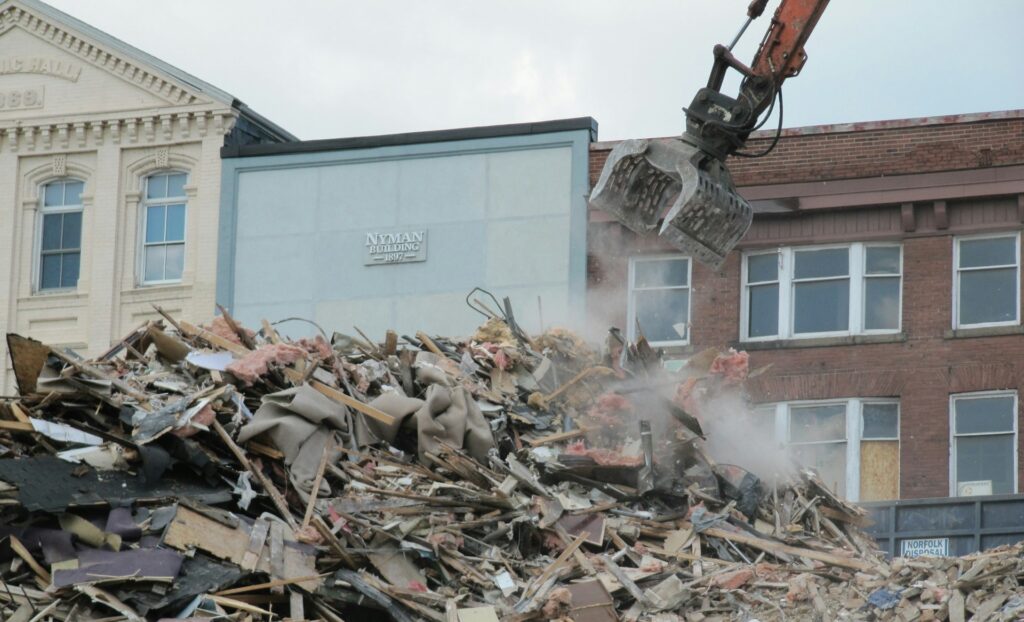
We structure every debris removal project around clear steps that protect people and property. Each phase connects to the next, creating accountability from initial assessment through final cleanup.
Houston contractors benefit from predictable processes that reduce confusion and keep projects moving. Safety protocols and crew qualifications matter when heavy materials and equipment are used near active construction zones.
Pre-Work Assessment Sets Expectations
Every project starts with an on-site evaluation. We walk the site to assess debris volume, access points, and any special handling requirements for materials like concrete or metal.
This assessment produces a detailed quote that covers labor, equipment, and disposal costs. Property owners and developers receive clear pricing upfront, eliminating surprise charges during cleanup.
Same-day quotes are available for many projects, especially when debris types and site conditions are straightforward. Quick turnaround on estimates helps teams maintain construction schedules.
Plan Review Eliminates Guesswork
Before crews mobilize, we conduct a plan walkthrough with project stakeholders. This review covers demolition sequence, debris staging areas, and cleanup timelines.
The walkthrough identifies potential complications early, such as utility conflicts or access restrictions. Teams understand which equipment will be used and when each phase of cleanup will occur.
Clear communication prevents delays caused by misunderstandings about scope or sequencing. Everyone knows what happens next and when to expect completion.
Trained and Licensed Crews Handle Specialized Work
Light demolition and debris removal require specific skills and proper insurance coverage. Our crews hold current licenses and maintain comprehensive insurance coverage for property damage and liability.
Experience matters when operating excavators near existing structures or handling materials that require special disposal methods. Trained operators understand how to work safely around utilities, foundations, and adjacent buildings.
Licensed and insured operations protect property owners from liability exposure. Proper crew qualifications reduce accident risk and ensure compliance with safety regulations.
Simple Scheduling Supports Project Flow
We coordinate service windows around your construction timeline, including takt time planning and scheduling software considerations. Teams receive confirmation calls before arrival, and scheduling adjustments accommodate weather delays or changing priorities.
Flexible scheduling helps contractors adapt when timelines shift due to inspections, weather, or material deliveries. Responsive scheduling keeps debris removal aligned with overall project needs.
Regular communication ensures crews arrive when needed and complete work within agreed timeframes. This coordination prevents debris from accumulating and creating safety hazards or work slowdowns.
How Do Houston Disposal Sites And Pricing Typically Work?
Houston disposal sites include Type IV construction and demolition (C&D) facilities that provide transparent pricing for contractors handling project debris. These facilities charge per cubic yard with established rates for different material types and service levels. Current published rates show standard C&D waste at $16 per cubic yard, while special-handling materials that require additional processing cost $18 per cubic yard.
Service Fees and Minimum Charges
Houston disposal sites structure their fees to accommodate different unloading needs and truck configurations. Pull-off service, where facility equipment removes containers from trucks, runs $50 per load. Backhoe pull-off service for heavier or more difficult loads costs $70. These services reduce labor demands on construction crews and speed site operations.
Facilities enforce minimum charges to cover operational costs regardless of load size. Standard loads carry a $90 minimum charge, while special-handling materials carry a $100 minimum. This pricing structure helps contractors plan disposal costs for smaller debris volumes that might not reach the per-cubic-yard threshold.
Site Access and Operational Features
Houston disposal facilities maintain access roads specifically for construction traffic and varying truck sizes. Well-maintained surfaces reduce delays and equipment damage during busy periods. Sites design their layouts to accommodate trucks, trailers, and roll-off containers efficiently.
Offloading assistance varies by facility and load type. Some locations offer pull-off services using on-site equipment, while others expect crews to handle unloading. Understanding these options during project planning helps prevent delays and unexpected costs during disposal runs.
Recycling and Waste Diversion Programs
Houston disposal sites actively work to divert recyclable materials from the waste stream rather than sending everything to landfills. Concrete, metals, and clean wood often qualify for recycling programs that can reduce disposal costs. Facilities sort materials when possible and redirect suitable items to recycling processors.
This waste diversion approach benefits both environmental compliance and project costs. Materials that qualify for recycling typically receive reduced disposal rates or may be accepted at no charge. Contractors benefit from understanding which materials their disposal site can recycle versus those requiring standard disposal.
Conclusion And Next Steps

Plan debris handling by material type to streamline disposal and control costs. Choose the method that matches your project timeline and crew capacity: full-service haul-away handles the work for you, roll-off dumpsters provide on-site convenience for longer projects, or disposal-site drop-off gives you direct control over timing. Each approach offers distinct advantages based on your Houston project’s scope, schedule constraints, and waste volume.
We manage debris removal with safety protocols that protect your team and keep your project compliant. Our trained, licensed, and insured crews conduct thorough on-site assessments to develop clear cleanup plans. This preparation ensures proper material handling, regulatory adherence, and efficient execution from start to finish.
Contact EB3 Construction to align your debris management plan with your upcoming Houston project.