More than 1,000 construction workers die on the job each year in the United States, making it one of the deadliest industries for workplace fatalities. Beyond these tragic human costs, construction projects face constant threats from budget overruns, schedule delays, and operational failures that can derail even the most carefully planned developments.
Construction risk and safety management is the systematic process of finding, analyzing, and reducing threats to a project’s success, budget, schedule, and worker safety. This discipline plans for the unexpected so work stays on time and on budget while protecting people through proactive hazard assessment and contingency planning. When we implement effective risk management practices, projects can see cost savings of up to 15% and time savings of up to 30%, transforming how we approach construction feasibility and project delivery.
Which Risks Matter Most On Construction Projects?

Construction projects face five primary risk categories that can derail schedules, inflate budgets, and threaten worker safety. Understanding these critical threats allows us to build stronger mitigation strategies and keep projects moving forward.
Financial And Budget Risks
Inaccurate cost estimates during bidding frequently create financial strain throughout project execution. Material price fluctuations can shift project economics overnight, particularly when commodity markets experience volatility. According to research from The Access Group, construction projects are notorious for budget overruns, compounded by the race-to-the-bottom culture in tendering.
Payment delays from clients create cash flow challenges that ripple through subcontractor relationships and supplier agreements. These financial pressures force difficult decisions about resource allocation and can compromise quality when corners get cut to preserve margins.
Schedule And Operational Risks
Technical failures and equipment breakdowns halt progress and trigger costly downtime. Rework from design errors or quality issues can consume 10% of total planned project time, creating cascading delays across dependent activities. Labor shortages compound scheduling challenges, particularly in specialized trades where skilled workers command premium rates.
Supplier problems ranging from delivery delays to material defects disrupt carefully orchestrated construction sequences. Severe weather events force work stoppages and can damage exposed work, requiring additional time and resources to restore progress.
Legal, Regulatory, And Contract Risks
Permit and licensing delays can stall projects before ground breaks, while code changes during construction force costly design modifications. Zoning challenges create uncertainty around project approvals and can trigger lengthy appeals processes that extend timelines indefinitely.
Contract breaches between parties generate disputes that consume management attention and legal resources. Scope creep occurs when project requirements exceed original agreements, leading to cost increases and timeline extensions that strain relationships with all stakeholders.
Safety Risks And Workplace Accidents
Falls remain the leading cause of construction fatalities, particularly in high-rise and commercial projects where workers operate at significant heights. Struck-by incidents from equipment, vehicles, or falling objects create serious injuries that trigger work stoppages and regulatory investigations.
Electrocutions from contact with power lines or faulty equipment cause severe injuries and fatalities that bring immediate project shutdowns. Caught-in or caught-between accidents involving heavy machinery result in serious injuries that generate workers’ compensation claims, increase insurance premiums, and create project delays while investigations proceed.
Environmental Risks
Pollution incidents from fuel spills, concrete washout, or dust control failures trigger regulatory fines and cleanup costs. Improper hazardous material disposal creates long-term liability and can result in costly remediation requirements that extend well beyond project completion.
Land or water damage from construction activities generates claims from adjacent property owners and regulatory enforcement actions. Non-compliance with green building standards threatens LEED certification and other sustainability goals that clients increasingly demand, potentially voiding contract requirements and creating legal exposure.
How Does The Construction Risk And Safety Management Process Work?
Risk identification forms the foundation of effective construction risk and safety management. This step involves mapping potential threats before we break ground and throughout project execution. We conduct stakeholder brainstorming sessions that bring together project managers, engineers, safety officers, and field supervisors to surface risks that might not appear in formal documentation.
Document reviews provide another critical layer of risk identification. We examine design plans, contracts, regulatory requirements, and site investigation reports to uncover hidden risks. Historical data from similar projects offers valuable insights, helping us spot patterns and recurring issues that could affect current work.
Risk assessment and analysis follows identification, where we evaluate each threat using likelihood and impact criteria. Risk matrices and scoring systems help prioritize which risks demand immediate attention versus those we can monitor over time. A high-likelihood weather delay that could cost significant schedule time receives different treatment than a low-probability equipment failure with minimal project impact.
We rate each risk on probability scales, typically from one to five, and assess potential consequences using similar scoring methods. This systematic evaluation ensures our resources focus on the most critical threats to project success and worker safety.
Risk response planning requires choosing the right strategy for each identified risk. We can avoid risks by changing project approaches, transfer them through insurance or contractual arrangements, mitigate their impact through preventive measures, or accept lower-priority risks with appropriate contingency planning.
Multi-sourcing critical materials helps avoid supply chain disruptions. We maintain buffer stock for key components and add weather float days to schedules in regions prone to seasonal delays. These mitigation strategies address common construction risks before they can derail project progress.
Implementation transforms risk plans into actionable project elements. We assign a specific risk owner for each identified threat, ensuring clear accountability for monitoring and response actions. Communication plans distribute risk information to all stakeholders, from field crews to client representatives.
Schedule integration proves essential for effective risk management implementation. We embed risk mitigation tasks directly into project schedules, treating them as critical activities rather than separate processes. This integration allows us to track dependencies between risk actions and construction activities, preventing conflicts and ensuring timely completion.
Continuous monitoring and review creates a dynamic risk management environment that adapts to changing project conditions. We track mitigation progress through regular team meetings and formal reporting systems. Change control processes trigger risk reassessment whenever project scope, design, or external conditions shift.
New risks emerge throughout construction, requiring ongoing vigilance and response capability. Weather patterns change, supplier reliability fluctuates, and regulatory requirements evolve. Our monitoring systems capture these developments and adjust risk strategies accordingly, maintaining project protection throughout the construction lifecycle.
What Best Practices And Standards Improve Safety And Control?
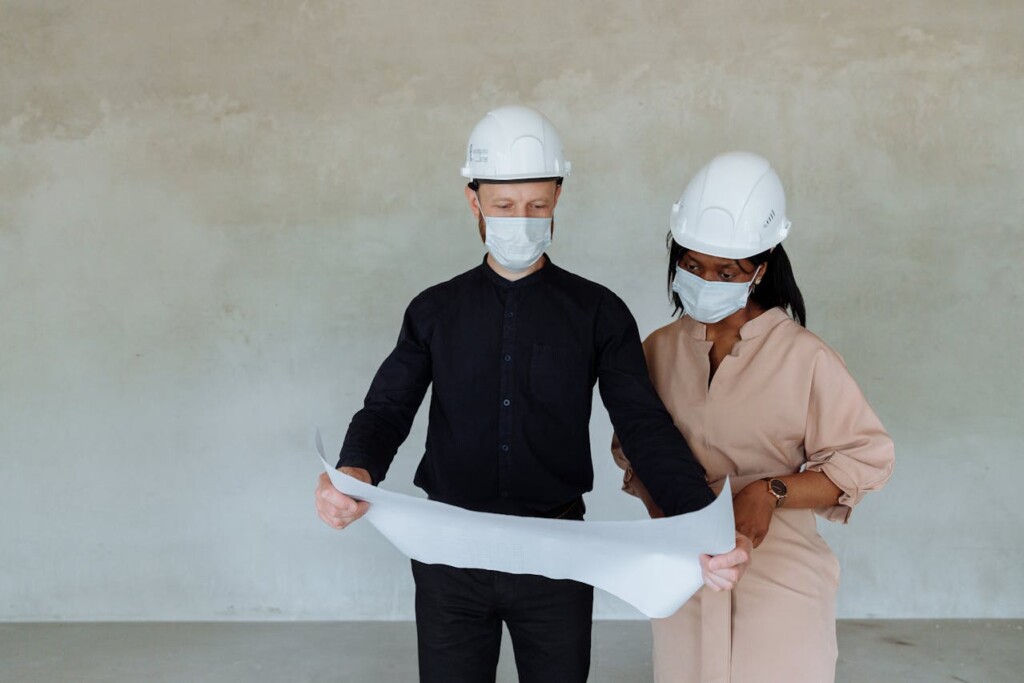
Construction projects benefit from layered safety and environmental practices that go beyond minimum requirements. These approaches build resilience into operations while reducing exposure to costly incidents and regulatory violations.
Safety Practices That Reduce Workplace Incidents
Regular hazard assessments form the foundation of effective safety management. We conduct these evaluations at project start and whenever conditions change, identifying potential threats before they cause harm. This proactive approach catches issues like unstable soil conditions, electrical hazards, or equipment placement problems early in the process.
Training programs must target specific job functions and site conditions. General safety orientation covers basic requirements, but specialized training for crane operations, confined space entry, or hazardous material handling addresses the unique risks workers face daily. Competency verification ensures workers can apply what they learn under real conditions.
Protective equipment enforcement requires consistent monitoring and clear consequences. We establish equipment inspection schedules, replacement protocols, and documentation systems that track compliance across all crew members. Safety audits verify that protective measures remain effective throughout project phases, not just during initial implementation.
Contingency planning prepares teams for emergency response scenarios. These plans detail evacuation routes, medical response procedures, and communication protocols that activate when incidents occur. Regular drills test response capabilities and identify gaps before real emergencies arise.
Environmental Controls That Prevent Violations
Environmental impact assessments evaluate potential effects on air quality, water resources, soil stability, and wildlife habitats. We review these factors during planning phases and monitor conditions throughout construction to catch changes that could trigger regulatory action.
Pollution prevention plans address stormwater runoff, dust control, noise management, and waste containment. These measures protect surrounding communities while avoiding fines that can halt work and damage project budgets. Regular monitoring of air and water quality provides early warning of potential problems.
Waste reduction strategies minimize disposal costs and environmental impact through material optimization and recycling programs. Proper hazardous material handling prevents contamination incidents that can lead to expensive cleanup requirements and legal liability.
Standards And Frameworks For Structured Planning
ISO 31000 provides a comprehensive framework for risk management that applies across all project phases. This standard guides organizations in establishing risk policies, assessment procedures, and response strategies that integrate with existing project management systems.
ISO 45001 focuses specifically on occupational health and safety management systems. It emphasizes worker participation, hazard identification, and continuous improvement processes that create safer work environments. The standard requires organizations to demonstrate leadership commitment and systematic approaches to safety risk control.
Green building certifications like LEED and BREEAM encourage environmental controls that exceed basic compliance requirements. These programs provide structured approaches to energy efficiency, material selection, and waste management that can reduce operating costs while meeting sustainability goals.
Digital Tools For Real-Time Risk Management
Risk registers capture and organize threat information in formats that support decision-making. These databases track risk likelihood, impact assessments, assigned owners, and mitigation status throughout project lifecycles. Regular updates ensure information remains current as conditions evolve.
Risk matrices provide visual representations of threat priorities that help teams focus attention on the most critical issues. Digital platforms can automatically update these displays based on changing project conditions or new assessment data.
Real-time dashboards aggregate safety metrics, environmental monitoring data, and compliance status into unified views that support rapid response decisions. Early warning systems alert project managers when conditions approach predefined thresholds that require immediate attention.
Integrated tracking systems coordinate safety inspections, environmental monitoring, and compliance reporting through single platforms that reduce administrative burden while improving oversight effectiveness. These tools support documentation requirements while enabling faster response to emerging risks.
How Do You Build A Practical Construction Risk Management Plan?
We build construction risk management plans through a systematic seven-step process that transforms potential threats into manageable actions. Each step builds on the previous one, creating a comprehensive framework that protects project objectives while maintaining operational efficiency. This structured approach ensures nothing falls through the cracks while keeping teams focused on execution rather than crisis management.
Step 1: Comprehensive Risk Identification
We start by mapping risks across all project dimensions. Financial risks include cost overruns, payment delays, and material price volatility that can strain cash flow. Schedule risks encompass weather delays, equipment failures, and labor shortages that push back milestones. Safety risks cover workplace accidents, fall hazards, and equipment malfunctions that threaten worker well-being.
Legal and regulatory risks involve permit delays, code changes, and compliance violations that can halt work. Environmental risks include pollution incidents, waste management failures, and impact assessments that trigger regulatory scrutiny. Scope risks emerge from design changes, client requests, and project creep that expand work beyond original parameters.
We gather this intelligence through stakeholder brainstorming sessions, document reviews of similar projects, and lessons learned from past experiences. Each risk category requires input from different team members – superintendents know site conditions, estimators understand cost pressures, and safety officers identify hazards.
Step 2: Risk Analysis and Prioritization
Once we identify potential threats, we analyze each risk using probability and impact scoring. A risk matrix provides visual clarity, plotting likelihood against severity to determine which risks demand immediate attention. We assign numerical scores typically ranging from 1 to 5 for both probability and impact, then multiply these values to create priority rankings.
High-probability, high-impact risks receive top priority for mitigation planning. Medium risks get monitored closely but may not require immediate action. Low-priority risks remain in the register for periodic review. This scoring system prevents teams from getting overwhelmed by minor issues while ensuring critical threats receive proper attention.
We involve multiple perspectives in this analysis process. What appears low-risk to management might seem critical to field crews who deal with daily realities. Consensus-based scoring produces more accurate assessments and stronger buy-in from implementation teams.
Step 3: Define Response Strategies and Contingency Plans
For each prioritized risk, we choose one of four response strategies. Avoidance eliminates the threat entirely by changing project plans or methods. Transfer shifts responsibility to other parties through insurance, contracts, or subcontracting arrangements. Mitigation reduces probability or impact through proactive measures like backup suppliers or enhanced safety protocols.
Acceptance acknowledges the risk without active intervention, typically reserved for low-priority items where mitigation costs exceed potential impacts. High-priority risks require detailed contingency plans that specify exactly what actions we’ll take if threats materialize.
These contingency plans include resource requirements, communication protocols, and recovery timelines. We document specific steps like activating backup suppliers when primary deliveries fail, or implementing emergency procedures when safety incidents occur. Clear contingency plans enable rapid response when problems arise.
Step 4: Assign Ownership and Accountability
Every risk and corresponding action requires a designated owner who accepts responsibility for monitoring and management. We assign specific individuals rather than general roles to ensure accountability. The foundation supervisor owns soil condition risks, the procurement manager handles supplier reliability threats, and the safety officer manages workplace hazard mitigation.
Risk owners understand their responsibilities include regular monitoring, status updates, and immediate escalation when conditions change. They coordinate with other team members but maintain clear authority over their assigned risks. This ownership structure prevents important items from being overlooked during busy project periods.
We document ownership assignments in the risk register with contact information and backup assignments. When primary owners are unavailable, designated alternates can step in without losing continuity. Clear ownership creates accountability chains that support effective risk management throughout project execution.
Step 5: Schedule Integration and Milestone Tracking
We integrate risk mitigation actions directly into project schedules using the same tools that track construction activities. Mitigation tasks receive specific start and finish dates, resource allocations, and dependency relationships. This integration ensures risk management becomes part of daily operations rather than separate administrative work.
Key milestones trigger risk register reviews and updates. Before major concrete pours, we verify weather forecasts and backup plans. Prior to equipment mobilization, we confirm delivery schedules and alternative sources. These milestone-based checkpoints catch emerging issues before they impact critical path activities.
Schedule integration also reveals conflicts between risk mitigation and construction activities. We adjust timing and resource allocation to prevent interference while maintaining protective measures. This coordination keeps projects moving while preserving risk management effectiveness.
Step 6: Establish Regular Review Cycles
We establish systematic review cadences that keep risk registers current as project conditions evolve. Weekly team meetings include risk status updates from owners, identifying new threats and closing resolved items. Monthly formal reviews examine overall risk trends, assess mitigation effectiveness, and adjust priorities based on changing circumstances.
Major milestone reviews provide comprehensive risk reassessment opportunities. As projects progress from excavation to structural work to finishing trades, risk profiles shift dramatically. What seemed critical during site preparation may become irrelevant during interior work, while new risks emerge from changing activities and site conditions.
We tie risk reviews to change control processes, ensuring that scope modifications trigger immediate risk assessment updates. When clients request design changes or field conditions require plan adjustments, we evaluate new risk implications before approving changes. This integration prevents scope evolution from introducing unmanaged threats.
Step 7: Stakeholder Communication and Coordination
We develop clear communication protocols that keep all project participants informed about current risks, mitigation progress, and their specific roles. Contractors, suppliers, clients, and internal teams receive regular updates through multiple channels including daily huddles, weekly reports, and digital dashboards.
Communication includes both formal reporting and informal information sharing. Superintendents discuss daily risks during morning crew meetings. Project managers provide weekly summaries to clients and executives. Safety officers distribute immediate alerts when new hazards emerge. This multi-layered approach ensures critical information reaches everyone who needs it.
We establish escalation procedures for urgent situations that require immediate attention. When risks materialize or new threats emerge, clear communication chains enable rapid response coordination. Everyone understands their notification responsibilities and response authorities, supporting effective crisis management when needed.
Conclusion and Next Steps
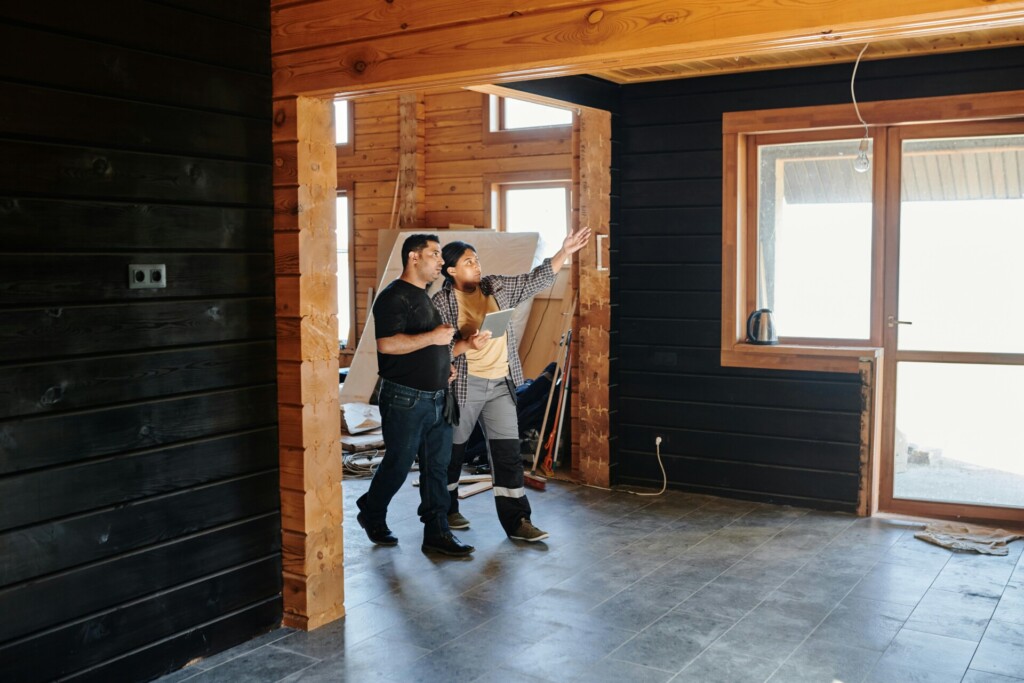
Strong construction safety and risk mitigation creates the foundation for project delivery that protects workers while controlling costs and schedules. The process starts with thorough identification and prioritization of threats across financial, operational, safety, legal, and environmental categories. Once risks are mapped, teams assign clear ownership, develop response strategies, and integrate these actions directly into project schedules. Regular risk reviews and change management processes ensure the risk register stays current as conditions evolve on site.
We build this systematic approach into every project we manage, linking risk controls to schedule control and maintaining ongoing communication with all stakeholders. OSHA compliance forms the baseline for safety culture, while environmental controls and proven standards like ISO 31000 guide our planning process. Success requires treating risk management as an active part of construction coordination rather than a separate checklist item that gets reviewed once and forgotten.
Ready to implement comprehensive risk and safety management on your next construction project? Contact EB3 Construction to discuss how we integrate these practices into every phase of construction delivery.