

Construction timelines in Houston vary dramatically by project complexity: commercial builds typically take 12–18 months for midsize facilities, while larger developments stretch to 24–30 months. High-rise projects commonly span 22–28 months because of complex mechanical, electrical, and plumbing (MEP) systems and vertical construction logistics that demand precise coordination.
Residential timelines follow a different pattern. Most new homes are completed within 4–8 months, while custom homes often require 8–12 months or more, depending on design complexity and material selections. Hurricane season and extreme summer heat can push schedules significantly, adding 2–4 months to commercial projects and 2–4 weeks to residential builds due to weather delays and modified work schedules.
Which Core Phases Define A Houston Commercial Build, And How Long Do They Take?
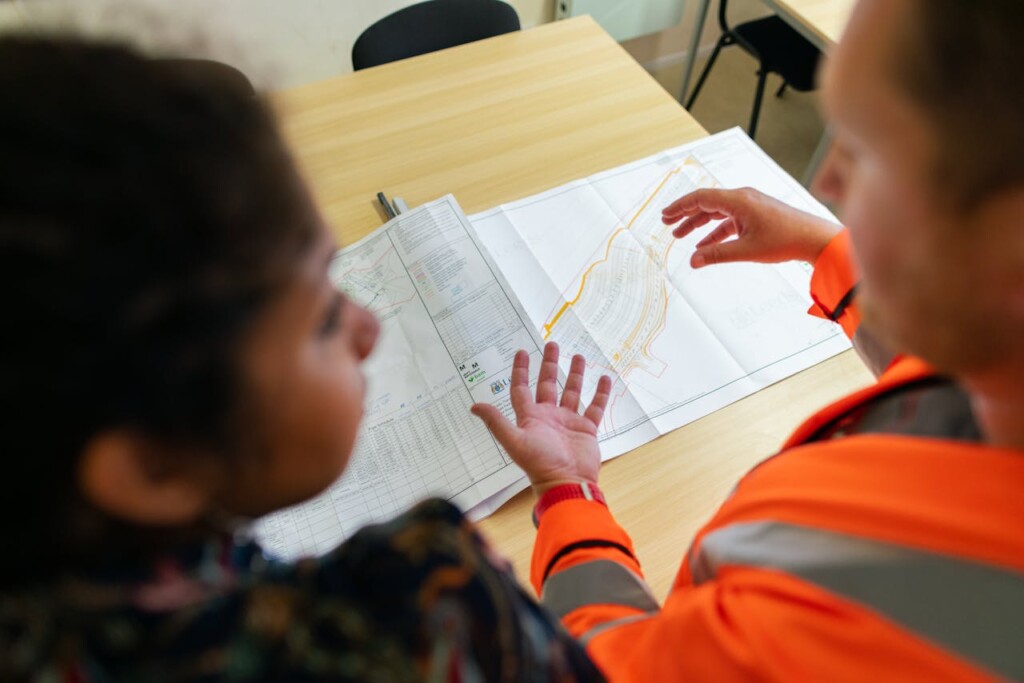
Houston commercial construction follows a systematic six-phase approach that we execute with careful coordination and attention to timing. Each phase builds on the previous one, requiring precise scheduling to maintain momentum and control costs.
Concept and Design
We begin with concept development and design, which typically spans several weeks to several months, depending on project complexity. Simple warehouse or retail projects can complete this phase in 4-6 weeks, while multi-story office buildings or specialized facilities often require 3-4 months. During this phase, we work closely with architects and engineers to finalize structural systems, building envelope specifications, and MEP coordination requirements.
Design complexity directly affects duration. Projects requiring custom facade work, complex roofing systems, or specialized mechanical needs extend this timeline. We coordinate with local design professionals who understand Houston’s building codes and environmental considerations.
Planning and Approvals
The planning and approvals phase adds 1-3 months to most commercial projects. We handle permit coordination, site plan submissions, and regulatory compliance during this critical period. This phase includes finalizing drainage system design, utility connections, and foundation specifications suited to Houston’s soil conditions.
Approval timelines depend heavily on project scope and submittal completeness. Well-prepared packages with complete MEP plans and proper documentation are processed faster than incomplete submissions that require multiple review cycles.
Pre-Construction and Sitework
Pre-construction and sitework take 1-2 months for most commercial builds. We clear sites, establish proper grading for drainage, and begin foundation installation during this phase. Houston’s high water table and clay soils require careful attention to drainage systems and foundation design.
Site conditions significantly affect duration. Projects on previously developed sites with existing utilities may complete sitework faster, while greenfield developments require more extensive clearing and utility installation. Weather conditions during this phase can extend timelines, particularly during Houston’s wet season.
Structural Development
Structural development lasts 3-6 months, depending on building type and construction method. Steel frame structures can be erected in 4-6 weeks once foundations cure, while concrete buildings take longer due to forming, pouring, and curing requirements. Tilt-wall construction offers a middle ground, with panels cast on-site and erected efficiently.
Building height and complexity drive variations in duration. Single-story warehouses complete structural work faster than multi-story office buildings that require careful coordination of vertical MEP systems and fire safety infrastructure. We coordinate crane operations and material deliveries to maintain efficient progress.
Interior and Exterior Finishing
Interior and exterior finishing generally require 2-4 months, covering envelope completion, MEP rough-ins, drywall installation, and final finishes. This phase includes roofing installation, exterior cladding, interior partitions, and mechanical systems commissioning. Complex projects with extensive millwork, specialized finishes, or advanced building automation systems tend toward the longer end of the timeline.
MEP coordination becomes critical during this phase. We sequence electrical, plumbing, and HVAC installations to avoid conflicts and maintain schedule efficiency. Quality control inspections occur throughout to ensure work meets specifications.
Final Inspections, Commissioning, and Closeout
Final inspections, commissioning, punch list completion, and closeout add 1-2 months before occupancy. We coordinate with city inspectors, complete system commissioning, and address any remaining deficiencies. This phase includes final testing of HVAC systems, fire safety equipment, and building automation components.
Thorough punch list management prevents delays at project completion. We maintain detailed documentation throughout construction to streamline final inspections and certificate of occupancy approval. Proper coordination during earlier phases directly impacts the efficiency of this final phase.
How Do Houston Permits And Reviews Affect Schedule Certainty?
Houston permit timing follows three sequential review steps that directly affect construction schedules. The Houston Planning Commission handles platting within 30 days by statute, followed by Site Plan Review covering parking requirements under Chapter 26, landscaping under Chapter 33, access agreements, sidewalks, and buffering. Commercial Plan Review via ProjectDox completes the sequence.
Complete submittals drive predictable timelines. We coordinate COMcheck energy reports, utility availability letters through Taps & Meters, current surveys, and sealed MEP plans before initial submission. Missing documents trigger review resets and significantly extend approval windows.
Standard Review Windows and Requirements
Straightforward tenant build-outs typically process within 3–6 weeks when submittals include all required documentation. Ground-up commercial projects usually need 8–10 weeks for complete plan review cycles. The Houston Planning Commission’s statutory 30-day platting window is the most predictable timeline element.
ProjectDox manages commercial plan submissions electronically. The system requires complete MEP drawings, energy compliance documentation, and utility coordination letters with the initial upload. Incomplete packages restart review cycles rather than proceeding to corrections.
Critical Documentation for Approval
COMcheck energy reports must accompany most commercial submissions. We ensure ASHRAE 90.1 compliance documentation or approved energy modeling results are included with the initial plans. The Wastewater Capacity Reservation through the Integrated Land Management System provides the project numbers required for utility coordination.
Sealed MEP plans from licensed engineers prevent the most common review delays. Surveys must show current property boundaries and existing improvements. Site plan submissions require landscape tables, parking calculations under Chapter 26, and buffering compliance with Chapter 33 standards.
Schedule Risk Factors
Backlogs can extend permitting windows by 1–3 months beyond standard timelines. Incomplete MEP submittals frequently reset entire review cycles, adding 6–8 weeks to approval schedules. We monitor permit queue depths and submission completeness to maintain schedule certainty.
Review cycle resets occur when major plan elements require revision. Minor corrections are usually processed within existing cycles, while significant MEP changes or site plan modifications restart the full review sequence. This distinction affects whether corrections add days or months to approval timelines.
What Commonly Delays Houston Construction Timing, And When Do Seasons Matter Most?
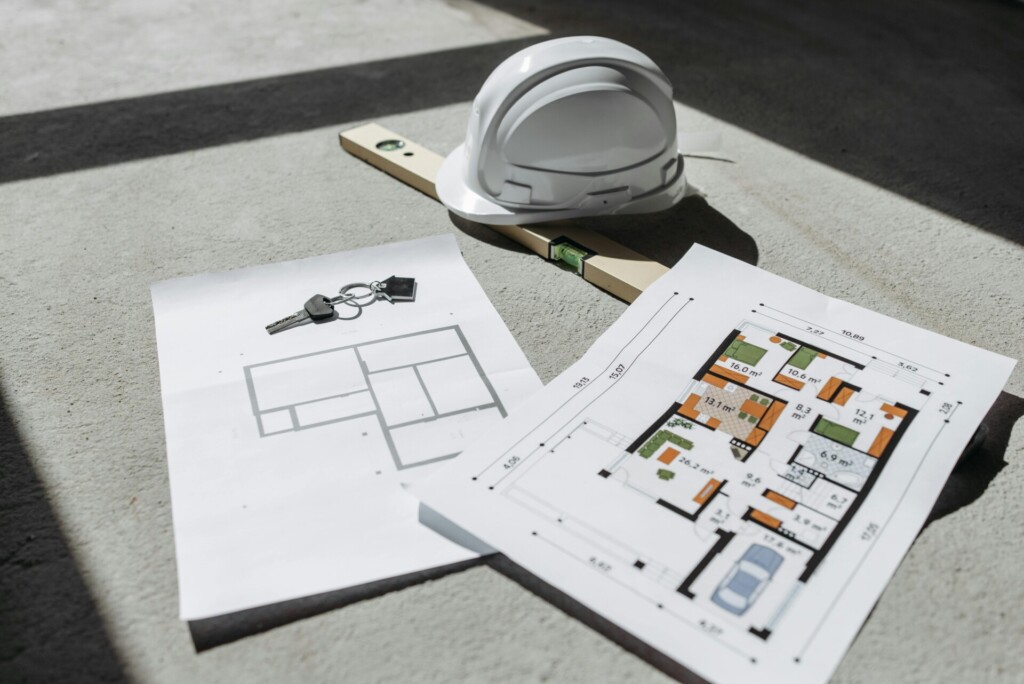
Understanding construction delays in Houston requires categorizing risks that regularly surface across projects. We encounter challenges in four primary areas: permitting issues, weather disruptions, scope modifications, and site conditions.
Permitting and Administrative Delays
Permitting backlogs at the Houston Permitting Center create significant schedule pressure. Incomplete submittals reset review cycles and extend approval timelines by weeks or months.
We see delays compound when MEP plans lack proper seals or when COMcheck energy reports contain errors. Trade availability further complicates scheduling because skilled electricians, plumbers, and HVAC technicians are in high demand across the region.
Owner-Driven Scope Changes
Scope changes represent one of the most controllable yet frequent delay sources. Owner modifications during construction typically add 3-8 weeks to project schedules.
MEP modifications carry the highest time penalty because they require coordination across multiple trades and often trigger additional permit reviews. We manage these risks by establishing clear change order procedures and maintaining tight communication with project stakeholders.
Site-Specific Challenges
Houston’s challenging soils and high water table create predictable sitework delays. Clay-rich soils that expand and contract with moisture changes can extend foundation work by 2-6 weeks.
Dewatering systems become necessary when groundwater levels interfere with excavation depths. Funding pauses, while less common, can completely halt progress and disrupt trade sequencing across the entire project.
Weather Impacts and Seasonal Planning
Hurricane season from June through November presents the most significant weather risk to construction timing. Heavy rainfall and flooding affect sitework, concrete placement, and exterior envelope installation.
Extreme summer heat impacts concrete curing times and worker productivity during peak afternoon hours. For residential projects, weather delays typically add 2-4 weeks to completion schedules. Commercial builds face more substantial impacts, with seasonal challenges contributing 2-4 months cumulatively across the project duration.
We coordinate concrete pours during cooler morning hours when possible and maintain flexible scheduling during peak storm season. Roofing and exterior work require careful weather-window planning to avoid costly rework from storm damage.
Infrastructure and Access Considerations
City infrastructure work operates Monday through Saturday, 7:00 a.m. to 7:00 p.m., with occasional off-hours scheduling for utility tie-ins and major concrete pours. Road closures managed through Houston TranStar can shift delivery schedules and impact material staging.
We monitor closure announcements and adjust logistics accordingly, as emergency weather events can trigger sudden access restrictions. Coordinating with utility providers early prevents delays related to power, water, and gas connections during final phases.
How Do Timelines Vary By Project Type, Size, And Build-Out Scope?
Project size is the primary driver of construction duration across building types in Houston. Light commercial buildings of approximately 10,000 square feet typically require 10–14 months from groundbreaking to occupancy. Mid-sized commercial projects commonly span 12–18 months, while high-rise developments often require 22–28 months because of vertical logistics and complex MEP coordination.
Large-scale facilities above 100,000 square feet should plan for 24–30 months from start to finish. These extended timelines reflect the complexity of coordinating multiple building systems, extensive testing phases, and commissioning requirements. These projects often require additional time for specialized equipment installation and system integration testing.
Tenant Improvement Timelines Vary Widely
Interior build-outs present the most variable scheduling scenarios we encounter. Simple office partitions and minor layout changes are often completed within a few weeks once permits are secured. Complex tenant improvements involving MEP modifications typically extend to several months, particularly when specialized systems are required.
Permit processing for tenant improvements generally takes 2–4 weeks for standard submissions. Build-out reviews through Houston’s ProjectDox system are typically processed within 3–6 weeks, though incomplete MEP documentation can reset review cycles and extend timelines significantly.
Residential Construction Follows Different Patterns
New home construction in Houston averages 4–8 months from foundation to certificate of occupancy. We coordinate these builds around standard floor plans and established trade sequences that allow for predictable scheduling. Production builders often achieve the shorter end of this range through streamlined processes and pre-approved plans.
Custom homes require 8–12 months on average, though some projects extend to 10–16 months depending on design complexity and client decision timelines. Custom builds face additional variables, including specialized materials, unique architectural elements, and more extensive inspection requirements that can extend schedules.
Weather affects residential timelines differently than commercial projects. Residential projects typically add 2–4 weeks due to seasonal delays, while the smaller scale allows for more flexible scheduling around weather windows.
Construction Methods Impact Duration
Method selection significantly affects structural phase timing across all project types. Tilt-wall panels and prefabricated components can reduce structural durations by several weeks compared with conventional cast-in-place concrete methods. We coordinate these alternative approaches when schedule compression becomes critical to project success.
Prefabrication allows for off-site fabrication while sitework progresses, creating schedule overlaps that conventional methods cannot achieve. Steel framing systems also accelerate structural phases, particularly for mid-rise commercial buildings where crane logistics support efficient erection sequences.
MEP complexity drives much of the variation we see within each project category. Buildings requiring specialized systems, such as data centers, medical facilities, or food processing operations, need extended commissioning periods that can add months to standard timelines. These projects require coordination with specialized trades and extensive system testing phases that cannot be compressed without compromising quality.
Conclusion And Next Steps For Planning Construction Timing In Houston

We understand that effective project delivery depends on realistic timeline expectations backed by thorough preparation. Mid-size commercial projects require 12-18 months from start to finish, large facilities need 24-30 months, and high-rises span 22-28 months. Tenant improvements can range from weeks to months depending on complexity. New homes typically complete in 4-8 months, and custom builds often extend 8-12 months or longer.
Schedule protection starts before construction begins. We front-load platting and site plan approvals to avoid downstream delays, ensuring that Houston Planning Commission review occurs within the statutory 30-day window. Submitting complete ProjectDox packages—with sealed MEP plans, COMcheck energy reports, and utility availability letters—prevents review-cycle resets that can add weeks to permitting. Managing scope changes tightly throughout the project helps avoid the 3-8-week delays commonly seen with MEP modifications. Hurricane-season planning, trade availability monitoring, and early inspection coordination help maintain momentum when weather or resource constraints arise.
Ready to establish realistic construction timelines in Houston for your next project? Contact EB3 Construction to discuss your timeline requirements and schedule protection strategies.